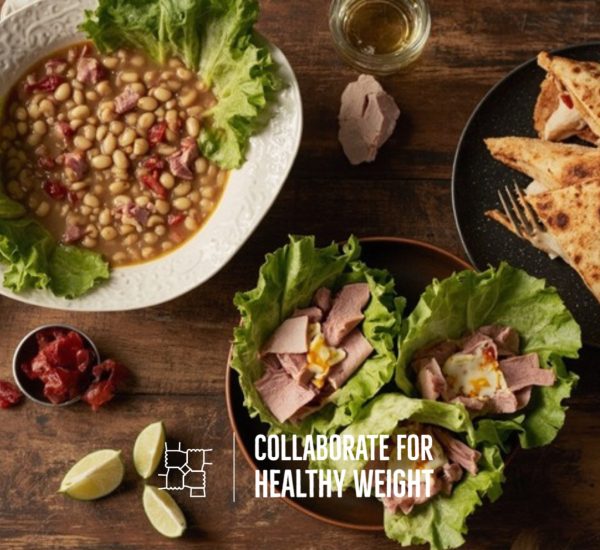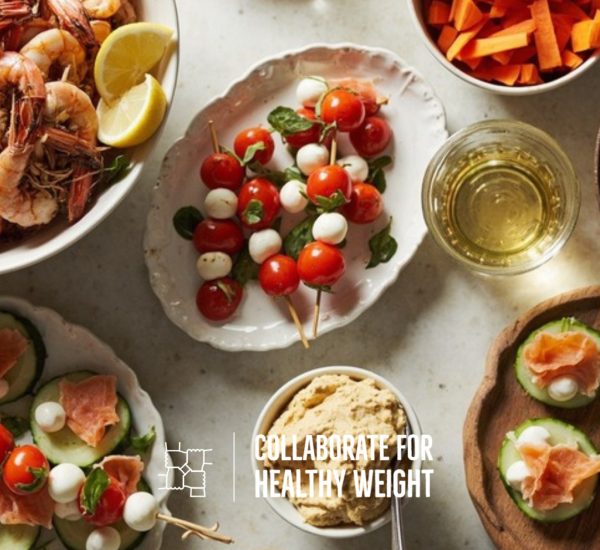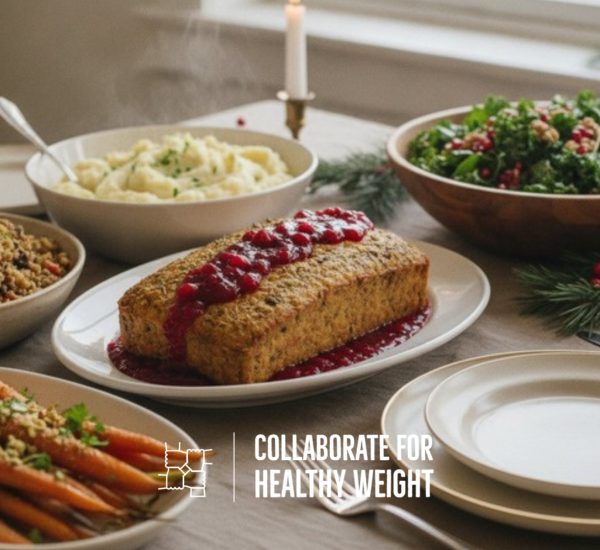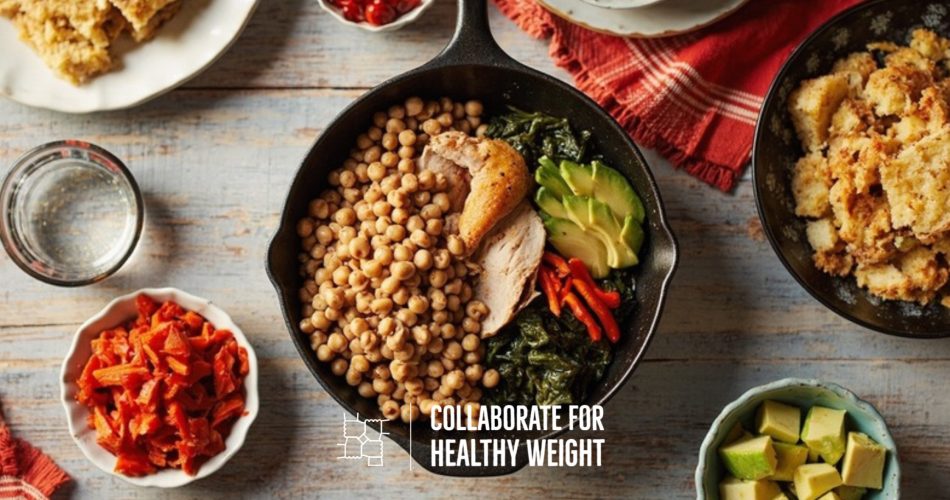
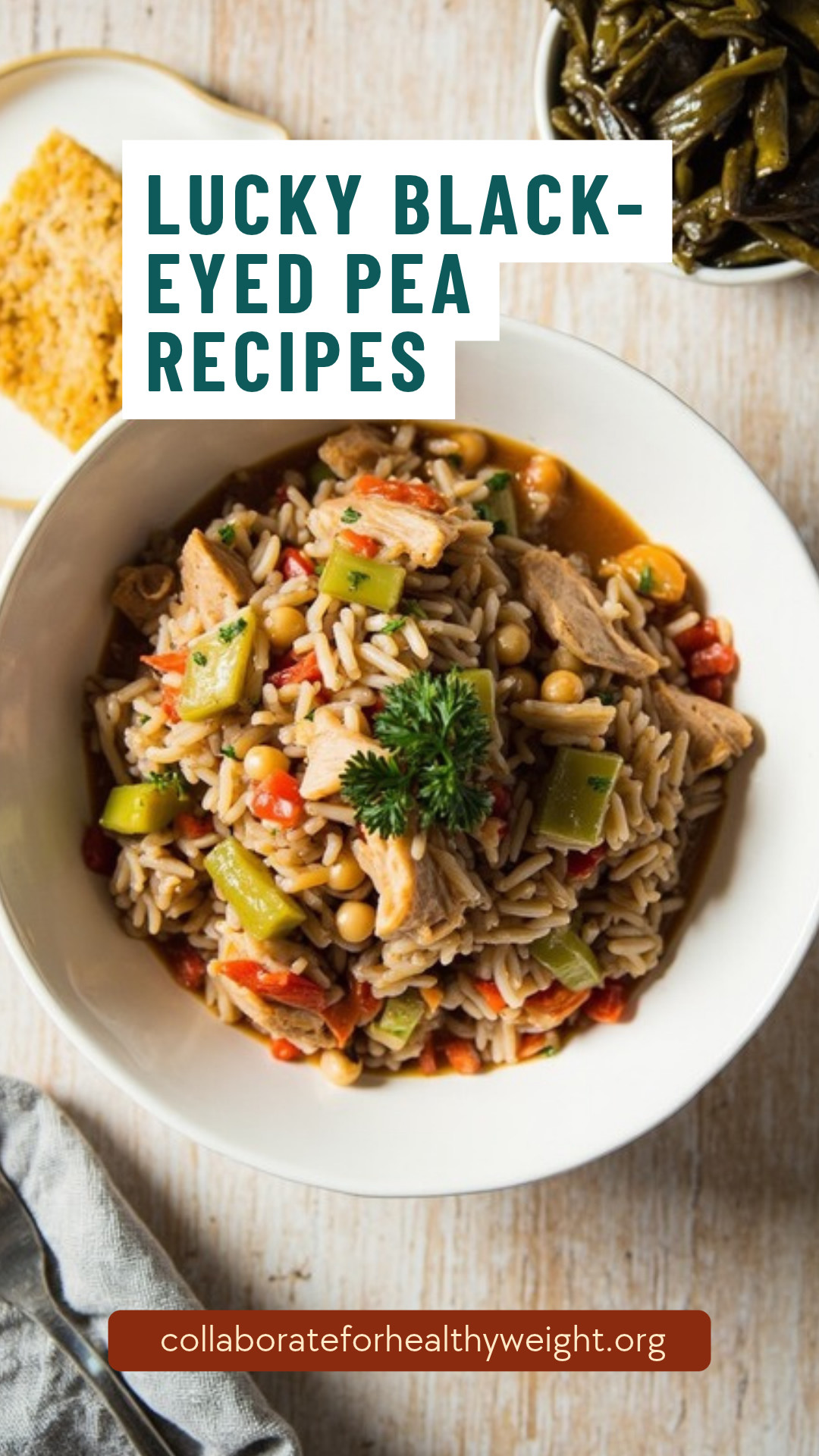
On New Year’s Day, millions of people eat black-eyed peas, leafy greens and cornbread for luck and prosperity. The good news for your health goals is that these foods are rich in fiber, plant protein and folate. The 10 recipes below keep the tradition and lighten the usual heavy, fatty cooking. Each recipe includes calories, protein, fiber and sodium per serving calculated from USDA FoodData Central values.
The Meaning Behind the Meal
The tradition is usually explained like this: black-eyed peas stand for coins, greens stand for paper money, and cornbread stands for gold. Food historians trace the custom to West African foodways carried to the American South, and some accounts also link it to Jewish New Year customs involving black-eyed peas. Whatever the exact origin, the dish is now a Southern New Year’s Day staple, often served as Hoppin’ John.
Why These Foods Are Worth Eating
- Black-eyed peas supply plant protein and fiber, which help you feel full.
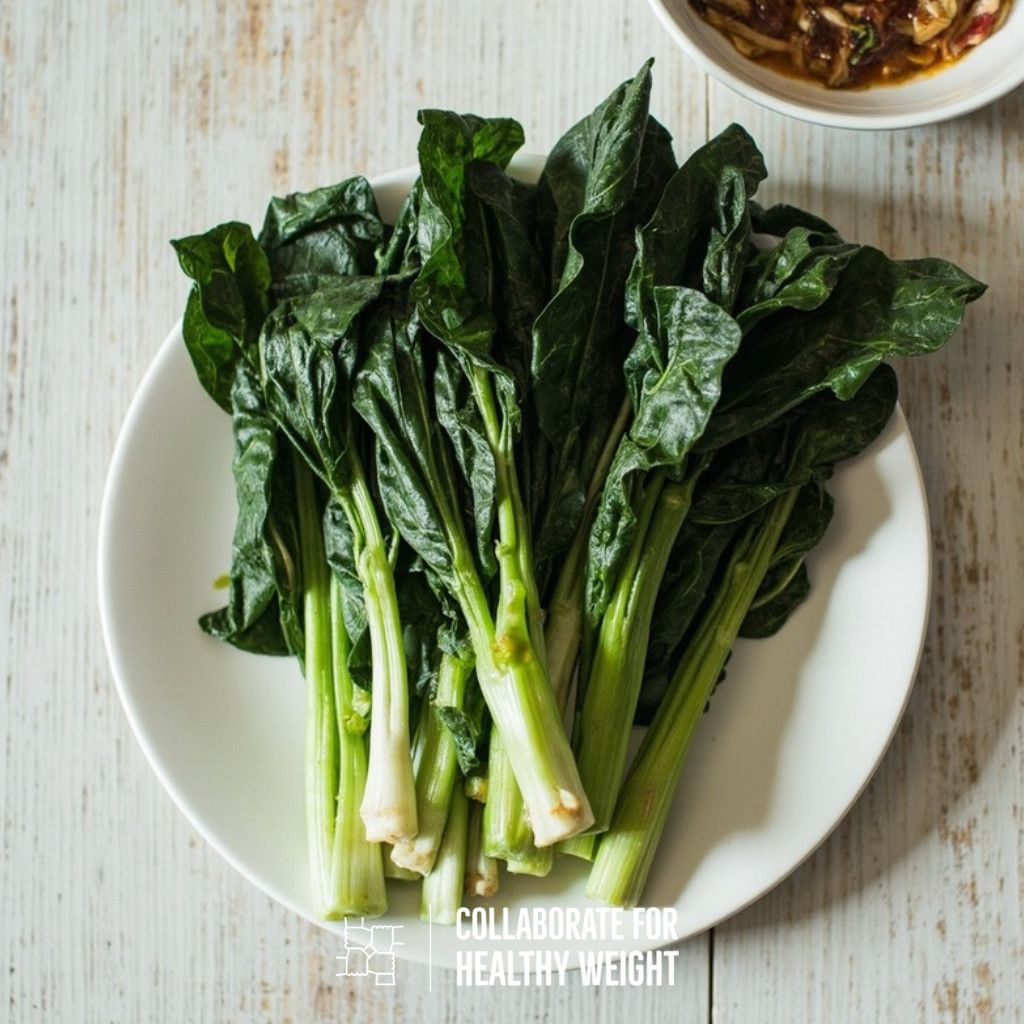
- Collards, kale and mustard greens are low in calories and add vitamins and minerals.
- Our guides to high-fiber foods, foods high in iron and foods high in folate show where legumes and greens rank.
Tip: Cut the Sodium in Canned Peas
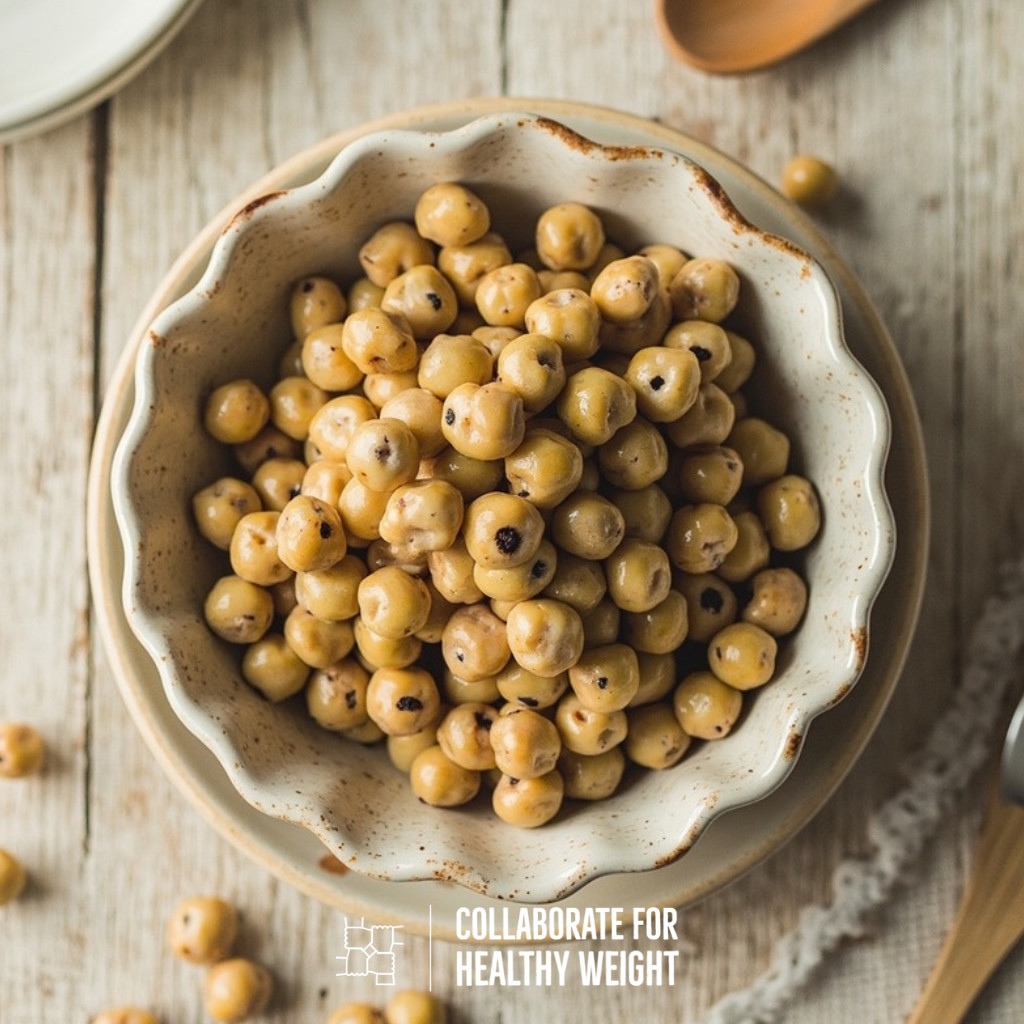
If you use canned black-eyed peas, drain and rinse them. Research reported by Today’s Dietitian found that draining and rinsing canned beans cuts sodium by about 41 percent. The numbers below use cooked peas without added salt, and the sodium figures exclude any salt you add at the table.
10 Healthy Good Luck Recipes
All nutrition is per serving. Servings are approximate, and the smoked turkey breast stands in for traditional smoked pork.
1. Lighter Hoppin’ John
Peas and rice with smoked turkey instead of fatty pork.
- Serves about 6
- Ingredients: 480 g cooked black-eyed peas, 400 g cooked brown rice, 100 g onion, 120 g red pepper, 60 g celery, 10 g garlic, 100 g smoked turkey breast, 15 g olive oil
- Method: Sauté the onion, pepper, celery and garlic in the olive oil, add the diced turkey, peas and rice, and heat through with your favorite spices.
- Per serving: about 229 calories, 12.1 g protein, 7.2 g fiber, 209 mg sodium
2. Black-Eyed Pea and Collard Soup
A warming soup that is mostly vegetables and beans.
- Serves about 6
- Ingredients: 400 g cooked peas, 150 g raw collards, 100 g onion, 100 g carrot, 60 g celery, 10 g garlic, 15 g olive oil, 600 g low-sodium chicken broth, 200 g crushed tomatoes
- Method: Soften the vegetables in the oil, add the broth, tomatoes and peas, simmer, then stir in the chopped collards until tender.
- Per serving: about 152 calories, 9.0 g protein, 6.9 g fiber, 119 mg sodium
3. Texas Caviar (Black-Eyed Pea Salad)
A cold salad that works as a dip or a side.
- Serves about 8
- Ingredients: 480 g cooked peas, 150 g red pepper, 150 g tomato, 60 g onion, 150 g avocado, 30 g lemon juice, 15 g olive oil
- Method: Chop everything, toss with the lemon juice and olive oil and chill for an hour.
- Per serving: about 130 calories, 5.5 g protein, 5.9 g fiber, 6 mg sodium
4. Collard Greens with Smoked Turkey
Slow-simmered greens without the pound of bacon fat.
- Serves about 6
- Ingredients: 600 g raw collards, 100 g smoked turkey breast, 80 g onion, 10 g garlic, 15 g apple cider vinegar, 250 g low-sodium broth, 10 g olive oil
- Method: Sauté the onion and garlic, add the turkey, broth and collards, cover and simmer until tender, then finish with the vinegar.
- Per serving: about 78 calories, 7.6 g protein, 4.3 g fiber, 224 mg sodium
5. Garlic-Lemon Sautéed Kale
A quick 10-minute green side.
- Serves about 4
- Ingredients: 400 g raw kale, 15 g garlic, 20 g olive oil, 30 g lemon juice
- Method: Warm the garlic in the oil, add the kale until wilted and finish with the lemon juice.
- Per serving: about 86 calories, 3.2 g protein, 4.2 g fiber, 54 mg sodium
6. Black-Eyed Pea Stuffed Sweet Potatoes
A full meal in a potato skin.
- Serves about 4
- Ingredients: 800 g baked sweet potato, 400 g cooked peas, 100 g raw kale, 60 g onion, 10 g olive oil, 100 g nonfat Greek yogurt
- Method: Sauté the onion and kale, fold in the peas, spoon over the split potatoes and top with yogurt.
- Per serving: about 348 calories, 15.2 g protein, 14.4 g fiber, 99 mg sodium
7. Mustard Greens and Cabbage Sauté
Peppery greens balanced with sweet cabbage.
- Serves about 4
- Ingredients: 300 g mustard greens, 300 g cabbage, 80 g onion, 10 g garlic, 15 g olive oil, 15 g apple cider vinegar
- Method: Sauté the onion and garlic, add the cabbage and greens until tender, then add the vinegar.
- Per serving: about 85 calories, 3.5 g protein, 4.7 g fiber, 30 mg sodium
8. Lighter Skillet Cornbread
Yogurt replaces much of the fat, and the cornbread still stays golden. The nutrition below does not include baking powder.
- Serves 9 slices
- Ingredients: 150 g yellow cornmeal, 200 g nonfat Greek yogurt, 100 g egg, 120 g 2 percent milk, 30 g olive oil, baking powder
- Method: Mix, pour into a hot oiled skillet and bake until set and golden.
- Per slice: about 127 calories, 5.3 g protein, 0.6 g fiber, 31 mg sodium
9. Baked Black-Eyed Pea Cakes with Yogurt Sauce
Crisp on the outside, soft inside, and baked instead of fried.
- Serves about 4 (2 cakes each, 8 total)
- Ingredients: 400 g cooked peas, 50 g egg, 40 g oats, 60 g onion, 60 g pepper, 6 g garlic, 20 g olive oil, 80 g nonfat Greek yogurt for the sauce
- Method: Mash the peas with the egg, oats and chopped vegetables, shape into cakes and bake until browned. Serve with seasoned yogurt.
- Per serving: about 240 calories, 13.1 g protein, 8.1 g fiber, 31 mg sodium
10. Vegan Black-Eyed Pea, Sweet Potato and Collard Stew
A hearty plant-based pot. For a full plant-based week, see our 7-day vegan meal plan.
- Serves about 5
- Ingredients: 400 g cooked peas, 300 g baked sweet potato, 200 g raw collards, 100 g onion, 250 g crushed tomatoes, 10 g garlic, 15 g olive oil, 500 g low-sodium broth
- Method: Soften the onion and garlic, add the tomatoes, broth, peas and sweet potato, simmer, then add the collards until tender.
- Per serving: about 229 calories, 11.8 g protein, 10.1 g fiber, 156 mg sodium
Nutrition Summary Table
| Recipe | Calories | Protein (g) | Fiber (g) | Sodium (mg) |
|---|---|---|---|---|
| Lighter Hoppin’ John | 229 | 12.1 | 7.2 | 209 |
| Pea and collard soup | 152 | 9.0 | 6.9 | 119 |
| Texas caviar | 130 | 5.5 | 5.9 | 6 |
| Collards with smoked turkey | 78 | 7.6 | 4.3 | 224 |
| Garlic-lemon kale | 86 | 3.2 | 4.2 | 54 |
| Stuffed sweet potatoes | 348 | 15.2 | 14.4 | 99 |
| Mustard greens and cabbage | 85 | 3.5 | 4.7 | 30 |
| Lighter skillet cornbread (slice) | 127 | 5.3 | 0.6 | 31 |
| Baked black-eyed pea cakes | 240 | 13.1 | 8.1 | 31 |
| Vegan pea, sweet potato and collard stew | 229 | 11.8 | 10.1 | 156 |
A Simple New Year’s Day Menu
For about 6 people, serve lighter Hoppin’ John, collard greens with smoked turkey, a slice of skillet cornbread and a bowl of Texas caviar.
- Pantry: dried or canned black-eyed peas, brown rice, cornmeal, olive oil, apple cider vinegar
- Produce: collards, onions, red peppers, celery, garlic, tomatoes, avocado, lemons
- Protein and dairy: smoked turkey breast, eggs, nonfat Greek yogurt, 2 percent milk
Planning the week after? Our 7-day January reset meal plan and the guide to healthy New Year’s resolutions pick up where this menu leaves off. If the holidays got away from you, read how to get back on track after Christmas.
Frequently Asked Questions
Do I have to eat the foods for good luck to work?
It is a tradition, not a guarantee. The real benefit is a fiber-rich, plant-forward meal to start the year.
Can I use canned black-eyed peas?
Yes. Drain and rinse them to cut sodium, then use them in any recipe above.
Which recipe is highest in fiber?
The stuffed sweet potatoes at about 14.4 g per serving, followed by the vegan stew at about 10.1 g.
Are these recipes vegetarian?
Texas caviar, kale, mustard greens and the vegan stew are plant-based. For Hoppin’ John, the pea soup and the collards, simply skip the smoked turkey and add smoked paprika for flavor.
The Bottom Line
Black-eyed peas, greens and cornbread give you a tradition worth keeping and a fiber-rich start to the year. Lighten the cooking, rinse your canned peas, and enjoy the luck.
This article is for general information only and is not medical advice. Nutrition values are estimates based on USDA data and will vary by brand and portion. Talk to your doctor or a registered dietitian about your own needs.