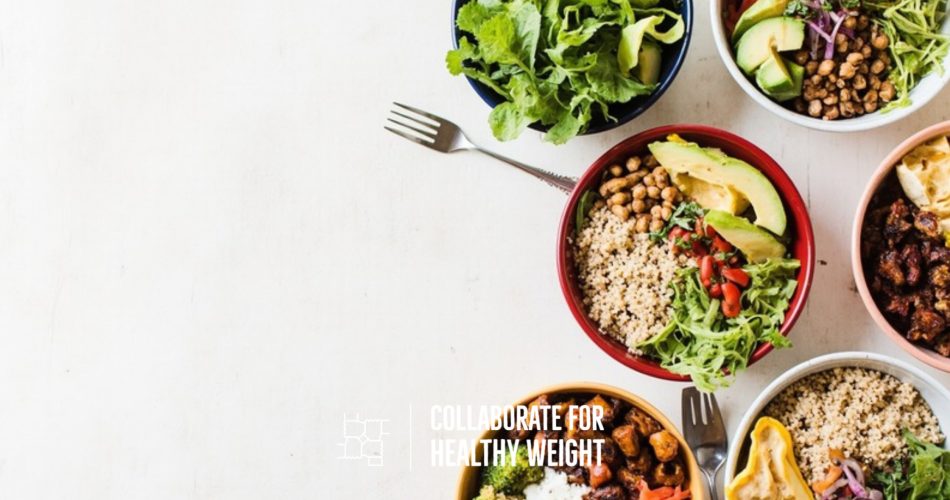
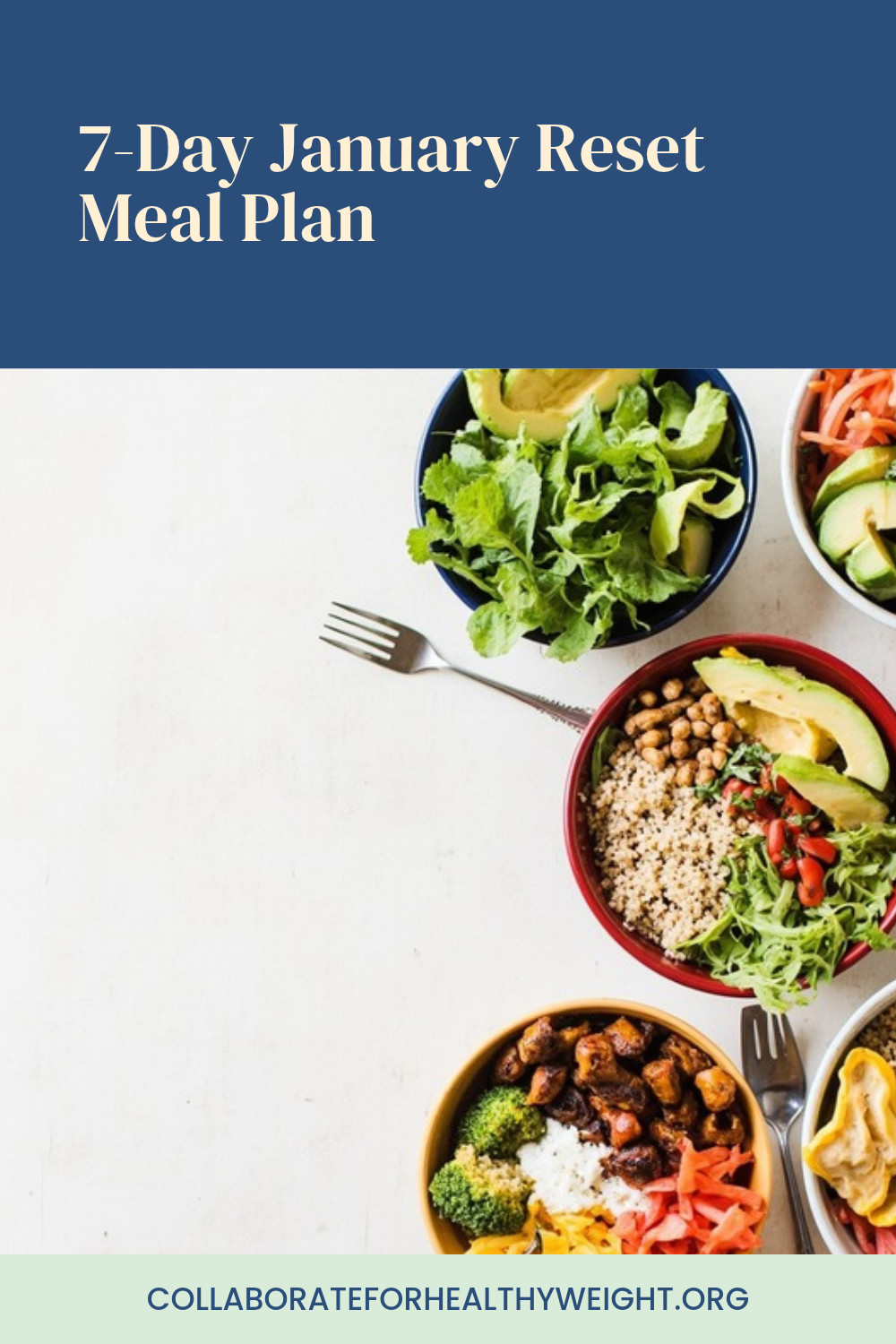
After weeks of parties, leftovers and late dinners, most people do not need a punishing diet in January. You need a simple week of regular meals that feels normal again. This 7-day January reset meal plan gives you three meals and a snack each day, a full grocery list, and nutrition numbers calculated from USDA food data so you can see what you are actually eating.
The plan leans on the same pattern the Dietary Guidelines for Americans point to: whole, nutrient-dense foods such as vegetables, fruit, whole grains, dairy, protein foods and healthy fats. Nothing here is exotic, and every ingredient is reused across the week so your shopping stays short.
How This Reset Plan Works
Think of it as a base plan, not a prescription. Here are the ideas behind it:
- Every meal has a protein source, so you stay full between meals.
- Every day includes at least two servings of vegetables and one or two pieces of fruit.
- Carbs come mostly from oats, quinoa, brown rice, whole-wheat bread and beans.
- Ingredients repeat on purpose, so one cooked batch of chicken, rice or lentils covers several meals.
- Nothing is banned. If you want a treat, add it without guilt.
The plan averages about 1,465 calories a day, with roughly 102 g of protein and 34 g of fiber. Your needs depend on your size, age, activity and health, so treat the numbers as a starting point. If you are hungry, add the optional extras listed below the table. If you have a medical condition or take medication, check with your doctor or a registered dietitian before changing how you eat.
The 7-Day Meal Plan
| Day | Breakfast | Lunch | Dinner | Snack |
|---|---|---|---|---|
| 1 | Oats with milk, blueberries and almonds | Chicken quinoa salad with cucumber, tomato and spinach | Baked salmon, broccoli and sweet potato | Greek yogurt and an apple |
| 2 | 2-egg scramble with spinach and mushrooms, 2 slices toast | Lentil soup with carrot, onion and tomato, plus 1 slice toast | Turkey and black bean chili over brown rice | Apple with peanut butter |
| 3 | Greek yogurt with blueberries and almonds | Tuna sandwich with romaine and tomato | Chicken, broccoli, pepper and mushroom stir-fry with rice | Carrot sticks with hummus |
| 4 | Oats with milk, banana and peanut butter | Chickpea, cucumber, tomato and feta salad on romaine | Tofu, kale and pepper stir-fry with rice | Cottage cheese and an orange |
| 5 | 2 hard-boiled eggs, toast with avocado and tomato | Turkey and black bean rice bowl with tomato, avocado and romaine | Baked salmon with quinoa and zucchini | Greek yogurt with almonds |
| 6 | Cottage cheese with blueberries, almonds and banana | Chicken pasta salad with carrot, kale, onion and tomato | Lentils with sweet potato, spinach and feta | Apple with peanut butter |
| 7 | Egg scramble with pepper, spinach and mushrooms, plus an orange | Tuna chickpea salad on romaine with half a slice of toast | Roast chicken, sweet potato and broccoli | Greek yogurt with a banana |
Cook with a little olive oil (about 1 teaspoon per meal that needs it) and season freely with herbs, spices, lemon, garlic and pepper.
Daily Nutrition Numbers
These totals were calculated from USDA FoodData Central values for the exact portions in the plan. Sodium is before any salt you add at the table or while cooking, so your real number will be higher.
| Day | Calories | Protein | Fiber | Sodium (before added salt) |
|---|---|---|---|---|
| Day 1 | 1,455 | 105 g | 27 g | 455 mg |
| Day 2 | 1,545 | 96 g | 50 g | 1,171 mg |
| Day 3 | 1,306 | 107 g | 24 g | 871 mg |
| Day 4 | 1,454 | 72 g | 32 g | 952 mg |
| Day 5 | 1,678 | 119 g | 32 g | 652 mg |
| Day 6 | 1,479 | 96 g | 42 g | 1,209 mg |
| Day 7 | 1,338 | 115 g | 30 g | 623 mg |
| Average | 1,465 | 102 g | 34 g | 848 mg |
Day 2 and Day 6 are the highest in fiber because of the lentils. If lentils are new to you, ease in and drink plenty of water. Day 4 is the lowest in protein because it is the tofu day, so add an extra egg or more cottage cheese if you want it higher.
Easy Add-Ons if You Need More Food
- An extra slice of whole-wheat toast with peanut butter
- A small handful of almonds
- An extra teaspoon of olive oil on your vegetables
- A larger scoop of rice, quinoa or oats
- A piece of fruit with any meal
Plans that leave you constantly hungry rarely last. If you are underfed, adjust upward. If you are more active or taller, you will probably need more than this base plan provides.
The Grocery List
Quantities below cover the whole week for one person. Cooked weights in the plan were converted to dry or raw amounts, and rounded to practical package sizes.
Produce
- Blueberries: about 1.5 cups (225 g), fresh or frozen
- Apples: 3 medium
- Bananas: 3
- Oranges: 2
- Avocado: 1
- Tomatoes: about 5 medium (540 g)
- Cucumbers: 2
- Spinach: 1 small bag (150 g)
- Romaine lettuce: 1 small head (150 g)
- Kale: 1 small bunch (100 g)
- Broccoli: 1 large head (about 420 g)
- Sweet potatoes: 3 medium (450 g)
- Carrots: 4 medium (about 290 g)
- Bell peppers: 3 (300 g)
- Mushrooms: 1 small pack (160 g)
- Zucchini: 1 small
- Onions: 2 small (140 g)
Protein
- Chicken breast: about 1.3 lb (600 g) raw
- Salmon fillets: 2 (120 g each)
- Ground turkey: about 270 g raw
- Canned light tuna: 2 cans
- Eggs: 6 large
- Firm tofu: 1 block (you will use about half)
Dairy
- Nonfat Greek yogurt: about 700 g tub
- Milk (2%): 360 ml (a small carton)
- Cottage cheese (2%): about 350 g
- Feta: a small piece (56 g)
Grains, Beans and Pantry
- Rolled oats: 80 g
- Quinoa: about 100 g dry
- Brown rice: about 165 g dry
- Whole-wheat pasta: about 45 g dry
- Whole-wheat bread: 8 slices
- Dried lentils: about 130 g (2/3 cup)
- Black beans: 1 can
- Chickpeas: 1 can
- Crushed tomatoes: 1 small can (250 g)
- Almonds: 62 g
- Peanut butter: 3 tablespoons (48 g)
- Hummus: 60 g
- Olive oil: about 6 tablespoons for the week
- Herbs, spices, garlic and lemons: as you like

Prep Tips That Make the Week Easier
You do not need a four-hour Sunday prep session. About an hour is enough.
- Cook the rice, quinoa and lentils in one batch on Sunday. You will use them on several days.
- Bake all the chicken at once, then slice it for salads, stir-fries and pasta.
- Hard-boil your 2 eggs for Day 5 ahead of time, and wash and chop the greens.
- Make the chili on Day 2 and save the leftovers for the Day 5 rice bowl.
- Portion the snacks into containers so they are grab-and-go.
- Swap days freely. The plan works in any order.
How to Adjust the Plan
- For a vegetarian week, replace chicken, turkey, tuna and salmon with tofu, beans, eggs and extra yogurt.
- If you do not eat dairy, use fortified plant milk and swap yogurt for a soy yogurt.
- If you have allergies, remove the almonds, peanut butter or fish and replace them with something safe for you.
- If you are following a medical diet, ask your care team before using this plan. For a plant-based version, see our 7-day vegan meal plan, and for blood sugar concerns, our 7-day diabetic diet meal plan.
After the Week Ends
A reset week is useful because it makes eating feel normal again, not because seven days will change your body. The habits are what count. If you want to keep the momentum, repeat the plan, swap in new vegetables, or build on it with our guide to getting back on track after Christmas. If you are worried about the scale after the holidays, our article on holiday weight gain explains what is typical, and realistic weight loss goals will help you set a pace you can keep. Pair the plan with easy movement, like daily walking, and keep high-protein snacks on hand for busy afternoons.
Frequently Asked Questions
Is this a weight loss plan?
It is a balanced reset plan that many people will find lower in calories than their holiday eating. Whether you lose weight depends on your needs and what you eat outside the plan. It is not designed as a crash diet.
Can I swap meals between days?
Yes. Meals use the same ingredients, so you can rearrange the days or repeat your favorite lunches without changing the grocery list much.
Do I have to eat the snack?
No. The snack is there to prevent late-afternoon hunger. Skip it if you are not hungry, or use it as a dessert.
Is the sodium low?
The numbers shown are before adding salt. Canned beans, tuna, hummus, bread and feta add sodium, so rinse canned beans and go easy on added salt if you are watching your intake.
Can I use frozen vegetables and fruit?
Yes. Frozen blueberries, broccoli, spinach and peppers are convenient and work well in this plan.
The Bottom Line
A January reset does not need to be harsh. Seven days of simple meals built around vegetables, fruit, whole grains and protein, with a short grocery list and an hour of prep, is enough to feel back in control. Use the numbers as a guide, add food if you are hungry, and repeat the week as often as it helps.
This article is for general information and is not medical advice. Talk to your doctor or a registered dietitian before changing your diet, especially if you have a medical condition, are pregnant, or take medication.