Transform your body composition and athletic performance with this science-backed approach to strategic carbohydrate manipulation
In the ever-evolving landscape of nutrition and fitness, few strategies have generated as much interest and proven results as carb cycling. This intelligent approach to nutrition timing has transformed from a niche bodybuilding secret into a mainstream method embraced by athletes, fitness enthusiasts, and anyone seeking to optimize their body composition while maintaining performance. Unlike rigid diets that prescribe the same macronutrient ratios day after day, carb cycling recognizes that our bodies’ nutritional needs fluctuate based on activity levels, training intensity, and metabolic demands.
The beauty of carb cycling lies in its flexibility and physiological logic. On days when you’re crushing high-intensity workouts or heavy lifting sessions, your carbohydrate intake increases to fuel performance and support recovery. On rest days or during low-intensity activity periods, carbohydrates decrease while fat intake rises, promoting fat oxidation and metabolic flexibility. This rhythmic variation in macronutrient intake creates a metabolic environment that supports both performance and body composition goals simultaneously, something that static diets often struggle to achieve.
What makes carb cycling particularly appealing is its sustainability and real-world applicability. Rather than feeling deprived or constantly fighting cravings, you strategically time higher-carb meals around your training, creating a nutrition plan that works with your body’s natural rhythms rather than against them. This approach transforms nutrition from a source of stress into a performance tool, allowing you to enjoy carbohydrate-rich foods guilt-free on appropriate days while developing metabolic flexibility through lower-carb periods.
The Science Behind Carb Cycling
Understanding why carb cycling works requires examining the complex interplay between carbohydrate availability, glycogen storage, hormone regulation, and metabolic adaptation. The human body possesses remarkable metabolic flexibility, meaning it can efficiently switch between using carbohydrates and fats for fuel depending on availability and demand. Carb cycling deliberately manipulates this flexibility to optimize both performance during high-intensity training and fat oxidation during lower-intensity periods or rest days.
Research published in the Journal of the International Society of Sports Nutrition demonstrates that periodizing carbohydrate intake around training can enhance athletic performance while supporting favorable body composition changes. The strategic timing of carbohydrates ensures glucose availability when needed most for performance while allowing periods of lower carbohydrate availability that can enhance metabolic adaptations and fat oxidation capacity.
The hormonal effects of carb cycling play a crucial role in its effectiveness. Carbohydrate intake significantly influences insulin secretion, a hormone that promotes nutrient storage and muscle protein synthesis but can also inhibit fat oxidation when chronically elevated. By cycling between higher and lower carbohydrate intakes, you create periods of elevated insulin that support muscle growth and recovery, alternating with periods of lower insulin that promote fat mobilization and oxidation. Studies in Metabolism: Clinical and Experimental indicate that alternating between higher and lower carbohydrate intakes can help maintain leptin levels and metabolic rate during calorie restriction, potentially preventing the metabolic adaptation that often accompanies traditional dieting.
Another critical mechanism involves glycogen depletion and repletion cycles. Training in a glycogen-depleted state can enhance mitochondrial adaptations and fat oxidation capacity, while carbohydrate loading maximizes glycogen stores for subsequent high-intensity performance. Research in Sports Medicine has explored the concept of “training low, competing high,” demonstrating that strategic manipulation of carbohydrate availability can optimize both training adaptations and performance outcomes.

Understanding the Three Phases of Carb Cycling
Successful carb cycling revolves around three distinct nutritional phases, each designed to align with specific training demands and metabolic goals. Understanding these phases and how to implement them forms the foundation of effective carb cycling practice.
High-Carb Days: Fuel for Performance
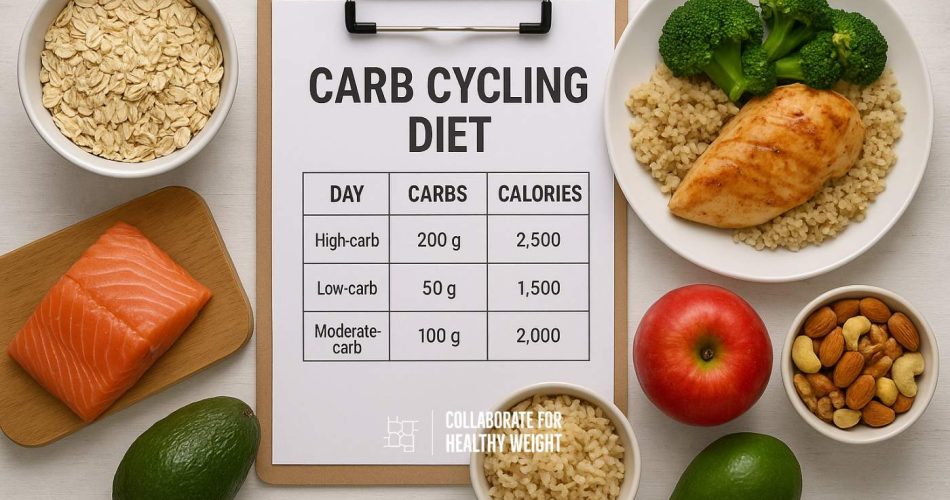
High-carb days align with your most demanding training sessions, typically heavy strength training, high-intensity interval training, or long endurance workouts that deplete glycogen stores significantly. These days prioritize carbohydrate intake to fuel performance, support recovery, and replenish depleted glycogen stores.
Macronutrient Targets (for a 150-pound individual):
- Carbohydrates: 200-250 grams (2.5-3g per pound bodyweight)
- Protein: 120-150 grams (0.8-1g per pound bodyweight)
- Fat: 30-50 grams (minimal, just essential fats)
Training Focus:
- Heavy compound lifting (squats, deadlifts, bench press)
- High-intensity interval training
- Long endurance sessions
- Sport-specific high-intensity practice
Timing Strategy: The majority of carbohydrates should surround your training window, with substantial portions consumed 2-3 hours before training and immediately post-workout. This timing maximizes glycogen availability during training while capitalizing on enhanced insulin sensitivity post-exercise for optimal recovery.
Moderate-Carb Days: Balanced Approach
Moderate-carb days provide a middle ground, typically scheduled for moderate-intensity training, active recovery sessions, or when you have multiple shorter training sessions throughout the day. These days maintain adequate carbohydrate intake to support training while not reaching the levels of high-carb days.
Macronutrient Targets (for a 150-pound individual):
- Carbohydrates: 100-150 grams (1-1.5g per pound bodyweight)
- Protein: 120-150 grams (0.8-1g per pound bodyweight)
- Fat: 50-70 grams (moderate amounts)
Training Focus:
- Moderate-intensity cardio
- Technical skill work
- Moderate volume strength training
- Active recovery sessions
Low-Carb Days: Metabolic Flexibility
Low-carb days align with rest days, very light activity, or strategic depletion periods designed to enhance fat oxidation and metabolic flexibility. These days shift the metabolic focus toward fat utilization while maintaining adequate protein for muscle preservation.
Macronutrient Targets (for a 150-pound individual):
- Carbohydrates: 50-75 grams (primarily from vegetables)
- Protein: 120-150 grams (0.8-1g per pound bodyweight)
- Fat: 80-100 grams (higher amounts for satiety and energy)
Activity Focus:
- Complete rest days
- Light walking or stretching
- Low-intensity steady-state cardio
- Yoga or mobility work
Research in Nutrients demonstrates that distributing protein intake evenly throughout the day optimizes muscle protein synthesis, making consistent protein intake across all carb phases crucial for preserving lean muscle mass.
Sample 7-Day Carb Cycling Plan
Understanding the theory behind carb cycling is one thing; implementing it effectively requires concrete planning. This sample weekly structure provides a practical template that you can customize based on your training schedule, goals, and individual response.
Monday: High-Carb Day (Heavy Lower Body)
- Morning: Leg day (squats, deadlifts, leg press)
- Carbs: 225g | Protein: 140g | Fat: 40g
- Total Calories: ~1,780
Tuesday: Low-Carb Day (Active Recovery)
- Morning: Light yoga or walking
- Carbs: 60g | Protein: 140g | Fat: 90g
- Total Calories: ~1,470
Wednesday: Moderate-Carb Day (Upper Body)
- Morning: Upper body strength training
- Carbs: 130g | Protein: 140g | Fat: 60g
- Total Calories: ~1,580
Thursday: High-Carb Day (HIIT Training)
- Morning: High-intensity interval training
- Carbs: 225g | Protein: 140g | Fat: 40g
- Total Calories: ~1,780
Friday: Low-Carb Day (Rest)
- Complete rest or light stretching
- Carbs: 60g | Protein: 140g | Fat: 90g
- Total Calories: ~1,470
Saturday: High-Carb Day (Full Body)
- Morning: Full body strength training
- Carbs: 225g | Protein: 140g | Fat: 40g
- Total Calories: ~1,780
Sunday: Low-Carb Day (Active Recovery)
- Afternoon: Light cardio or recreational activity
- Carbs: 60g | Protein: 140g | Fat: 90g
- Total Calories: ~1,470
Weekly Averages:
- Carbohydrates: 140g per day
- Protein: 140g per day
- Fat: 64g per day
- Total Calories: ~1,620 per day
This structure provides three high-carb days for intense training, one moderate-carb day for balanced work, and three low-carb days for recovery and metabolic flexibility. Adjust the specific days based on your training schedule, always aligning high-carb days with your most demanding sessions.
Carb Cycling Meal Plans and Recipes
Translating macronutrient targets into actual meals is where many people struggle with carb cycling. These detailed meal plans and recipes provide practical guidance for each phase, showing exactly how to hit your targets while enjoying delicious, satisfying foods.
High-Carb Day Sample Meal Plan
Breakfast (7:00 AM, Pre-Workout): Banana Protein Pancakes

Ingredients:
- 2 large eggs
- 1 large banana, mashed
- 1/2 cup rolled oats
- 1 scoop vanilla protein powder
- 1/2 tsp cinnamon
- 1/2 tsp baking powder
- Coconut oil spray for cooking
Instructions:
- Blend all ingredients until smooth
- Heat the pan with coconut oil spray over medium heat
- Pour batter to form 4-5 pancakes
- Cook 2-3 minutes per side until golden
Topping: 1 tbsp pure maple syrup, 1/2 cup fresh berries
Macros: 65g carbs, 35g protein, 10g fat
Pre-Workout Snack (9:30 AM):
- 1 medium apple
- 1 tbsp almond butter
Macros: 30g carbs, 4g protein, 8g fat
Post-Workout Lunch (12:00 PM): Grilled Chicken with Sweet Potato and Vegetables

Ingredients:
- 6 oz grilled chicken breast
- 1 large sweet potato (8 oz), roasted
- 2 cups mixed vegetables (broccoli, bell peppers)
- 1 tsp olive oil for vegetables
- Salt, pepper, and garlic powder to taste
Instructions:
- Season chicken with salt, pepper, and garlic powder
- Grill chicken 6-7 minutes per side until internal temp reaches 165°F
- Pierce the sweet potato with a fork, wrap it in foil
- Roast sweet potato at 400°F for 45-50 minutes
- Sauté vegetables with olive oil until tender-crisp
Macros: 60g carbs, 50g protein, 8g fat
Afternoon Snack (3:00 PM): Greek Yogurt Berry Bowl
- 1 cup plain Greek yogurt (non-fat)
- 1/2 cup blueberries
- 2 tbsp honey
- 1 tbsp sliced almonds
Macros: 45g carbs, 20g protein, 3g fat
Dinner (6:30 PM): Turkey Quinoa Power Bowl

Ingredients:
- 5 oz ground turkey (93% lean)
- 1 cup cooked quinoa
- 1 cup fresh spinach
- 1/2 cup cherry tomatoes, halved
- 1/4 avocado, sliced
- 2 tbsp salsa
- Lime wedge
Instructions:
- Cook quinoa according to package directions
- Brown ground turkey in pan with minimal oil
- Season turkey with cumin, chili powder, salt
- Add spinach to turkey, cook until wilted
- Build bowl: quinoa base, turkey-spinach mixture, tomatoes, avocado, salsa
- Squeeze lime over top
Macros: 50g carbs, 45g protein, 12g fat
Evening Snack (optional, 8:30 PM):
- 2 rice cakes
- 1 tbsp peanut butter
Macros: 20g carbs, 5g protein, 8g fat
Daily Total: 270g carbs, 159g protein, 49g fat (2,049 calories)
Moderate-Carb Day Sample Meal Plan
Breakfast (7:00 AM): Veggie Egg Scramble with Toast

Ingredients:
- 3 whole eggs
- 1 cup mixed vegetables (bell peppers, onions, mushrooms)
- 1 slice whole-grain toast
- 1 tsp butter for cooking
- 1/4 avocado, sliced
Instructions:
- Sauté diced vegetables in 1/2 tsp butter until soft
- Beat eggs with salt and pepper
- Add eggs to vegetables, scramble until cooked
- Toast bread, spread with the remaining butter
- Serve scrambled with toast and avocado
Macros: 25g carbs, 22g protein, 20g fat
Mid-Morning Snack (10:00 AM):
- 1 medium banana
- 1 oz almonds (about 23 almonds)
Macros: 30g carbs, 6g protein, 14g fat
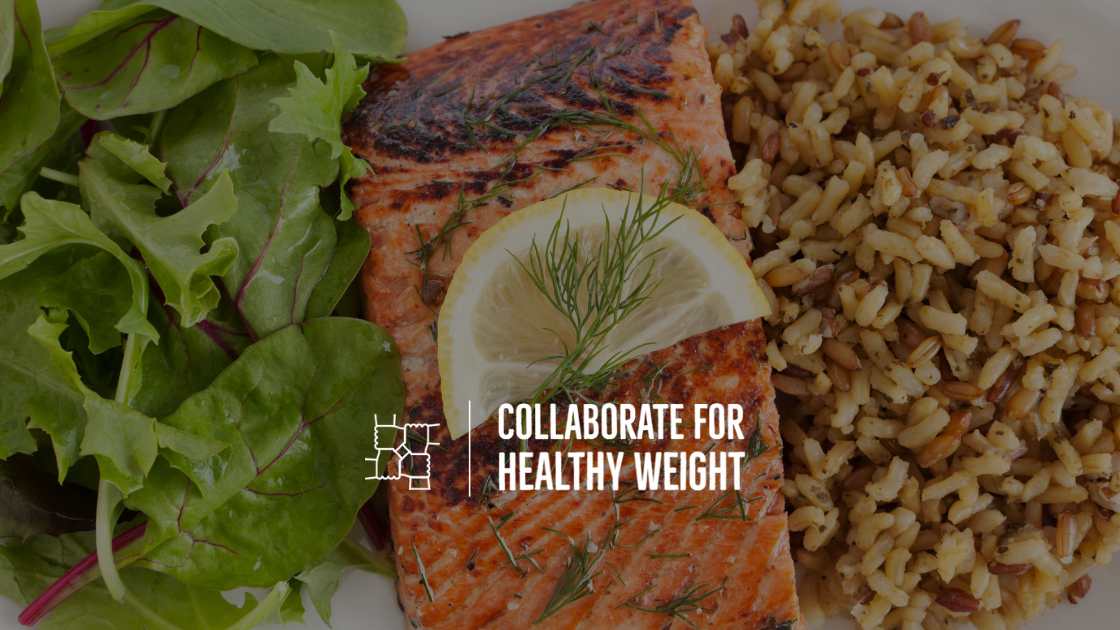
Lunch (1:00 PM): Salmon Salad with Brown Rice
Ingredients:
- 5 oz grilled or baked salmon
- 2 cups mixed salad greens
- 1/2 cup cooked brown rice (cooled)
- 1/2 cup cucumber, diced
- 1/4 cup shredded carrots
- 2 tbsp balsamic vinaigrette
- Lemon wedge
Instructions:
- Season salmon with salt, pepper, and dill
- Bake at 400°F for 12-15 minutes or grill 4-5 minutes per side
- Toss greens with cucumber and carrots
- Top salad with brown rice and flaked salmon
- Drizzle with vinaigrette and squeeze lemon
Macros: 28g carbs, 38g protein, 18g fat
Afternoon Snack (4:00 PM): Apple with Cheese
- 1 medium apple, sliced
- 1.5 oz low-fat cheddar cheese
Macros: 25g carbs, 10g protein, 7g fat
Dinner (7:00 PM): Beef Stir-Fry with Jasmine Rice
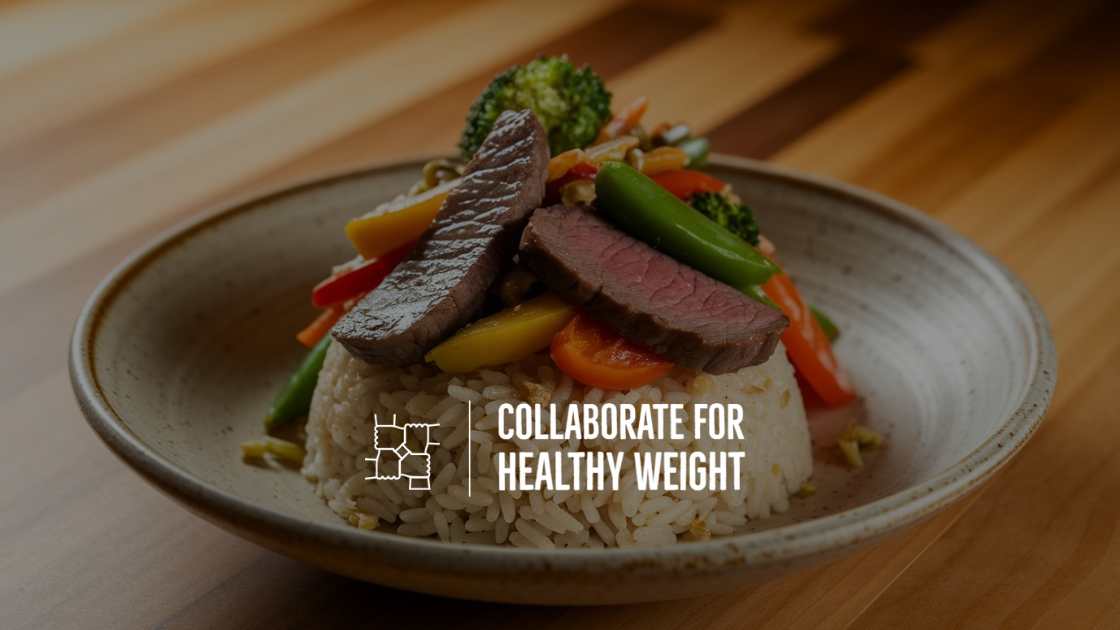
Ingredients:
- 5 oz lean beef sirloin, thinly sliced
- 2 cups mixed stir-fry vegetables (broccoli, snap peas, carrots, bell peppers)
- 1/2 cup cooked jasmine rice
- 2 tsp sesame oil
- 2 tbsp low-sodium soy sauce or coconut aminos
- 1 tsp fresh ginger, minced
- 1 clove garlic, minced
Instructions:
- Heat 1 tsp sesame oil in a wok over high heat
- Add beef, cook 2-3 minutes until browned, remove
- Add remaining oil, ginger, and garlic, and cook for 30 seconds
- Add vegetables, stir-fry 4-5 minutes until tender-crisp
- Return beef to wok, add soy sauce, toss to combine
- Serve over jasmine rice
Macros: 35g carbs, 40g protein, 16g fat
Daily Total: 143g carbs, 116g protein, 75g fat (1,627 calories)
Low-Carb Day Sample Meal Plan
Breakfast (7:30 AM): Spinach and Cheese Omelet with Avocado

Ingredients:
- 3 whole eggs
- 2 cups fresh spinach
- 1 oz sharp cheddar cheese, shredded
- 1 tbsp butter for cooking
- 1/2 medium avocado, sliced
- Salt, pepper, hot sauce (optional)
Instructions:
- Sauté spinach in dry pan until wilted, squeeze out excess water, set aside
- Beat eggs with salt and pepper in bowl
- Melt butter in non-stick pan over medium heat
- Pour eggs into pan, let set slightly
- Add spinach and cheese to one half
- Fold omelet, cook 1-2 minutes until cheese melts
- Serve with sliced avocado
Macros: 8g carbs, 26g protein, 34g fat
Mid-Morning Snack (10:30 AM): Protein Shake
- 1 scoop vanilla or chocolate protein powder
- 1 cup unsweetened almond milk
- 1 tbsp natural almond butter
- 1/2 cup ice
- Optional: 1 tsp cocoa powder
Instructions: Blend all ingredients until smooth
Macros: 6g carbs, 28g protein, 11g fat
Lunch (1:00 PM): Chicken Caesar Salad (Modified)

Ingredients:
- 6 oz grilled chicken breast, sliced
- 3 cups romaine lettuce, chopped
- 2 tbsp full-fat Caesar dressing
- 2 tbsp grated parmesan cheese
- 1 tbsp olive oil for chicken
- Lemon wedge
- Black pepper
Instructions:
- Season chicken with salt, pepper, and Italian herbs
- Grill chicken with olive oil, 6-7 minutes per side
- Slice the chicken and let it rest
- Toss romaine with Caesar dressing
- Top with sliced chicken and parmesan
- Finish with black pepper and lemon squeeze
Macros: 8g carbs, 48g protein, 22g fat
Afternoon Snack (4:00 PM): Vegetables with Guacamole
- 1 cup raw vegetables (celery sticks, bell pepper strips, cucumber slices)
- 1/3 cup guacamole (about 75g)
Macros: 12g carbs, 3g protein, 11g fat
Dinner (7:00 PM): Pan-Seared Salmon with Roasted Asparagus

Ingredients:
- 6 oz wild-caught salmon fillet
- 2 cups asparagus spears, trimmed
- 2 tbsp olive oil (divided)
- 2 tbsp butter (divided)
- Lemon juice and zest
- Fresh dill or parsley
- Salt, pepper, garlic powder
Instructions:
- Preheat oven to 425°F
- Toss asparagus with 1 tbsp olive oil, salt, and pepper
- Roast asparagus 12-15 minutes until tender
- Season salmon with salt, pepper, and garlic powder
- Heat 1 tbsp olive oil and 1 tbsp butter in pan over medium-high heat
- Place salmon skin-side up, cook 4 minutes
- Flip salmon, add remaining butter, cook 3-4 minutes
- Baste salmon with butter while cooking
- Finish with lemon juice, zest, and fresh herbs
- Serve salmon with roasted asparagus
Macros: 10g carbs, 42g protein, 32g fat
Evening Snack (optional, 8:00 PM): Cheese and Nuts
- 1 oz aged cheddar cheese
- 10 macadamia nuts
Macros: 3g carbs, 8g protein, 18g fat
Daily Total: 47g carbs, 155g protein, 128g fat (1,883 calories)
Practical Tips for Carb Cycling Success
Theoretical knowledge is of little value without practical implementation strategies. These tips help navigate common challenges and optimize results.
Track Meticulously (At Least Initially)
Carb cycling requires precision, particularly in the beginning. Use a food tracking app like MyFitnessPal, Cronometer, or MacroFactor to log everything you eat, ensuring you consistently meet your macronutrient targets. Invest in a digital food scale for accurate portions. After 4-6 weeks, you’ll develop intuition about portion sizes and can relax tracking somewhat, but initial precision builds the foundation for success.
Meal Prep is Non-Negotiable
Prepare proteins, complex carbs, and vegetables in bulk every 3-4 days. Having compliant foods readily available prevents default decisions that don’t align with your daily macros.
Meal Prep Essentials:
- Cook 3-4 protein sources in bulk (chicken, ground turkey, salmon, eggs)
- Prepare 2-3 complex carb options (rice, quinoa, sweet potatoes)
- Chop vegetables for quick additions (broccoli, peppers, spinach)
- Portion snacks in grab-and-go containers
- Prepare sauces and dressings in advance
- Label everything with date and macros
Time Your Carbs Strategically
On high-carb days, concentrate carbohydrate intake around your training window, typically 2-3 hours before and immediately after training. This timing maximizes performance benefits while capitalizing on enhanced insulin sensitivity post-exercise for optimal glycogen replenishment and recovery.
Pre-Workout Carb Timing:
- 2-3 hours before: Substantial mixed meal with complex carbs
- 30-60 minutes before: Smaller portion of easily digestible carbs (banana, rice cakes)
Post-Workout Carb Timing:
- Immediately after (within 30 minutes): Fast-digesting carbs with protein
- 2-3 hours later: Another substantial carb-containing meal
Choose Quality Carbohydrate Sources
Not all carbs are equal. Prioritize nutrient-dense options:
Best Complex Carbs:
- Sweet potatoes and white potatoes
- Quinoa and brown rice
- Oatmeal and oat bran
- Whole grain bread and pasta (minimally)
Best Simple Carbs (around training):
- Fresh fruits (bananas, berries, apples)
- Rice cakes for convenience
- White rice for easy digestion post-workout
- Honey or maple syrup (small amounts)
Minimize refined carbs, sugary foods, and highly processed items even on high-carb days. If you are carb cycling to gain muscle rather than lose fat, the bodybuilding bulking phase grocery list shows how to stock enough high-quality carbohydrates, protein, and fats for your higher-calorie days.
Stay Hydrated and Monitor Electrolytes
Carbohydrate manipulation affects water retention significantly. Glycogen binds water at approximately 3-4 grams of water per gram of glycogen, meaning your body weight can fluctuate 3-5 pounds between low-carb and high-carb days purely from water retention.
Hydration Guidelines:
- Drink a minimum of 0.5 oz per pound of body weight daily
- Increase intake on training days
- Front-load hydration in the morning
- Monitor urine color (pale yellow indicates adequate hydration)
- Add electrolytes (sodium, potassium, magnesium) on low-carb days
- Increase water intake with higher fiber consumption
Adjust Based on Individual Response
No plan is perfect from the start. Track your progress weekly using:
- Body weight (same day/time weekly)
- Progress photos (every 2 weeks)
- Body measurements (monthly)
- Training performance metrics
- Energy levels and sleep quality
- Hunger and satiety patterns
Adjust macros, timing, or day distribution based on results after 4-6 weeks.
Don’t Fear Fat on Low-Carb Days
When carbs decrease, fat must increase to maintain adequate calories and satiety. Embrace healthy fats from avocados, nuts, olive oil, butter, and fatty fish on low-carb days. These fats provide sustained energy, support hormone production, and keep you satisfied between meals.
Making Carb Cycling Sustainable
The ultimate goal of carb cycling isn’t short-term results but developing a sustainable approach to nutrition that supports your goals long-term. Success requires viewing carb cycling as a flexible framework rather than rigid rules.
Keys to Sustainability:
- Find carb cycling foods you genuinely enjoy
- Develop a repertoire of go-to meals for each phase
- Build flexibility into your approach for social situations
- Focus on how you feel, not just scale numbers
- Celebrate performance improvements and energy gains
- Continue learning and experimenting with recipes
- Connect with supportive communities online or in person
Research in Obesity Reviews consistently shows that adherence matters more than the specific dietary approach chosen. The best diet is one you can maintain consistently while supporting your goals and enjoying life.
Getting Started with Carb Cycling
Ready to begin your carb cycling journey? Follow these steps for successful implementation:
Week 1: Planning Phase
- Calculate your baseline calorie needs
- Determine your training schedule for the month
- Set initial macro targets for each phase
- Plan your weekly carb cycle structure
- Create shopping lists for each phase
Week 2-3: Implementation Phase
- Begin tracking all food intake meticulously
- Follow your planned weekly structure
- Prepare meals in advance
- Monitor energy levels and training performance
- Note any challenges or adjustments needed
Week 4+: Refinement Phase
- Assess results objectively (measurements, photos, performance)
- Adjust macros if needed based on progress
- Fine-tune meal timing around training
- Experiment with different food combinations
- Develop sustainable habits and routines
The journey of carb cycling is highly individual. What works perfectly for one person may need modification for another. Use this guide as your starting point, stay consistent for at least 4-6 weeks before making major changes, and trust the process. With proper implementation and patience, carb cycling can become a powerful tool for achieving your fitness and physique goals while maintaining the performance and energy you need for your active lifestyle.
Read also The Complete Carb Cycling Grocery List: Eat Smart, Cycle Carbs, Stay Energized