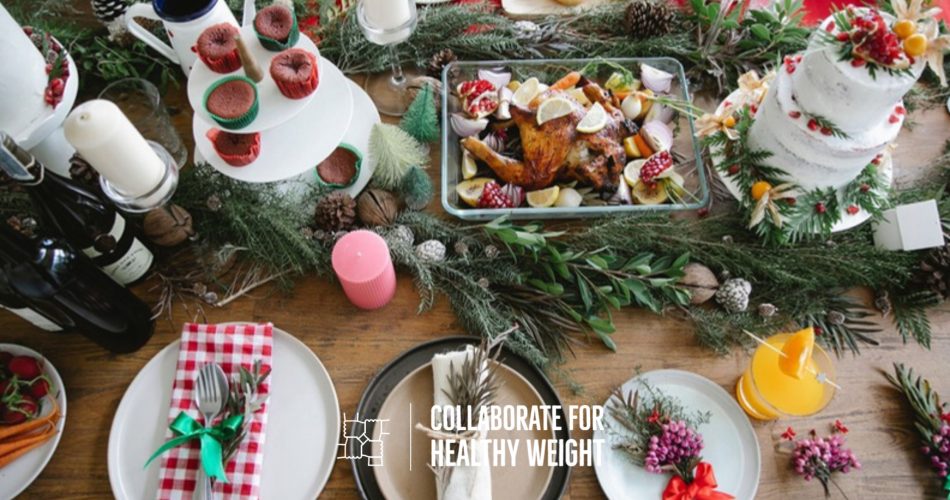
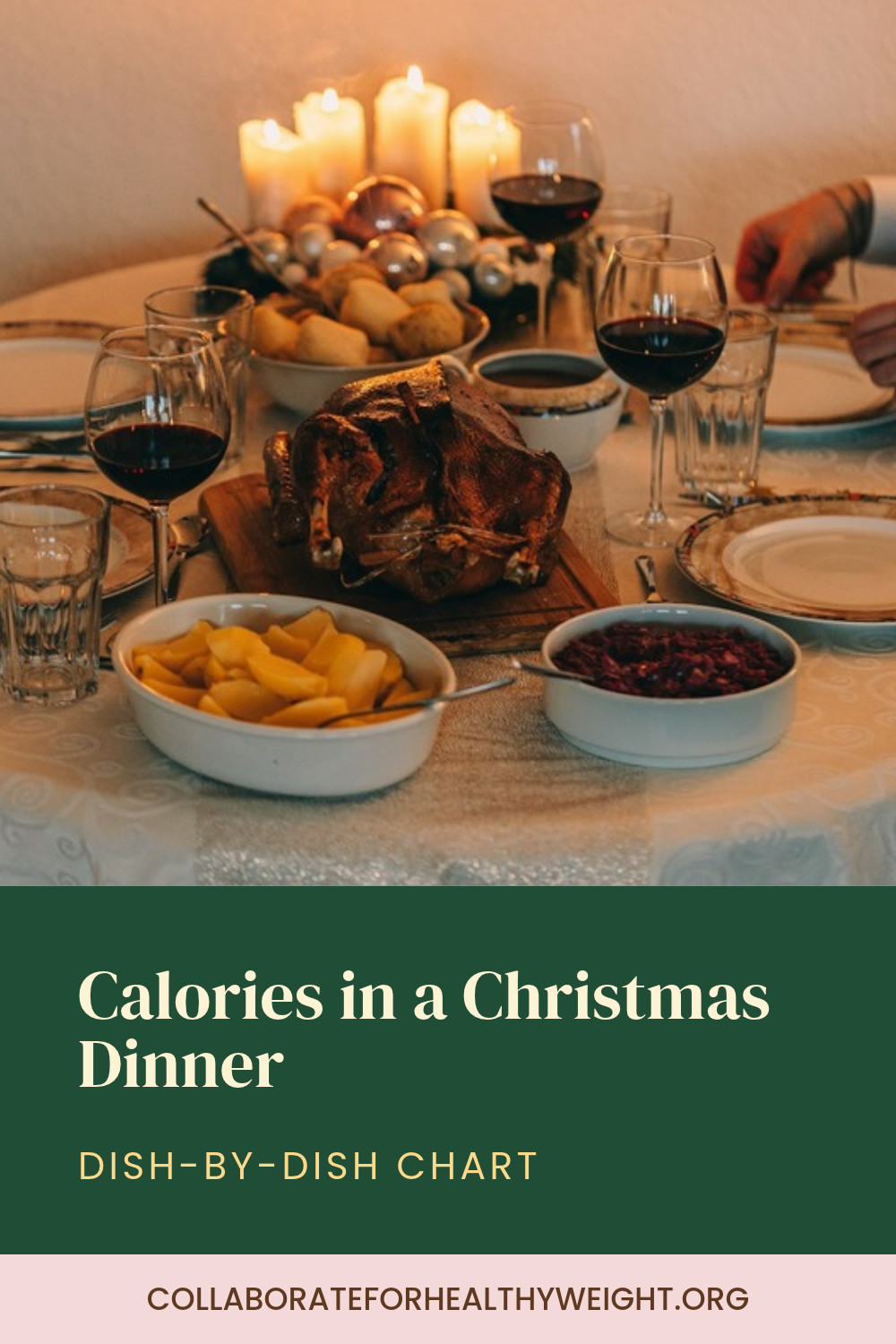
How many calories are in a Christmas dinner depends less on the main course than on the sides, the dessert, and the drinks around it. Using averages from USDA FoodData Central, one classic ham dinner plate with a serving of every traditional side comes to about 920 calories. Add a shrimp cocktail, a slice of apple pie with whipped cream, and a glass of red wine, and the same meal reaches about 1,510.
For context, the Dietary Guidelines for Americans describe calorie needs of roughly 1,600 to 2,400 a day for adult women and roughly 2,000 to 3,000 for adult men, depending on age and activity. This guide gives you a dish-by-dish chart, three sample plates, a ranking of the highest-calorie dishes, and easy swaps, so you can see where the calories come from and decide what is worth it. If you are cooking, the healthy Christmas dinner menu for 8 brings a whole dinner in at about 890 calories per person.
| Plate | Calories |
|---|---|
| Lighter plate | about 540 |
| Classic ham plate | about 920 |
| Classic plate plus shrimp, apple pie with whipped cream, and wine | about 1,510 |
| Everything plus seconds | about 3,390 |
Jump to: Main Dishes | Starches | Vegetables and Cranberry | Desserts | Drinks and Appetizers | Sample Plates | Highest-Calorie Dishes | Lighter Swaps | Tips | FAQ
Christmas Dinner Calories: A Dish-by-Dish Chart
Every serving below is a realistic scoop, not a tiny tasting portion, with the weight shown so you can compare it with your own plate. Values are rounded USDA averages, so a family recipe made with extra butter, cream, or sugar will run higher than the figures here.
Ham, Roasts, and Turkey
| Dish | Serving | Calories | Protein | Sodium |
|---|---|---|---|---|
| Roasted ham (boneless, regular), 4 oz | 4 oz (113 g) | 201 | 25.6 g | 1,695 mg |
| Prime rib roast (lean and fat), 6 oz | 6 oz (170 g) | 604 | 39.1 g | 109 mg |
| Beef tenderloin roast, 6 oz | 6 oz (170 g) | 296 | 46.5 g | 92 mg |
| Roast turkey breast with skin, 4 oz | 4 oz (113 g) | 214 | 32.4 g | 71 mg |
| Turkey gravy, canned | 1/4 cup (60 g) | 31 | 1.6 g | 346 mg |
Prime rib is the most expensive item on the chart in calories, at about 308 more per serving than the same weight of beef tenderloin, because the fat in a rib roast is part of the cut. Ham looks modest at 201 calories, but note the sodium: a 4-ounce serving of USDA’s average roasted ham carries about 1,700 milligrams, which is most of the 2,300 milligram daily limit in the Dietary Guidelines for Americans. Turkey is the lowest-sodium choice of the four. The gravy line is for canned turkey gravy, so gravy made from pan drippings and a butter-and-flour base usually carries more fat. Fully cooked ham only needs reheating, and the USDA Food Safety and Inspection Service lists 140°F as the reheating temperature for packaged, fully cooked ham.
Potatoes, Stuffing, and Other Starches
| Dish | Serving | Calories | Protein | Sodium |
|---|---|---|---|---|
| Mashed potatoes (whole milk and butter) | 1/2 cup (105 g) | 119 | 2.0 g | 333 mg |
| Roasted potatoes with olive oil | about 3/4 cup roasted (150 g raw weight) | 145 | 2.8 g | 27 mg |
| Bread stuffing | 1/2 cup (100 g) | 195 | 2.7 g | 479 mg |
| Candied sweet potatoes | 1/2 cup (105 g) | 172 | 0.9 g | 125 mg |
| Dinner roll | 1 roll (28 g) | 87 | 3.0 g | 131 mg |
| Butter on the roll | 1 teaspoon (5 g) | 34 | 0.0 g | 30 mg |
Starches are where a Christmas plate quietly fills up. Mashed potatoes, stuffing, candied sweet potatoes, and a buttered roll add up to about 606 calories before the main course is on the plate. If stuffing is your favorite, these lighter high-protein stuffing recipes keep the flavor while trimming the bread and butter, and the high-protein holiday side dishes are an easy way to get more protein from the sides.
Vegetables and Cranberry Sauce
| Dish | Serving | Calories | Protein | Sodium |
|---|---|---|---|---|
| Green beans, boiled | 1/2 cup (62 g) | 22 | 1.2 g | 1 mg |
| Brussels sprouts, roasted in olive oil | 1/2 cup (80 g) | 69 | 2.0 g | 17 mg |
| Honey-glazed carrots | 1/2 cup (80 g) | 83 | 0.7 g | 77 mg |
| Red cabbage, cooked | 1/2 cup (75 g) | 22 | 1.1 g | 21 mg |
| Cranberry sauce, canned | 1/4 cup (69 g) | 110 | 0.6 g | 3 mg |
Vegetables are the best calorie bargain on the table. Plain green beans and red cabbage come in at 22 calories per half cup, and even roasted Brussels sprouts in olive oil stay under 70. Canned cranberry sauce delivers 110 calories in a quarter cup, and nearly all of it is carbohydrate from sugar added to sweeten it. If you want green beans as a richer side, try these lighter green bean casserole versions.
Pies, Cakes, and Cookies
| Dish | Serving | Calories | Protein | Sodium |
|---|---|---|---|---|
| Apple pie | 1/8 of a 9-inch pie (125 g) | 331 | 3.0 g | 264 mg |
| Pecan pie | 1/8 of a 9-inch pie (113 g) | 466 | 5.5 g | 296 mg |
| Pumpkin pie | 1/8 of a 9-inch pie (109 g) | 222 | 4.9 g | 245 mg |
| Mince pie | 1/8 of a 9-inch pie (118 g) | 341 | 3.1 g | 300 mg |
| Fruitcake | 1 slice (43 g) | 139 | 1.2 g | 43 mg |
| Gingerbread cake | 1 square (63 g) | 224 | 2.5 g | 206 mg |
| Sugar cookies | 2 cookies (40 g) | 196 | 1.9 g | 145 mg |
| Whipped cream from a can | 2 tablespoons (9 g) | 23 | 0.3 g | 1 mg |
Pecan pie is the calorie leader of the dessert table, at 244 more calories per slice than pumpkin pie. Whipped cream from a can adds only about 23 calories for two tablespoons, so it is the least costly extra. For a lighter dessert of your own, see the healthy desserts under 200 calories and these lower-sugar pumpkin pie recipes.
Drinks and Appetizers
| Dish | Serving | Calories | Protein | Sodium |
|---|---|---|---|---|
| Eggnog | 1 cup (254 g) | 224 | 11.6 g | 137 mg |
| Red wine (mulled wine runs higher with added sugar) | 5 oz (147 g) | 125 | 0.1 g | 6 mg |
| White wine | 5 oz (147 g) | 118 | 0.1 g | 0 mg |
| Hot cocoa from mix, made with water | 1 cup (240 g) | 132 | 2.2 g | 175 mg |
| Hot chocolate made with whole milk and syrup | 1 cup (250 g) | 225 | 7.7 g | 118 mg |
| Shrimp cocktail with sauce | 5 or 6 shrimp with sauce | 110 | 22.1 g | 271 mg |
| Brie | 1 oz (28 g) | 94 | 5.8 g | 176 mg |
| Roasted chestnuts | 1/4 cup (36 g) | 88 | 1.1 g | 1 mg |
Drinks are easy to overlook. The National Institute on Alcohol Abuse and Alcoholism defines a standard drink as 14 grams of pure alcohol, the amount in about 5 ounces of wine, so the 125 calories shown for red wine is one standard glass. Mulled wine usually has sugar and sometimes brandy added, so it will run higher. The eggnog figure is USDA’s generic value; Harvard Health notes that one cup of eggnog can be about 360 calories, and homemade versions with cream and spirits tend to be richer than the average. The shrimp cocktail is the standout appetizer, with 22 grams of protein for 110 calories.
How Many Calories Are on a Full Christmas Plate?
Here are three realistic ways Christmas dinner can go, built from the chart above. Use them as reference points, then adjust for your own table.
Plate 1: The Lighter Plate (About 540 Calories)
| Item | Calories |
|---|---|
| Roast turkey breast with skin, 4 oz | 214 |
| Green beans, boiled | 22 |
| Brussels sprouts, roasted in olive oil | 69 |
| Roasted potatoes with olive oil (half serving) | 72 |
| Cranberry sauce, canned (half serving) | 55 |
| Pumpkin pie (half serving) | 111 |
| Total | 542 |
This plate keeps the traditions and shrinks the scoops. Half the plate is vegetables, the turkey is a standard serving, and dessert is half a slice of pumpkin pie.
Plate 2: The Classic Plate (About 920 Calories, 1,510 With Extras)
| Item | Calories |
|---|---|
| Roasted ham (boneless, regular), 4 oz | 201 |
| Mashed potatoes (whole milk and butter) | 119 |
| Bread stuffing | 195 |
| Green beans, boiled | 22 |
| Brussels sprouts, roasted in olive oil | 69 |
| Honey-glazed carrots | 83 |
| Cranberry sauce, canned | 110 |
| Dinner roll | 87 |
| Butter on the roll | 34 |
| Total | 918 |
This is one serving of everything you would expect at a ham dinner. Adding a shrimp cocktail, a slice of apple pie with whipped cream, and a glass of red wine brings the meal to about 1,510 calories. For someone who needs 2,000 to 2,400 calories a day, that is roughly 63 to 75 percent of the day in a single sitting.
Plate 3: Everything Plus Seconds (About 3,390 Calories)
| Item | Calories |
|---|---|
| Shrimp cocktail with sauce | 110 |
| Brie | 94 |
| Eggnog | 224 |
| Roasted ham (boneless, regular), 4 oz | 201 |
| Prime rib roast (lean and fat), 6 oz | 604 |
| Mashed potatoes (whole milk and butter) | 119 |
| Bread stuffing | 195 |
| Candied sweet potatoes | 172 |
| Green beans, boiled | 22 |
| Dinner roll | 87 |
| Butter on the roll | 34 |
| Turkey gravy, canned | 31 |
| Cranberry sauce, canned | 110 |
| Roasted ham (boneless, regular), 4 oz (half serving) | 101 |
| Mashed potatoes (whole milk and butter) (half serving) | 59 |
| Bread stuffing (half serving) | 98 |
| Dinner roll | 87 |
| Apple pie | 331 |
| Pecan pie | 466 |
| Red wine (mulled wine runs higher with added sugar) | 250 |
| Total | 3,391 |
This is the scenario behind the big numbers you sometimes hear: appetizers, a loaded first plate with both ham and prime rib, a smaller second helping, two pies, and three drinks. It reaches about 3,390 calories, which shows that seconds, desserts, and drinks do most of the damage and not any single dish.
Which Christmas Dishes Have the Most Calories?
If you only want to know where to focus, this table ranks every item in the chart by calories per serving. The top five are prime rib, pecan pie, mince pie, apple pie, and beef tenderloin, and the five lightest are green beans, red cabbage, whipped cream from a can, turkey gravy, and the butter on a roll.
| Rank | Dish | Calories |
|---|---|---|
| 1 | Prime rib roast (lean and fat), 6 oz | 604 |
| 2 | Pecan pie | 466 |
| 3 | Mince pie | 341 |
| 4 | Apple pie | 331 |
| 5 | Beef tenderloin roast, 6 oz | 296 |
| 6 | Hot chocolate made with whole milk and syrup | 225 |
| 7 | Gingerbread cake | 224 |
| 8 | Eggnog | 224 |
| 9 | Pumpkin pie | 222 |
| 10 | Roast turkey breast with skin, 4 oz | 214 |
| 11 | Roasted ham (boneless, regular), 4 oz | 201 |
| 12 | Sugar cookies | 196 |
| 13 | Bread stuffing | 195 |
| 14 | Candied sweet potatoes | 172 |
| 15 | Roasted potatoes with olive oil | 145 |
| 16 | Fruitcake | 139 |
| 17 | Hot cocoa from mix, made with water | 132 |
| 18 | Red wine (mulled wine runs higher with added sugar) | 125 |
| 19 | Mashed potatoes (whole milk and butter) | 119 |
| 20 | White wine | 118 |
| 21 | Shrimp cocktail with sauce | 110 |
| 22 | Cranberry sauce, canned | 110 |
| 23 | Brie | 94 |
| 24 | Roasted chestnuts | 88 |
| 25 | Dinner roll | 87 |
| 26 | Honey-glazed carrots | 83 |
| 27 | Brussels sprouts, roasted in olive oil | 69 |
| 28 | Butter on the roll | 34 |
| 29 | Turkey gravy, canned | 31 |
| 30 | Whipped cream from a can | 23 |
| 31 | Red cabbage, cooked | 22 |
| 32 | Green beans, boiled | 22 |
Does Christmas Really Cause Weight Gain?
Less than the popular claim suggests, but it is real. In a prospective study of 195 adults published in the New England Journal of Medicine, average weight rose by about 0.37 kilograms (under a pound) between mid-November and early or mid-January. The same research found the gain was not reversed in the months that followed, which is why it adds up over the years. The takeaway is not to fear one dinner, but to pay attention to the whole season. The guide to avoiding holiday weight gain covers the weeks before and after the meal.
Easy Swaps That Cut Christmas Dinner Calories
You do not need to give up the dishes you love. These swaps use the same USDA values as the chart and save the most calories for the least sacrifice.
| Swap | Before | After | Saves |
|---|---|---|---|
| Prime rib to beef tenderloin (6 oz) | 604 | 296 | 308 |
| Pecan pie to pumpkin pie | 466 | 222 | 244 |
| Apple pie to pumpkin pie | 331 | 222 | 109 |
| Stuffing to roasted Brussels sprouts | 195 | 69 | 126 |
| Dinner roll with butter to no roll | 121 | 0 | 121 |
| Hot chocolate with whole milk to cocoa made with water | 225 | 132 | 93 |
| Candied sweet potatoes to roasted potatoes | 172 | 145 | 27 |
| A full cup of eggnog to a half cup | 224 | 112 | 112 |
Pick two or three, not all of them. The goal is a plate you enjoy, so keep the foods that only appear once a year and trim the ones you could eat any other day.
How to Enjoy Christmas Dinner Without Overdoing It
- Use the plate pattern: Harvard Health suggests filling half your plate with vegetables, a quarter with lean protein, and a quarter with starch. The balanced plate portion guide shows what that looks like at everyday meals.
- Pick a few favorites: The Mayo Clinic suggests choosing a couple of holiday dishes you really want instead of trying everything, and not skipping meals earlier in the day to save up calories.
- Start with the vegetables and protein: they are the most filling items on the table and leave less room for the richest dishes.
- Slow down between plates: wait 15 minutes before seconds and decide whether you are still hungry.
- Alternate drinks: follow each glass of wine or eggnog with a glass of sparkling water.
- Plan the leftovers: the USDA leftover safety rules say to refrigerate leftovers within 2 hours and eat them within 3 to 4 days. If you are shopping for a lighter dinner, the Christmas grocery list for 8 has every quantity.
Frequently Asked Questions About Christmas Dinner Calories
How many calories are in a typical Christmas dinner?
One classic plate with ham and a serving of each side comes to about 920 calories in this chart. With an appetizer, dessert, and a drink, it is closer to 1,510. Seconds and extra desserts can push it past 3,000.
Is ham or turkey lower in calories?
They are close: 201 calories for 4 ounces of roasted ham and 214 for 4 ounces of roast turkey breast with skin. The bigger difference is sodium, about 1,700 milligrams for the ham against about 70 for the turkey.
How many calories are in a slice of Christmas pie?
Pecan pie is highest at about 466 calories per slice, followed by mince pie at 341, apple pie at 331, and pumpkin pie at 222. Each slice is one eighth of a 9-inch pie.
How many calories are in eggnog?
USDA lists about 224 calories for one cup of generic eggnog. Harvard Health puts a cup at about 360, and homemade or spiked versions can be higher.
Should I skip meals before Christmas dinner?
No. Skipping meals tends to backfire into overeating later, as the Mayo Clinic notes. Eat normally during the day and save your appetite for the dishes you care about most.
Are these numbers exact?
No. They are rounded averages calculated from USDA data for the servings listed. Homemade recipes, store brands, and bigger portions will change them, so use the chart as a guide and not a promise.
The Bottom Line
A classic Christmas dinner plate runs about 920 calories, and a full meal with an appetizer, pie, and a drink runs about 1,510. The big numbers come from seconds, extra desserts, and drinks, and the cheapest calories to cut are in the roll and butter, the stuffing, the richest pie, and the second glass. Choose your favorites, build the plate around vegetables and protein, and enjoy the day.
Calorie and nutrient figures are rounded averages calculated from USDA FoodData Central SR Legacy values for the servings listed. Recipes, brands, and portions vary. This article is for general information and is not a substitute for advice from a registered dietitian or physician.