
Wound healing is a nutritionally demanding process, requiring extra protein, vitamin C, zinc, and vitamin A to rebuild tissue, produce collagen, and support immune function at the healing site. The Academy of Nutrition and Dietetics notes that inadequate nutrition is one of the most common, correctable factors that slows wound healing, particularly after surgery or for chronic wounds, and that protein needs specifically can increase substantially above normal during active healing.
Best Foods for Wound Healing
1. Chicken, Fish, and Lean Meat: The Protein Foundation of Healing
Collagen, the structural protein that forms new tissue, is built from amino acids, and adequate protein intake is one of the most consistently cited nutritional factors in wound healing research.
| Nutrient | Per 3 oz Chicken Breast |
|---|---|
| Calories | 128 |
| Protein | 26g |
| Zinc | 6% DV |
Best eaten: at most meals during active healing, since protein needs are elevated well above baseline.
2. Citrus Fruits and Bell Peppers: The Collagen-Building Vitamin C Source
Vitamin C is required for collagen synthesis, and a deficiency measurably slows wound healing, which is part of why it’s included in most clinical wound-care nutrition protocols.
| Nutrient | Per 1 Cup Bell Peppers |
|---|---|
| Calories | 39 |
| Vitamin C | 211% DV |
| Fiber | 3g |
Best eaten: raw or lightly cooked, at multiple meals through the day during healing.
3. Eggs: A Complete Protein With Zinc and Vitamin A
Eggs conveniently combine three of the nutrients most relevant to wound healing, protein, zinc, and vitamin A, in one easy-to-eat food.
| Nutrient | Per 2 Large Eggs |
|---|---|
| Calories | 140 |
| Protein | 12g |
| Zinc | 10% DV |
Best eaten: at breakfast or as a snack throughout recovery.
4. Sweet Potato and Carrots: A Vitamin A Source for Skin Repair
Vitamin A supports the formation of new skin cells and collagen, and it’s another nutrient with elevated needs during active wound healing.
| Nutrient | Per 1 Medium Sweet Potato |
|---|---|
| Calories | 103 |
| Vitamin A | 120% DV |
| Vitamin C | 33% DV |
Best eaten: baked or roasted with the skin on.
5. Pumpkin Seeds and Oysters: A Zinc Source for Tissue Repair
Zinc is directly involved in cell division and protein synthesis at the wound site, and even a mild zinc deficiency has been shown to noticeably slow healing time. For more options, see our list of foods high in zinc.
| Nutrient | Per 1 oz Pumpkin Seeds |
|---|---|
| Calories | 151 |
| Zinc | 14% DV |
| Protein | 7g |
Best eaten: roasted as a snack, or sprinkled on meals.
6. Greek Yogurt: An Easy Protein Source for Reduced Appetite
Appetite often drops after surgery or injury, and calorie- and protein-dense foods that are easy to eat, like Greek yogurt, help meet elevated protein needs without requiring large meal volumes.
| Nutrient | Per 1 Cup Plain |
|---|---|
| Calories | 146 |
| Protein | 25g |
| Calcium | 23% DV |
Best eaten: as a snack throughout the day, easy to eat even with reduced appetite.
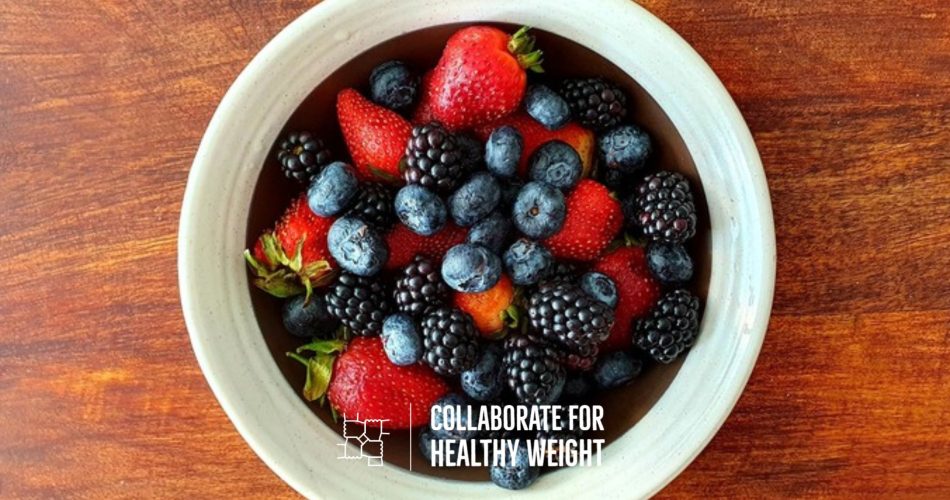
7. Berries: An Antioxidant Source Supporting the Inflammatory Phase
The early stage of wound healing involves a controlled inflammatory response, and antioxidant-rich foods may support this process without over-suppressing the inflammation the body actually needs at this stage.
| Nutrient | Per 1 Cup Mixed Berries |
|---|---|
| Calories | 65 |
| Fiber | 6g |
| Vitamin C | 50% DV |
Best eaten: fresh or frozen, added to breakfast or eaten as a snack.
8. Water: Supporting Tissue Delivery of Nutrients
Adequate hydration supports blood flow and nutrient delivery to the wound site, and dehydration is an easy-to-overlook factor that can slow healing.
| Nutrient | Notes |
|---|---|
| General target | 8+ cups daily, more if instructed post-surgery |
Best consumed: steadily through the day.
Quick Reference: All 8 Foods at a Glance
| Food | Serving Size | Key Nutrient |
|---|---|---|
| Chicken/fish/lean meat | 3 oz | Protein |
| Citrus/bell peppers | 1 cup | Vitamin C |
| Eggs | 2 large | Protein, zinc, vitamin A |
| Sweet potato/carrots | 1 medium | Vitamin A |
| Pumpkin seeds/oysters | 1 oz seeds | Zinc |
| Greek yogurt | 1 cup | Easy-to-eat protein |
| Berries | 1 cup | Antioxidants |
| Water | 8+ cups daily | Nutrient delivery |
5 Additional Tips for Supporting Wound Healing
- Ask your doctor whether your specific protein needs are elevated. Post-surgical and chronic wound protein needs can be substantially higher than standard daily recommendations.
- Don’t smoke, and avoid alcohol during active healing. Both measurably impair wound healing by restricting blood flow and interfering with tissue repair.
- Manage blood sugar carefully if you have diabetes, since elevated blood sugar significantly slows wound healing and increases infection risk.
- If appetite is low, prioritize small, frequent, protein-dense meals and snacks over trying to eat large meals.
- For a large, deep, slow-healing, or surgical wound, ask about a referral to a registered dietitian, who can calculate specific calorie and protein targets for your situation.
The Bottom Line
Wound healing has real, elevated demands for protein, vitamin C, zinc, and vitamin A, and meeting them through food, or supplements if a doctor recommends it, can meaningfully support recovery time. This matters most after surgery, a significant injury, or for anyone managing a chronic wound.
This article is for informational purposes and is not a substitute for personalized medical advice. If you have a chronic wound or are recovering from surgery, talk with your doctor or a registered dietitian about your specific nutritional needs. Nutrition data sourced from USDA FoodData Central.


