
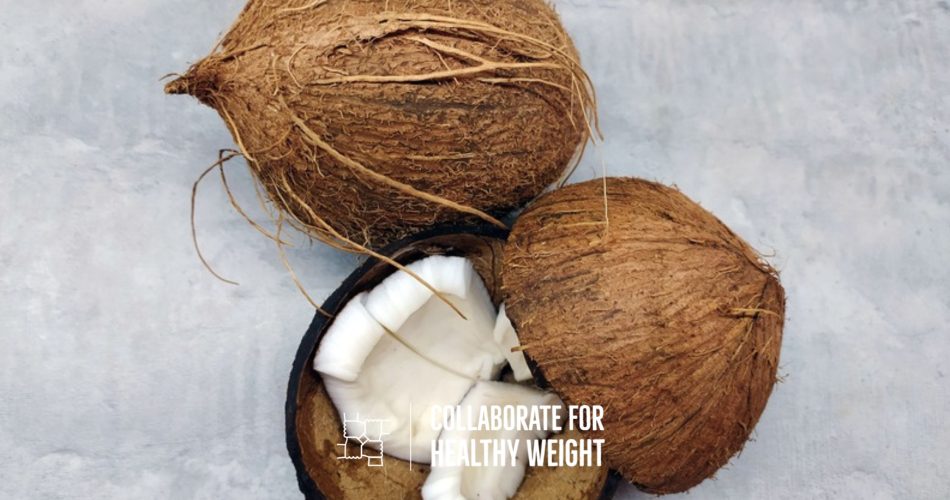
Medium-chain triglycerides, or MCTs, are a category of fat that behaves differently in the body than the long-chain fats found in most foods. Because of their shorter carbon chain length, MCTs are absorbed and transported directly to the liver, where they can be converted into ketones and used for quick energy rather than being stored the way long-chain fats often are.
This unique metabolism is why MCTs became closely associated with a keto diet food list and pre-workout energy strategies. Because MCT-derived ketones can also cross the blood-brain barrier as an alternative fuel source, they’ve drawn research interest for brain and cognitive energy support too. Research reviewed by the National Institutes of Health has explored MCTs for their effects on satiety, ketone production, and exercise performance, though results on weight loss specifically remain mixed and study sizes are often small.
There’s no official RDA for MCTs, and most whole foods contain them only alongside a larger share of long-chain fats. Coconut products are by far the richest natural source, with smaller contributions from other dairy fats. Here are 20 of the best sources.
Jump to: MCT Oil | Coconut Oil | Coconut Milk | Coconut Cream | Fresh Coconut Meat | Desiccated Coconut | Coconut Flour | Palm Kernel Oil | Ghee | Butter | Whole Milk | Goat Milk | Goat Cheese | Cheddar Cheese | Whole Milk Yogurt | Kefir | Heavy Cream | Parmesan Cheese | Coconut Water Creamer | Coconut Yogurt | FAQ

20 Foods High in MCTs
1. MCT Oil: The Most Concentrated Source

MCT oil is a concentrated, extracted form of medium-chain fats, typically isolated from coconut or palm kernel oil through a fractionation process, and contains close to 100% MCTs. Most commercial MCT oils are blends of caprylic acid (C8) and capric acid (C10), the two shortest and fastest-absorbing MCTs, which is why MCT oil converts to ketones more quickly than whole coconut products do. Because it’s flavorless and liquid at room temperature, it mixes easily into hot or cold drinks without changing the taste the way coconut oil can.
| Serving | Approx. MCT Content |
|---|---|
| 1 tablespoon | ~14 g |
Best eaten: stirred into coffee, smoothies, or salad dressings, starting with small amounts.
2. Coconut Oil: The Everyday Kitchen Staple

About 50 to 65% of the fat in coconut oil is made up of medium-chain fatty acids, mostly lauric acid, which behaves somewhat differently in the body than the shorter MCTs isolated for MCT oil; it metabolizes more like a long-chain fat and is processed more slowly. Coconut oil is solid at room temperature but melts in the mid-70s°F, and its saturated fat structure gives it a smoke point high enough for most everyday stovetop cooking. It’s one of the healthiest oils to cook with, and its fat profile is part of why it holds up well under moderate heat without breaking down as readily as some unsaturated oils.
| Serving | Approx. MCT Content |
|---|---|
| 1 tablespoon | ~8 g |
Best eaten: for cooking, baking, or added to coffee.
3. Coconut Milk: Creamy and Versatile

Full-fat coconut milk carries a meaningful MCT dose, concentrated in the cream that rises to the top of the can when it separates. Canned coconut milk is typically 15 to 20% fat by volume, most of it medium-chain, which is why it adds both richness and quick-metabolizing energy to a dish much the way dairy cream would in other cuisines. Lower-fat “lite” coconut milk contains proportionally less fat and fewer MCTs, so recipes built around MCT content are better served by the full-fat version.
| Serving | Approx. MCT Content |
|---|---|
| 1/2 cup | ~6 g |
Best eaten: in curries, soups, or blended into smoothies.
4. Coconut Cream: Extra-Concentrated Coconut Fat

Coconut cream is the thick, fat-concentrated portion of coconut milk, either skimmed off before the can is shaken or separated out afterward, delivering an even higher MCT content per spoonful than coconut milk itself. Because it’s so fat-dense, a little goes a long way; it whips into a stable dairy-free topping much like heavy cream does, and its higher saturated fat content helps it hold structure better than lighter coconut products.
| Serving | Approx. MCT Content |
|---|---|
| 2 tablespoons | ~5 g |
Best eaten: whipped as a dairy-free topping or blended into desserts.
5. Fresh Coconut Meat: MCTs Plus Fiber

Fresh coconut meat provides MCTs along with fiber, protein, and minerals like manganese and copper, unlike processed coconut oil and cream, which retain only the fat. The white flesh of a mature coconut is roughly a third fat by weight, most of it medium-chain, packaged inside a food matrix that digests more slowly than isolated oil. That combination of fat and fiber tends to be more filling per bite than an equivalent amount of coconut oil.
| Serving | Approx. MCT Content |
|---|---|
| 1/2 cup shredded | ~7 g |
Best eaten: fresh, or toasted and sprinkled over yogurt and oats.
6. Unsweetened Desiccated Coconut: Concentrated by Drying

Dried, shredded coconut concentrates its MCT content since the water has been removed, packing more fat and fiber into a smaller volume than fresh coconut meat. Look for the unsweetened variety specifically; sweetened shredded coconut adds sugar without adding meaningfully more MCTs, since sweetening doesn’t change the underlying fat content.
| Serving | Approx. MCT Content |
|---|---|
| 1/4 cup | ~8 g |
Best eaten: sprinkled over granola, oatmeal, or baked goods.
7. Coconut Flour: A Gluten-Free Baking Base

Coconut flour retains some residual fat and MCT content even after much of the oil has been pressed out during processing, though at a fraction of coconut oil’s MCT density by volume. It’s made from the dried, ground pulp left over from coconut milk production, so its main nutritional draw is actually fiber rather than MCTs; a quarter cup contains a notably high fiber amount for a baking flour, more than most wheat-based alternatives.
| Serving | Approx. MCT Content |
|---|---|
| 1/4 cup | ~1 g |
Best eaten: in gluten-free baking, absorbing more liquid than wheat flour.
8. Palm Kernel Oil: Coconut Oil’s Close Cousin

Palm kernel oil (distinct from palm oil, which comes from the fruit’s pulp rather than the seed) has a fatty acid profile similar to coconut oil, with a comparable MCT content and the same dominant lauric acid. It shows up mostly in processed foods (margarine, packaged baked goods, and non-dairy creamers) rather than being sold as a standalone cooking oil the way coconut oil is.
| Serving | Approx. MCT Content |
|---|---|
| 1 tablespoon | ~7 g |
Best eaten: used sparingly in packaged baked goods; less common as a standalone cooking oil.
9. Ghee: Clarified Butter’s Small MCT Boost

Ghee, or clarified butter, contains a small but real MCT content alongside its predominantly long-chain fat makeup, since clarifying butter removes the milk solids and water but concentrates the remaining butterfat, MCTs included. It has a notably higher smoke point than regular butter and no lactose or casein left in it, which is why it’s a common substitute for people who react to dairy proteins but still tolerate butterfat.
| Serving | Approx. MCT Content |
|---|---|
| 1 tablespoon | ~1.5 g |
Best eaten: for sautéing or stirred into coffee.
10. Butter: A Familiar Dairy Fat

Grass-fed butter contains a modest MCT amount, mostly as part of a broader dairy fat profile, and some research suggests grass-fed varieties may run slightly higher in certain beneficial fatty acids than grain-fed butter, though the MCT difference specifically is small. Butter is roughly 80% fat, with MCTs making up only a minor fraction of that, so it’s a supporting source on this list rather than a primary one.
| Serving | Approx. MCT Content |
|---|---|
| 1 tablespoon | ~1.5 g |
Best eaten: on toast, in cooking, or blended into coffee.
11. Whole Milk: An Everyday Dairy Source
Whole cow’s milk contains a small percentage of MCTs as part of its overall fat content, mostly in the form of caproic, caprylic, and capric acids that end up in milkfat through the cow’s own digestive fermentation. Skim and low-fat milk strip out most of this fat along with everything else, so whole milk is the only dairy-milk option that carries a meaningful, if modest, MCT contribution.
| Serving | Approx. MCT Content |
|---|---|
| 1 cup | ~1 g |
Best eaten: as a beverage or in coffee, smoothies, and cereal.
12. Goat Milk: Easier to Digest
Goat milk has a slightly higher proportion of medium-chain fats than cow’s milk, which is part of why it’s often described as easier to digest; MCTs require less bile and enzymatic breakdown to absorb than long-chain fats do. Its fat globules are also naturally smaller than those in cow’s milk, which may further ease digestion independent of the MCT content itself.
| Serving | Approx. MCT Content |
|---|---|
| 1 cup | ~2 g |
Best eaten: as a beverage or in cooking for those sensitive to cow’s milk.
13. Goat Cheese: Goat Milk, Concentrated
Goat cheese carries forward some of the MCT profile found in goat milk, in a more concentrated form since cheesemaking removes water and concentrates the remaining fat and protein. Softer, fresh goat cheeses like chèvre retain more of the milk’s original fat structure than aged, harder varieties, though the difference in MCT content specifically is minor.
| Serving | Approx. MCT Content |
|---|---|
| 1 oz | ~0.8 g |
Best eaten: crumbled over salads or spread on crackers.
14. Cheddar Cheese: A Small Everyday Contribution
Cheddar and other aged cow’s milk cheeses contain a small MCT amount as part of their overall fat content, concentrated during cheesemaking the same way it is in goat cheese. Aging doesn’t meaningfully change the MCT content itself, though it does concentrate the cheese’s overall fat and flavor as moisture evaporates from the block over time.
| Serving | Approx. MCT Content |
|---|---|
| 1 oz | ~0.6 g |
Best eaten: as a snack or melted into meals.
15. Whole Milk Yogurt: MCTs Plus Probiotics
Full-fat yogurt provides a small MCT contribution along with probiotics and protein, and unlike plain milk, the fermentation process that turns milk into yogurt doesn’t measurably change the fat composition; the MCT content simply tracks with whatever milk it was made from. Choosing whole-milk yogurt over nonfat versions is what determines the MCT content here, not the fermentation itself.
| Serving | Approx. MCT Content |
|---|---|
| 1 cup | ~1 g |
Best eaten: topped with fruit and nuts for breakfast or a snack.
16. Kefir (Whole Milk): A Probiotic-Rich Option
Whole milk kefir contributes a similar MCT amount to yogurt, along with a broader range of probiotic strains; kefir grains typically ferment with dozens of bacterial and yeast species, compared to the handful used in standard yogurt cultures. As with yogurt, using whole milk rather than low-fat milk as the base is what determines the MCT content.
| Serving | Approx. MCT Content |
|---|---|
| 1 cup | ~1 g |
Best eaten: as a drink or blended into smoothies.
17. Heavy Cream: Richer Than Regular Dairy
Heavy cream’s high fat content, typically over a third fat by volume, includes a proportionally larger MCT amount than lower-fat dairy products simply because it carries more total milkfat per serving. It’s one of the more concentrated everyday dairy sources on this list, though still far behind coconut-derived options gram for gram.
| Serving | Approx. MCT Content |
|---|---|
| 2 tablespoons | ~0.6 g |
Best eaten: in coffee, sauces, or whipped as a topping.
18. Parmesan Cheese: Concentrated in Small Portions
Parmesan’s concentrated fat content includes a small MCT share, in a cheese typically eaten in smaller portions than milder varieties, since long aging, often a year or more, intensifies both flavor and fat concentration per ounce. Its strong flavor means a little tends to go further than with cheddar or goat cheese, which somewhat offsets its higher fat density per bite.
| Serving | Approx. MCT Content |
|---|---|
| 1 oz grated | ~0.5 g |
Best eaten: grated over pasta, salads, and vegetables.
19. Coconut Water Creamer: A Coffee Add-In
Coconut-based coffee creamers carry forward a portion of coconut’s natural MCT content, though amounts vary widely by brand depending on how much actual coconut fat versus other oils, thickeners, or sweeteners the product contains. Checking the ingredient list for coconut cream or coconut oil near the top is a reasonable way to gauge which creamers carry a meaningful MCT dose versus which are mostly water and gums.
| Serving | Approx. MCT Content |
|---|---|
| 1 tablespoon | ~1 g |
Best eaten: stirred into coffee or tea.
20. Coconut Yogurt: Dairy-Free Coconut Benefits
Dairy-free coconut yogurt made from coconut milk retains a portion of the original MCT content of the coconut it’s made from, though thinner, lower-fat versions carry less than a yogurt made from full-fat coconut milk or cream. It’s fermented with live cultures the same way dairy yogurt is, so it offers a similar probiotic benefit alongside its MCT content for those avoiding dairy.
| Serving | Approx. MCT Content |
|---|---|
| 1 cup | ~4 g |
Best eaten: topped with fruit, granola, or nuts.
6 Evidence-Based Tips for Getting the Most From These Foods
- Start small with concentrated sources. MCT oil and coconut oil can cause digestive discomfort in larger amounts, so start with a teaspoon and build up gradually.
- Not all MCTs are identical. Lauric acid, the dominant MCT in coconut oil, metabolizes somewhat more like a long-chain fat than the shorter C8 and C10 MCTs isolated in most MCT oil products.
- Whole coconut products add fiber too. Fresh coconut meat and unsweetened shredded coconut deliver MCTs alongside fiber, something extracted oils don’t provide.
- MCTs are still calorie-dense. At about 8 to 9 calories per gram like other fats, MCTs deserve the same portion awareness as any other concentrated fat source.
- Pair with protein and fiber. MCTs alone provide quick energy but not lasting fullness, so combining them with protein and fiber-rich foods, including other foods high in healthy fats, supports more balanced meals.
- Grass-fed dairy and meat carry trace MCTs too. Ruminant animals produce small amounts of MCTs during digestion, so grass-fed butter, ghee, and beef fat contribute trace amounts beyond what’s listed here, though not enough to rival coconut sources.
Frequently Asked Questions
Are “MCT-rich foods” and “foods high in MCTs” the same thing?
Yes. Both phrases refer to the same group of medium-chain triglyceride sources, led by coconut products and, to a smaller degree, dairy fat. The wording varies by source, but the underlying foods and amounts are the same.
Can I get enough MCTs from food without taking a supplement?
You can get meaningful amounts from coconut oil, coconut milk, and other coconut products, but whole foods generally provide smaller, less concentrated doses than a dedicated MCT oil supplement. Most people relying on food sources alone won’t hit the same gram amounts studied in clinical research.
Is coconut oil or MCT oil better for quick energy?
MCT oil is more concentrated and faster-absorbing because it’s isolated to contain close to 100% MCTs, mostly the shorter C8 and C10 chains. Coconut oil is about half MCTs by weight, dominated by lauric acid, which metabolizes somewhat more slowly. Both work; MCT oil is simply more potent per tablespoon.
Are MCTs safe if I have high cholesterol or a liver condition?
MCTs are generally considered safe in food amounts for most people, but anyone with a liver or gallbladder condition should talk to a doctor before adding concentrated sources like MCT oil, since fat digestion relies on bile production. If you have high cholesterol, keep in mind that coconut-based sources are still saturated fat and should be balanced against your overall intake.
Can I cook with MCT oil the way I cook with coconut oil?
Not really. MCT oil has a low smoke point and is best used unheated, stirred into coffee, smoothies, or dressings. Coconut oil holds up better under moderate heat and is the better choice for sautéing or baking.
Do MCTs actually help with weight loss?
Some research suggests MCTs may support satiety and modestly increase calorie burn compared to long-chain fats, but study sizes are often small and results are mixed. MCTs work best as one piece of an overall diet built around foods that boost energy and balanced nutrition, not as a stand-alone weight-loss strategy.
The Bottom Line
Coconut products remain the most concentrated natural food source of MCTs, with smaller contributions coming from dairy fat. Whether you’re using MCT oil for a quick energy boost or simply cooking more with coconut oil and full-fat dairy, these foods offer a distinct type of fat metabolism worth understanding as part of an overall balanced diet.
Nutrient values are approximate, drawn from published fatty acid composition data, and can vary by product processing and brand.
This article is for informational purposes only and is not a substitute for professional medical advice. Talk to a registered dietitian or physician before making significant dietary changes, especially if you have gallbladder or liver conditions.


