A good Trader Joe’s grocery list for weight loss starts with a simple fact: the same store that sells cookie butter also stocks some of the best budget-friendly, high-protein, high-fiber staples around. This guide sorts the best Trader Joe’s products for weight loss by category, so you know which items earn a place on your list and which end-cap display to walk past. Whether you call it a healthy Trader Joe’s grocery list or a short list of Trader Joe’s weight loss foods, the logic is the same: protein and fiber first, treats as the exception.
The Trader Joe’s grocery list below is built around the principles that The Harvard T.H. Chan School of Public Health and The Mayo Clinic’s guide to weight loss point to for sustainable results: whole ingredients over ultra-processed convenience food. One reason fiber matters so much is fullness. The Mayo Clinic’s dietary fiber guide explains that high-fiber foods tend to be more filling and less energy dense than low-fiber foods, which means you can eat satisfying portions for fewer calories.
No single store makes you lose weight, and no single product does either. Weight loss still comes down to a steady calorie deficit. What a good grocery list does is make that deficit easier to live with, by stocking your kitchen with foods that keep you full and meals that take five minutes instead of fifty.
Jump to: Shopping Rules | Protein Picks | Produce and Frozen Vegetables | Whole Grains and Fiber | Smart Snacks | Sauces and Condiments | Nutrition at a Glance | Items to Skip | Sample Grocery List | Easy Meals | Meal Prep Tips | FAQ
Trader Joe’s Grocery List for Weight Loss, Category by Category
Key Rules for Shopping Trader Joe’s for Weight Loss
- Read the protein and fiber grams, not just the “healthy” branding on the front of the package. Trader Joe’s packaging leans rustic and wholesome-looking even on items that are calorie-dense. As a quick benchmark, look for bread with at least 2 grams of fiber per slice and cereal with 5 grams or more per serving.
- Shop the perimeter first: produce, refrigerated proteins, and dairy, before heading into the snack aisles. Most of the items that make a weight-loss cart live along the outer walls and in the freezer section.
- Use the frozen section strategically. Trader Joe’s frozen vegetables and proteins are genuinely high quality, they never spoil in the crisper drawer, and they help control portions automatically.
- Check added sugar on anything sweet, sauced, or “naturally flavored.” The American Heart Association’s added sugar limits are no more than 6% of daily calories, which works out to about 6 teaspoons (25 grams) for most women and 9 teaspoons (36 grams) for most men.
- Keep ultra-processed food to a minimum. In an NIH study on heavily processed foods and overeating, 20 adults ate roughly 500 more calories a day on an ultra-processed diet than on an unprocessed one, and gained weight.
- Compare the per-serving numbers with the per-package numbers. A pouch or tub that looks like one serving is often two or three, and the calories on the front only cover one of them.
- Treat the sample-friendly snack aisle as an occasional stop, not a weekly staple run. Seasonal items rotate in and out, so build your routine around dependable staples rather than whatever is new this month.
Protein Picks
Protein is the anchor of a filling meal, so this is the category to fill first on your Trader Joe’s grocery list. These items cover quick cooked options, fish, plant-based choices, and dairy.
Just Chicken (fully cooked, plain grilled chicken breast strips). One of the fastest high-protein additions to any meal. A 3-ounce portion of cooked skinless chicken breast typically provides about 25 grams of protein for under 150 calories. Toss the strips into salads, grain bowls, or wraps, and check the sodium on the label since pre-cooked chicken varies.
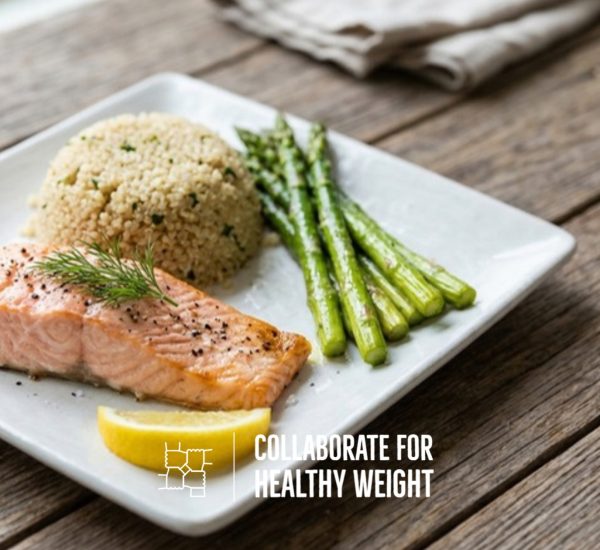
Wild-caught frozen salmon fillets. Individually portioned and reasonably priced for wild-caught fish, so you thaw only what you need. A 3-ounce cooked portion of salmon delivers roughly 20 to 22 grams of protein along with omega-3 fats. Bake or pan-sear it with a squeeze of lemon and a side of frozen vegetables for a dinner that takes about fifteen minutes.
Organic firm tofu. A plant-based protein staple at a low price point. Protein varies a little by brand and firmness, so read the panel. Press out the water, cube it, and bake or pan-sear it so it crisps instead of steaming, then add it to stir-fries and bowls.
Egg whites (carton). Useful for boosting protein without extra fat or calories. Each large egg white adds about 4 grams of protein for roughly 17 calories, so a splash into your morning scramble makes it more filling without making it much heavier.
Turkey Bolognese and other lean ground turkey products. A lower-fat swap for beef-based meals. Check the fat percentage on plain ground turkey, since 93% lean and 85% lean can differ by a meaningful number of calories per serving. Stir it into lentil pasta or a pot of beans and vegetables.
Plain Greek yogurt (Trader Joe’s brand). Cheaper than most name brands with a comparable protein count. Plain nonfat Greek yogurt typically provides about 17 grams of protein in a three-quarter-cup serving for around 100 calories. Skip the flavored cups with added sugar and stir in fresh fruit instead, or use it in place of sour cream.
Shelled edamame (frozen). Protein and fiber together, useful as a snack or a bowl add-in. A half cup of cooked edamame provides about 9 grams of protein and 4 grams of fiber. Steam it straight from the freezer and add it to salads, noodle bowls, or fried rice.
Produce and Frozen Vegetables
Vegetables add volume, fiber, and micronutrients for very few calories. The goal is to make eating them the path of least resistance.
Frozen organic vegetable blends. No added sauces or oils, and a genuinely useful shortcut for hitting vegetable targets on busy nights. Roast them from frozen on a hot sheet pan so they brown instead of going soggy, or microwave them and fold them into eggs, soups, or grain bowls.
Cauliflower rice (fresh or frozen). A lower-calorie base to bulk up bowls and stir-fries. A cup of raw cauliflower rice is about 25 calories, compared with roughly 200 for a cup of cooked white rice. If a full swap feels too different, start by mixing half cauliflower rice and half regular rice.
Bagged mixed greens and pre-washed spinach. Removes the excuse of prep time. Two cups of raw spinach are only about 14 calories, so a big salad costs you almost nothing and takes up real room on the plate. Wilt a handful into soups, eggs, or pasta for an easy vegetable boost.
Frozen riced broccoli and other veggie rices. Easy volume additions to any meal. Cooked broccoli provides about 5 grams of fiber per cup, so even a modest portion contributes toward your daily goal. See how broccoli and dozens of other options stack up in this high-fiber foods list with serving sizes.
Fresh seasonal fruit. Generally competitively priced and a better choice than the dried-fruit-and-chocolate combos nearby. Whole fruit with the skin on keeps the most fiber, so an apple or a pear beats juice every time.
Whole Grains and Fiber
Fiber slows digestion and extends fullness between meals. These staples make it easy to add more of it without cooking from scratch.
Frozen brown rice and quinoa cups. Microwaveable and portion-controlled by design. A cup of cooked brown rice has about 215 calories and 3.5 grams of fiber, while cooked quinoa has about 220 calories, 8 grams of protein, and 5 grams of fiber. Pair either with a protein and a frozen vegetable and dinner is done in minutes.
Sprouted whole grain bread. Higher fiber than most standard sandwich bread. Check that a whole grain is listed first in the ingredients and that each slice has at least 2 grams of fiber. Keep it in the freezer and toast slices as needed so it never goes stale.
Steel-cut oats. A slower-digesting option than instant oatmeal packets. A 40-gram dry serving typically provides about 150 calories and 4 grams of fiber. Cook a large pot at the start of the week and reheat single portions with berries or a spoonful of Greek yogurt.
Lentil and bean-based pasta. More protein and fiber than traditional wheat pasta at a similar price. The exact numbers differ by product, so compare the nutrition panels, and expect a firmer, slightly earthier texture. Do not overcook it, since legume pastas turn mushy quickly.
Canned lentils and beans. An inexpensive fiber and protein staple. A half cup of cooked lentils provides about 9 grams of protein and 8 grams of fiber for roughly 115 calories. Rinse canned beans before using them to wash away some of the added sodium.
Smart Snacks (the Ones Worth Buying)
Snacks are where a good week can quietly fall apart. The ones below are the better-built options, but portion size still matters.
Roasted and salted edamame. A crunchy, high-protein alternative to chips. Because it is salted, keep an eye on sodium, and portion a serving into a bowl instead of eating from the bag.
Individual nut packs. Pre-portioned to avoid mindless overeating from a bulk bag. Nuts are filling but calorie-dense: an ounce of almonds is about 165 calories with 6 grams of protein and 3.5 grams of fiber, so the pre-portioned size is a real advantage.
Fruit and nut bars with minimal added sugar. Check the label carefully since this category varies widely. Bars made from just fruit and nuts are a very different product from those with syrups, coatings, or chocolate, so choose by the added sugar line, not the front-of-package claim.
Veggie chips made from actual vegetables. Still a treat, but a step up from potato chips in the sense that they carry some vegetable content. They are usually fried or baked in oil, so treat them like any other chip and measure a serving.
Hummus (regular or the lighter varieties) paired with raw vegetables instead of pita chips. Two tablespoons of hummus provide about 70 calories and 2 grams of protein, but a tub is easy to eat quickly, so portion it into a small dish before you start.
Sauces and Condiments Worth Keeping
Flavor is what keeps healthy meals from feeling like punishment. Used with a light hand, these add a lot of taste for few calories.
Trader Joe’s Green Dragon or Soyaki sauce. Used sparingly, adds flavor without a heavy calorie cost. Green Dragon is a hot, savory sauce, while Soyaki is a sweeter teriyaki-style sauce with more sugar, so check the label and measure it out.
Salsa. A low-calorie way to add flavor to eggs, chicken, or grain bowls, at roughly 10 calories per two tablespoons for most varieties.
Balsamic glaze. A small amount goes a long way for flavor on roasted vegetables. Because glaze is a reduced, sweeter syrup, use it as a drizzle, not a pour.
Everything But the Bagel Seasoning. Adds flavor to eggs, avocado, or roasted vegetables with essentially no calories. It does contain salt, so sprinkle rather than shake.
Nutrition at a Glance
Specific Trader Joe’s products and recipes change, so this table shows approximate values for the type of food listed, using standard serving sizes. Use it to compare categories, then confirm against the package in your hand.
| Food | Serving | Approx. Calories | Protein | Fiber |
|---|---|---|---|---|
| Chicken breast, cooked, skinless | 3 oz | 140 | 26g | 0g |
| Salmon, cooked | 3 oz | 140 to 175 | 20 to 22g | 0g |
| Egg whites | 3 large | 50 | 11g | 0g |
| Plain nonfat Greek yogurt | 3/4 cup | 100 | 17g | 0g |
| Edamame, cooked | 1/2 cup | 95 | 9g | 4g |
| Lentils, cooked | 1/2 cup | 115 | 9g | 8g |
| Cauliflower rice, raw | 1 cup | 25 | 2g | 2g |
| Brown rice, cooked | 1 cup | 215 | 5g | 3.5g |
| Quinoa, cooked | 1 cup | 220 | 8g | 5g |
| Steel-cut or rolled oats, dry | 40 g | 150 | 5 to 7g | 4g |
| Almonds | 1 oz | 165 | 6g | 3.5g |
| Hummus | 2 tbsp | 70 | 2g | 1.5g |
Values are approximate and based on the USDA FoodData Central database for each food type. Trader Joe’s versions vary by recipe, so check the package label.
Items to Leave Off Your Trader Joe’s Grocery List
Not everything in this store earns a spot in a weight-loss-focused cart. These categories are the ones that most often derail an otherwise solid trip, usually because they are calorie-dense, high in added sugar, or built to be eaten quickly. The table pairs each one with a better swap.
| Walk Past | Why It Derails a Cart | Try Instead |
|---|---|---|
| Seasonal cookie and dessert end-caps near checkout | Placed to trigger impulse buying, high in added sugar | Fresh seasonal fruit, or one planned treat you choose on purpose |
| Frozen appetizers (mozzarella sticks, jalapeño poppers, and similar) | Fried or breaded, easy to eat a whole tray | Frozen edamame or roasted frozen vegetables |
| Sweetened nut and granola clusters sold as “trail mix” | Calorie-dense with added sugar and coatings | Individual nut packs plus plain fruit |
| Creamy, cheese-heavy frozen entrees | High in saturated fat and sodium for modest protein | A protein, a frozen vegetable blend, and a grain cup you assemble yourself |
| Flavored nut butters with added sugar | Turns a protein-and-fat food into a dessert spread | Plain nut butter with nuts and salt as the only ingredients |
Sample Trader Joe’s Grocery List for the Week
A simple weekly Trader Joe’s grocery list built from the sections above. Swap items in each row based on your preferences and budget.
| Category | Items | Why It Earns a Spot |
|---|---|---|
| Protein | Just Chicken, wild salmon, Greek yogurt, egg whites | Fast, filling, and easy to portion |
| Produce | Frozen veggie blend, cauliflower rice, spinach, seasonal fruit | Volume and fiber for few calories |
| Grains | Steel-cut oats, lentil pasta, sprouted bread | Slow-digesting fiber for steady energy |
| Snacks | Roasted edamame, individual nut packs, hummus | Built-in portions and protein |
| Flavor | Salsa, Everything But the Bagel Seasoning, balsamic glaze | Taste without heavy calories |
Easy Meals You Can Build From This Grocery List
A list only helps if it turns into dinner. These five combinations use only items from the sections above and come together in about fifteen minutes or less.
The five-minute chicken bowl. Heat cauliflower rice and a frozen vegetable blend, top with Just Chicken strips and a spoonful of salsa. This bowl delivers roughly 30 grams of protein with plenty of volume.
Sheet-pan salmon and broccoli. Roast a salmon fillet next to frozen riced broccoli or broccoli florets, then finish with a light drizzle of balsamic glaze and a squeeze of lemon.
Lentil pasta with turkey Bolognese. Cook the pasta, warm the Bolognese, and wilt in two big handfuls of spinach at the end so the vegetables disappear into the sauce.
Steel-cut oats with Greek yogurt and fruit. Reheat a portion of the oats you batch-cooked on Sunday, then swirl in plain Greek yogurt and top with seasonal fruit for a breakfast with protein, fiber, and almost no added sugar.
Tofu stir-fry. Sear cubed tofu until golden, add a frozen vegetable blend and a half serving of brown rice or a quinoa cup, and finish with a measured spoonful of Soyaki. For more ideas in the same spirit, browse these high-protein, low-calorie meals under 400 calories.
Meal Prep Tips Using This Trader Joe’s Grocery List
Keep a bag of frozen cauliflower rice and a pack of Just Chicken on hand at all times. Together they make a five-minute high-protein bowl on nights when cooking feels like too much.
Portion the individual nut packs and fruit bars into a single “grab and go” bin in the pantry so healthier snacks are as easy to reach for as anything else. Use the frozen fish portions for easy single-serving dinners without the waste of a larger fillet going bad before it gets used.
Spend twenty minutes once a week on the basics: cook a pot of steel-cut oats, roast a tray of frozen vegetables, and wash and bag the greens. When those three things are already done, the rest of the week mostly involves assembly. If you also shop at a warehouse store, compare unit prices against the best Costco buys for healthy eating on a budget before deciding where each staple belongs on your list.
Frequently Asked Questions About the Trader Joe’s Grocery List
What should be on a Trader Joe’s grocery list for weight loss?
A Trader Joe’s grocery list for weight loss should center on protein-rich, high-fiber, minimally processed staples: grilled chicken strips, frozen wild salmon, plain Greek yogurt, edamame, canned lentils, frozen vegetables, cauliflower rice, and steel-cut oats. If you want a short healthy Trader Joe’s grocery list, pick one item from each category above and build from there.
Can you lose weight shopping only at Trader Joe’s?
Yes, as long as the food you buy leaves you in a steady calorie deficit. Trader Joe’s stocks plenty of options for that, but it also stocks plenty of calorie-dense treats, so the store itself does not decide the outcome, your cart does. For a store-neutral checklist, see a basic healthy grocery list of foods to buy each week.
Are Trader Joe’s frozen meals good for weight loss?
Some are and many are not. Check the calories, protein, fiber, saturated fat, and sodium on each box, and be wary of creamy, cheese-heavy entrees. A reliable alternative is to build your own: a protein, a frozen vegetable blend, and a microwaveable grain cup give you more control over every number.
How much protein and fiber should you aim for?
For fiber, the National Academy of Medicine recommends 25 grams a day for women and 38 grams for men up to age 50, and 21 and 30 grams after 50. The recommended dietary allowance for protein is 0.8 grams per kilogram of body weight for most adults, and some people losing weight aim higher. A registered dietitian can set a target that fits your age, health, and activity level.
Is Trader Joe’s cheaper than other grocery stores?
Many of its private-label staples are competitively priced, but prices and product availability vary by location and change over time, so compare unit prices rather than assuming. If budget is your main concern, you may also want to look at the Aldi grocery list for weight loss.
What should you avoid at Trader Joe’s if you want to lose weight?
Skip the seasonal dessert displays, frozen appetizers, sweetened trail mixes, cheese-heavy frozen entrees, and flavored nut butters with added sugar. These are not forbidden, but they work best as occasional choices rather than weekly staples.
The Bottom Line
Trader Joe’s can absolutely support a weight-loss-focused way of eating, and a well-built Trader Joe’s grocery list makes it easy. The store’s frozen protein and vegetable sections in particular punch above their price point, and staples like steel-cut oats, canned lentils, and plain Greek yogurt cover the fiber and protein basics. The key is shopping with intention: protein and fiber first, label-reading on anything sweet or sauced, and treats as the occasional exception rather than the default. Start by adding one item from each category to your next list, and build the week around meals you can assemble in minutes.
Save this for later on Pinterest:

This article reflects general product categories available at Trader Joe’s as of publication; specific items and formulations can change. This is educational content, not a substitute for personalized nutrition advice from a registered dietitian.