
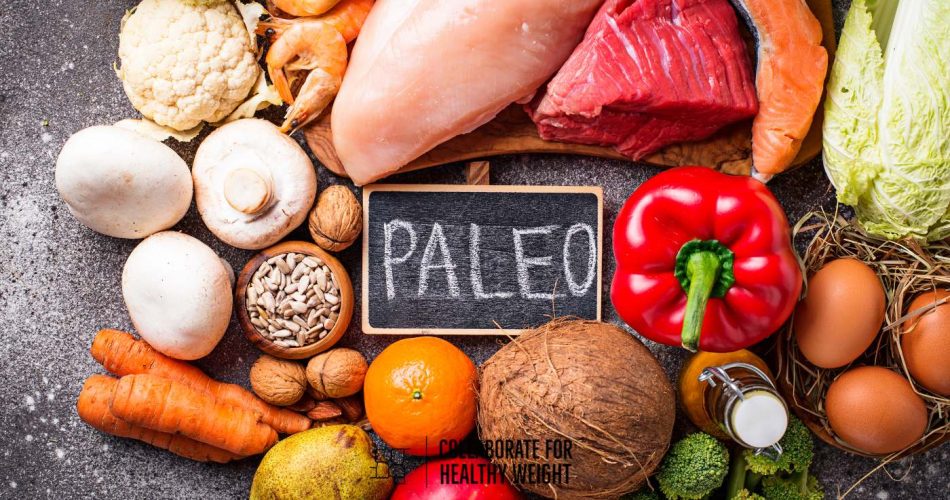
I stood in the grocery store for 45 minutes the first time I tried to shop Paleo. Reading every label. Putting things back. Questioning whether sweet potatoes were “allowed.” Wondering if I could ever eat normally again. The whole experience felt overwhelming and restrictive.
Here’s what I learned during my 90-day Paleo experiment: this diet isn’t about memorizing a list of forbidden foods. It’s about filling your cart with real food—the kind humans ate before processed food took over. Once I understood that simple principle, shopping became easy.
Research from Healthline shows that the Paleo diet emphasizes whole foods while eliminating processed grains, legumes, and dairy. This approach can support weight loss, improve blood sugar control, and reduce inflammation when done correctly.
I’ve experimented with Paleo alongside other diets—Mediterranean, carnivore, and various approaches—to understand what each one offers. During my time testing Paleo, I learned exactly what to buy, where to find it, and how to shop efficiently without breaking the bank. This is the complete grocery guide I needed when I started—organized by department, with practical tips that actually work in real life.
Stop overthinking every purchase. Start shopping with confidence.
Understanding Paleo Before You Shop
Before I share my shopping list, let me explain the basic principles so you understand why certain foods make the list.
What Paleo includes: Meat, fish, eggs, vegetables, fruits, nuts, seeds, and healthy fats. Mayo Clinic notes these are nutrient-dense, whole foods that humans evolved eating.
What Paleo excludes: Grains, legumes, dairy, refined sugar, processed foods, and most vegetable oils. The reasoning is that these foods either didn’t exist in the Paleolithic era or can trigger inflammation and digestive issues in some people.
My practical approach during the experiment: I focused on what I could eat rather than obsessing over restrictions. My cart filled up fast with real food, leaving no room for junk anyway.
The Paleo Protein Section
Meat (Grass-Fed When Possible)
This is where I spend the bulk of my budget—protein is the foundation of Paleo eating.
Beef:
- Ground beef (80/20 for flavor, 90/10 for leaner meals)
- Chuck roast (perfect for slow cooker)
- Sirloin steak
- Ribeye (when I’m splurging)
- Beef short ribs
- Stew meat
Pork:
- Pork chops
- Ground pork
- Pork tenderloin
- Bacon (sugar-free, nitrate-free)
- Pork shoulder (for pulled pork)
Poultry:
- Chicken breasts
- Chicken thighs (more flavorful and budget-friendly)
- Whole chicken (rotisserie for convenience)
- Ground turkey
- Turkey breast
Lamb:
- Ground lamb
- Lamb chops
- Leg of lamb
My budget tip during Paleo: I bought whatever was on sale. Stocked up when there was a good deal and froze portions. EatRight.org confirms that buying in bulk and freezing saves money while ensuring you always have protein on hand.
Grass-fed vs. conventional: I bought grass-fed when budget allowed during my Paleo testing, but conventional worked fine. Don’t let perfect be the enemy of good.
Seafood (Wild-Caught Preferred)
I aimed for 2-3 servings of fish weekly for omega-3s during my Paleo experiment.
Fresh fish:
- Salmon (my go-to)
- Cod
- Halibut
- Mahi-mahi
- Tuna steaks
Canned seafood:
- Wild-caught salmon
- Tuna in water
- Sardines (surprisingly good in salads)
- Anchovies (for Caesar dressing)
Shellfish:
- Shrimp (frozen for convenience)
- Scallops
- Mussels
- Crab
My practical tip: Frozen fish is just as nutritious as fresh and often more affordable. Healthline notes that fatty fish like salmon provide essential omega-3 fatty acids that support brain and heart health.
Eggs
I bought 2-3 dozen weekly during Paleo. Eggs became my backup protein for quick meals.
What I buy:
- Pasture-raised eggs (when budget allows)
- Free-range eggs
- Conventional eggs (still nutritious)
Why eggs work: Cheap, versatile, nutrient-dense. Hard-boil a dozen on Sunday for grab-and-go protein all week.
The Vegetable Section
This is where your cart should be fullest. I aim to fill half my plate with vegetables at every meal.
Leafy Greens
- Spinach (buy pre-washed for convenience)
- Kale
- Arugula
- Romaine lettuce
- Mixed spring greens
- Swiss chard
Cruciferous Vegetables
- Broccoli (fresh or frozen)
- Cauliflower (I buy riced cauliflower too)
- Brussels sprouts
- Cabbage
Root Vegetables
- Sweet potatoes (my favorite carb source)
- White potatoes (yes, these are Paleo)
- Carrots
- Beets
- Turnips
- Parsnips
Other Vegetables
- Bell peppers (all colors)
- Zucchini
- Asparagus
- Green beans
- Mushrooms
- Onions (yellow, red, white)
- Garlic (lots of garlic)
- Tomatoes
- Cucumber
- Celery
- Eggplant
- Spaghetti squash (pasta substitute)
- Butternut squash
My shopping strategy during Paleo: The American Heart Association recommends eating a variety of colorful vegetables. I bought whatever was in season and on sale, aiming for different colors each week.
Fresh vs. frozen: I kept frozen broccoli, cauliflower, and mixed vegetables on hand. They’re just as nutritious as fresh, never spoil, and save money.
The Fruit Section
I treat fruit as nature’s dessert—enjoyed in moderation.
Berries (Lower Sugar Option)
- Blueberries
- Strawberries
- Raspberries
- Blackberries
Other Fruits
- Apples
- Bananas (post-workout fuel)
- Oranges
- Grapefruit
- Pears
- Peaches
- Plums
- Grapes
- Melon (cantaloupe, honeydew, watermelon)
- Pineapple
- Mango
- Avocado (yes, it’s a fruit!)
My approach during Paleo: I ate 1-2 servings daily, focusing on berries for lower sugar content. Healthline confirms that whole fruits provide fiber, vitamins, and antioxidants that support overall health.
Healthy Fats Section
Don’t fear fat on Paleo—it’s essential for satiety and hormone production.
Cooking Fats
- Extra virgin olive oil (for low-heat cooking and dressings)
- Avocado oil (my go-to for high-heat cooking)
- Coconut oil
- Grass-fed butter or ghee (if you tolerate dairy)
- Animal fats (save bacon grease, beef tallow)
Nuts and Seeds
- Almonds
- Walnuts
- Cashews (in moderation)
- Pecans
- Macadamia nuts
- Pistachios
- Sunflower seeds
- Pumpkin seeds
- Chia seeds
- Flax seeds
Nut butters (no sugar added):
- Almond butter
- Cashew butter
- Sunflower seed butter
My portion tip: Harvard Health notes that while nuts are healthy, they’re calorie-dense. I portion into ¼ cup servings to avoid mindless overeating.
Pantry Staples Section
These shelf-stable items make Paleo cooking convenient.
Canned/Jarred Items
- Coconut milk (full-fat for cooking)
- Tomato paste
- Diced tomatoes (no added sugar)
- Tomato sauce (check ingredients)
- Olives (Kalamata, green)
- Capers
- Pickles (no sugar added)
- Salsa (check for clean ingredients)
Vinegars and Condiments
- Apple cider vinegar
- Balsamic vinegar
- Red wine vinegar
- Coconut aminos (soy sauce substitute)
- Mustard (yellow, Dijon)
- Hot sauce
Baking Essentials (For Occasional Treats)
- Almond flour
- Coconut flour
- Tapioca flour
- Arrowroot powder
- Raw honey
- Maple syrup (pure)
- Vanilla extract
- Cocoa powder (unsweetened)
Herbs, Spices, and Flavor Section
This is where Paleo food goes from bland to amazing.
Fresh Herbs
- Basil
- Cilantro
- Parsley
- Rosemary
- Thyme
- Oregano
Dried Spices and Seasonings
- Sea salt
- Black pepper
- Garlic powder
- Onion powder
- Paprika (regular and smoked)
- Cumin
- Chili powder
- Oregano
- Basil
- Thyme
- Rosemary
- Cinnamon
- Ginger
- Turmeric
- Red pepper flakes
My spice tip: Buy spices in bulk from stores like Whole Foods or ethnic markets. Way cheaper than those tiny jars at regular grocery stores.
Beverages Section
What I drank during Paleo:
- Water (my primary beverage)
- Sparkling water (La Croix, Waterloo)
- Coffee (black or with coconut milk)
- Herbal tea
- Kombucha (checking sugar content)
- Coconut water (post-workout)
What I avoided: Soda, juice, alcohol (or limited to occasional red wine or spirits), anything with added sugar or artificial sweeteners.
Foods to Avoid During Paleo (What I Skipped Completely)
Grains: Wheat, oats, rice, quinoa, corn, barley, rye. This included bread, pasta, cereal, tortillas.
Legumes: Beans, lentils, peanuts, peas, soybeans. Mayo Clinic explains that Paleo excludes these due to antinutrients that can interfere with nutrient absorption.
Dairy: Milk, cheese, yogurt, ice cream (some Paleo followers include grass-fed butter or ghee).
Processed foods: Anything with ingredients I couldn’t pronounce. If it came in a box with a long shelf life, I skipped it.
Refined sugar: Table sugar, high fructose corn syrup, artificial sweeteners.
Industrial seed oils: Canola, soybean, corn, cottonseed, safflower oils.
My Weekly Shopping Strategy During Paleo
How I shopped efficiently:
Sunday meal planning: I planned 4-5 dinners for the week. Breakfast was usually eggs, lunch was dinner leftovers. This simplified shopping dramatically.
Perimeter shopping: I spent 90% of my time around the store’s outer edges—produce, meat, eggs. Middle aisles only for specific pantry items.
Buy what’s on sale: EatRight.org recommends being flexible with proteins and produce based on sales. I planned meals around what was discounted that week.
Batch cooking saved money: I cooked large portions and froze extras. One rotisserie chicken became three meals.
Seasonal produce was cheaper: I bought whatever was in season. Summer squash in summer, root vegetables in winter.
Budget-Friendly Paleo Shopping Tips I Learned
Buy conventional when necessary: Organic is ideal but not required. Don’t let budget constraints stop you from trying Paleo.
Cheaper cuts work great: Chuck roast, pork shoulder, chicken thighs—these cheaper cuts became tender and delicious with slow cooking.
Frozen vegetables save money: Just as nutritious as fresh, never spoil, often cheaper.
Eggs became my friend: Cheapest protein source. I ate eggs daily during Paleo.
Ground meat stretches further: Ground beef, turkey, or pork costs less than steaks and works in countless recipes.
Skip specialty Paleo products: Paleo cookies, crackers, and bars are expensive and unnecessary. Stick to real food.
Common Shopping Mistakes I Made (And How I Fixed Them)
Mistake 1: Buying too many Paleo-branded products
These are overpriced. Real Paleo is meat, vegetables, and fruit—not $8 grain-free granola.
Mistake 2: Not having backup proteins
I learned to keep canned tuna, sardines, and frozen shrimp on hand. Prevents emergency takeout.
Mistake 3: Forgetting healthy fats
Fat keeps you full on Paleo. I initially ate too lean and was constantly hungry.
Mistake 4: Shopping without a list
I wasted money on random items. Once I started planning meals and sticking to my list, things improved.
Mistake 5: Avoiding frozen foods
Frozen vegetables and fish are nutritious, convenient, and budget-friendly. I learned to use them.
The Bottom Line
That overwhelming feeling I had during my first Paleo shopping trip? It disappeared once I understood the simple principle: buy real food that doesn’t require an ingredient list.
Research shows that Paleo eating can support weight loss, reduce inflammation, and improve metabolic health when done with whole, nutrient-dense foods.
During my 90-day Paleo experiment, my shopping cart filled with meat, vegetables, fruits, nuts, and healthy fats. That’s it. No complicated rules. No obsessing over labels. No guilt over choosing conventional instead of grass-fed.
The approach works if you commit to it, but it’s not for everyone. Some people miss grains and legumes too much. Others find it too restrictive for social situations. I’ve experimented with Mediterranean and carnivore approaches too, and each diet has its pros and cons.
What I learned from Paleo: shopping becomes second nature after a few trips. Your cart fills up naturally with whole foods. You walk past the processed food aisles without temptation because your cart is already full of better options.
This is the grocery guide I needed when I started my Paleo experiment. Whether you commit to Paleo long-term or just want to experiment for 30-90 days as I did, use this list, adapt it to your preferences and budget, and see how your body responds to eating this way.


