Irritable bowel syndrome is one of the most common gastrointestinal conditions in the world, affecting an estimated 7 to 15% of the global population. It is characterized by chronic, recurrent abdominal pain, bloating, gas, diarrhea, constipation, or a combination of both, without any structural damage to the bowel. While stress, gut motility, and gut-brain communication all play roles in IBS, diet is the primary trigger most people can control directly.
The low FODMAP diet is the most clinically supported dietary approach for managing IBS symptoms currently available. Developed by researchers at Monash University in Melbourne, Australia, it works by temporarily eliminating fermentable short-chain carbohydrates that are poorly absorbed in the small intestine, pass into the large intestine, draw in water, and ferment rapidly, producing gas and triggering the bloating, cramping, and altered bowel habits that define IBS.
A meta-analysis published in Nutrients analyzing multiple clinical trials found that the low FODMAP diet significantly improved global IBS symptoms, abdominal pain, bloating, and bowel habits compared to standard dietary advice. A systematic review and meta-analysis published in Frontiers in Nutrition confirmed that the low FODMAP diet produced meaningful improvement in IBS symptom severity scores and quality of life across multiple randomized controlled trials.
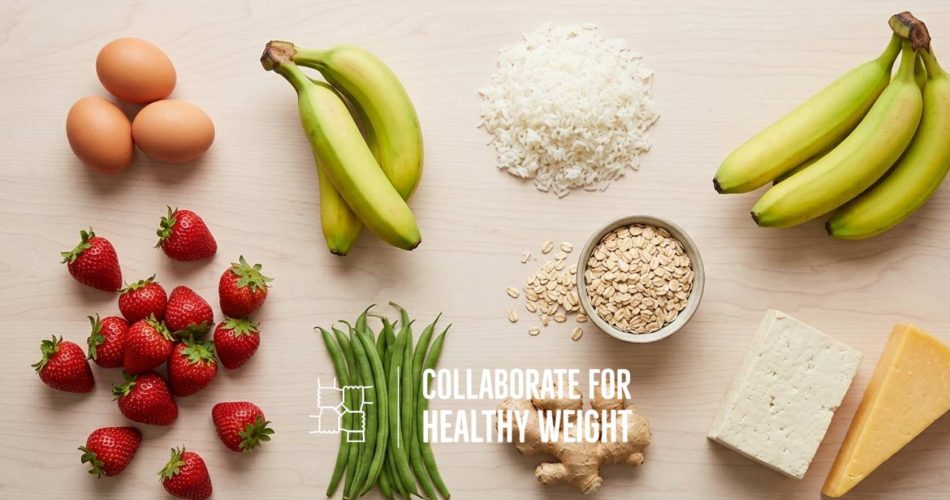
FODMAP stands for Fermentable Oligosaccharides, Disaccharides, Monosaccharides, and Polyols: the four categories of fermentable carbohydrates that drive symptoms in IBS-sensitive individuals. This grocery list tells you exactly which foods are safe to buy and which to avoid in each category.
How the Low FODMAP Diet Works: The Three Phases
The low FODMAP diet is not meant to be followed permanently. It is a structured diagnostic and therapeutic process with three distinct phases.
Phase 1: Elimination (2 to 6 weeks). All high FODMAP foods are removed from the diet simultaneously. Most people experience significant symptom relief within two to four weeks. This phase provides the baseline against which trigger foods are identified.
Phase 2: Reintroduction (6 to 8 weeks). Individual FODMAP categories are reintroduced one at a time, in controlled amounts, over several days each, while monitoring for symptom return. This identifies which specific FODMAPs trigger your symptoms, because not everyone reacts to all five categories equally.
Phase 3: Personalization (lifelong). The long-term diet is customized based on your personal trigger foods identified in Phase 2. Most people can reintroduce many high FODMAP foods in moderate amounts without triggering symptoms once they know their individual threshold.
This grocery list focuses on Phase 1: the foods that are safe to eat freely during the elimination phase and the high FODMAP foods to avoid entirely during this period.
What FODMAP Stands For
Understanding the five categories helps you read labels and make substitutions intelligently.
Fermentable Oligosaccharides: Include fructans (found in wheat, garlic, onions, and rye) and galacto-oligosaccharides or GOS (found in legumes and beans). These are the most common IBS triggers for most people.
Disaccharides: Primarily lactose, the sugar in dairy products. Triggers symptoms only in people who are lactose intolerant, which overlaps significantly with IBS.
Monosaccharides: Primarily excess fructose, meaning fructose in amounts greater than glucose. Found in apples, pears, mangoes, honey, and high fructose corn syrup.
And Polyols: Sugar alcohols including sorbitol, mannitol, xylitol, and maltitol. Found naturally in stone fruits (peaches, plums, cherries, apricots) and added artificially to sugar-free products and chewing gum.
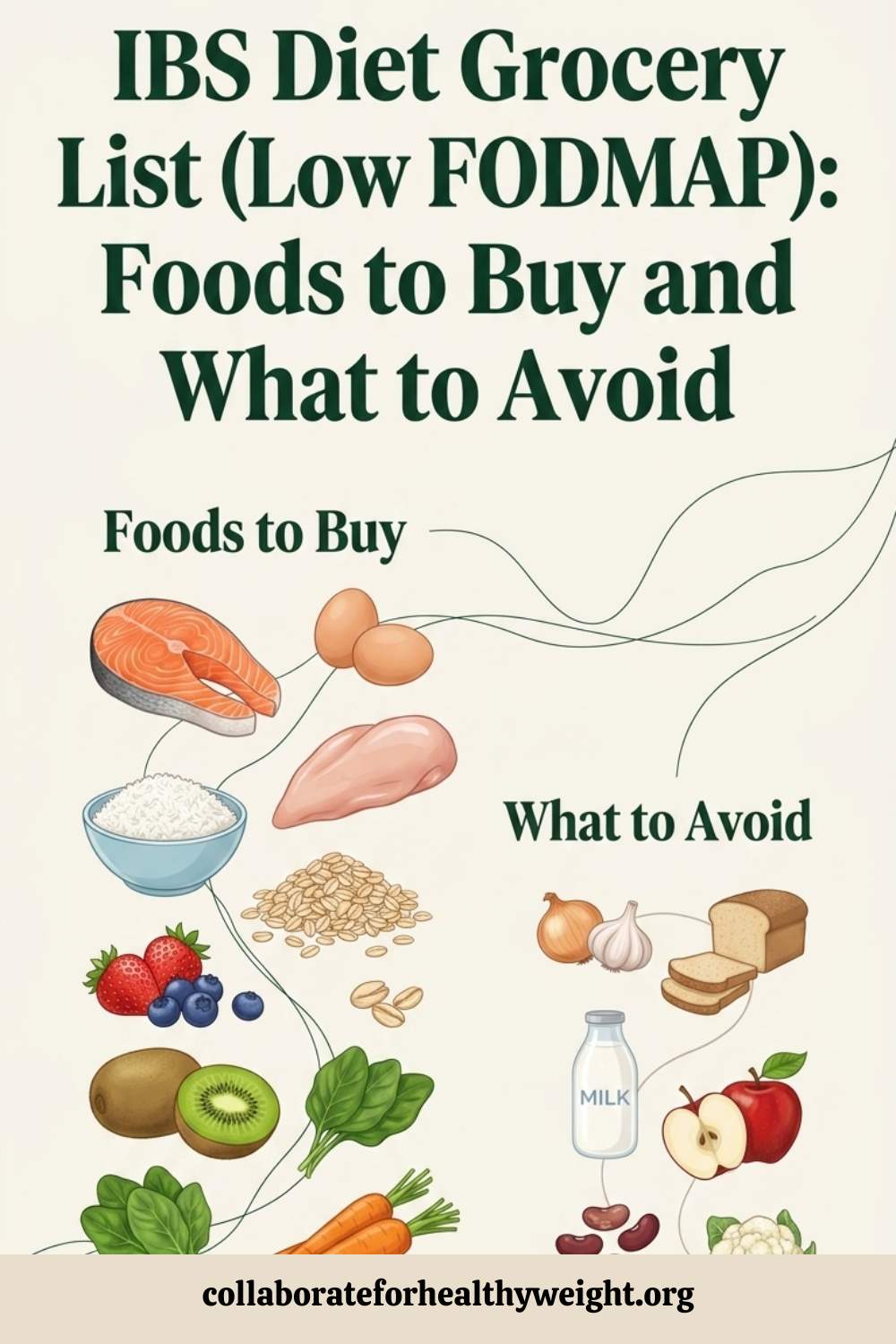
Low FODMAP Foods List: Safe to Buy
Proteins (All Plain, Unprocessed Proteins Are Low FODMAP)
All fresh, unprocessed meat, poultry, fish, eggs, and firm tofu are naturally low FODMAP and can be eaten freely during the elimination phase. The issue arises with marinades, seasonings, sauces, and processed meat products that contain high FODMAP ingredients such as garlic, onion, honey, or high fructose corn syrup.
Safe proteins to buy:
- Chicken breast and thighs (plain, no marinades)
- Ground chicken and ground turkey (plain)
- Turkey breast
- Lean beef (sirloin, tenderloin, ground beef plain)
- Pork tenderloin and pork loin chops
- Lamb (plain cuts)
- Salmon (fresh, canned in water or oil with no added flavoring)
- Tuna (canned in water or oil; check no added onion or garlic)
- Cod, tilapia, halibut, haddock (plain)
- Shrimp and prawns (plain, no seasoning blends)
- Scallops (plain)
- Oysters and mussels (plain)
- Canned sardines in water or olive oil (plain)
- Eggs (all cooking methods)
- Firm tofu (well-pressed; silken tofu is higher in GOS and should be limited)
- Tempeh (fermentation reduces FODMAP content significantly; moderate portions)
Canned fish label check: Many canned fish products contain onion powder, garlic powder, or vegetable broth made with high FODMAP ingredients. Read every ingredient label and choose products with ingredients limited to fish, water or oil, and salt.
Safe plant proteins (in controlled portions):
- Canned chickpeas (rinsed very well; limit to 42g or about a quarter cup per serving; rinsing removes a significant portion of GOS)
- Canned lentils (rinsed thoroughly; limit to 46g or about a quarter cup per serving)
- Firm tofu (limit to 170g per serving)
- Tempeh (limit to 100g per serving)
- Edamame, frozen shelled (limit to 90g per serving)
- Peanuts (limit to 32 nuts or about 28g per serving)
- Peanut butter (limit to 2 tablespoons; no added high fructose corn syrup or honey)
Note on legumes: Legumes are high FODMAP in large portions but low FODMAP in small carefully measured portions when canned and thoroughly rinsed. Dried and home-cooked legumes are higher in GOS than canned and rinsed versions. During Phase 1 elimination, use canned versions only and measure portions carefully.
Low FODMAP Vegetables
This is where the low FODMAP diet requires the most careful navigation. Many commonly eaten vegetables are high FODMAP, while others are completely safe in generous portions.
Freely eat (low FODMAP in standard servings):
- Bean sprouts
- Bell peppers (red, green, yellow, orange)
- Bok choy (up to 1 cup)
- Broccoli heads only (limit to 75g or half a cup; the stalks are higher in fructans)
- Carrots
- Chives (safe substitute for onion and garlic flavor)
- Corn, canned or fresh (limit to half a cob or half a cup)
- Cucumber
- Eggplant
- Ginger (fresh)
- Green beans
- Kale (limit to 1 cup)
- Lettuce (all varieties: romaine, iceberg, butterhead, arugula)
- Olives
- Oyster mushrooms (limit to 85g; most other mushrooms are high FODMAP)
- Parsnips
- Potatoes, white (plain)
- Radishes
- Scallions or green onions, green tops only (the white bulb is high FODMAP)
- Spinach (baby spinach up to 3 cups; mature spinach limit to 1 cup)
- Spring onion tops (green part only)
- Squash, butternut (limit to 70g or about half a cup; higher amounts become high FODMAP)
- Sweet potato (limit to 70g or half a cup)
- Tomatoes (common tomatoes limit to 1 medium; cherry tomatoes limit to 5)
- Turnips
- Zucchini (limit to 65g or half a cup)
High FODMAP vegetables to avoid entirely during Phase 1:
- Garlic (one of the highest fructan foods; avoid completely; use garlic-infused oil as a safe alternative since fructans are not oil-soluble)
- Onions, all types (white, brown, red; extremely high in fructans)
- Shallots (very high in fructans)
- Leeks, the white and light green parts (the dark green tops are low FODMAP)
- Asparagus
- Artichokes
- Beets
- Brussels sprouts
- Cauliflower
- Celery
- Fennel bulb
- Mushrooms (most varieties; oyster mushrooms in limited amounts are the exception)
- Peas, green
- Savoy cabbage
- Snap peas and sugar snap peas
Low FODMAP Fruits
Fruit is a frequent IBS trigger because of excess fructose and polyols. The distinction between low and high FODMAP fruit is not intuitive and does not follow any obvious pattern of sweetness or ripeness in all cases.
Safe fruits (low FODMAP in standard servings):
- Banana (firm, unripe; limit to 1 medium; ripe bananas increase in fructans as they ripen)
- Blueberries (limit to 40 berries or about a quarter cup)
- Cantaloupe or rockmelon (limit to 120g or about three quarters of a cup)
- Clementines (1 medium)
- Grapes (limit to 150g or about 1 cup)
- Kiwi (2 small)
- Lemon and lemon juice (safe in normal amounts used for flavoring)
- Lime and lime juice (safe in normal amounts)
- Mandarin oranges (2 small)
- Oranges (1 medium)
- Papaya (limit to 140g or about 1 cup)
- Pineapple (limit to 140g or about 1 cup; fresh is lower FODMAP than canned in juice)
- Raspberries (limit to 60 berries or about a third of a cup)
- Rhubarb (limit to 265g)
- Strawberries (limit to 10 medium berries)
High FODMAP fruits to avoid entirely during Phase 1:
- Apples
- Apricots
- Avocado (limit to a very small amount; half a small avocado may be tolerated by some but it is borderline)
- Blackberries
- Cherries
- Dates
- Figs
- Grapefruit
- Mango
- Nectarines
- Peaches
- Pears
- Plums and prunes
- Watermelon
Note on avocado: Avocado is borderline and individually variable. Monash University rates one eighth of a whole avocado as low FODMAP and one quarter as the threshold. If you choose to include it, keep portions very small and monitor symptoms carefully.
Low FODMAP Grains and Carbohydrates
Gluten itself is not a FODMAP. The issue with wheat, rye, and barley in IBS is their fructan content, not gluten. Gluten-free products made from low FODMAP flours are safe on the low FODMAP diet, and some people with IBS who believe they are gluten-sensitive may actually be reacting to fructans rather than gluten. If you also need to avoid gluten, the gluten-free diet grocery list covers label reading and safe gluten-free staples.
Safe grains:
- White rice (one of the safest, most gut-neutral foods on the low FODMAP diet)
- Brown rice
- Rice noodles
- Rice cakes (plain, no added flavoring)
- Oats, rolled (limit to 52g or half a cup dry; oats contain some fructans but are low FODMAP in these portions)
- Quinoa
- Buckwheat
- Millet
- Polenta or grits (plain)
- Corn tortillas (plain; check ingredients for added onion or garlic)
- Gluten-free bread (check labels; many contain high FODMAP ingredients like honey, apple juice concentrate, or inulin)
- Gluten-free pasta (rice-based, corn-based, or quinoa-based)
- Sourdough spelt bread (traditional long-fermented sourdough spelt; the fermentation process significantly reduces fructan content; limit to 2 slices)
- Sourdough wheat bread, traditional (same principle as spelt; limit to 2 slices; not regular wheat bread)
Grains to avoid:
- Regular wheat bread and pasta (high fructans)
- Rye bread and rye crackers (very high fructans)
- Barley (high fructans and GOS)
- Most commercial granolas and mueslis (often contain honey, dried fruit, or inulin)
- Wheat-based crackers
- Couscous (wheat-based)
Low FODMAP Dairy and Alternatives
Lactose is the FODMAP concern in dairy. Hard aged cheeses have very low lactose content because lactose is lost during the aging and fermentation process. Lactose-free dairy products are low FODMAP. Many plant milks are low FODMAP.
Safe dairy:
- Lactose-free milk (cow’s milk with lactase added)
- Hard aged cheeses: cheddar, parmesan, Swiss, gruyere, brie, camembert, feta (low lactose due to aging)
- Butter (virtually lactose-free; safe in normal cooking amounts)
- Cream cheese (limit to 2 tablespoons)
- Lactose-free yogurt
- Lactose-free cottage cheese
- Lactose-free sour cream
Safe plant milks:
- Unsweetened almond milk (limit to 1 cup; check no added inulin or chicory root)
- Unsweetened rice milk (limit to 200ml)
- Unsweetened hemp milk
- Unsweetened macadamia milk
- Unsweetened coconut milk, canned (limit to 120ml or half a cup)
Dairy to avoid:
- Regular cow’s milk (high lactose)
- Regular yogurt (high lactose)
- Regular cottage cheese (high lactose)
- Ricotta (high lactose)
- Ice cream (high lactose and often high fructose corn syrup)
- Soy milk made from whole soybeans (high GOS; soy milk made from soy protein isolate is lower FODMAP)
- Oat milk (contains fructans; most commercial oat milks are high FODMAP)
- Cashew milk (high FODMAP)
Low FODMAP Nuts and Seeds
Safe nuts (in controlled portions):
- Macadamia nuts (limit to 20 nuts)
- Peanuts (limit to 32 nuts; technically a legume but low FODMAP in this portion)
- Pecans (limit to 10 nut halves)
- Pine nuts (limit to 1 tablespoon)
- Walnuts (limit to 10 walnut halves)
- Brazil nuts (limit to 10 nuts)
- Almonds (limit to 10 whole almonds; larger amounts become high FODMAP)
- Macadamia nut butter (limit to 2 tablespoons)
- Peanut butter (limit to 2 tablespoons; no added honey or high fructose corn syrup)
Safe seeds:
- Chia seeds (2 tablespoons)
- Linseeds or flaxseeds (1 tablespoon)
- Pumpkin seeds or pepitas (2 tablespoons)
- Sesame seeds (1 tablespoon)
- Sunflower seeds (2 tablespoons)
- Tahini (1 tablespoon)
Nuts to limit or avoid:
- Cashews (very high FODMAP; even small amounts are problematic)
- Pistachios (high fructans; one of the highest FODMAP nuts)
Low FODMAP Fats and Oils
All pure oils and fats are low FODMAP because FODMAPs are carbohydrates and do not dissolve in oil.
- Extra virgin olive oil (safe in any normal cooking amount)
- Garlic-infused olive oil (a critical low FODMAP kitchen staple; fructans from garlic do not transfer into oil during infusion, making this a safe way to get garlic flavor without the FODMAP trigger)
- Avocado oil
- Coconut oil
- Butter and ghee
- Any pure vegetable, nut, or seed oil
Low FODMAP Condiments, Herbs, and Spices
Most dried herbs and spices are low FODMAP in cooking amounts. The primary condiment concerns are garlic, onion, honey, high fructose corn syrup, and added inulin or chicory root fiber in processed products.
Safe herbs and spices:
- All dried herbs in cooking quantities: oregano, basil, thyme, rosemary, parsley, coriander, bay leaves, mint, dill, chives (chives are an important low FODMAP substitute for onion)
- All ground spices in cooking quantities: cumin, turmeric, paprika, smoked paprika, cinnamon, ginger, black pepper, cayenne, chili powder (pure, no added onion or garlic)
- Fresh herbs: parsley, basil, mint, coriander, chives, dill, rosemary, thyme
- Fresh ginger (low FODMAP and helpful for nausea and gut motility)
- Fresh chili (limit to 11g or about one small chili)
Safe condiments:
- Garlic-infused olive oil (key staple; replaces garlic in all cooking)
- Soy sauce or tamari (limit to 2 tablespoons; choose gluten-free tamari to also eliminate wheat)
- Oyster sauce (limit to 1 tablespoon)
- Fish sauce (1 tablespoon)
- Pure maple syrup (limit to 2 tablespoons; lower fructose than honey)
- Rice malt syrup (low FODMAP alternative sweetener)
- Apple cider vinegar (limit to 2 tablespoons)
- Balsamic vinegar (limit to 1 tablespoon)
- White wine vinegar and red wine vinegar (2 tablespoons)
- Dijon mustard (check label for no added onion or garlic; limit to 1 tablespoon)
- Mayonnaise (plain; check for no high fructose corn syrup)
- Pesto (check for no onion or garlic; garlic-infused oil versions are safe)
Condiments to avoid:
- Ketchup (high fructose corn syrup and sometimes onion powder)
- Barbecue sauce (typically very high FODMAP: honey, garlic, onion, high fructose corn syrup)
- Hummus (chickpea and garlic based; high FODMAP)
- Relishes and chutneys with onion, garlic, or stone fruit
- Honey (very high fructose)
- Agave syrup (very high fructose)
- Worcestershire sauce (typically contains garlic and onion)
- Stock cubes and broths with garlic and onion (make your own low FODMAP broth or buy specifically labeled low FODMAP broth)
Low FODMAP Beverages
- Water (primary beverage)
- Black coffee (limit to one strong cup or two small cups; caffeine can stimulate gut motility and worsen IBS-D symptoms in some people)
- Green tea (limit to 1 cup; higher amounts may contain fructans)
- Peppermint tea (actually reduces IBS symptoms for many people; drink freely)
- Ginger tea (gut-calming; drink freely)
- Herbal teas: chamomile (limit to 1 cup), peppermint, rooibos, spearmint
- White wine (limit to 150ml or one glass)
- Vodka, gin, whiskey (limit to one standard drink; avoid mixers with high FODMAP ingredients)
Beverages to avoid:
- Apple juice and pear juice (very high fructose)
- Mango juice
- Rum and cocktails with fruit juice or honey
- Kombucha (variable; many commercial versions contain high FODMAP juices or honey)
- Sodas with high fructose corn syrup
- Sugar-free drinks with sorbitol, mannitol, or xylitol
- Coconut water (high in polyols in large amounts)
IBS Low FODMAP Grocery List by Store Section
This list covers the Phase 1 elimination week for one to two people.
Produce
Vegetables:
- Romaine lettuce or baby arugula (2 bags)
- Baby spinach (1 large bag)
- Bell peppers, red and yellow (4)
- Carrots (500g)
- Cucumbers (3)
- Eggplant (1 medium)
- Green beans (300g)
- Kale (1 bunch; for cooked dishes)
- Bok choy (2 heads)
- Potatoes, white (500g)
- Radishes (1 bunch)
- Tomatoes on the vine (4)
- Cherry tomatoes (1 pint; limit to 5 per serving)
- Zucchini (3 medium; measure portions)
- Butternut squash (1 small; measure portions)
- Oyster mushrooms (200g; the only widely available low FODMAP mushroom)
- Corn on the cob (2)
- Scallions or green onions (2 bunches; use green tops only)
- Fresh ginger (1 large piece)
- Fresh chili (1 small)
- Fresh parsley (1 bunch)
- Fresh chives (1 bunch; key low FODMAP onion substitute)
- Fresh basil (1 bunch)
- Lemon (4)
- Lime (2)
Fruits:
- Strawberries (1 punnet; limit to 10 per serving)
- Blueberries (1 punnet; limit to about a quarter cup)
- Raspberries (1 punnet; limit to about a third of a cup)
- Oranges (4; 1 per serving)
- Kiwi (6; 2 per serving)
- Grapes (1 bunch; limit to 1 cup)
- Firm bananas (1 bunch; 1 medium per serving; choose underripe ones)
- Pineapple, fresh (1; limit to 1 cup per serving)
- Frozen strawberries (1 bag)
- Frozen blueberries (1 bag)
Proteins
- Chicken breasts, skinless plain (600g)
- Ground turkey, plain (500g)
- Salmon fillets, fresh or frozen plain (3 portions)
- Tuna, canned in water plain no added flavoring (3 cans)
- Shrimp, plain frozen no added sodium (1 bag)
- Eggs (2 dozen)
- Firm tofu, well-pressed (2 x 400g blocks)
- Canned chickpeas, low-sodium (2 cans; rinse very thoroughly; limit to quarter cup per serving)
- Canned lentils, low-sodium (1 can; rinse thoroughly; limit to quarter cup per serving)
- Frozen shelled edamame (1 bag; limit to 90g per serving)
- Plain peanut butter, no added sweeteners (1 jar)
Dairy and Alternatives
- Lactose-free milk (1 liter)
- Lactose-free plain yogurt (500g tub)
- Hard cheddar cheese (small block)
- Parmesan (small wedge)
- Feta cheese (200g)
- Butter (1 block)
- Unsweetened almond milk (2 cartons; check label for no inulin or chicory root)
- Unsweetened hemp milk or macadamia milk (1 carton)
Grains
- White rice (1 kg; the safest grain on the low FODMAP diet)
- Brown rice (500g)
- Rolled oats (1 large container; limit half cup dry per serving)
- Quinoa (500g)
- Rice noodles (2 packs)
- Gluten-free pasta, rice or corn-based (2 packs)
- Plain rice cakes (1 pack)
- Corn tortillas, plain (1 pack; check label)
- Gluten-free bread (1 loaf; check label for no honey, inulin, apple juice, or high FODMAP ingredients)
Nuts and Seeds
- Walnuts (150g; limit 10 halves per serving)
- Macadamia nuts (150g)
- Peanuts, plain unsalted (150g; limit 32 per serving)
- Pecans (100g; limit 10 halves)
- Brazil nuts (100g; limit 10)
- Chia seeds (200g)
- Pumpkin seeds (150g)
- Sunflower seeds (150g)
- Sesame seeds (100g)
- Ground flaxseeds (150g)
- Tahini, pure sesame only (1 jar)
- Macadamia nut butter (1 jar)
Oils and Fats
- Garlic-infused olive oil (1 bottle; most important low FODMAP kitchen staple; buy a quality brand or make your own)
- Extra virgin olive oil (1 bottle)
- Coconut oil (1 jar)
- Butter (listed above)
Pantry
- White rice (listed above)
- Gluten-free tamari or soy sauce, low-sodium (1 bottle)
- Fish sauce (1 bottle)
- Pure maple syrup (1 bottle; use in small amounts)
- Apple cider vinegar (1 bottle)
- Balsamic vinegar (1 bottle; limit 1 tablespoon per use)
- Dijon mustard, plain (1 jar; read label)
- Plain mayonnaise (1 jar; read label)
- Canned full-fat coconut milk (2 cans; limit to half cup per serving)
- Canned diced tomatoes, plain no added onion or garlic (2 cans)
- Low FODMAP certified vegetable or chicken broth (2 cartons; or make your own from low FODMAP vegetables)
- Canned chickpeas and lentils (listed above)
- Oyster sauce (1 bottle; 1 tablespoon per serving)
Herbs and spices:
- Sea salt and black pepper
- Dried oregano, basil, thyme, rosemary, parsley, coriander
- Cumin, turmeric, smoked paprika, cinnamon, cayenne
- Ground ginger
- Pure chili powder (no added garlic or onion powder)
Frozen
- Frozen plain salmon or white fish (1 bag)
- Frozen plain shrimp (listed above)
- Frozen edamame shelled (listed above)
- Frozen broccoli (1 bag; limit portion to 75g)
- Frozen spinach (1 bag)
- Frozen strawberries (1 bag)
- Frozen blueberries (1 bag)
- Frozen corn (1 bag; no added sauce or seasoning)
Beverages
- Still water (primary)
- Peppermint tea (1 box; gut-soothing; drink freely)
- Ginger tea (1 box)
- Black coffee (in moderation)
- Green tea (1 box; limit 1 cup)
- Rooibos tea (1 box)
High FODMAP Foods to Avoid in Phase 1
Vegetables (Avoid Completely)
- Garlic (use garlic-infused oil instead)
- All onions: white, brown, red, and shallots
- Asparagus
- Artichokes and Jerusalem artichokes
- Beets
- Brussels sprouts
- Cauliflower
- Celery (even small amounts are high FODMAP)
- Fennel bulb
- Leeks (white and light green part)
- Most mushrooms
- Green peas and snow peas
- Savoy cabbage
Fruits (Avoid Completely)
- Apples and apple juice
- Apricots
- Blackberries
- Cherries
- Dates and figs
- Grapefruit
- Mango
- Nectarines and peaches
- Pears and pear juice
- Plums and prunes
- Watermelon
Grains (Avoid)
- Wheat bread, pasta, and crackers
- Rye bread and crispbreads
- Barley
- Most commercial granola and muesli
- Couscous
Dairy (Avoid)
- Regular milk, yogurt, and ice cream
- Cottage cheese and ricotta
- Oat milk
- Soy milk from whole soybeans
- Cashew milk
Sweeteners (Avoid)
- Honey
- Agave syrup
- High fructose corn syrup (check labels on all packaged products)
- Sugar alcohols: sorbitol, mannitol, xylitol, maltitol (found in sugar-free gum, mints, and some protein bars)
- Inulin and chicory root fiber (added to many yogurts, protein bars, and plant milks as prebiotic fiber; very high FODMAP)
Other
- Most processed sauces: ketchup, BBQ sauce, teriyaki sauce, Worcestershire sauce
- Stock cubes with garlic or onion
- Most hummus
- Cashews and pistachios
Tips for Following the Low FODMAP Diet
Make garlic-infused oil your kitchen foundation. Garlic and onion are the two most common FODMAP triggers and they are in almost everything. Garlic-infused olive oil gives you full garlic flavor with zero FODMAPs because fructans are water-soluble, not fat-soluble, and do not transfer into oil during the infusion process. Use it as your default cooking fat for everything that previously called for garlic.
Use the green tops of scallions and leeks for onion flavor. The white and light green parts of scallions and the white part of leeks are high in fructans. The dark green tops are low FODMAP and can be used freely as an onion substitute in cooked dishes and salads.
Rinse canned legumes thoroughly. Canned and well-rinsed chickpeas and lentils are much lower in GOS than their dried and home-cooked equivalents. Drain and rinse under running water for at least 30 seconds before using, and keep portions to a quarter cup.
Portion size matters as much as food choice. Many foods are low FODMAP in a specific serving size and high FODMAP in larger amounts. Overconsuming even safe foods can trigger symptoms. During Phase 1, measure portions carefully rather than estimating, particularly for fruits, nuts, and legumes.
Do not eat multiple borderline foods in one meal. Even if each individual food is technically low FODMAP at its recommended serving, eating several borderline foods together creates a FODMAP stacking effect that can trigger symptoms. Keep each meal simple and varied rather than concentrating multiple portion-sensitive foods at once.
Use the Monash University FODMAP app. Monash University, which developed the low FODMAP diet, publishes a continually updated app with laboratory-tested FODMAP values for thousands of foods. It is the most reliable reference for accurate, current FODMAP data and is worth using alongside this grocery list.
Read every ingredient label. Garlic powder, onion powder, honey, high fructose corn syrup, chicory root fiber, and inulin appear in a remarkable range of packaged foods including protein bars, plant milks, bread, stock cubes, and seasoning blends. Read every label during Phase 1 without exception.
The Bottom Line
The low FODMAP diet is the most evidence-supported dietary approach for managing IBS, with multiple clinical trials and meta-analyses confirming meaningful improvement in abdominal pain, bloating, and bowel habits for most people who follow it correctly. The Phase 1 elimination phase is temporary, lasting two to six weeks, and is designed to identify your personal trigger foods through systematic reintroduction rather than to restrict your diet permanently. Stock your kitchen with the low FODMAP staples on this list: plain proteins, safe vegetables, low FODMAP fruits in measured portions, white rice, gluten-free grains, lactose-free dairy, hard aged cheeses, garlic-infused olive oil, and peppermint tea. Avoid garlic, onions, wheat, lactose-containing dairy, most legumes in large amounts, high-fructose fruits, and anything containing honey, inulin, or sorbitol. Work through Phase 1 consistently, then reintroduce FODMAP categories methodically to find the personalized long-term diet that controls your IBS while including as many foods as possible.
Disclaimer: Nutritional data referenced in this article is sourced from USDA FoodData Central and FODMAP data from Monash University FODMAP research. This article is for informational purposes only and does not constitute medical or dietary advice. IBS is a medical condition; the low FODMAP diet is ideally undertaken with the guidance of a registered dietitian experienced in FODMAP therapy. Always consult your healthcare provider before beginning an elimination diet.