
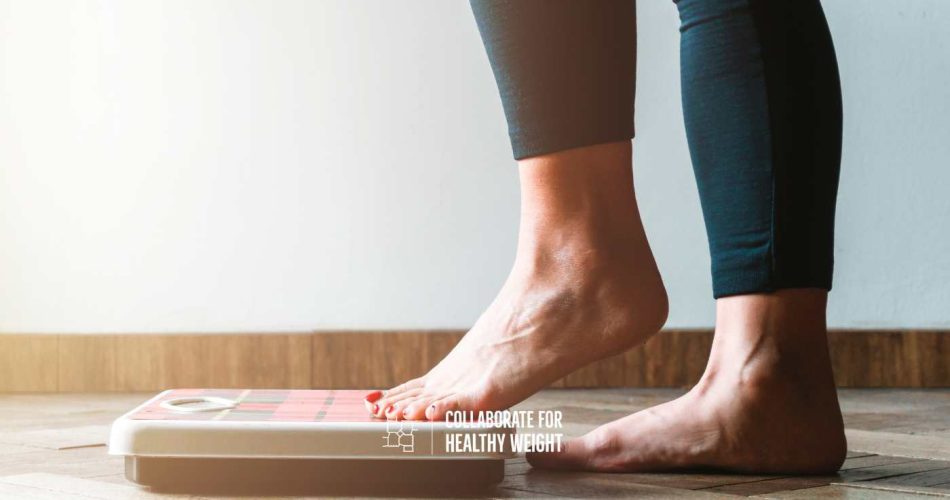
How often should you weigh yourself? Research suggests daily weigh-ins work best for active weight loss, while weekly weigh-ins capture most of the benefit with less stress, and the right answer depends on your goals and your relationship with the scale.
Picture this: You step on the scale Monday morning feeling confident about your weekend choices, only to see a number that sends your motivation plummeting. Sound familiar? The relationship between weighing frequency and success in weight management has been one of the most debated topics in health and fitness circles. Should you weigh yourself daily, weekly, or avoid the scale altogether?
Recent scientific research has provided clearer answers than ever before, revealing that the frequency of your weigh-ins could be the make-or-break factor in achieving your health goals. But the answer isn’t as simple as “daily is best” or “weekly works better.” The optimal weighing frequency depends on your psychology, goals, and relationship with the scale.
Jim Rohn reminds us, “Take care of your body. It’s the only place you have to live.” Understanding how to use the scale as a tool for body care, rather than a weapon against self-esteem, is crucial for long-term success.
Jump to: The Science | Psychology of Weighing | Weight Fluctuations | Your Weighing Schedule | Beyond the Scale | Red Flags | Practical Strategies | Long-Term Perspective | Expert Recommendations | Personal Protocol | FAQ | Conclusion

The Science Behind Self-Weighing: What Research Shows
The Power of Daily Monitoring
A groundbreaking study published in the Journal of the Academy of Nutrition and Dietetics followed 47 overweight adults through a six-month weight loss program. Participants who weighed themselves daily lost significantly more weight than a control group, and daily weighing improved adoption of weight control behaviors, suggesting that the act of stepping on the scale creates a cascade of positive health choices throughout the day.
Another comprehensive study tracking 1,042 adults over a full year found that people who weighed themselves once a week or less showed no weight loss, while those who weighed themselves six or seven times per week averaged a 1.7 percent weight loss. This research, presented at the American Heart Association’s Scientific Sessions, provides compelling evidence for the benefits of frequent self-monitoring.
The Weekly Weigh-In Advantage
However, daily weighing isn’t the only path to success. Research from the University of Sydney found that weekly weighing provides significant benefits for weight management without the potential stress of daily fluctuations. A systematic review of 12 studies discovered that participants who weighed themselves weekly or daily over several months lost 1-3 BMI units more and regained less weight than those who didn’t weigh themselves frequently.
Notably, the weight-loss benefit was evident with weekly weighing, and there was no added benefit with daily weighing. The researchers recommend weighing yourself on the same day, at the same time, and in the same environment each week.
The Maintenance Sweet Spot
Perhaps most encouraging for those worried about scale obsession, research from the University of Florida found that self-monitoring at least three days a week may be enough to support long-term weight-loss maintenance, with greater benefit at five to six days a week. That study tracked food intake rather than scale readings, but it supports the same flexible idea: you don’t need to track every single day to keep results.
Albert Einstein wisely noted, “If you want to live a happy life, tie it to a goal, not to people or things.” This suggests that tying your happiness to consistent, moderate self-monitoring rather than perfect daily adherence might be the key to long-term success.
Understanding the Psychology of Weighing
The Self-Monitoring Effect
The reason weighing frequency matters so much lies in a psychological principle called self-monitoring. Tracking your behavior gives you accountability, creates natural feedback, and serves as a source of motivation: when you follow your plan, you start to see changes.
This self-monitoring effect works through several mechanisms:
- Increased awareness of current weight status and trends
- Enhanced accountability for daily choices and behaviors
- Immediate feedback that can guide decision-making
- Motivation reinforcement through visible progress tracking
When Daily Weighing Helps vs. Hurts
Research on the psychological impact of frequent weighing is mixed, and most weight-loss trials screen out people at risk for disordered eating, so the findings don’t apply to everyone.
Daily weighing works best for people who can:
- View the scale objectively without emotional attachment
- Understand normal weight fluctuations
- Focus on trends rather than individual readings
- Use the information to make healthy behavioral adjustments
For individuals prone to anxiety, obsessive thoughts, or disordered eating patterns, daily weighing can become counterproductive and harmful.
The Truth About Weight Fluctuations
Why Your Weight Changes Daily
Understanding normal weight fluctuations is crucial for anyone considering daily weighing. Healthy individuals can see their weight swing by several pounds from one day to the next due to:
Hydration Status: Dehydration can artificially lower your weight, while increased fluid intake or retention can raise it. On average, we lose about 1 liter of sweat during an hour of moderate-intensity exercise, which can temporarily affect scale readings.
Food and Timing: Your weight is naturally lower first thing in the morning after your overnight fast and higher in the evening after daily food and drink intake.
Hormonal Fluctuations: Women may experience fluid retention and temporarily gain 0.5-2kg during the luteal phase of their menstrual cycle.
Sodium Intake: High-sodium meals can cause temporary water retention lasting 1-3 days.
Exercise Effects: Intense workouts can cause temporary inflammation and water retention as muscles repair themselves.
Digestive Transit: The amount of food still being processed in your digestive system affects your weight reading.
Learning to Read the Trends
Buddha taught us, “The groundwork for all happiness is health.” Building happiness around your health journey requires learning to interpret scale data wisely rather than emotionally.
Successful self-weighers learn to focus on weekly averages and monthly trends rather than daily variations. A helpful approach is to calculate your weekly average weight and compare averages over time, which smooths out daily fluctuations and provides a clearer picture of actual progress. Because the scale reflects your overall calorie deficit over time, trends matter far more than any single reading. If the trend stalls for weeks despite consistent habits, our guide on how to break a weight loss plateau explains what to try next.
Finding Your Optimal Weighing Schedule
Daily Weighing: Best Practices and Precautions
If you choose to weigh yourself daily, Cleveland Clinic guidance supports specific best practices:
Timing Consistency: Weigh yourself at the same time every day, preferably first thing in the morning after using the bathroom but before eating or drinking.
Environmental Control: Use the same scale, wear the same amount of clothing (or none), and weigh yourself in the same location.
Mental Preparation: Approach the scale with the mindset of gathering data, not judging yourself. Remind yourself that today’s number is just one data point in a larger trend.
Response Planning: Decide in advance how you’ll respond to both higher and lower numbers. Will you adjust your food choices? Your activity level? Your hydration focus?
Weekly Weighing: The Balanced Approach
Weekly weighing offers several advantages for those seeking a balance between monitoring and mental health:
Reduced Stress: Less frequent exposure to daily fluctuations reduces anxiety and obsessive thoughts about weight.
Clearer Trends: Weekly readings provide more meaningful data about actual progress versus temporary variations.
Sustainable Long-term: Easier to maintain as a lifelong habit without becoming burdensome.
Consistency Over Calendar: The exact day matters less than sticking to it. Choose one day and time that fits your routine, such as a weekday morning rather than the morning after a big weekend meal, and keep it the same every week.
The Maintenance Model: 3-4 Days Per Week
For those in maintenance mode, weekly weighing or a few weigh-ins per week can effectively prevent weight regain while reducing the burden of daily monitoring. The University of Florida research on self-monitoring above supports this kind of flexible schedule rather than every-day tracking.
This approach works best when:
- You’ve already achieved your weight loss goals
- You’ve developed strong healthy habits
- You want to maintain awareness without daily pressure
- You prefer flexibility in your routine
Michael Jordan reminds us, “Obstacles don’t have to stop you. If you run into a wall, don’t turn around and give up. Figure out how to climb it, go through it, or work around it.” Adapting your weighing frequency as your goals and circumstances change demonstrates this same flexible problem-solving approach.
Beyond the Scale: Comprehensive Progress Tracking
Alternative Measurement Methods
While the scale provides valuable data, it’s not the only or necessarily the best measure of health progress. For a full guide, see our article on non-scale victories and how to track progress without the scale. Consider incorporating these additional tracking methods:
Body Composition: Track body fat percentage and muscle mass using smart scales or professional body composition analysis.
Measurements: Monitor waist, hip, chest, arm, and thigh circumferences monthly. The American Heart Association recommends waist measurements of less than 40 inches for men and less than 35 inches for women.
Photos: Take monthly progress photos in consistent lighting, clothing, and poses.
Fitness Metrics: Track strength gains, endurance improvements, flexibility increases, and energy levels.
Health Markers: Monitor blood pressure, resting heart rate, sleep quality, and laboratory values like cholesterol and blood glucose.
Functional Improvements: Notice improvements in daily activities, reduced pain, better sleep, or increased energy.
The Power of Habit Tracking
Tracking healthy habits can be just as valuable as tracking weight for staying on course, and our guide to building healthy habits that stick shows how to make them automatic. Consider monitoring:
- Daily vegetable servings
- Water intake
- Exercise minutes
- Sleep hours
- Stress management activities
- Mindful eating practices
William James observed, “If you can change your mind, you can change your life.” Shifting focus from purely weight-based tracking to habit-based tracking can create this transformative mindset change.
Red Flags: When to Step Away from the Scale
Warning Signs of Unhealthy Scale Relationships
Despite the benefits of regular weighing, it’s not appropriate for everyone. Consider reducing or eliminating scale use if you experience:
Emotional Distress: If weighing yourself consistently causes anxiety, depression, or mood swings, the scale may be doing more harm than good.
Obsessive Behaviors: Multiple daily weigh-ins, inability to function without knowing your weight, or organizing your day around scale readings.
Restrictive Eating: Using scale numbers to justify skipping meals, extreme calorie restriction, or other unhealthy eating behaviors.
Body Dysmorphia: Inability to see your body accurately regardless of what the scale shows.
Past Eating Disorders: Individuals with a history of eating disorders should consult healthcare providers before implementing regular weighing routines.
Alternative Approaches for Scale-Sensitive Individuals
If the scale triggers negative behaviors or emotions, consider these alternatives:
- Focus exclusively on habit tracking
- Use clothing fit as your primary measure
- Schedule monthly or quarterly weigh-ins with a healthcare provider
- Emphasize energy levels and mood as success indicators
- Concentrate on strength and fitness improvements
Practical Implementation Strategies
Setting Up Your Weighing Routine
Choose Your Frequency: Based on your goals, personality, and relationship with the scale, decide whether daily, weekly, or 3-4 times per week works best for you.
Create Consistency: Establish specific times, locations, and conditions for weighing to ensure accurate comparisons.
Prepare Mentally: Develop a pre-weighing routine that puts you in the right mindset for objective data collection rather than emotional judgment.
Plan Your Response: Decide in advance how you’ll interpret and respond to different scale readings.
Technology Tools and Apps
Modern technology offers sophisticated tools for weight tracking:
- Smart scales that automatically sync with apps
- Weight tracking applications with trend analysis
- Integration with fitness trackers and health platforms
- Data visualization tools that highlight patterns over time
If you prefer pen and paper, our guide to crafting a weight journal shows how to set one up.
Steve Jobs reminded us, “Your time is limited, don’t waste it living someone else’s life.” Using technology to streamline your tracking process allows you to spend more time living your authentic, healthy life rather than obsessing over numbers.
The Long-Term Perspective
Building Sustainable Habits
The goal of any weighing routine should be building sustainable, healthy habits rather than achieving perfect adherence to a tracking schedule. Research consistently shows that:
- Consistency matters more than perfection
- Trends are more important than individual readings
- Sustainable approaches yield better long-term results than extreme measures
- Flexibility in methods promotes long-term adherence
Evolving Your Approach
Your optimal weighing frequency may change as your goals, circumstances, and relationship with the scale evolve. Someone might benefit from daily weighing during active weight loss, transition to weekly weighing during maintenance, and eventually move to monthly check-ins once stable habits are established.
Leo Tolstoy simply stated, “If you want to be happy, be.” This wisdom applies perfectly to scale use: if weighing yourself contributes to your happiness and health, continue; if it detracts from your wellbeing, modify your approach.
Expert Recommendations and Guidelines
What Healthcare Professionals Recommend
Most healthcare professionals support regular self-weighing with important caveats:
- The frequency should be individualized based on goals and psychological factors
- Focus should be on trends rather than individual readings
- Scale use should be combined with other health metrics
- Any signs of obsessive or unhealthy behaviors should prompt immediate cessation
- Professional guidance is valuable for developing appropriate monitoring strategies
Special Considerations
Certain populations may need modified approaches:
- Athletes: May see larger fluctuations due to training demands and muscle development
- Older Adults: May benefit from weekly weighing to catch gradual changes
- Individuals with Medical Conditions: Should follow specific healthcare provider recommendations
- Recovery Populations: May need to avoid scales entirely or use them only under professional supervision
Making It Work for You
Sample Schedules for Different Goals
Active Weight Loss: Daily weighing with weekly average calculations Weight Maintenance: 3-4 times per week or weekly weighing Habit Building: Weekly weighing combined with daily habit tracking Health Monitoring: Monthly weighing with quarterly comprehensive assessments
Creating Your Personal Protocol
- Assess Your Relationship: Honestly evaluate your emotional response to scale readings
- Define Your Goals: Clarify whether you’re focused on loss, maintenance, or general health
- Choose Your Frequency: Select daily, weekly, or modified schedules based on research and personal factors
- Establish Consistency: Create specific protocols for timing, conditions, and recording
- Plan for Challenges: Develop strategies for handling plateaus, fluctuations, and setbacks
- Regular Evaluation: Periodically assess whether your chosen approach is serving your goals
Dalai Lama teaches, “A calm mind brings inner strength and self-confidence, so that’s very important for good health.” The right weighing routine should contribute to this calm confidence rather than undermining it.
How Often Should You Weigh Yourself? Frequently Asked Questions
How often should you weigh yourself to lose weight?
Weekly weighing captures most of the benefit for most people: the University of Sydney review of 12 studies found that the weight-loss benefit was evident with weekly weighing and there was no added benefit with daily weighing. Daily weighing can still help if you can treat each number as data, and a six-month trial of 47 overweight adults found that daily weighers lost significantly more weight than a control group. Choose the frequency you will actually keep up without stress.
How often should you weigh yourself to maintain your weight?
Weekly weighing, or a few weigh-ins per week, is a sensible maintenance schedule. A University of Florida study found that self-monitoring at least three days a week was associated with maintaining weight loss, with more benefit at five to six days. That study tracked food intake, so treat it as evidence for flexibility rather than a strict weigh-in prescription.
What is the best time of day to weigh yourself?
First thing in the morning, after using the bathroom and before eating or drinking, wearing the same amount of clothing on the same scale. Your weight is naturally lower after the overnight fast and higher in the evening after a day of food and drink.
Why does my weight change so much from day to day?
Daily swings of a few pounds usually reflect water, not fat. Hydration, sodium intake, the timing and size of meals, hormonal shifts (many women gain 0.5-2 kg during the luteal phase), exercise-related water retention, and digestive contents all move the number. Tracking a weekly average smooths this noise out.
Is it bad to weigh yourself every day?
Not necessarily. Daily weighing works for people who can treat each reading as one data point in a trend. It is not a good fit if weighing triggers anxiety, obsessive checking, or restrictive eating, or if you have a history of an eating disorder. In those cases, talk to a healthcare provider and consider habit-based tracking or occasional weigh-ins instead.
Conclusion: Your Path to Scale Success
The question “How often should you weigh yourself?” doesn’t have a universal answer, but it does have a personalized one for each individual. The research clearly shows that regular self-weighing can be a powerful tool for weight management and health improvement, but the frequency that works best depends on your goals, psychology, and life circumstances.
For active weight loss, weekly weighing delivers most of the benefit, and daily weighing can add awareness and accountability for people who handle it well. For maintenance, weekly weighing or a few weigh-ins per week offers an excellent balance of monitoring and flexibility. For those focused primarily on healthy habits, less frequent weighing combined with comprehensive lifestyle tracking may be optimal.
The key is to approach the scale as a tool for health enhancement rather than self-judgment. When used wisely, regular weighing provides valuable feedback that can guide healthier choices and keep you on track toward your goals. When it becomes a source of stress or unhealthy behaviors, it’s time to step back and reassess your approach.
Remember that your weight is just one measure of health among many. Energy levels, sleep quality, fitness improvements, mood stability, and overall life satisfaction are equally important indicators of your wellbeing. The best weighing routine is one that contributes to your overall health and happiness while providing useful information for maintaining your wellness journey.
Buddha reminds us, “It is health that is real wealth.” Whether you weigh yourself daily, weekly, or somewhere in between, make sure your approach to the scale contributes to this true wealth rather than detracting from it. Your future self will thank you for finding the balance that works for your unique journey toward optimal health.
Always consult with healthcare providers about the best monitoring approach for your circumstances, especially if you have a history of eating disorders or other health conditions that might be affected by regular weighing.
References:
- Weighing everyday matters: Daily weighing improves weight loss and adoption of weight control behaviors – PMC
- The pros and cons of weighing yourself every day – American Heart Association
- How often should you really weigh yourself? – The University of Sydney
- How much self-monitoring for weight loss is enough? – University of Florida
- The Best Time To Weigh Yourself – Cleveland Clinic


