
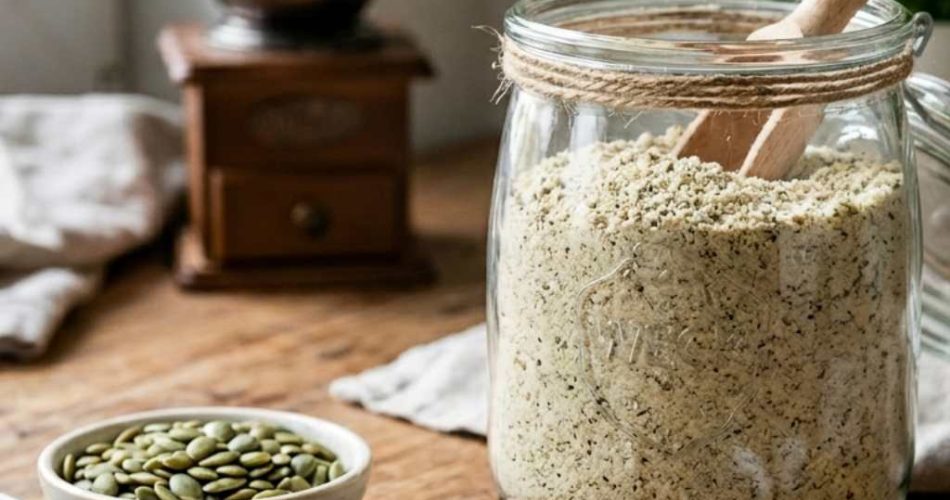
Commercial protein powder is expensive, and once you read the ingredient labels closely, often disappointing. Fillers, artificial sweeteners, gums, emulsifiers, and heavy metal contamination issues that surface in third-party testing regularly are not what you signed up for when you bought a tub in the name of clean eating. The alternative is simpler than most people realize: you can make your own protein powder at home in about 15 minutes, for 60 to 70 percent less than the cost of a comparable commercial product, using ingredients you can recognize and pronounce.rnrnHomemade protein powder will not match the protein concentration of whey isolate or pea protein isolate directly. A commercial whey isolate delivers 25 to 30 grams of pure protein per 30-gram scoop because the protein has been extracted and concentrated from its source material. A homemade blend made from whole seeds and nuts delivers 8 to 15 grams per serving alongside fat, fiber, and a broader spectrum of micronutrients. Whether that trade-off works for you depends on your goals. If you need maximum protein per gram, homemade seed blends are a supplement to your diet. If you want clean, whole food protein you can add to smoothies, oats, and baking without worrying about what else is in the bag, homemade is the better option.rnrnThese 5 recipes cover a range of goals, flavors, and dietary needs. Each one stores for up to 3 months in an airtight container and works in smoothies, overnight oats, protein balls, pancake batter, and more.rnrnJump to: What You Need | Protein Per Serving | 5 Recipes | How to Use It | Troubleshooting | FAQ | The Bottom Linern
What You Need to Make Homemade Protein Powder
rnEquipment: A high-speed blender, a coffee or spice grinder, or a food processor. A coffee grinder produces the finest powder and works best for small batches. A high-speed blender works well for larger batches but requires stopping and scraping frequently. A food processor produces a coarser texture that works in smoothies but may feel gritty in baked goods.rnrnThe critical technique: Grind each ingredient separately before combining. Different seeds and nuts require different grinding times, and grinding them together often means some are over-processed (becoming seed butter) while others remain whole. Pulse in 10-second bursts rather than running continuously to prevent the friction heat that releases oils and turns the mixture into paste.rnrnStorage: Use airtight glass jars with a food-safe desiccant packet inside. Store in a cool, dry location away from light. Blends containing ground flaxseed, hemp hearts, or chia seeds have oils that oxidize and go rancid; refrigerate these blends and use within 3 months. Blends made primarily from pea protein isolate store for up to 6 months at room temperature.rn
Understanding Protein Per Serving
rnHomemade protein powders use real, whole food ingredients rather than protein isolates. Here is what each common ingredient provides per 2 tablespoons (roughly 20 to 25g):rn
| Ingredient | Protein per 2 tbsp | Notes |
|---|---|---|
| Pea protein isolate | 16g | Mildest flavor; highest protein per gram |
| Hemp hearts (ground) | 6g | Complete protein; all 9 essential amino acids |
| Pumpkin seeds (ground) | 5g | High in zinc, magnesium, iron |
| Sunflower seeds (ground) | 4g | Mild flavor; high vitamin E |
| Chia seeds (ground) | 3g | High fiber; omega-3 ALA |
| Ground flaxseed | 3g | Lignans; omega-3 ALA |
| Quinoa flakes (ground) | 4g | Complete protein; all 9 essential amino acids |
| Peanut powder | 8g | Highest protein nut option; strong flavor |
| Almond meal | 3g | Mild flavor; high vitamin E and magnesium |
rn rn
5 Homemade Protein Powder Recipes
rn
1. Classic Seed Blend (Everyday Use)
rn rnrnBest for: Smoothies, overnight oats, protein balls, baked goodsrnrnFlavor profile: Mildly nutty, neutral, works with any recipernrnThis is the foundation recipe. It uses five of the most protein-dense seeds available, each ground individually and combined into a versatile powder that blends invisibly into most foods. Hemp hearts are the anchor ingredient because they are one of the only plant foods that provide all nine essential amino acids in a single source. Hemp seeds contain 10 grams of complete protein per ounce alongside omega-3 and omega-6 fatty acids, magnesium, iron, calcium, zinc, and selenium, making them the most nutritionally complete base for a homemade protein powder.rnrnIngredients (makes approximately 2 cups / 16 servings):rn
- rn t
- ½ cup hemp hearts
- ½ cup pumpkin seeds
- ¼ cup sunflower seeds
- ¼ cup chia seeds
- ¼ cup ground flaxseed (or whole flaxseeds, ground fresh)
- 1 tsp vanilla powder (optional, for sweet recipes)
rn t
rn t
rn t
rn t
rn t
rn
rnMethod:rnrnGrind hemp hearts in a coffee grinder for 5 to 7 seconds until a fine powder forms. Be careful not to over-process; hemp hearts become hemp butter quickly. Transfer to a large bowl. Grind pumpkin seeds for 10 to 12 seconds until a coarse powder forms. Transfer to bowl. Grind sunflower seeds for 8 to 10 seconds. Grind chia seeds for 5 seconds. Add pre-ground flaxseed directly (or grind whole flaxseeds 8 seconds). Combine all in the bowl with vanilla powder if using. Stir thoroughly. Transfer to an airtight glass jar. Refrigerate and use within 3 months.rnrnUsage: 3 tablespoons per serving (approximately 30g).rnrnNutrition per serving (3 tbsp):rn
| Nutrient | Amount |
|---|---|
| Calories | 130 |
| Protein | 7g |
| Carbohydrates | 6g |
| Fat | 9g |
| Fiber | 3g |
rn
2. High-Protein Performance Blend (Pea Protein Base)
rnBest for: Post-workout shakes, high-protein smoothies, anyone targeting muscle buildingrnrnFlavor profile: Mild, slightly earthy; best with chocolate or vanilla flavoringrnrnThis blend uses pea protein isolate as its base. Pea protein isolate is the most practical single ingredient for homemade high-protein powder because it is approximately 80 to 85 percent protein by weight, mixes relatively smoothly, has a mild flavor, and is available from bulk supplement suppliers significantly cheaper than finished commercial products. A 70:30 blend of pea protein to rice protein covers the methionine gap in pea protein while maintaining pea’s high lysine content, closely approaching the essential amino acid coverage of whey protein, making this the most complete plant-based homemade option.rnrnRice protein concentrate is available from the same bulk supplement suppliers as pea protein. Together, they produce a complete amino acid profile that rivals whey for muscle building purposes.rnrnIngredients (makes approximately 2½ cups / 20 servings):rn
- rn t
- 1 cup pea protein isolate (bulk, unflavored)
- ½ cup rice protein concentrate (bulk, unflavored)
- ¼ cup ground hemp hearts
- 2 tbsp raw cacao powder
- 1 tbsp vanilla powder or 2 tsp vanilla extract (add to each serving)
- 1 tbsp monk fruit sweetener or stevia (adjust to taste)
- ¼ tsp sea salt
rn t
rn t
rn t
rn t
rn t
rn t
rn
rnMethod:rnrnGrind hemp hearts separately in a coffee grinder 5 to 7 seconds until powdered. Combine pea protein, rice protein, ground hemp, cacao powder, vanilla powder, sweetener, and salt in a large bowl. Whisk vigorously for 2 minutes to fully distribute the sweetener and cacao. Transfer to a wide-mouth airtight jar. Sift through a fine mesh sieve for the smoothest texture. Store in a cool, dry location up to 6 months.rnrnUsage: 2 heaped tablespoons per serving (approximately 30g).rnrnNutrition per serving (2 tbsp):rn
| Nutrient | Amount |
|---|---|
| Calories | 115 |
| Protein | 20g |
| Carbohydrates | 5g |
| Fat | 2g |
| Fiber | 2g |
rnNote: Pea protein isolate and rice protein concentrate are available from bulk supplement retailers (BulkSupplements, True Nutrition, MyProtein bulk unflavored options). Buying in 1 to 2 lb bags reduces the per-serving cost to a fraction of a finished commercial product.rn
3. Chocolate Peanut Butter Protein Powder
rn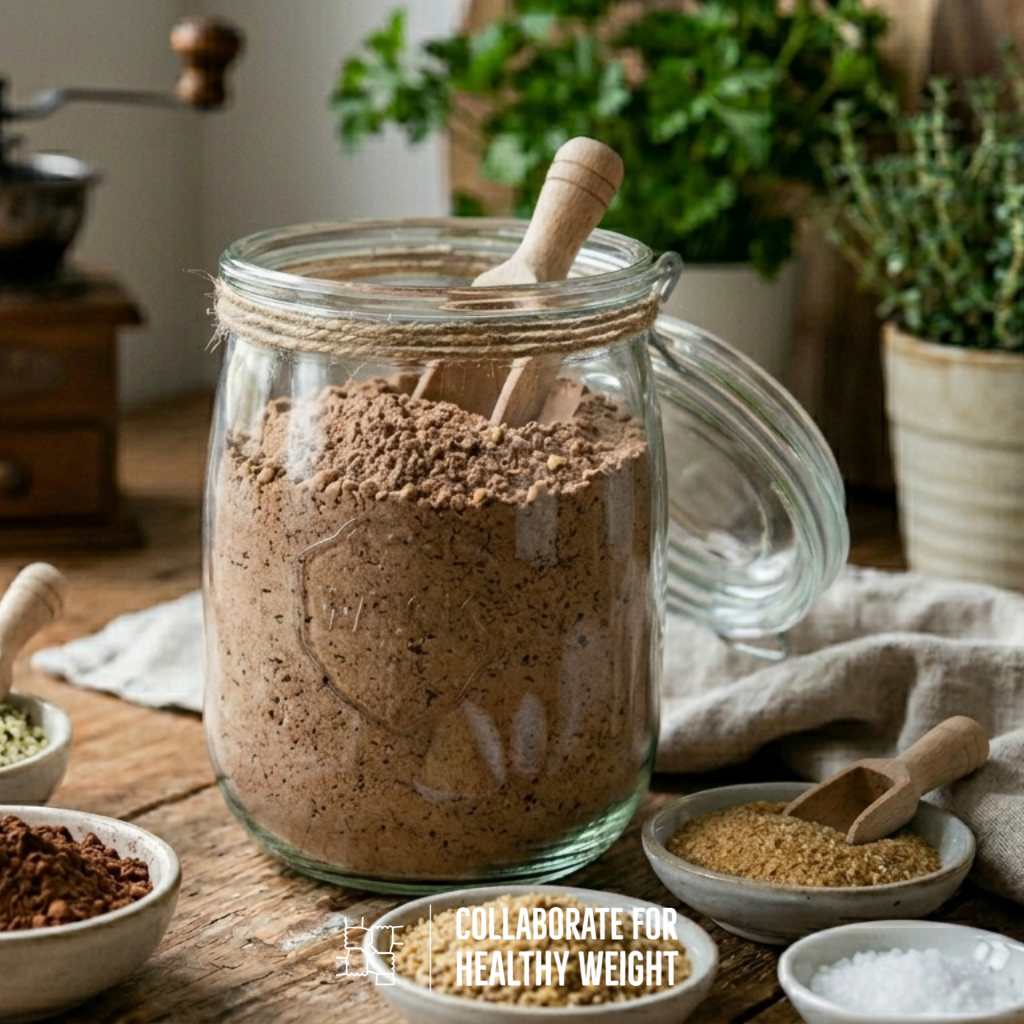 rnrnBest for: Chocolate smoothies, protein balls, protein pancakes, mug cakesrnrnFlavor profile: Rich chocolate peanut butter; strong enough to make anything taste like dessertrnrnThis is the recipe for people who tried commercial chocolate protein powder, found it chalky and artificial, and gave up. The peanut powder delivers real roasted peanut flavor alongside 8 grams of protein per 2 tablespoons. The cacao powder adds antioxidant-rich bitterness that balances the sweetness of the sweetener. Together they produce a powder that genuinely tastes good stirred into almond milk alone. Raw cacao powder has more antioxidants than blueberries and is the highest plant-based source of iron, making it a genuinely functional addition to a protein powder rather than just a flavoring agent.rnrnIngredients (makes approximately 2 cups / 16 servings):rn
- rn t
- ½ cup defatted peanut powder (PB2 or similar; plain, unsweetened)
- ½ cup hemp hearts, ground
- ¼ cup raw cacao powder
- ¼ cup ground pumpkin seeds
- 2 tbsp ground flaxseed
- 2 tbsp monk fruit sweetener or coconut sugar
- 1 tsp vanilla powder
- ¼ tsp sea salt
- Optional: ¼ tsp cinnamon (excellent with chocolate)
rn t
rn t
rn t
rn t
rn t
rn t
rn t
rn t
rn
rnMethod:rnrnGrind hemp hearts 5 to 7 seconds until powdered. Grind pumpkin seeds 10 to 12 seconds until coarsely powdered. Combine all ingredients in a large bowl. Whisk thoroughly for 2 minutes, ensuring cacao and sweetener distribute evenly through the powder (uneven distribution means inconsistent flavor batch to batch). Taste and adjust sweetener. Transfer to an airtight glass jar. Refrigerate and use within 3 months.rnrnUsage: 3 tablespoons per serving (approximately 30g).rnrnNutrition per serving (3 tbsp):rn
| Nutrient | Amount |
|---|---|
| Calories | 125 |
| Protein | 10g |
| Carbohydrates | 8g |
| Fat | 6g |
| Fiber | 3g |
rn
4. Vanilla Almond Hormone-Support Blend
rnBest for: Women, particularly those in perimenopause or menopause; daily smoothies and overnight oatsrnrnFlavor profile: Light vanilla almond with a slightly warm, earthy undertone from macarnrnThis blend is designed specifically for women who want protein powder that also works with their hormonal health. Ground flaxseed provides lignans that support estrogen metabolism through the gut microbiome. Maca root powder has been studied for its adaptogenic effects on hormonal balance and energy during the menopausal transition. Hemp hearts provide complete protein and magnesium, which is critical for sleep quality and muscle function and commonly deficient in women over 40. Quinoa flakes add complete plant protein and make the texture closer to a conventional protein powder than seeds alone achieve.rnrnIngredients (makes approximately 2 cups / 16 servings):rn
- rn t
- ½ cup quinoa flakes, ground finely
- ½ cup hemp hearts, ground
- ¼ cup whole flaxseeds, freshly ground
- ¼ cup almond meal (or blanched almonds ground to flour)
- 2 tbsp maca root powder
- 1 tbsp vanilla powder
- 1 tbsp monk fruit sweetener or stevia
- ¼ tsp cinnamon
- Pinch of sea salt
rn t
rn t
rn t
rn t
rn t
rn t
rn t
rn t
rn
rnMethod:rnrnGrind quinoa flakes in a coffee grinder 10 to 12 seconds until a fine flour forms. Grind hemp hearts 5 to 7 seconds until powdered. Grind flaxseeds 8 to 10 seconds until fully powdered. Grind almonds 10 seconds until fine. Combine all in a bowl with maca, vanilla, sweetener, cinnamon, and salt. Whisk 2 minutes until evenly combined. Transfer to an airtight jar. Refrigerate and use within 3 months.rnrnUsage: 3 tablespoons per serving (approximately 30g).rnrnNutrition per serving (3 tbsp):rn
| Nutrient | Amount |
|---|---|
| Calories | 120 |
| Protein | 8g |
| Carbohydrates | 10g |
| Fat | 6g |
| Fiber | 3g |
rnNote on maca: Maca has a naturally earthy, slightly butterscotch flavor that some people love and others find overpowering. Start with 1 tablespoon in your first batch and increase to 2 tablespoons once you know how you respond to the flavor and how your body adapts to its effects.rn
5. Three-Seed Minimalist Blend (No Equipment Needed)
rnBest for: People who want the simplest possible version with no coffee grinder required; smoothies onlyrnrnFlavor profile: Mildly nutty and neutral; virtually undetectable in a smoothiernrnThis is the recipe for when you want to start making your own protein powder today, without buying any equipment or specialty ingredients. With just three organic ingredients, hemp hearts, chia seeds, and flaxseeds, you can create a complete plant-based protein source that supports muscle maintenance, digestion, and heart health in less than 5 minutes. The key difference from the other recipes is that this one is blended directly into liquid rather than pre-ground into a fine powder. This means it works in smoothies and overnight oats, but not as well in baked goods where a fine powder is needed for texture.rnrnIngredients (makes approximately 1½ cups / 12 servings):rn
- rn t
- ½ cup hemp hearts (use as-is; no grinding required)
- ½ cup chia seeds (use as-is)
- ½ cup whole flaxseeds (will be blended with liquid at use)
- Optional: 1 tbsp vanilla powder for flavor
rn t
rn t
rn t
rn
rnMethod:rnrnCombine hemp hearts, chia seeds, flaxseeds, and vanilla powder if using in an airtight jar. Shake to combine. That is the entire process.rnrnTo use: Add 3 tablespoons of the blend directly to your blender when making a smoothie. The high-speed blender grinds the seeds during blending, releasing their protein and nutrients into the liquid. For overnight oats, stir 2 tablespoons into the oat mixture the night before; the seeds hydrate overnight and the chia seeds expand into a gel that improves texture.rnrnUsage: 3 tablespoons per serving (approximately 30g).rnrnNutrition per serving (3 tbsp):rn
| Nutrient | Amount |
|---|---|
| Calories | 140 |
| Protein | 7g |
| Carbohydrates | 7g |
| Fat | 10g |
| Fiber | 5g |
rnStorage: Because the seeds are not ground, the oils remain intact and protected. Store in an airtight jar in the pantry for up to 3 months or refrigerate for up to 6 months.rn
How to Use Homemade Protein Powder
rnIn smoothies: Add 3 tablespoons to your blender with other ingredients. Blend on high for at least 60 seconds to fully incorporate the powder and prevent a gritty texture.rnrnIn overnight oats: Stir 2 to 3 tablespoons into the oat and liquid mixture before refrigerating. The seeds and flaxseed absorb liquid overnight, producing a creamier texture by morning.rnrnIn protein balls: Replace or supplement the protein powder in any no-bake protein ball recipe. The seed-based blends work well as a 1:1 substitute, though the protein count per ball will be slightly lower.rnrnIn pancake batter: Add 2 tablespoons per serving of batter. Seed-based powders work well here without the rubbery texture issues that whey protein can cause in heat.rnrnIn baked goods: Use recipes 1, 3, and 4 for baking; the pre-ground texture incorporates more evenly than whole seeds. Add no more than 2 tablespoons per serving of the final product to avoid affecting rise and texture.rnrnIn yogurt and cottage cheese: Stir 2 tablespoons directly into a bowl of Greek yogurt or cottage cheese. The powder absorbs into the dairy base with minimal stirring and is nearly undetectable in flavor.rn
Troubleshooting Common Problems
rnGritty texture: Caused by insufficient grinding. Grind each ingredient in a coffee grinder rather than a blender; the grinder blades produce a finer particle size. For blender-ground powders, sift through a fine mesh sieve before storing.rnrnMixture becomes paste during grinding: You have processed the seeds too long and the oils have released. There is no fix once this happens; prevent it by grinding in 5 to 10 second pulses and checking the texture frequently.rnrnPowder does not dissolve in liquid: Add a small pinch of sunflower lecithin powder (available at health food stores) to the blend before storing. Lecithin is a natural emulsifier that dramatically improves how seed-based powders mix into liquid without affecting flavor.rnrnGoes rancid quickly: Caused by warm storage conditions or exposure to light. Store in dark glass jars in the refrigerator. Blends containing ground flaxseed are the most vulnerable to rancidity; always refrigerate these and use within 3 months.rn
Frequently Asked Questions
rnIs homemade protein powder as effective as store-bought protein powder?rnrnFor building muscle at the highest possible protein density, no; commercial whey or pea isolate delivers 20 to 30 grams per scoop versus 7 to 20 grams from a homemade blend. But for everyday protein supplementation with the added benefit of fiber, healthy fats, and micronutrients that isolates strip out, homemade seed and pea protein blends are genuinely effective, especially the pea-and-rice performance blend above, which comes close to whey’s amino acid profile.rnrnIs it a myth that homemade protein powder always tastes gritty or chalky?rnrnYes. Grittiness is a technique problem, not an ingredient problem. It happens when seeds are ground in a standard blender instead of a coffee or spice grinder, or when the powder isn’t sifted afterward. Grind each ingredient separately in short pulses and sift through a fine mesh sieve, and the texture is smooth, not chalky.rnrnCan homemade protein powder help with weight loss?rnrnIt can support a weight loss plan the same way any adequate protein intake does: protein is more satiating than carbohydrates or fat, which helps reduce overall snacking and calorie intake. The seed-based blends also add fiber, which slows digestion and extends fullness. Homemade powder is not a weight loss product on its own, but swapping a sugary snack for a protein smoothie made with one of these blends is a reasonable strategy within a calorie-controlled diet.rnrnHow long does homemade protein powder last?rnrnMost seed-based blends last up to 3 months refrigerated because the oils in flax, chia, and hemp are prone to oxidation. Blends built primarily from pea protein isolate and rice protein concentrate, which are lower in fat, keep for up to 6 months at room temperature in an airtight container away from light and heat.rnrnIs it safe to eat hemp hearts, chia, and flaxseed raw in a protein powder?rnrnYes. Hemp hearts, chia seeds, and flaxseed are all safe and commonly consumed raw; grinding them, as these recipes do, actually improves nutrient absorption compared to eating the seeds whole, since whole flaxseed in particular can pass through the digestive tract largely intact.rn
The Bottom Line
rnMaking your own protein powder is not complicated. It is a 15-minute process that produces a clean, whole food protein supplement at a fraction of the cost of commercial alternatives, with no artificial sweeteners, no fillers, and no label anxiety. The five recipes above cover everyday use, performance goals, chocolate cravings, hormonal support, and the simplest possible starting point.rnrnStart with Recipe 5 if you want to begin today without any equipment. Move to Recipes 1, 3, or 4 once you have a coffee grinder. And if you are serious about maximizing protein content while keeping the homemade approach, Recipe 2 with bulk pea and rice protein is as close as you can get to a commercial product, built exactly to your specification, for significantly less money. Once you have a batch made, our guide to homemade recipes with protein powder has more ways to put it to work beyond a basic shake.rnrnAll nutritional values are approximate and based on USDA FoodData Central data for individual ingredients. Actual values will vary based on specific ingredients, grind fineness, and serving size measured by weight rather than volume.


