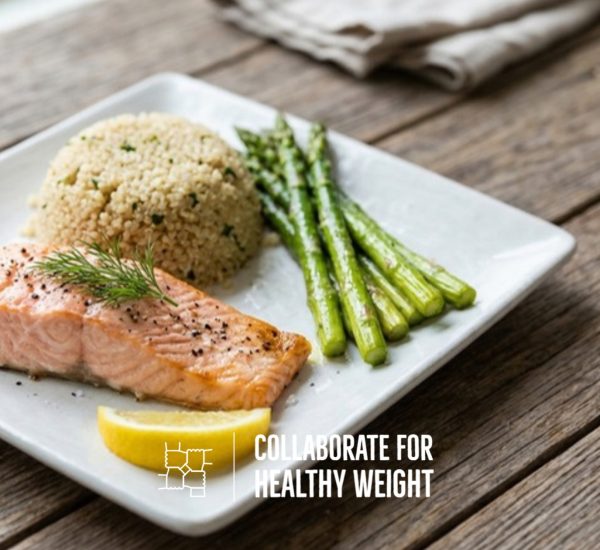
A healthy college grocery list is the fastest way to stop spending money on takeout, vending machine snacks, and dining hall meals you do not actually want. Most students shop with no plan, buy whatever looks easy, and end up with a mini-fridge full of random items that never turn into real meals. This guide gives you a simple system instead: what to buy, how to sort it by store section, and how to keep the total realistic on a student budget.
It is written as a companion to the 7-day healthy college student meal plan for dorms. That article tells you what to eat each day. This one tells you what to put in the cart so those meals (or your own versions of them) actually happen. Whether you live in a dorm with a microwave and a mini-fridge or an apartment with a full kitchen, the lists below flex to fit.
The approach also matches what dietitians teach students. A dietetic intern’s college student grocery list from Food & Nutrition magazine recommends stocking a base of whole grains, lean proteins, fresh and frozen produce, and lower-sugar staples, then keeping a small rotating weekly list of about 15 items to stay on budget and limit impulse buys. The sections below build on that idea with more detail, more options, and a printable-style list at the end.

Jump to: Shopping Strategy | Proteins | Produce | Grains | Dairy | Pantry Staples | Snacks and Drinks | Foods to Limit | List by Store Section | Budget | Dorm vs Apartment | Shopping Tips | FAQ | The Bottom Line
Healthy College Grocery List: A Simple Shopping Strategy
Before the foods themselves, it helps to have a framework. Without one, a grocery trip becomes a series of small decisions made while hungry, tired, and looking at a price tag. A framework turns it into filling in blanks.
Build every cart from five buckets. Aim for something from each: protein, produce, whole grains, dairy or a dairy alternative, and a few flavor-makers (sauces, spices, oils). If a meal in your head has at least a protein, a plant food, and a grain, the grocery list almost writes itself.
Plan five to six dinners and let the rest flex. Breakfasts and lunches in college tend to repeat, so you only need a few versions of each. Dinners are where variety matters, and where leftovers can carry into the next day’s lunch.
Keep a core list and a rotating list. The core list is what you buy nearly every trip (oats, eggs, yogurt, bananas, frozen vegetables). The rotating list is two or three things that change with sales and seasons. This is how you avoid boredom without blowing the budget.
Know your equipment first. A student with only a microwave needs microwave rice cups, steam-in-bag vegetables, and pre-cooked proteins. A student with a stovetop can buy dry rice, dried lentils, and raw chicken thighs, which are cheaper per serving. The list changes accordingly, and the dorm vs apartment section below covers both.
For a sense of scale, the USDA Thrifty Food Plan cost report priced a week of groceries at $58.50 for an adult woman aged 20 to 50 and $73.50 for an adult man in June 2026. The agency suggests adding 20 percent for a one-person household, which brings those figures to roughly $70 and $88. Treat those as a benchmark, not a rule, since prices vary by region and store.
Proteins to Buy
Protein is the item students most often skimp on, and it is the one that makes meals last. MyPlate’s protein foods guidance encourages variety across seafood; meat, poultry, and eggs; beans, peas, and lentils; and nuts, seeds, and soy products. It also notes that adult women aged 19 to 30 need roughly 5 to 6.5 ounce-equivalents a day and men aged 19 to 30 about 6.5 to 7, with one egg, a tablespoon of nut butter, or a quarter cup of cooked beans each counting as a roughly one-ounce-equivalent portion.
That variety rule is also a budget rule. Rotating between a few cheap proteins keeps meals interesting and keeps any single price spike from hurting.
Budget-friendly animal proteins
- Large eggs (a dozen is one of the cheapest protein buys in the store)
- Chicken thighs or drumsticks, bone-in when you have an oven or stovetop
- Rotisserie chicken from the deli (an easy dorm option, covered below)
- Canned tuna and canned salmon
- Ground turkey, in a family pack you can split and freeze
- Turkey or chicken deli slices, low-sodium when possible
Plant proteins that cost the least
- Canned black beans, chickpeas, and kidney beans
- Dried lentils (they cook in about 20 minutes, no soaking needed)
- Tofu, firm or extra firm
- Peanut butter, with peanuts and salt as the only ingredients if possible
- Edamame, frozen
On fish, the FDA’s advice about eating fish lists canned light tuna among its “Best Choices,” suitable for two to three four-ounce servings a week, while albacore (white) tuna is limited to one serving a week. That makes canned light tuna a safe, cheap staple for most students. For more ideas on stretching a protein budget, the budget-friendly high-protein meals under $5 post shows how these ingredients turn into full dinners.
Fruits and Vegetables to Buy
Produce is where student carts usually fall short, partly because fresh items spoil and partly because a mini-fridge has no room. The fix is a mix of fresh, frozen, and canned, chosen for how fast you will actually eat them.
Fresh that lasts
- Bananas (buy a mix of ripe and slightly green)
- Apples and oranges, which hold for a week or more
- Carrots, whole or baby
- Cabbage, a cheap head that lasts two weeks
- Sweet potatoes and regular potatoes
- Onions and garlic
Fresh to eat in the first few days
- Spinach or mixed greens
- Tomatoes or cherry tomatoes
- Bell peppers
- Cucumbers
- Berries, when they are on sale
- Avocados, bought ripe only if you will use them within two days
Frozen and canned (your safety net)
- Frozen broccoli, mixed vegetables, spinach, and stir-fry blends
- Frozen berries and mango for oatmeal and yogurt
- Canned tomatoes, diced and crushed
- Canned corn and green beans, labeled no salt added
- Canned pumpkin, useful for oatmeal and baking
Frozen produce keeps for months in the freezer, which makes it ideal when your schedule is unpredictable. When buying canned vegetables, check the label: the CDC’s sodium guidance notes that the federal recommendation is less than 2,300 mg of sodium a day for teens and adults, that average intake runs above 3,300 mg, and that canned or packaged soups, vegetables, and poultry often carry added sodium, so the no- or low-sodium versions are the better pick.
Whole Grains and Starches to Buy
Grains give you the slow-burning energy that gets you through a three-hour lecture block. MyPlate’s grains guidance recommends making at least half your grains whole, with examples including oatmeal, brown rice, popcorn, bulgur, and anything made with 100 percent whole wheat. For women aged 19 to 30 that works out to about 3 to 4 whole-grain ounce-equivalents a day, and for men aged 19 to 30 about 4 to 5. One slice of bread, one cup of ready-to-eat cereal, or half a cup of cooked rice, pasta, or oatmeal each counts as one ounce-equivalent.
- Old-fashioned or instant oats (plain, not flavored packets, which carry more sugar)
- Brown rice, or microwave brown rice cups for dorms
- Whole-wheat pasta
- 100% whole-wheat bread, tortillas, or wraps
- Quinoa, which cooks quickly and works cold in salads
- Popcorn kernels or plain microwave popcorn
- Whole-grain crackers and brown rice cakes
- Low-sugar whole-grain cereal
Rice cakes deserve a special mention because they work as both a snack base and a light meal. The healthy rice cake toppings guide has plenty of pairings that need no cooking at all.
Dairy and Dairy Alternatives
MyPlate’s dairy guidance puts adult needs at about 3 cups a day, with low-fat or fat-free choices preferred. A cup of milk or yogurt, a cup of calcium-fortified soy milk, or one and a half ounces of hard cheese each counts as one cup. The same page notes that lactose-free milk counts as dairy, and that other plant milks like almond, rice, and oat do not count in the Dairy Group even when fortified, so soy milk is the plant-based option that matches nutritionally.
- Plain Greek yogurt in a large tub (cheaper per serving than single cups)
- Single-serve Greek yogurt cups for the dorm fridge
- Low-fat or fat-free milk, or lactose-free milk
- Calcium-fortified soy milk, if you avoid dairy
- Cottage cheese, a high-protein snack and a good dip base
- String cheese and cheese sticks
- Block cheese, which is cheaper than pre-shredded and keeps longer
- Parmesan, a small wedge that adds flavor to almost anything
Plain yogurt is the quiet star of a student fridge. Flavored versions often have several teaspoons of added sugar per cup, while plain yogurt topped with fruit and a spoonful of honey lets you control the sweetness yourself.
Pantry Staples and Flavor Makers
This is the section that makes cheap ingredients taste like real meals. A well-stocked pantry shelf, even a tiny one, is the difference between “plain rice again” and a bowl you want to eat. You buy these once and they last a semester, so they are the best value on the list.
- Olive oil or another cooking oil
- Low-sodium soy sauce
- Hot sauce or sriracha
- Salsa, no added sugar
- Pasta sauce with no added sugar
- Mustard and vinegar (red wine or apple cider)
- Low-sodium broth or bouillon cubes
- Salt, black pepper, garlic powder, chili powder, cumin, and Italian seasoning
- Cinnamon, for oatmeal and yogurt
- Honey or maple syrup
- Nuts and seeds: almonds, walnuts, chia seeds, or ground flaxseed
- Canned light coconut milk, for curries and oatmeal
- Nutritional yeast, if you eat mostly plant-based
If you can only afford to start with a handful, begin with oil, salt, pepper, garlic powder, chili powder, and soy sauce. Those six cover a surprising range of meals.
Healthy Snacks and Drinks
Snacks are where college eating habits are made or lost. Late-night studying, long gaps between classes, and constant access to vending machines all push toward candy and chips. Stocking better options in your room removes the decision.
Snacks that hold up in a dorm
- Apples with peanut butter packets
- Hummus cups with baby carrots
- Hard-boiled eggs, pre-cooked and packaged
- Roasted chickpeas
- Trail mix made at home from nuts, seeds, and a little dried fruit
- Whole-grain granola bars with short ingredient lists
- Jerky, low-sodium when you can find it
- Popcorn, plain or lightly seasoned
For a deeper bench of ideas, the list of 40 high protein snacks to keep you full is a good place to find ones that fit your fridge space.
Drinks
- A reusable water bottle (the best “grocery” purchase of all)
- Unsweetened tea bags and instant coffee
- Sparkling water for when you want something with fizz
- Milk or soy milk, as part of your dairy servings
Foods to Limit on a College Grocery List
Nothing needs to be banned, but a few categories quietly drain both your budget and your energy when they dominate the cart.
Sugary drinks and energy drinks. They add calories without fullness, and the crash tends to arrive right when you need to focus. Swap in water, tea, or coffee most of the time.
Ultra-processed frozen meals as the daily default. A frozen burrito now and then is fine. As the main strategy, they are expensive per serving and often high in sodium. A bag of rice, a can of beans, and some frozen vegetables cost less and fill you up more.
Flavored instant oatmeal and sweetened cereal. The sugar adds up. Buy plain oats and add your own fruit, cinnamon, and a small drizzle of honey.
Healthy College Grocery List by Store Section
This is the working list. Copy it into your phone’s notes app and delete anything that does not fit your equipment or budget. The items marked “(dorm)” need no stove or oven.
Produce Section
- Bananas
- Apples
- Oranges or clementines
- Baby carrots
- Spinach or mixed greens
- Bell peppers
- Cherry tomatoes
- Cucumbers
- Sweet potatoes
- Onions
- Garlic
- Avocados (when on sale)
Meat, Fish, and Deli
- Rotisserie chicken (dorm)
- Chicken thighs or breasts
- Ground turkey
- Low-sodium deli turkey (dorm)
- Pre-cooked hard-boiled eggs (dorm)
Dairy and Refrigerated
- Eggs, one dozen
- Plain Greek yogurt
- Milk or fortified soy milk
- String cheese (dorm)
- Cottage cheese
- Block cheese
- Hummus cups (dorm)
- Tofu
Frozen Section
- Steam-in-bag broccoli or mixed vegetables (dorm)
- Frozen spinach
- Frozen berries
- Frozen edamame (dorm)
- Frozen stir-fry vegetable blend
- Whole-grain frozen waffles
Grains, Bread, and Cereal Aisle
- Plain oats
- 100% whole-wheat bread or wraps
- Microwave brown rice cups (dorm)
- Brown rice (bag)
- Whole-wheat pasta
- Brown rice cakes (dorm)
- Whole-grain crackers
- Low-sugar cereal
Canned and Jarred Goods
- Canned light tuna
- Canned black beans
- Canned chickpeas
- Diced tomatoes
- Low-sodium broth
- Pasta sauce, no added sugar
- Salsa
- Peanut butter
Snacks and Nuts
- Almonds or walnuts
- Popcorn
- Roasted chickpeas
- Jerky
- Whole-grain granola bars
- Dried fruit, unsweetened
Oils, Spices, and Condiments
- Olive oil
- Soy sauce, low sodium
- Hot sauce
- Mustard
- Garlic powder
- Chili powder
- Cinnamon
- Salt and pepper
- Honey
Drinks
- Tea bags
- Instant coffee
- Sparkling water
How to Keep a Healthy College Grocery List on Budget
Eating well does not have to cost more. In fact, the biggest budget wins come from cooking and packing food instead of buying it ready-made. Here is how the main strategies compare.
| Strategy | How It Saves Money | Best For |
|---|---|---|
| Buy store brands | Same basics at a lower price on oats, beans, frozen vegetables, and canned goods | Everyone |
| Lean on frozen produce | Less waste, since you use only what you need | Small fridges, busy schedules |
| Buy dry beans and lentils | Lower cost per serving than canned | Students with a stovetop |
| Cook once, eat twice | Leftovers replace a second meal purchase | Apartment living |
| Buy block cheese and whole fruit | Pre-cut and pre-shredded versions carry a premium | Anyone with a few extra minutes |
| Split bulk packs with a roommate | Lower unit price without the storage burden | Roommates, apartment suites |
A useful rule is to plan the week’s dinners before you open a single store app. Write down five dinners, pick the ingredients, then check what is already in your room. Only the gaps go on the list. If you are working with an especially tight budget, the 7-day budget meal plan on $50 a week shows how far a small cart can stretch, and the dollar store healthy grocery list covers which pantry items are worth buying there.
Dorm vs Apartment: Adjusting Your List
The same five buckets apply everywhere, but your equipment changes what you buy. Use the version that matches your setup.
Dorm With a Microwave and Mini-Fridge
Your priorities are shelf-stable foods and anything pre-cooked or steam-in-bag. Lean on microwave rice cups, canned beans and tuna, rotisserie chicken, hard-boiled eggs, and frozen steam-in vegetables. A tiny freezer compartment can hold one bag of frozen vegetables and one of berries, so choose the ones you will use most. Skip anything that needs a stove, a baking sheet, or more than a day of fridge space.
Food safety matters more in a mini-fridge, because small units can run warmer than full-size ones. According to USDA guidance on leftovers and food safety, cooked leftovers are safe for three to four days when kept at 40°F or below, and should be reheated to 165°F. Keep a cheap fridge thermometer in your unit and label leftovers with the date.
Apartment With a Full Kitchen
Here the savings come from buying raw and cooking in batches. Add dry rice, dried lentils, a whole chicken or chicken thighs, ground turkey, canned tomatoes, whole-wheat pasta, and fresh vegetables for roasting. A pot of chili, a tray of roasted vegetables with chicken, and a big batch of rice and beans can cover most of the week. The guide to meal prepping for the week in 2 hours lays out how to do it in a single session.
With a Dining Hall Meal Plan
If your school gives you a meal plan, your grocery list shrinks to supplements: breakfast items, a few snacks, fruit, and something for the late-night gap after the dining hall closes. Keep it to around 8 to 10 items. Peanut butter, bananas, yogurt, string cheese, whole-grain crackers, and a box of tea cover most students.
Vegetarian or Plant-Based Students
Shift the protein bucket toward beans, lentils, tofu, edamame, eggs (if you eat them), Greek yogurt, and nuts. Pair them with whole grains and you cover most of your needs. For a full plan with every meal laid out, the 7-day vegetarian meal plan uses many of the same ingredients, and the list of best plant-based protein sources helps you choose.
Grocery Shopping Tips for College Students
Eat before you shop. Shopping hungry is the most reliable way to add chips and cookies to the cart. A banana before you leave saves real money.
Shop the perimeter first, then dip into the aisles. Produce, dairy, eggs, and meat are mostly around the edges. The center aisles are where you grab oats, rice, canned goods, and spices.
Compare unit prices, not sticker prices. The small price per ounce or per count on the shelf tag tells you which size is actually cheaper. Bulk is not always the better deal.
Use the store app and digital coupons. Most grocery chains offer student-friendly digital deals and loyalty pricing. It takes two minutes and often trims a few dollars off the cart.
Healthy College Grocery List FAQs
What should a college student buy at the grocery store?
A balanced college cart includes a few proteins (eggs, canned tuna or beans, chicken), a mix of fresh and frozen produce, whole grains like oats and brown rice, dairy or fortified soy milk, and a small set of pantry flavor-makers. If your cart has something from each of those groups, you can assemble most meals from it.
How much should a college student spend on groceries per week?
The USDA Thrifty Food Plan priced a week of groceries at $58.50 for an adult woman and $73.50 for an adult man in June 2026, with a suggested 20 percent increase for a one-person household. Real spending depends on your region, store, and cooking setup, and many students spend less by relying on store brands, frozen produce, and dry staples.
What can you eat in a dorm without a kitchen?
With just a microwave and mini-fridge you can make oatmeal, microwave rice bowls with canned beans and frozen vegetables, tuna wraps, yogurt parfaits, egg cups, and snack plates with hummus, cheese, and fruit. The 7-day college student meal plan shows these with specific daily menus.
How can college students eat healthy on a budget?
Plan five dinners before shopping, buy store brands, lean on frozen vegetables and fruit, choose cheap proteins like eggs, beans, and canned tuna, cook once and eat twice, and keep a short rotating list so you do not impulse buy. Avoiding sugary drinks and takeout as a daily default often frees up more money than any coupon.
What are healthy snacks for college students?
Good options include Greek yogurt, apples with peanut butter, hummus with carrots, hard-boiled eggs, popcorn, nuts, string cheese, and roasted chickpeas. Pair protein or fiber with each snack to stay full longer during study sessions.
Is frozen produce as healthy as fresh?
Yes, for most purposes. Frozen and canned produce can be as nutritious as fresh when no salt, sugar, or syrup is added, and it lasts far longer, which cuts waste. Choose plain versions without added sugar, syrup, or sauces, and look for no-salt-added canned vegetables to keep sodium in check.
The Bottom Line
A healthy college grocery list does not need to be long or expensive. It needs a few proteins, some fresh and frozen produce, whole grains, dairy or a fortified alternative, and a small set of pantry staples that make everything taste good. Build your cart from those five buckets, adjust for your equipment, and keep a core list you repeat plus a rotating list that changes with sales.
Start with the store section list above, delete what does not fit your setup, and pair it with the 7-day college student meal plan so every item has a job. If you want a broader everyday list to fall back on, the basic healthy grocery list covers what to buy each week in any season.
Nutrition information is based on USDA FoodData Central and the sources linked above. Individual needs vary, so check with a registered dietitian or your campus health center if you have a medical condition, food allergy, or specific dietary requirement.