
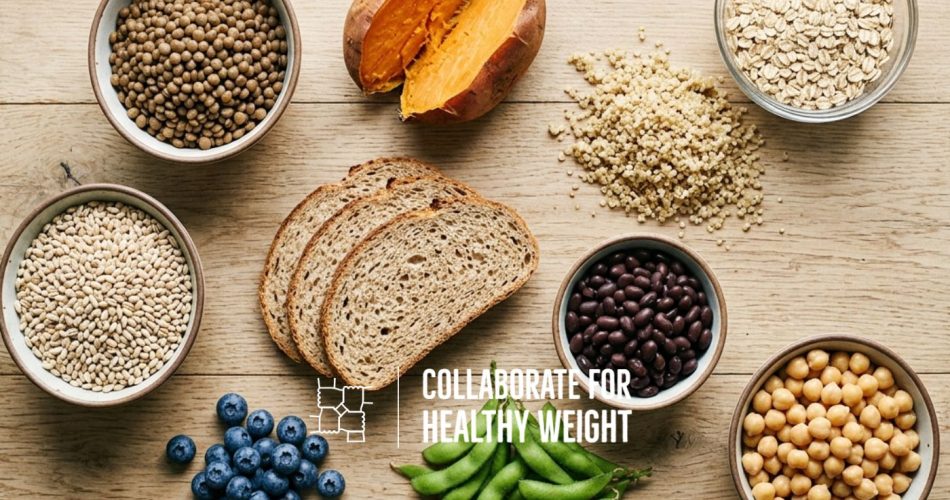
Carbohydrates are not a single thing. The word covers everything from white sugar to lentils, from white bread to oats. What makes a carbohydrate healthy or unhealthy is largely a question of fiber content, nutrient density, glycemic impact, and how minimally processed it is. Whole food carbohydrates that digest slowly, deliver fiber, and arrive packaged with vitamins, minerals, and phytochemicals are among the most health-supportive foods available. Refined carbohydrates stripped of fiber and nutrients are the ones consistently associated with metabolic dysfunction, weight gain, and chronic disease.
The 20 carbohydrates below are the best available across every category: whole grains, legumes, root vegetables, and fruit. Each delivers meaningful fiber alongside a strong nutritional case for regular inclusion in a varied diet. If you are still working out your own target, our guide to how many carbs per day for weight loss explains how to set it.
Jump to: Lentils | Oats | Quinoa | Black Beans | Sweet Potatoes | Chickpeas | Barley | Brown Rice | Kidney Beans | Butternut Squash | Whole Wheat Bread | Buckwheat | Green Peas | Farro | Edamame | Apples | Teff | Navy Beans | Blueberries | Corn | FAQ

20 Healthiest Carbs
1. Lentils
Lentils are arguably the most nutritionally complete carbohydrate available, delivering 18 grams of protein and 16 grams of fiber per cup cooked alongside folate, iron, and zinc. Their protein content means they digest more slowly than most carbohydrates, producing a sustained energy release rather than a blood sugar spike. They also require no soaking and cook in about 20 minutes, making them more practical than most dried legumes.
Carbs per cup (cooked): 40 g | Fiber: 16 g | Protein: 18 g
2. Oats
Oats provide beta-glucan, a soluble fiber with an FDA-approved health claim for reducing LDL cholesterol. The Harvard T.H. Chan School of Public Health notes that oat beta-glucan may also prevent sharp rises in blood sugar and insulin levels. A cup of cooked steel-cut or rolled oats provides 2 to 4 grams of beta-glucan alongside 4 grams of total fiber and 6 grams of protein. Choose steel-cut or rolled over instant, which has a higher glycemic index.
Carbs per cup (cooked): 32 g | Fiber: 4 g | Glycemic index: 55 (medium)
3. Quinoa
Quinoa is one of the few plant foods that provides all nine essential amino acids, giving it a complete protein profile unusual among grains. A cup of cooked quinoa provides 8 grams of protein, 5 grams of fiber, and a broad range of micronutrients including magnesium, phosphorus, and manganese. Naturally gluten-free, it works as a grain bowl base, salad addition, or breakfast porridge.
Carbs per cup (cooked): 39 g | Fiber: 5 g | Protein: 8 g
4. Black Beans
Black beans provide 15 grams of fiber and 15 grams of protein per cup cooked. Their resistant starch content increases when cooked and cooled, feeding beneficial gut bacteria and producing butyrate. Their dark seed coat also supplies anthocyanin antioxidants. Canned black beans are nutritionally comparable to home-cooked, making them a genuinely convenient healthy carbohydrate.
Carbs per cup (cooked): 41 g | Fiber: 15 g | Protein: 15 g
5. Sweet Potatoes
Sweet potatoes are one of the most nutrient-dense starchy vegetables, providing beta-carotene, vitamin C, potassium, and vitamin B6 alongside 4 grams of fiber per medium potato. Their natural sweetness comes from complex carbohydrates that digest more slowly than white potatoes. Baking or roasting rather than boiling preserves more nutritional value and intensifies sweetness without added sugar.
Carbs per medium potato (baked): 27 g | Fiber: 4 g | Vitamin A: 100% DV
6. Chickpeas
Chickpeas provide 12 grams of fiber and 15 grams of plant protein per cup cooked, alongside zinc, folate, and manganese. According to a PMC review on the nutritional value of chickpeas and hummus, emerging research suggests chickpeas play a beneficial role in weight management, glucose and insulin regulation, and cardiovascular disease markers. Roasted chickpeas make a high-fiber snack alternative to chips; hummus extends their reach across dips and spreads.
Carbs per cup (cooked): 45 g | Fiber: 12 g | Protein: 15 g
7. Barley
Barley has the highest beta-glucan content of any whole grain, with 2 to 3 grams per half-cup cooked serving. Harvard Health reports that the FDA approved a cholesterol-lowering health claim for barley in 2008 and that barley contains about three times as much fiber per serving as oats, giving it one of the strongest evidence bases for cardiovascular support among grains.
Pearl barley, while partially refined, still retains more fiber than white rice. Hulled barley is the least processed form and provides the most fiber and nutrients.
Carbs per half cup (cooked): 22 g | Fiber: 3 g | Beta-glucan: 2-3 g
8. Brown Rice
Brown rice retains the bran and germ layers removed from white rice during milling, giving it roughly three times the fiber and a significantly lower glycemic index. It also provides magnesium, phosphorus, and B vitamins largely absent from white rice. Cooking and then refrigerating brown rice overnight also increases its resistant starch content, further moderating its glycemic impact when reheated.
Carbs per cup (cooked): 45 g | Fiber: 3.5 g | Magnesium: 84 mg
9. Kidney Beans
Kidney beans provide 13 grams of fiber per cup cooked alongside folate, iron, and substantial plant protein. Their dark red seed coat contains anthocyanins alongside the fiber and protein of the interior, giving them a broader antioxidant profile than lighter-colored beans. They hold their shape well in soups and stews, making them a practical everyday legume.
Red kidney beans also have one of the lowest glycemic indices of any starchy food, producing a slow, flat glucose response even in people with type 2 diabetes.
Carbs per cup (cooked): 40 g | Fiber: 13 g | Protein: 15 g
10. Butternut Squash
Butternut squash provides a moderate carbohydrate load alongside exceptional beta-carotene, vitamin C, and potassium. A cup of cooked squash delivers 22 grams of carbohydrates and nearly 3 grams of fiber with only 82 calories, making it a nutrient-dense starchy vegetable for people reducing calorie intake without sacrificing volume or satisfaction. For more low-calorie, high-volume options, see our list of the most filling vegetables.
Roasting butternut squash until caramelized produces deep, sweet flavor that makes it a satisfying alternative to higher-calorie starchy sides. Its relatively low glycemic load at a practical serving size keeps its blood sugar impact moderate despite its natural sweetness.
Carbs per cup (cooked): 22 g | Fiber: 3 g | Vitamin A: 457% DV
11. Whole Wheat Bread
Whole wheat bread made with 100 percent whole grain flour retains the fiber, B vitamins, and minerals removed from white flour during refining. Two slices of genuine whole wheat bread provide approximately 4 grams of fiber alongside iron, zinc, and magnesium. The key is checking that the first ingredient listed is “whole wheat flour” or “whole grain flour” rather than “enriched wheat flour,” which indicates a refined product with nutrients added back after the fact.
Stone-ground whole wheat and sourdough whole wheat varieties have a lower glycemic index than standard whole wheat bread due to their denser structure and fermentation process respectively.
Carbs per 2 slices: 24 g | Fiber: 4 g | Iron: 10% DV
12. Buckwheat
Buckwheat is not a wheat at all but a seed in the same family as rhubarb. It is naturally gluten-free and provides a complete protein profile alongside rutin, a flavonoid antioxidant that supports cardiovascular health. Buckwheat groats cooked as a porridge or grain bowl base provide a nutty, slightly earthy flavor and a meaningful fiber contribution.
Soba noodles made from buckwheat flour are a widely available practical application, providing more nutrients than conventional wheat pasta with a lower glycemic impact when cooked al dente.
Carbs per cup (cooked groats): 33 g | Fiber: 4.5 g | Protein: 6 g
13. Green Peas
Green peas sit at an unusual intersection between vegetable and starchy carbohydrate, providing 8 grams of fiber and 8 grams of plant protein per cup cooked at only 134 calories. Their natural sweetness and familiar flavor make them one of the most accessible high-fiber carbohydrates for people who do not regularly eat legumes or whole grains.
Frozen peas retain their nutritional value comparably to fresh and are far more convenient. Adding a cup of peas to soups, stir-fries, and grain bowls is one of the simplest ways to boost the fiber and protein content of a meal with minimal effort.
Carbs per cup (cooked): 25 g | Fiber: 8 g | Protein: 8 g
14. Farro
Farro is an ancient wheat grain with a chewy, nutty character and one of the highest protein contents among commonly available whole grains. A cup of cooked farro provides 8 grams of protein and 3.5 grams of fiber alongside iron, magnesium, and zinc. Its dense structure means it digests more slowly than refined grains, supporting steadier energy without the mid-morning blood sugar drop that follows refined carbohydrate breakfasts.
Farro works particularly well in grain bowls, soups, and hearty salads where its chewy texture holds up against bold dressings and toppings.
Carbs per cup (cooked): 37 g | Fiber: 3.5 g | Protein: 8 g
15. Edamame
Edamame is immature soybeans and functions more like a protein-and-fiber carbohydrate hybrid than a traditional starch. A cup provides 17 grams of protein, 8 grams of fiber, and only 189 calories, giving it one of the most favorable nutrient-to-calorie ratios of any carbohydrate-containing food. As a complete plant protein, it is also one of the few plant carbohydrates that supplies all essential amino acids.
Steamed edamame in the pod is one of the most convenient high-fiber carbohydrate snacks available, requiring only five minutes of preparation.
Carbs per cup (cooked): 14 g | Fiber: 8 g | Protein: 17 g
16. Apples
Apples provide pectin, a soluble fiber that dissolves into a gel in the gut, slowing digestion and feeding beneficial gut bacteria. A medium apple with the skin on provides about 4 grams of fiber alongside quercetin, catechins, and chlorogenic acid, a combination of polyphenols that has been studied for metabolic and cardiovascular health. Eating the skin is essential since most of the fiber and polyphenols are concentrated there.
Research consistently associates apple consumption with lower body weight and better gut microbiome diversity. A PMC review on dietary fiber and gut bacteria notes that fermentable fibers act as prebiotics, feeding beneficial bacteria such as Bifidobacterium species in the gut.
Carbs per medium apple: 25 g | Fiber: 4.5 g | Glycemic index: 38 (low)
17. Teff
Teff is a tiny Ethiopian grain that packs a notably high iron content, more calcium than any other grain, and 4 grams of fiber per cup cooked. It is the staple grain used to make injera, the fermented flatbread central to Ethiopian cuisine, and is gaining broader availability as a nutritious whole grain alternative. Its mild, slightly sweet flavor works well in porridge, baked goods, and grain bowls.
Teff is naturally gluten-free and provides resistant starch that feeds beneficial gut bacteria, adding a prebiotic dimension to its already strong nutritional profile.
Carbs per cup (cooked): 50 g | Fiber: 4 g | Iron: 22% DV
18. Navy Beans
Navy beans lead all common beans for fiber content, providing 19 grams per cup cooked alongside a substantial plant protein contribution. They are also one of the most affordable legumes available, and their mild flavor and soft texture make them adaptable to a wider range of preparations than stronger-flavored beans. White bean soups, stews, and dips are traditional preparations that naturally incorporate large portions.
The high fiber and resistant starch content of navy beans produces one of the lowest glycemic responses of any starchy food and has been specifically studied for its effects on insulin sensitivity and gut microbiome health.
Carbs per cup (cooked): 47 g | Fiber: 19 g | Protein: 15 g
19. Blueberries
Blueberries provide one of the most favorable carbohydrate profiles of any fruit: a cup delivers only 84 calories with 3.6 grams of fiber and one of the highest antioxidant contents in the food supply. A Harvard study found that women who consumed two or more servings of blueberries and strawberries weekly showed delayed memory decline by up to two and a half years, an effect attributed to their anthocyanin content. Wild blueberries have higher anthocyanin content than cultivated varieties.
Adding a cup of blueberries to oatmeal or yogurt simultaneously boosts the fiber, polyphenol, and vitamin C content of a meal at minimal caloric cost.
Carbs per cup: 21 g | Fiber: 3.6 g | Glycemic index: 53 (low)
20. Corn (Whole Kernel)
Whole corn provides 4 grams of fiber per cup alongside lutein, zeaxanthin, and B vitamins, making it a more nutritious choice than its refined forms (cornmeal, corn flour, corn syrup) would suggest. As a whole food, it has a moderate glycemic index and provides carotenoids that support eye health alongside its carbohydrate contribution.
Corn eaten off the cob or as whole kernel corn retains its fiber and most of its nutrients. Choosing whole kernel corn over processed corn products preserves the nutritional profile that makes it a genuinely healthy carbohydrate rather than an empty one.
Carbs per cup (cooked): 41 g | Fiber: 4 g | Glycemic index: 52 (low-medium)
Tips for Choosing the Healthiest Carbohydrates
Fiber is the single most important distinguishing factor. The difference between refined and whole food carbohydrates comes down largely to fiber. Choosing carbohydrates that provide at least 3 to 5 grams per serving automatically shifts your diet toward slower digestion, better satiety, and a healthier gut microbiome. Our guide to how much fiber you should have daily breaks down the targets by age and sex.
Pair carbohydrates with protein and fat at every meal. Even healthy carbohydrates produce a more manageable blood sugar response when eaten alongside protein and fat. A bowl of oats with nut butter and eggs, or lentils with olive oil and leafy greens, digests more slowly and keeps you full longer than the same carbohydrate eaten alone. To rank your options by glycemic impact, use our low glycemic index foods list.
Prioritize legumes over grains when possible. Lentils, chickpeas, black beans, and navy beans consistently outperform grains on fiber, protein, and glycemic response at a comparable carbohydrate load. If your diet currently relies heavily on grains, replacing one grain-based meal per day with a legume-based one meaningfully improves the overall quality of your carbohydrate intake. More options are in our high fiber foods list.
Cook and cool starchy foods for more resistant starch. Cooking grains, legumes, and starchy vegetables then cooling them overnight converts a portion of digestible starch into resistant starch, which feeds beneficial gut bacteria and lowers the glycemic impact when reheated. This applies to rice, potatoes, lentils, pasta, and oats alike.
Frequently Asked Questions
What are the healthiest carbs to eat?
The healthiest carbs are minimally processed whole foods that come with fiber: legumes such as lentils, black beans, and navy beans, intact whole grains such as oats, barley, and quinoa, starchy vegetables such as sweet potatoes and butternut squash, and whole fruit such as apples and blueberries. Fiber slows digestion, so these foods give steadier energy and keep you fuller than refined carbs.
Are carbs bad for weight loss?
No. Carbohydrate quality and portion size matter far more than whether you eat carbs at all. Refined carbs such as white bread, sweets, and sugary drinks are easy to overeat and leave you hungry soon after, while high-fiber carbs such as beans, oats, and vegetables help you feel full on fewer calories. Most people do well building each meal around protein and vegetables and adding a measured portion of a high-fiber carb.
What is the difference between simple and complex carbs?
Simple carbs are sugars that digest quickly, found in table sugar, candy, juice, and also naturally in fruit and milk. Complex carbs are longer chains of starch and fiber, found in grains, legumes, and starchy vegetables, and they generally digest more slowly. The label matters less than the food: whole fruit is a simple carb but comes with fiber, while a refined white roll is technically complex but digests fast.
Are potatoes and white rice unhealthy carbs?
They are not off limits, but they are lower in fiber than the foods on this list and raise blood sugar faster on their own. Eating potatoes with the skin on, cooling cooked potatoes or rice before reheating to increase resistant starch, keeping portions moderate, and pairing them with protein and vegetables all make them a better fit for weight loss.
What is a healthy carb portion per meal?
A common starting point is about a half to one cup of cooked grains, beans, or starchy vegetables per meal, or roughly a quarter to a third of your plate, with the rest filled by vegetables and protein. Your ideal amount depends on your size, activity, and health conditions, so adjust it based on how you feel and check with a registered dietitian if you have diabetes.
The Bottom Line
Lentils, navy beans, black beans, oats, and quinoa stand at the top of the healthy carbohydrate list for their combination of fiber, protein, and micronutrient density. Sweet potatoes, butternut squash, and whole grains like barley and farro provide the best options among starchy vegetables and grains. The consistent principle across every category is the same: the closer a carbohydrate is to its whole, unprocessed form, the better its nutritional profile and the more it supports steady energy, satiety, and long-term health.
Nutrition data sourced from the USDA FoodData Central database. Glycemic index values are approximate and based on published research; individual responses vary based on food preparation, combination with other foods, and personal metabolic factors.


