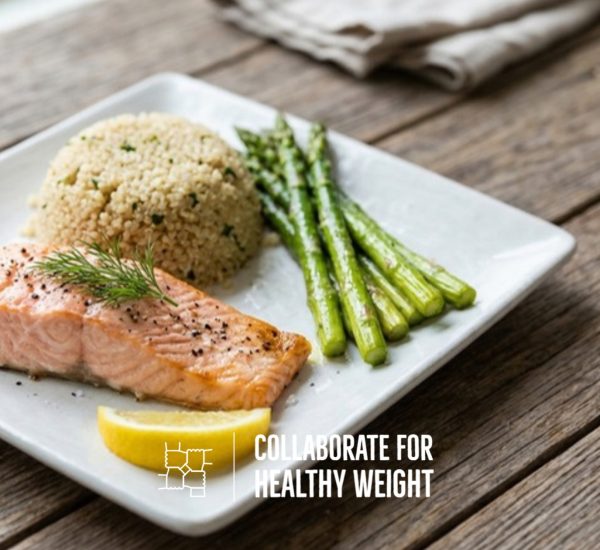
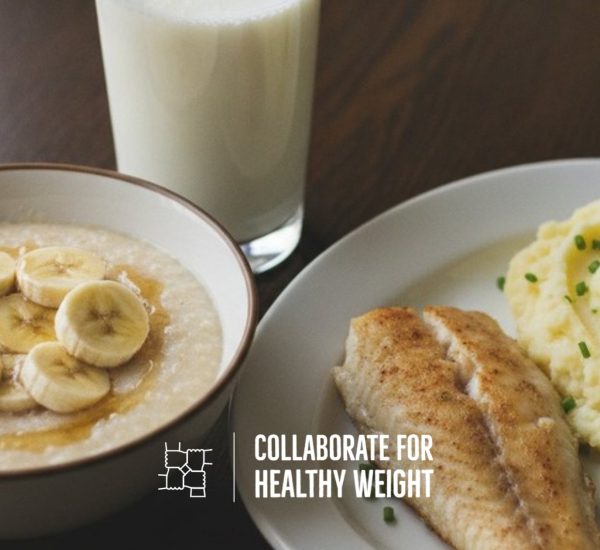
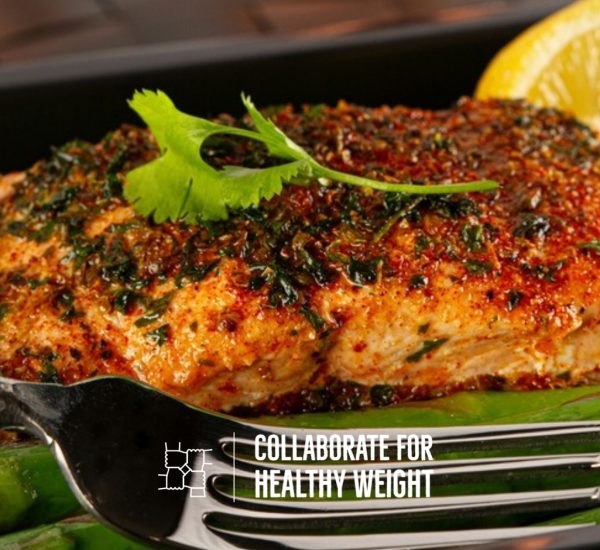
This gluten-free diet grocery list shows you exactly what to buy, what to avoid, and how to shop a full week by store section, whether you have celiac disease, non-celiac gluten sensitivity, or a wheat allergy. Gluten is a family of proteins found in wheat, barley, and rye that gives bread its chewy texture and dough its elasticity. For most people, gluten is digested without any issue. For three distinct groups, however, it causes real problems, and the level of strictness required on a gluten-free diet differs significantly between them.
The Celiac Disease Foundation outlines the three main conditions that warrant a gluten-free diet: celiac disease, an autoimmune condition in which gluten triggers immune-mediated damage to the small intestinal lining that continues even from trace contamination; non-celiac gluten sensitivity (NCGS), in which gluten causes real symptoms without the autoimmune intestinal damage seen in celiac disease; and wheat allergy, which is an immune response specifically to wheat proteins rather than to gluten across all three grains. People with celiac disease must eliminate even trace gluten through cross-contamination, while those with NCGS have more flexibility, and those with wheat allergy may tolerate barley and rye without issue.
It is also worth noting one important nuance from IBS research: some people who believe they are sensitive to gluten may actually be reacting to fructans, the fermentable carbohydrates found in wheat, rather than to gluten itself. A double-blind crossover trial found that fructan rather than gluten was the likely cause of gastrointestinal symptoms in non-celiac gluten-sensitive subjects, which is why the IBS low FODMAP grocery list on this site addresses that overlap directly. If your primary symptoms are gastrointestinal rather than systemic, it is worth discussing the fructan possibility with your doctor before committing to a full gluten-free protocol.
Jump to: How It Works | What to Buy | Reading Labels | What to Avoid | Grocery List | Tips | FAQ
How a Gluten-Free Diet Works
The strictness level depends on your reason for going gluten-free. People with celiac disease need to avoid trace contamination at the parts-per-million level, which affects everything from shared toasters to bulk bins to soy sauce. People with NCGS may find that smaller exposures do not trigger the same immune-mediated response, though symptoms still warrant avoidance. People with wheat allergy only need to avoid wheat specifically.
Naturally gluten-free whole foods are nutritionally superior to gluten-free packaged substitutes. A review of nutrient intake on a gluten-free diet found that gluten-free processed products are frequently lower in protein, fiber, B vitamins, and iron than their wheat-based equivalents, primarily because wheat flour in conventional products is enriched with these nutrients by law, while most gluten-free flours and packaged alternatives are not. Building a gluten-free diet around naturally gluten-free whole foods rather than packaged substitutes closes this gap most effectively.
Gluten hides in far more foods than most people expect. Celiac UK’s gluten-free guidance identifies soy sauce, malt vinegar, beer, most commercial stocks and broths, many spice blends, communion wafers, and certain medications as sources of hidden gluten that can cause problems even when someone is diligently avoiding obvious sources.
Oats are a specific case that requires particular attention. Pure oats are naturally gluten-free, but most commercially produced oats are contaminated with wheat during growing or processing. People with celiac disease generally need certified gluten-free oats specifically, while many celiac disease management guidelines also note that a subset of celiac patients react to avenin, a protein in oats, regardless of cross-contamination status.

Gluten-Free Diet Foods List: What to Buy
Naturally Gluten-Free Whole Grains (Most Important Category)

These provide the fiber, B vitamins, and minerals that gluten-free processed substitutes frequently lack.
Best choices:
- Brown and white rice
- Wild rice
- Quinoa, a complete protein and rich in iron and magnesium
- Buckwheat, despite its name entirely unrelated to wheat
- Millet
- Sorghum
- Amaranth
- Teff
- Certified gluten-free oats, for those without oat sensitivity
- Corn, polenta, and grits
Lean Proteins

All plain, unprocessed proteins are naturally gluten-free. The risk with protein sources is in marinades, seasonings, breading, and sauces added during processing or preparation.
Best choices:
- Chicken and turkey, plain and unmarinated
- Fresh fish and seafood, not breaded
- Plain canned tuna and salmon, packed in water or oil
- Eggs
- Lean beef, pork, and lamb, plain cuts
- Tofu and tempeh, checking the label for wheat-containing additives
- Legumes such as lentils, chickpeas, and beans
Fruits and Vegetables

All fresh fruits and vegetables are naturally gluten-free. The risk arises only with packaged or processed versions that may contain added flavorings or sauces.
Best choices:
- All fresh or frozen vegetables, without sauce packets
- All fresh or frozen fruit
Dairy and Alternatives

Plain dairy is naturally gluten-free. Flavored, processed, and some low-fat versions may contain gluten-containing additives.
Best choices:
- Plain milk and plain yogurt
- Hard and soft cheeses, plain
- Butter and ghee
- Certified gluten-free plant milks, checking the label
Healthy Fats

Best choices:
- Extra virgin olive oil
- Avocado and avocado oil
- Nuts and seeds, from dedicated gluten-free facilities if celiac disease is your reason
Gluten-Free Pantry Staples
Best choices:
- Tamari, a Japanese soy sauce made without wheat, as a soy sauce replacement
- Coconut aminos, as another soy sauce replacement
- Rice vinegar and apple cider vinegar, as malt vinegar replacements
- Gluten-free certified pasta made from rice, chickpea, or lentil flour
- Gluten-free bread and wraps, checking for added nutrients to offset the enrichment gap
- Gluten-free flour blends for baking
Condiments, Sauces, and Snacks
Sauces, dressings, and snack foods are where hidden gluten most often slips in, so buy these by label rather than by name.
Usually gluten-free, confirming the label:
- Mustard and mayonnaise, plain
- Ketchup and chili sauce
- Salsa
- Most vinegars, other than malt vinegar
- Jam and honey
- Chicken, beef, and vegetable broth labeled gluten-free
- Fish sauce, oyster sauce, and Worcestershire sauce labeled gluten-free
Snacks to look for:
- Plain popcorn
- Rice cakes
- Corn chips and tortilla chips labeled gluten-free
- Plain nuts and seeds
- Chocolate bars labeled gluten-free
- Gluten-free crackers and pretzels
- Gluten-free granola and snack bars
Gluten-Free Flours and Baking Staples
If you bake, a gluten-free all-purpose flour blend is the simplest starting point, since blends combine several flours and starches to approximate the texture of wheat flour.
Best choices:
- Gluten-free all-purpose flour blend
- Brown and white rice flour
- Almond flour
- Chickpea (garbanzo bean) flour
- Buckwheat flour
- Tapioca starch and potato starch
- Arrowroot powder
- Cornstarch and cornmeal, labeled gluten-free
- Baking powder and baking soda, checking the label
How to Read Gluten-Free Labels
Look for the words “gluten-free” first. The Academy of Nutrition and Dietetics explains that the FDA allows a food to carry the gluten-free claim when it contains less than 20 parts per million of gluten, and that a product labeled gluten-free may still contain wheat starch that has been processed to meet that standard.
“Wheat-free” does not mean gluten-free. The Celiac Disease Foundation’s gluten-free foods guide makes the point that a product can leave out wheat and still contain barley, rye, or malt, so only a gluten-free claim answers the question.
Scan the ingredient list when there is no claim. Look for wheat, rye, barley, oats, and malt, and skip the product unless a gluten-free source such as corn malt is named. Treat any “contains wheat” statement as a stop sign, and avoid brewer’s yeast unless the label says it is gluten-free.
Treat “may contain” statements as a question, not an answer. Warnings such as “made in a facility that also processes wheat” are voluntary precautionary statements rather than a gluten-free guarantee. People with celiac disease should contact the manufacturer or choose products that carry a gluten-free claim.
Certification seals add a layer of confidence. The Gluten Intolerance Group’s gluten-free basics guide points shoppers to the GFCO gluten-free certification mark and explains that cross-contact happens whenever gluten gets into gluten-free food.
Foods to Avoid on a Gluten-Free Diet
The Three Primary Gluten Grains

To avoid entirely:
- Wheat in all forms, including whole wheat, spelt, kamut, farro, durum, bulgur, semolina, einkorn, graham, and matzo
- Barley, including barley malt and malt extract
- Rye
- Triticale, a wheat and rye hybrid
Hidden Gluten in Processed and Packaged Foods
To check labels carefully:
- Soy sauce, which is traditionally made with wheat
- Malt vinegar and malted products
- Beer and ale
- Commercial stocks, broths, and bouillon cubes
- Many spice blends and seasoning mixes
- Deli meats and sausages with fillers
- Imitation crab and processed seafood
- Salad dressings and marinades
- Gravy and soups thickened with flour
- Seasoned rice mixes and packaged grain mixes
- Seitan and some meat substitutes
- Candy and licorice
- Frozen or restaurant French fries with coatings or shared fryer oil
- Oats that are not certified gluten-free
Packaged Gluten-Free Substitutes, as Your Primary Food Source
This is a caution rather than an absolute avoidance, but relying heavily on packaged gluten-free bread, pasta, cereals, and snacks without checking nutritional labels sets up the nutrient gaps documented in the research.
To use in moderation and check labels for:
- Added iron and B vitamins
- Fiber content comparable to what you are replacing
- Minimal added sugar and refined starch fillers
Cross-Contamination Sources (Critical for Celiac Disease)
To address specifically if you have celiac disease:
- Shared toasters, colanders, and wooden utensils
- Bulk bins at grocery stores
- Shared fryer oil at restaurants
- Communion wafers unless certified gluten-free
- Certain medications and supplements, where wheat starch is used as a filler
Gluten-Free Diet Grocery List by Store Section
This list covers one week for one adult on a strict gluten-free diet, built primarily around naturally gluten-free whole foods. The 7-day gluten-free diet meal plan uses these foods to build a full week of menus.
Produce
- A wide variety of fresh vegetables, all naturally gluten-free (3 to 4 types)
- Leafy greens such as spinach and kale (1 bag and 1 bunch)
- Sweet potatoes and potatoes (3 to 4 medium)
- A wide variety of fresh fruit (3 to 4 types)
- Avocados (3)
Meat, Seafood, and Eggs
- Chicken breast and turkey, plain and unmarinated (600g combined)
- Fresh fish such as salmon and cod, not breaded (3 portions)
- Eggs (1 dozen)
- Plain lean beef or lamb (300g)
Dairy and Alternatives
- Plain milk (1 carton)
- Plain yogurt (1 tub)
- Hard cheese such as cheddar or parmesan (1 block)
- Certified gluten-free plant milk if preferred (1 carton)
Grains and Legumes
- Brown and white rice (500g each)
- Quinoa (500g)
- Certified gluten-free oats, if tolerated (1 container)
- Buckwheat or millet (500g)
- Lentils and chickpeas (3 to 4 cans)
- Gluten-free pasta made from rice or chickpea flour (1 to 2 boxes)
- Gluten-free bread, checking the label for added nutrients (1 loaf)
Pantry
- Tamari, as a soy sauce replacement (1 bottle)
- Rice vinegar or apple cider vinegar (1 bottle)
- Olive oil (1 bottle)
- Nuts and seeds, from certified gluten-free facilities if celiac disease applies (150g each)
- Gluten-free stock or broth, checking the label (2 cartons)
Snacks and Condiments
- Plain popcorn or rice cakes (1 bag or pack)
- Gluten-free crackers or corn chips, checking the label (1 box)
- Mustard, mayonnaise, or salsa, labeled gluten-free if unsure (1 jar each)
Frozen
- Frozen vegetables, without sauce packets (1 to 2 bags)
- Frozen fruit (1 bag)
- Frozen fish fillets, plain (1 bag)
Beverages
- Water, primary beverage
- Plain coffee and tea, naturally gluten-free
- Wine and plain distilled spirits, checking flavored and dessert versions
- Gluten-free beer if desired, labeled specifically as such
Practical Tips for the Gluten-Free Diet
Know your specific condition before deciding how strict to be. Celiac disease requires trace-level avoidance and dedicated cookware. Non-celiac gluten sensitivity typically allows more flexibility. Wheat allergy applies to wheat only. Getting the right diagnosis first prevents unnecessary restriction.
Build meals around naturally gluten-free whole grains rather than packaged substitutes. Rice, quinoa, buckwheat, millet, and certified gluten-free oats are nutritionally denser and more affordable than most packaged gluten-free products and do not carry the nutrient gap risk.
Shop the store perimeter and favor short ingredient lists. Produce, meat, fish, eggs, and dairy sit along the outer aisles and are mostly naturally gluten-free, and products with fewer ingredients leave fewer places for gluten to hide.
Switch soy sauce to tamari immediately. This is one of the most common sources of unintended gluten in otherwise careful gluten-free cooking, and tamari is now widely available in standard supermarkets.
Read every label on every packaged product, every time. Manufacturers change formulations regularly, and a product that was gluten-free last month may contain a new wheat-containing ingredient today.
Spend on substitutes selectively. Naturally gluten-free staples such as rice, potatoes, beans, eggs, and frozen vegetables usually cost less than specialty gluten-free breads, pastas, and snacks, so reserve the budget for the few swaps you will miss most.
Check corn-based swaps if you also avoid corn. Many gluten-free products rely on corn flour and cornstarch, and the corn-free diet grocery list explains where corn hides on labels.
Ask your doctor to test for nutrient deficiencies if you have celiac disease. The intestinal damage from celiac disease frequently impairs absorption of iron, calcium, vitamin D, B12, and folate even before dietary gluten is eliminated, and monitoring these levels helps you identify and correct gaps that dietary changes alone may not resolve quickly. Iron-rich meals are one place to focus, and the list of foods high in iron is a starting point, with each item checked for gluten before it goes in the cart.
Request certified gluten-free options when eating out rather than assuming. Cross-contamination in kitchens is the most difficult source of gluten to control and the most common cause of ongoing symptoms in people who are otherwise diligent about their diet at home.
Be aware that a gluten-free diet is not inherently healthier than a gluten-containing one. Without celiac disease, NCGS, or wheat allergy, there is no evidence that eliminating gluten produces health benefits, and the research suggests that unnecessary restriction may reduce fiber and micronutrient intake if whole grains are replaced with nutrient-poor gluten-free substitutes.
Gluten-Free Grocery List FAQ
What should be on a gluten-free grocery list for beginners?
Start with naturally gluten-free whole foods: fresh fruits and vegetables, plain meat, poultry, and fish, eggs, plain dairy, lentils and beans, plain nuts and seeds, and grains such as rice, quinoa, millet, and buckwheat. The risk comes from processing, coatings, sauces, and shared equipment rather than from the foods themselves, so packaged versions of these foods need a label check before they go in the cart.
Is oatmeal gluten-free?
Oats are naturally gluten-free, but they are often contaminated with wheat, barley, or rye during growing and processing, so regular oatmeal is not safe for celiac disease. Choose oats labeled gluten-free, and ask your doctor whether oats fit your diet, since a small subset of people with celiac disease react to oats even without contamination.
Are French fries gluten-free?
Potatoes are naturally gluten-free, but restaurant fries are often cooked in shared fryers with breaded foods, and some frozen fries carry seasoned coatings that contain wheat. Frozen fries labeled gluten-free are the safer choice at home, and plain oven-roasted potatoes avoid the question entirely.
Can you lose weight on a gluten-free diet?
Not automatically. A 2024 study comparing 39 gluten-free products with their gluten-containing counterparts found that the gluten-free versions averaged less protein and more sugar and calories, and they cost more. Weight loss on a gluten-free plan comes from building meals around naturally gluten-free whole foods and sensible portions, not from removing gluten itself. The 20 healthiest carbs for weight loss are a useful place to find whole-food options, and each one is worth checking against this list for gluten.
Should you get tested for celiac disease before going gluten-free?
In most cases, yes. Starting the diet before testing can affect the accuracy of diagnostic bloodwork and biopsy results, so ask your doctor about testing first, then begin the diet once you have a result and a plan.
Does Hashimoto’s mean you need to avoid gluten?
Not necessarily. Hashimoto’s thyroiditis and celiac disease share some genetic overlap, and some people with Hashimoto’s feel better on a lower-gluten pattern, but that choice is best made with your doctor rather than assumed. The Hashimoto’s thyroiditis diet grocery list shows how to build a thyroid-supportive list that already includes gluten-free grains.
The Bottom Line
A gluten-free diet is medically necessary for people with celiac disease, beneficial for those with confirmed non-celiac gluten sensitivity, and targeted to wheat only for those with a wheat allergy. Build your grocery list around naturally gluten-free whole grains, plain proteins, all fresh fruits and vegetables, and plain dairy, while checking every packaged product for hidden gluten in soy sauce, malt, commercial broths, spice blends, and processed meats. Choose naturally gluten-free whole grains over packaged gluten-free substitutes as your primary carbohydrate source to avoid the nutrient gaps that gluten-free processed products typically introduce, and know your specific condition so you can calibrate your level of strictness appropriately.
Disclaimer: Nutritional data referenced in this article is sourced from USDA FoodData Central. This article is for informational purposes only and does not constitute medical or dietary advice. Celiac disease should be diagnosed through proper testing before starting a gluten-free diet, since beginning the diet before testing can affect the accuracy of diagnostic bloodwork and biopsy results. Always consult your gastroenterologist or a registered dietitian with celiac disease experience before starting or modifying a gluten-free diet.