Foods to avoid while breastfeeding is a short list. The CDC says mothers generally do not need to avoid or limit specific foods while breastfeeding and should eat a healthy, varied diet. The real exceptions are alcohol, very high caffeine intake, high-mercury fish, and any food your own baby clearly reacts to.
That matters because many lists online tell new parents to cut spicy food, broccoli, garlic and more. The sources used here do not support those blanket rules, so this guide covers what is actually worth limiting, how much, and what to eat instead. Your baby’s doctor and your own provider have the final say.
Jump to: Alcohol | Very High Amounts of Caffeine | High-Mercury Fish | Fish From Local Waters Without Checking Advisories | Supplements and Herbal Products You Have Not Checked | A Food Your Baby Seems to React To | Quick reference | What You Do Not Need to Avoid | What to Eat Instead | FAQ | The Bottom Line
6 Foods and Drinks to Limit While Breastfeeding
1. Alcohol
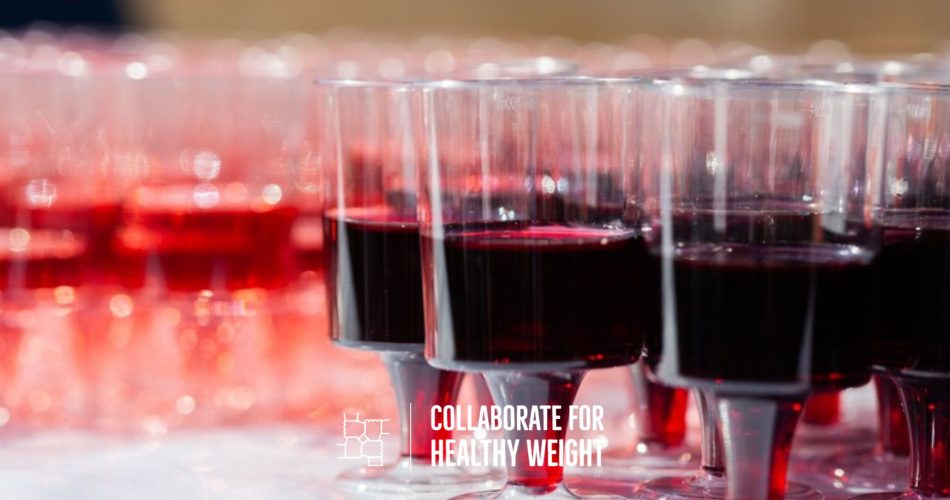
The Mayo Clinic says there is “no level of alcohol in breast milk that’s considered safe for a baby.” If you do drink, it advises waiting at least two hours per drink before breastfeeding, and you may want to pump before drinking. One drink is 12 fl oz of regular beer, 5 fl oz of wine or 1.5 fl oz of hard liquor.
Swap for: Sparkling water with fruit, or a non-alcoholic drink. If you plan to drink, time it after a feeding.
2. Very High Amounts of Caffeine
The CDC says about 300 mg of caffeine a day or less, roughly 2 to 3 cups of coffee, is considered low to moderate and usually does not harm the baby. Around 10 or more cups of coffee a day is very high and has been linked to irritability, poor sleep, fussiness and jitteriness in infants. The Mayo Clinic gives the same 2 to 3 cups guidance. Caffeine also hides in soda, energy drinks, tea and chocolate. The CDC adds that preterm and younger newborns clear caffeine more slowly, so their mothers might consider even less.
Swap for: Decaf coffee, caffeine-free tea or water. If your baby seems fussier after you have had a lot of caffeine, cut back and see whether it helps.
3. High-Mercury Fish
The FDA and EPA advice says to avoid king mackerel, marlin, orange roughy, shark, swordfish, Gulf of Mexico tilefish and bigeye tuna. The FDA adds that breastfeeding women should eat 8 to 12 ounces of lower-mercury seafood per week, which is 2 to 3 servings from its “Best Choices” list, or 1 serving from its “Good Choices” list. A serving is 4 ounces, about the size of your palm.
Swap for: Best Choices include salmon, sardines, shrimp, cod, tilapia, pollock, catfish, trout and canned light tuna.
4. Fish From Local Waters Without Checking Advisories
The CDC says that for fish caught by family or friends you should check for local advisories. If there is no advisory, eat only one serving that week and no other fish.
What to do: Look up your state or local fish advisory before you cook a catch.
5. Supplements and Herbal Products You Have Not Checked
The CDC says providers should help mothers decide on dietary supplements during lactation. It also says a multivitamin may help when diet alone is not enough. The sources used here do not give a list of unsafe herbs, so the safest rule is to ask your provider or a lactation consultant before starting a new supplement, tea blend or herbal remedy.
What to do instead: Ask about a standard multivitamin, and bring the labels of anything else you take.
6. A Food Your Baby Seems to React To
The Mayo Clinic says some foods can cause fussiness or intolerance in a baby, with symptoms such as rash, diarrhea and wheezing. If you suspect a food, it advises avoiding it for up to a week and watching for changes. It also says to contact your baby’s healthcare professional if fussiness or symptoms occur soon after feeding. Do not cut out whole food groups on a guess, since you also need the nutrients.
What to do: Note what you ate before each fussy period, change one food at a time, and involve your pediatrician.
Quick Reference
| Item | Guidance | Source |
|---|---|---|
| Alcohol | No safe level; wait at least 2 hours per drink | Mayo Clinic |
| Caffeine | About 300 mg a day or less (2 to 3 cups of coffee) | CDC, Mayo Clinic |
| Low-mercury fish | 8 to 12 oz a week | FDA, CDC |
| Shark, swordfish, king mackerel, marlin, orange roughy, bigeye tuna, Gulf tilefish | Avoid | FDA |
| Locally caught fish | Check advisories; otherwise one serving, no other fish that week | CDC |
| Supplements, herbs | Ask your provider first | CDC |
| A food your baby reacts to | Avoid up to a week, watch, call the doctor | Mayo Clinic |
What You Do Not Need to Avoid
The CDC says there is generally no need to avoid specific foods, and the Mayo Clinic article does not name spicy or gassy foods as ones to cut. So you usually do not need to give up garlic, curry, broccoli or beans just because you are nursing. Only change something if your baby reacts consistently after you eat it, and talk to your pediatrician if you see rash, diarrhea or wheezing.
What to Eat Instead
Your body needs more fuel, not less. The CDC puts the extra need at about 330 to 400 calories a day for well-nourished mothers, and the Mayo Clinic says about 340 to 400. Needs vary with your age, weight, activity and whether the baby is exclusively breastfed. The CDC lists vitamins B12, folate, D and A, plus iodine and choline, as nutrients with higher needs.
- Dairy, eggs and meat, which supply several of those nutrients
- Low-mercury seafood rich in DHA, such as salmon and sardines
- Legumes for folate, plus dark leafy greens and vitamin A-rich vegetables
- Water within reach every time you nurse
For a food-by-food plan, see our guide to foods that support postpartum recovery. If you eat a plant-based diet, the Mayo Clinic says to focus on iron, protein and calcium, and that a vitamin B12 supplement is usually recommended for vegans. Our 7-day vegan meal plan and the guide to foods that boost iron absorption can help with the planning.
Frequently Asked Questions
Can I drink coffee while breastfeeding?
Yes, in moderation. About 300 mg a day, or 2 to 3 cups of coffee, is considered low to moderate by the CDC. Watch your baby’s sleep and mood if you drink more.
Is any amount of alcohol safe?
The Mayo Clinic says no level of alcohol in breast milk is considered safe for a baby. If you choose to drink, wait at least two hours per drink before nursing, or pump beforehand.
Can I eat fish?
Yes, and it is encouraged. Aim for 8 to 12 ounces a week of lower-mercury fish and avoid shark, swordfish, king mackerel, marlin, orange roughy, bigeye tuna and Gulf of Mexico tilefish.
Do spicy or gassy foods make my baby gassy?
The sources used here do not say so. The CDC says there is generally no need to avoid specific foods. If you notice a consistent pattern after one food, try removing it for up to a week and check with your pediatrician.
Should I take a multivitamin?
The CDC says a multivitamin may help when diet alone is not enough, and the Mayo Clinic says a provider may suggest a daily multivitamin and mineral supplement until you wean. Ask your provider which one suits you.
The Bottom Line
While breastfeeding, limit alcohol and time it carefully, keep caffeine to about 2 to 3 cups of coffee a day, choose lower-mercury fish, and check supplements and local-fish advisories with the right professionals. Beyond that, eat a varied diet with enough calories, and change foods only when your baby gives you a clear reason.
This article is for informational purposes only and is not a substitute for professional medical advice. Please consult your healthcare provider or a registered dietitian before making significant changes to your diet, especially if you are managing a medical condition or taking medication.