Foods to avoid for migraines are the ones you personally notice setting off attacks. Alcohol (red wine most often), aged cheese, cured meats, chocolate, MSG, artificial sweeteners and big swings in caffeine are the usual suspects, but there is no universal trigger list. The American Migraine Foundation says everyone’s triggers differ and that the best way to find yours is a headache diary.
The evidence behind most of these foods is thin. Much of it comes from patient reports, and study results often conflict. So this guide ranks each food by how well it is supported and tells you how to test it, instead of asking you to cut everything at once. For a shorter overview of common culprits, see our post on foods that trigger migraines.
Jump to: Alcohol | Aged Cheese | Hot Dogs, Pepperoni and Other Cured Meats | Chocolate | Big Swings in Caffeine | Artificial Sweeteners (Aspartame) | MSG | Fermented Foods and Other High-Histamine Foods | Very Cold Foods and Drinks | Skipped or Delayed Meals | Quick reference | How to Test Your Own Triggers | What to Eat Instead | FAQ | The Bottom Line
10 Possible Migraine Food Triggers
Start with the ones you already suspect, and remember that a food may only trigger an attack when it combines with other triggers such as stress, poor sleep or hormones.
1. Alcohol
Red wine is the most often blamed drink, usually linked to tyramine and histamine, but the American Migraine Foundation says studies show other types of alcohol are just as likely, and sometimes more likely, to be the culprit. A 2018 study summarized by Healthline found that over 35% of participants with migraine named alcohol as a common trigger, and 77% of those named red wine. The mechanism is still unclear.
Swap for: Sparkling water with fruit or a non-alcoholic option. If you do drink, notice which drinks, if any, are linked to your attacks.
2. Aged Cheese
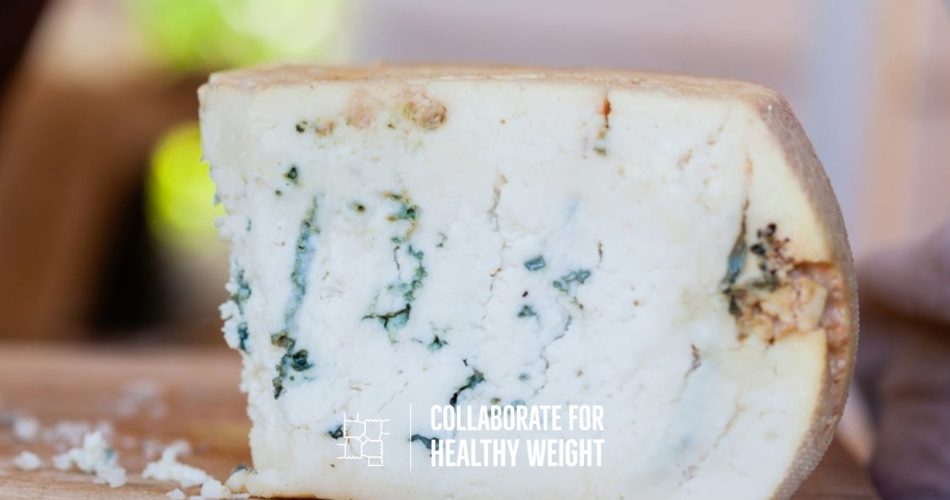
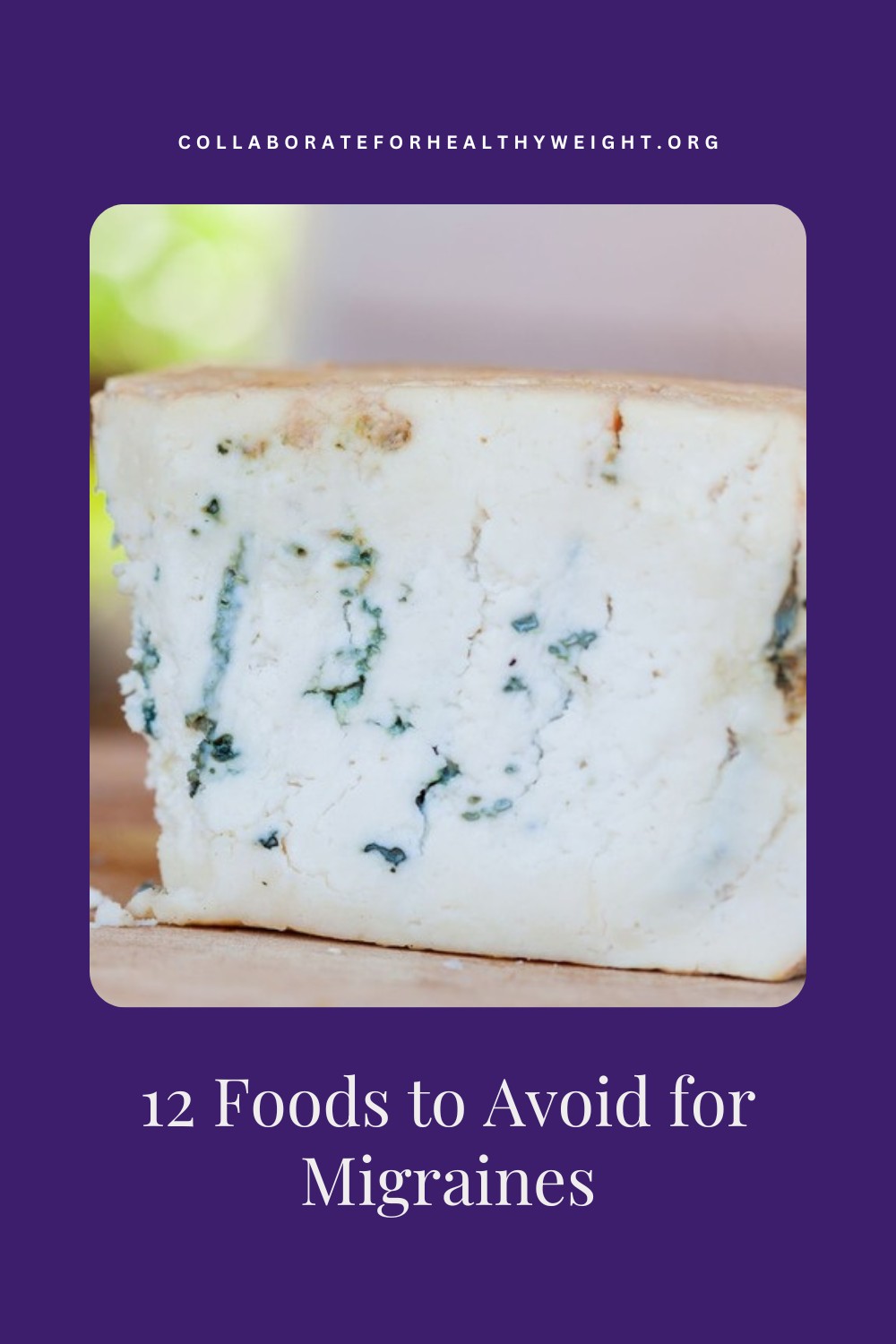
Harvard Health explains that protein breakdown during aging releases tyramine, which is why aged cheeses are on the usual list. Not every dairy food is a suspect: Harvard Health says yogurt and sour cream are not on the usual list.
Swap for: Fresh, mild cheeses such as mozzarella or cottage cheese, and see whether your attacks change.
3. Hot Dogs, Pepperoni and Other Cured Meats
Harvard Health notes that hot dogs and pepperoni often contain nitrates, and some processed foods are rich in tyramine. Healthline adds that nitrates may release nitric oxide, which is thought to widen blood vessels in the brain, and says there is “some evidence” that nitric oxide contributes to attacks.
Swap for: Freshly cooked chicken, turkey, fish or eggs.
4. Chocolate
A 2020 research review cited by Healthline reported chocolate as a trigger for up to 33% of participants. Harvard Health, though, says a small amount usually will not trigger a headache, and that if it does, tyramine is probably the cause.
Swap for: Fresh fruit, or a small square of chocolate while you watch for a pattern.
5. Big Swings in Caffeine
The American Migraine Foundation says caffeine effects vary. Some people find coffee can stop an attack, and some migraine medications contain caffeine, while others find it makes symptoms worse. Healthline says too much caffeine, or withdrawal from it, can trigger headaches. Harvard Health suggests asking whether you have recently cut back abruptly. So the target is consistency rather than a fixed amount.
Swap for: A steady daily routine, and gradual reductions if you want to cut back.
6. Artificial Sweeteners (Aspartame)
The American Migraine Foundation lists artificial sweeteners such as aspartame as common triggers. Healthline says aspartame is “thought to trigger” attacks but cites no study, so this is a low-certainty suspect worth testing only if you use a lot of it.
Swap for: Water, unsweetened tea, or smaller amounts of regular sugar.
7. MSG
MSG is on the American Migraine Foundation’s list and “commonly reported” per Healthline, but clinical study results conflict and more research is needed. It hides in some packaged soups, snacks, seasoning blends and restaurant dishes.
Swap for: Home-cooked meals seasoned with herbs, spices, lemon and garlic. Check ingredient labels if you suspect it.
8. Fermented Foods and Other High-Histamine Foods
The American Migraine Foundation lists histamine-containing foods among common triggers, and Healthline says fermented foods can be high in tyramine. Sauerkraut, kimchi and similar foods may fit here, but neither source says they trigger attacks for most people.
Swap for: Fresh vegetables. If you enjoy fermented foods and do not notice a pattern, there may be no need to cut them.
9. Very Cold Foods and Drinks
Healthline says cold foods have been shown to trigger headaches in some people, but that research on migraine specifically is lacking. This is the weakest-supported item on the list, so treat it as a quick experiment rather than a rule.
Swap for: Let ice cream melt a little first, or sip cold drinks slowly.
10. Skipped or Delayed Meals
This is a habit, not a food. Healthline’s prevention advice includes eating regularly and avoiding skipped meals, but it does not cite evidence for this, and the American Migraine Foundation page does not address it. Still, regular meals are low-risk and may be worth trying if you notice attacks on busy, hungry days.
What to do instead: Plan meals and a snack at regular times. Our 7-day migraine diet meal plan shows how that can look.
Quick Reference
| Suspect | Support | Try this |
|---|---|---|
| Alcohol | Frequently reported; studies cited | Note which drinks affect you |
| Aged cheese | Tyramine theory | Fresh cheeses |
| Cured meats | Nitrate theory, some evidence | Fresh meat |
| Chocolate | Mixed | Small portions, watch |
| Caffeine swings | Varies by person | Keep intake steady |
| Aspartame | Low certainty | Test if you use a lot |
| MSG | Studies conflict | Read labels |
| Fermented foods | Low certainty | Test only if suspected |
| Cold foods | Little migraine research | Eat slowly |
| Skipped meals | Common advice, no evidence cited | Regular meals |
How to Test Your Own Triggers
- Keep a headache diary. The American Migraine Foundation recommends a headache journal, migraine diary or tracker to reveal patterns over time.
- Look back about 12 hours. Harvard Health suggests noting what you ate in the previous 12 hours or so after each headache.
- Record the other triggers too: sleep, stress, hormones, weather and new medicines. Harvard Health also suggests checking sleep regularity.
- Test one food at a time rather than removing everything at once. Cutting too much can leave you with a very limited diet and no clear answer.
- Bring your diary to appointments. It helps your doctor confirm that you have migraine and choose treatment.
What to Eat Instead
Rather than only subtracting foods, build meals around ones that have been studied for prevention. Our guide to foods that help prevent migraines covers those, and the migraine diet grocery list turns the ideas into a shopping list.
Frequently Asked Questions
Do I have to avoid all of these foods?
No. The American Migraine Foundation says to avoid foods you can identify as your own triggers. Most people react to only a few, and many never find a clear food trigger at all.
Is red wine the worst drink for migraines?
It is the most often blamed, but the American Migraine Foundation says studies show other types of alcohol are just as likely, and sometimes more likely, to be the culprit.
Is caffeine good or bad for migraines?
Both, depending on the person. Some people find coffee helps stop an attack, others find it worsens symptoms, and withdrawal can cause headaches. Keeping a consistent routine is the safest approach.
Is a migraine diet proven?
Not in a universal sense. The sources used here describe most food claims as qualitative or conflicting, so a personalized approach guided by your diary and your doctor makes more sense than a rigid list.
When should I see a doctor?
If your headaches are frequent, severe or changing, or you have not been diagnosed, see a doctor. Sudden severe headache, or one with weakness, vision loss or confusion, needs urgent medical care.
The Bottom Line
Alcohol, aged cheese, cured meats, chocolate, MSG, artificial sweeteners and caffeine swings are the most-cited migraine food suspects, but the evidence is mixed and triggers are personal. Track your attacks in a diary, test one food at a time, keep meals and caffeine steady, and work with your doctor on a treatment plan.
This article is for informational purposes only and is not a substitute for professional medical advice. Please consult your healthcare provider or a registered dietitian before making significant changes to your diet, especially if you are managing a medical condition or taking medication.