Foods to avoid for kidney stones depend on the type of stone you have, but a few apply to almost everyone: too little fluid, too much sodium, large servings of animal protein, and sugary drinks. If you form calcium oxalate stones, high-oxalate foods like spinach, rhubarb, nuts and wheat bran come into play, and for uric acid stones it is purine-rich foods like organ meats and sardines.
The National Kidney Foundation says the plan depends on the stone type, so ask your doctor for the analysis of your stone before cutting foods. One surprise: the NIDDK says not to cut calcium, because in the right amounts calcium can block the substances that cause stones.
Jump to: Too little fluid | Sodium | Animal protein | High-oxalate foods | Sugary drinks | Purine-rich foods | Vitamin C supplements | Cutting calcium | Quick reference | What to eat instead | FAQ | The Bottom Line
8 Foods and Habits to Watch With Kidney Stones
The first four apply to most stone types. The last four are more specific, so match them to your own stone and your doctor’s advice.
1. Too Little Fluid
This is not a food, but it is the most important step. The NKF says most people who have had stones should aim to make at least 2 liters (about 8 cups) of urine a day, which usually means drinking about 8 to 12 cups of fluid. HealthLink BC suggests 2.5 to 3 liters of fluid a day. The NIDDK says to drink six to eight 8-ounce glasses a day unless you have kidney failure. People with kidney disease, heart disease or fluid limits should ask their doctor how much to drink.
What to do: Make water your main drink. Light yellow or nearly clear urine suggests you are well hydrated.
2. High-Sodium Foods
The NIDDK says adults with calcium oxalate or calcium phosphate stones should aim for under 2,300 mg of sodium a day. The NKF explains that excess sodium can increase calcium in the urine, and names fast food, canned soups, packaged or frozen meals, deli meats and salty snacks. A food with 20% Daily Value or more of sodium is high.
Swap for: Fresh food cooked at home, seasoned with herbs, spices, lemon or vinegar.
3. Large Servings of Animal Protein
The NIDDK advises limiting beef, chicken, pork, eggs, fish and dairy for calcium oxalate, calcium phosphate and uric acid stones, but not cutting protein entirely. HealthLink BC is more specific: no more than two 3-ounce servings a day of meat, fish, seafood, poultry or eggs, and it says dairy and plant proteins do not increase risk. The two sources differ on dairy, so ask your dietitian.
Swap for: Beans, dried peas and lentils, which the NIDDK says are low in oxalate.
4. High-Oxalate Foods (for Calcium Oxalate Stones)
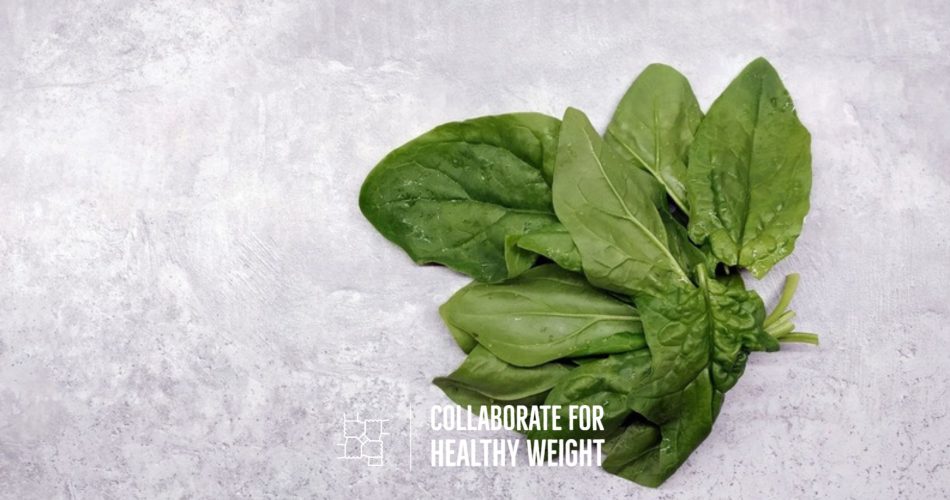
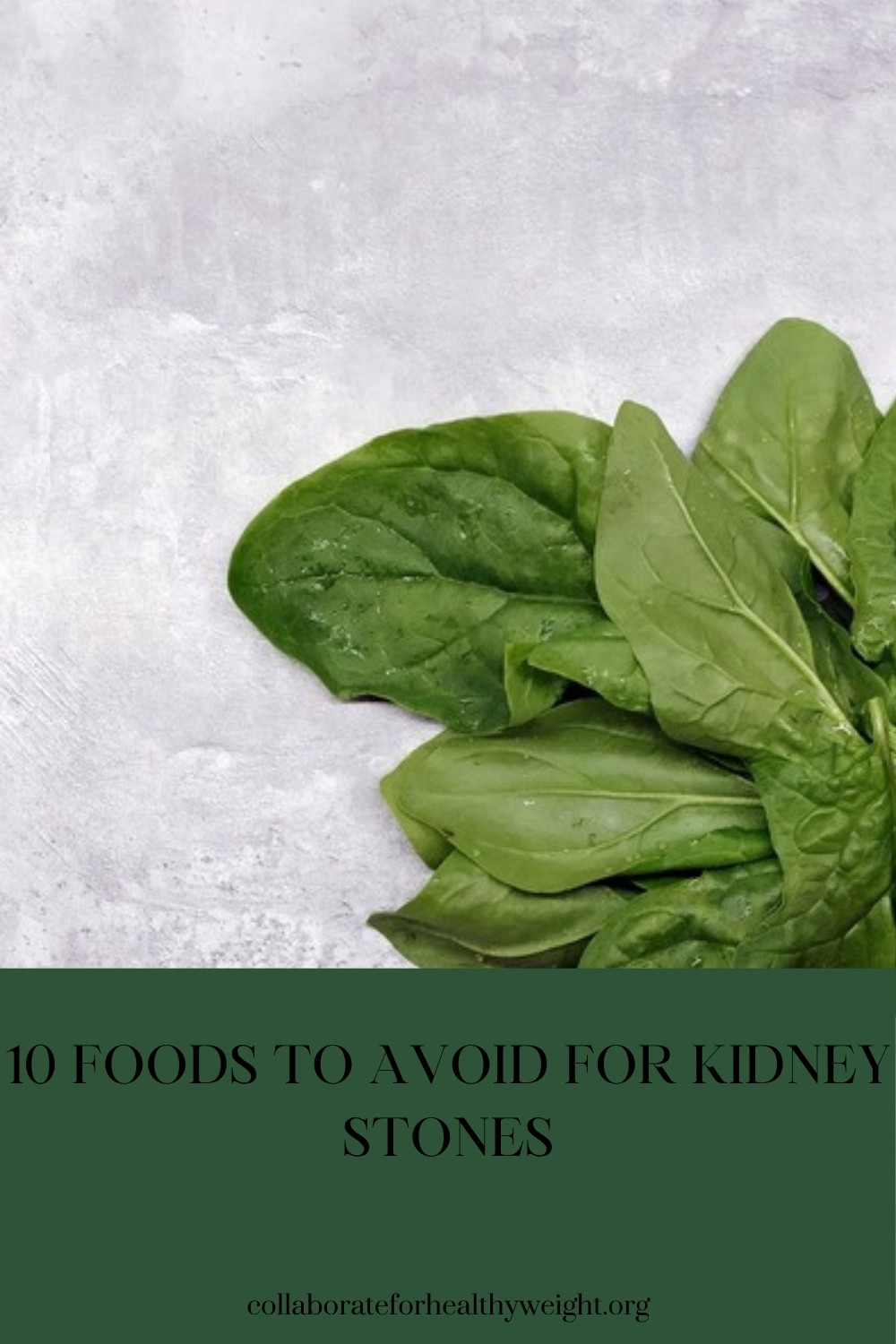
The NIDDK says people with calcium oxalate stones should avoid or reduce nuts, peanuts, rhubarb, spinach and wheat bran. The NKF adds beets, Swiss chard, sweet potatoes, chocolate and tea as examples, but says most people do not need to avoid all high-oxalate foods and should limit them only if their doctor or dietitian advises it. HealthLink BC adds strawberries, black tea and dark chocolate, and says to eat a calcium source with them. For amounts, see our list of foods high in oxalate.
Swap for: Lower-oxalate vegetables and a low-oxalate grocery list to shop from. Pair any high-oxalate food with a calcium-rich food in the same meal.
5. Sugary Drinks and Soda
The NKF says to limit sugary drinks, regular soda, sweetened tea and grapefruit juice, which may increase the risk of some stone types, and singles out high-fructose corn syrup drinks for uric acid stones. HealthLink BC adds sweetened coffee and energy or sports drinks.
Swap for: Water, with cut lemon or lime for flavor, as HealthLink BC suggests.
6. Purine-Rich Foods (for Uric Acid Stones)
For uric acid stones, the NKF suggests limiting red meat, organ meats, shellfish, sardines, anchovies, meat gravies and alcohol (especially beer). The NIDDK says weight loss is especially important for uric acid stones. Our guide to foods that lower uric acid covers lower-purine options, and the normal uric acid levels chart shows what your blood test result means.
Swap for: Plant proteins, eggs and low-fat dairy, in line with your doctor’s advice.
7. High-Dose Vitamin C Supplements
The NIH Office of Dietary Supplements says high vitamin C intakes could increase urinary oxalate, but studies gave conflicting results and stones are not generally considered a risk for healthy people. The risk is greatest for people with kidney disorders or high urinary oxalate. HealthLink BC says supplemental intake above 1,000 mg a day can increase risk. The adult upper limit is 2,000 mg a day from food and supplements combined.
What to do: Get vitamin C from food, and ask your doctor before taking supplements if you form stones.
8. Cutting Out Calcium (A Common Mistake)
This is the one to avoid doing. The NKF says not to cut calcium unless your doctor says so, since too little can raise the risk of calcium oxalate stones. Many adults need about 1,000 to 1,200 mg a day, mainly from food. HealthLink BC says to take any calcium supplement with meals.
What to do: Eat calcium-rich foods with oxalate-containing meals, which the NKF says may help lower the risk.
Quick Reference
| Item | Applies to | Guidance |
|---|---|---|
| Fluids | All stones | Aim for 2 or more liters of urine a day |
| Sodium | Calcium stones | Under 2,300 mg a day |
| Animal protein | Calcium and uric acid stones | Moderate portions |
| Spinach, rhubarb, nuts, wheat bran | Calcium oxalate stones | Limit; pair with calcium |
| Soda, sweetened drinks | Some stone types | Limit |
| Organ meats, sardines, beer | Uric acid stones | Limit |
| Vitamin C supplements | Stone formers | Ask your doctor; above 1,000 mg a day raises risk |
| Calcium | Calcium oxalate stones | Do not cut; 1,000 to 1,200 mg from food |
What to Eat Instead
The NIDDK says studies show the DASH diet can reduce stone risk, and that being overweight raises risk for all stone types. Beans, lentils and dried peas are low-oxalate protein choices, and calcium-fortified juices and cereals are low-oxalate calcium sources. For more kidney-friendly foods, see our guide to foods that support kidney health.
Frequently Asked Questions
Do I need to avoid all high-oxalate foods?
Usually not. The NKF says most people do not need to avoid all of them and should limit them only if their doctor or dietitian says so. Eating calcium with them helps.
Should I avoid dairy?
Not to avoid calcium. The NIDDK and NKF both say not to cut calcium. The NIDDK lists dairy among animal proteins to limit, while HealthLink BC says dairy does not increase risk, so ask your dietitian how much is right for you.
How much water should I drink?
Aim to make at least 2 liters of urine a day, which the NKF says usually means about 8 to 12 cups of fluid. Check with your doctor if you have kidney disease, heart disease or fluid limits.
Does lemon water help?
None of the sources used here make claims about lemon preventing stones. HealthLink BC only suggests adding cut lemon or lime to water for flavor, which can help you drink more.
Is the same diet right for every stone?
No. The NKF says the plan depends on the stone type. Ask your doctor for the analysis of a passed stone and a referral to a dietitian.
The Bottom Line
Drink enough to make at least 2 liters of urine a day, cut back on sodium and sugary drinks, keep animal protein moderate, and keep eating calcium. Limit high-oxalate foods only if you form calcium oxalate stones, and purine-rich foods only for uric acid stones, with your doctor or dietitian guiding the details.
This article is for informational purposes only and is not a substitute for professional medical advice. Please consult your healthcare provider or a registered dietitian before making significant changes to your diet, especially if you are managing a medical condition or taking medication.