Foods to avoid for IBS are mostly high-FODMAP foods: fermentable carbohydrates found in onions, garlic, wheat, beans, dairy, certain fruits and sugar-free sweeteners. Fatty foods, coffee and alcohol are also commonly blamed, though the evidence for those is weaker. The NIDDK says your doctor may suggest a low-FODMAP diet for a few weeks to see if symptoms improve, then slowly adding foods back.
That second step matters. According to Monash University, the elimination phase lasts 2 to 6 weeks, reintroduction takes 8 to 12 weeks, and most people can eventually eat many high-FODMAP foods again, often less frequently or in smaller amounts. So treat this list as a set of foods to test, not a permanent ban. For a shopping list, see our IBS diet grocery list.
Jump to: Onions and garlic | Wheat and rye | Beans and cruciferous vegetables | Dairy | Apples, pears, watermelon | Sweeteners | Fatty foods | Coffee | Alcohol | Too much fiber too fast | Quick reference | How to test your triggers | FAQ | The Bottom Line
10 Common IBS Food Triggers
Items 1 to 6 are FODMAP sources named by the NIDDK. Items 7 to 9 are traditional triggers where the research is more limited. Item 10 is a habit.
1. Onions and Garlic
The NIDDK lists garlic and onions, along with artichokes and beans, as examples of FODMAP foods. They are in so many sauces, soups and seasoning blends that hidden sources are a common reason symptoms continue.
Swap for: The green tops of spring onions and chives, plus herbs and ginger.
2. Wheat and Rye
Wheat and rye are on the NIDDK’s list of FODMAP foods. The NIDDK also says your doctor may suggest avoiding gluten, a protein in wheat, barley and rye, to see if symptoms improve, so ask before cutting it on your own.
Swap for: Rice, oats and quinoa, which are not on the high-FODMAP lists in the sources used here.
3. Beans, Lentils and Cruciferous Vegetables
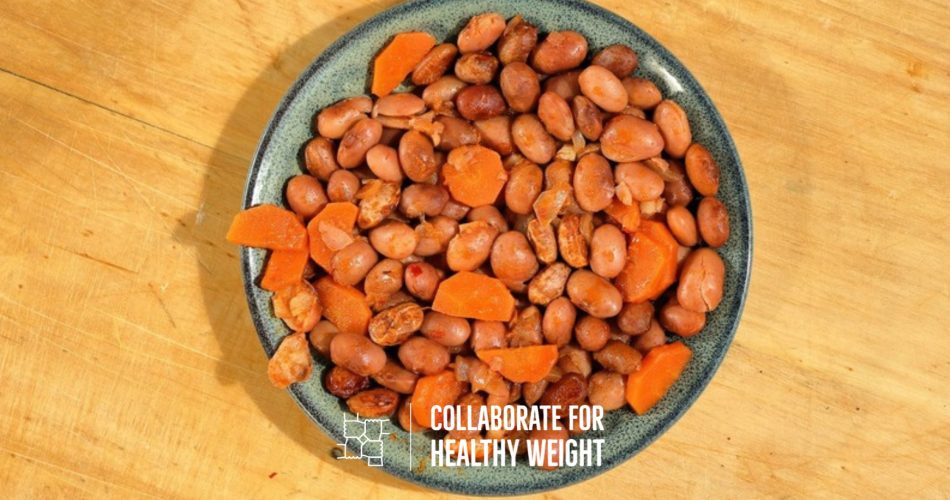
The NIDDK names beans, and Alberta Health Services lists legumes, onion, garlic and cruciferous vegetables as high-FODMAP gas producers. It adds that alpha-galactosidase (Beano) may help with gas from legumes and cruciferous vegetables.
Swap for: Small portions to start, or other proteins such as eggs and fish. Our high-fiber low-FODMAP grocery list shows gentler fiber options.
4. Milk, Soft Cheese, Yogurt and Ice Cream
The NIDDK lists milk, soft cheeses, yogurt, custard and ice cream as FODMAP sources because of their lactose.
Swap for: Lactose-free milk or plant milks, and see how you feel.
5. Apples, Pears and Watermelon
These fruits are named by the NIDDK as FODMAP sources. Alberta Health Services adds apricots and peaches as sources of sorbitol. Fruit is healthy, so this is about swapping rather than cutting.
Swap for: Other fruits you tolerate. The sources used here do not list safe fruits, so test one at a time.
6. Honey, High-Fructose Corn Syrup and Sugar-Free Sweeteners
The NIDDK lists honey, high-fructose corn syrup and sweeteners ending in “-ol” (sorbitol, mannitol, xylitol, maltitol). Alberta Health Services notes sorbitol appears in low-calorie and sugar-free products.
Swap for: Check labels for “-ol” ingredients and for honey or corn syrup before buying gum, candy and “diet” foods.
7. Fried and Fatty Foods
Monash says many people report that fried foods, pizza and ice cream worsen symptoms, but a low-fat diet has not been proven to improve IBS. Alberta Health Services says a low-fat diet is not required, but that people who eat fried foods, fatty or processed meats and some fast food may benefit from eating less of them.
Swap for: Baked, grilled or steamed versions, and smaller portions.
8. Coffee and Caffeine
Monash says coffee is a commonly reported trigger, particularly for IBS with diarrhea, but that high-quality studies have yet to show cutting caffeine improves symptoms. Alberta Health Services says evidence is limited and that some patients may do fine with up to 400 mg a day, about three cups of coffee or tea. It also notes tea was linked to harder stools in some patients.
What to do: Track your own response in a diary rather than cutting coffee automatically.
9. Alcohol
Monash says alcohol irritates the gut, many people with IBS report more symptoms after drinking, and some alcoholic drinks also contain FODMAP sugars. Alberta Health Services says evidence is limited but that reducing alcohol, especially binge drinking, is suggested if you notice a link.
Swap for: Water, herbal tea or other non-alcoholic drinks.
10. Too Much Fiber Too Fast
Fiber is not the enemy, but the NIDDK says eating too much at once can cause gas that may trigger symptoms. It recommends adding 2 to 3 grams a day gradually, and says soluble fiber (beans, fruit, oat products) appears more helpful than insoluble fiber (whole grains, vegetables). Alberta Health Services notes that insoluble fiber such as wheat bran can increase bloating. Our guide to fiber and gut health explains more.
What to do: Raise fiber slowly, with plenty of fluids, and stop any source that causes bloating or pain.
Quick Reference
| Trigger | Support | Try this |
|---|---|---|
| Onions, garlic | FODMAP (NIDDK) | Chives, scallion tops |
| Wheat, rye | FODMAP (NIDDK) | Rice, oats, quinoa |
| Beans, lentils, cruciferous veg | FODMAP gas producers | Small portions |
| Milk, ice cream, soft cheese | Lactose FODMAP | Lactose-free options |
| Apples, pears, watermelon | FODMAP (NIDDK) | Test other fruits |
| Honey, HFCS, “-ol” sweeteners | FODMAP (NIDDK) | Read labels |
| Fried, fatty foods | Commonly reported; not proven | Smaller, lighter meals |
| Coffee | Commonly reported; limited evidence | Track in a diary |
| Alcohol | Limited evidence; gut irritant | Cut back if you notice a link |
| Sudden fiber jump | Gas can trigger symptoms | Add 2 to 3 g a day |
How to Test Your Triggers
- Start with the basics. Alberta Health Services says the low-FODMAP diet should be used after simpler measures such as soluble fiber, limiting caffeine and alcohol, and reducing processed and high-fat foods have been tried.
- Keep a diary. Alberta Health Services says triggers usually appear within 1 to 3 days of eating a food, and suggests small meals and snacks throughout the day.
- If you try low-FODMAP, keep it short and structured: 2 to 6 weeks of elimination, then reintroduction one food group at a time. Alberta Health Services says it should be as short as possible and guided by a registered dietitian.
- Give changes time. The NIDDK says dietary changes may need to be followed for several weeks before you can tell whether symptoms improve.
For ready-made meals, see our 7-day low FODMAP meal plan. For bloating-friendly foods, see our guide to foods that reduce bloating.
Frequently Asked Questions
Is the low-FODMAP diet permanent?
No. Monash describes it as three steps: elimination for 2 to 6 weeks, reintroduction over 8 to 12 weeks, then a personalized diet. Most people can eat many high-FODMAP foods again.
Should I go gluten-free for IBS?
Only if your doctor suggests it. The NIDDK says your doctor may suggest avoiding gluten to see if symptoms improve, so ask first.
Are spicy foods or fizzy drinks triggers?
Many people report them, but the sources used here do not address either, so test them in your diary rather than assuming.
How much fiber do I need?
The NIDDK cites 22 to 34 grams a day for adults. Add it slowly, about 2 to 3 grams a day, to prevent gas and bloating.
When should I see a doctor?
Get checked before treating symptoms yourself, especially if you have weight loss, blood in your stool, or symptoms that are new or worsening.
The Bottom Line
The foods most often named as IBS triggers are high-FODMAP foods such as onions, garlic, wheat, beans, dairy, certain fruits and sugar-free sweeteners, plus fatty foods, coffee and alcohol that vary from person to person. Use a diary, change one thing at a time, and treat any elimination diet as a short, supervised test followed by reintroduction.
This article is for informational purposes only and is not a substitute for professional medical advice. Please consult your healthcare provider or a registered dietitian before making significant changes to your diet, especially if you are managing a medical condition or taking medication.