The foods to avoid for histamine intolerance are mainly fermented, aged, cured, and long-stored foods, because bacteria make histamine as food ages. Histamine intolerance happens when the enzyme diamine oxidase (DAO) cannot break down dietary histamine, and a review in World Journal of Microbiology and Biotechnology estimates that around 1% of the population might be affected.
This guide covers 12 foods and drinks that commonly appear on low-histamine diets, what the evidence says about each, and a swap. One honest caution up front: published food lists disagree with each other, and many foods on them are not backed by measured histamine, so use this as a starting point and work with a professional.
Jump to: Fermented Foods | Aged, Smoked, and Blue Cheese | Cured and Processed Meats | Wine, Beer, and Champagne | Canned, Smoked, Pickled, and Dried Foods | Fish That Is Not Fresh | Leftovers and Long-Stored Food | Tomatoes, Eggplant, and Spinach | Vinegar and Marinated Foods | Chocolate and Cocoa | Citrus and Tropical Fruit | Nuts, Legumes, and Soy | Quick reference | How to Do a Low-Histamine Trial Safely | What Is Not Proven | FAQ | The Bottom Line
12 Foods to Avoid for Histamine Intolerance
The list below follows Cleveland Clinic’s low-histamine diet guide, which says its list is not exhaustive. Symptoms such as flushing, itching, headaches, or digestive upset are nonspecific, so see a doctor to rule out allergy and other conditions before you restrict food.
1. Fermented Foods
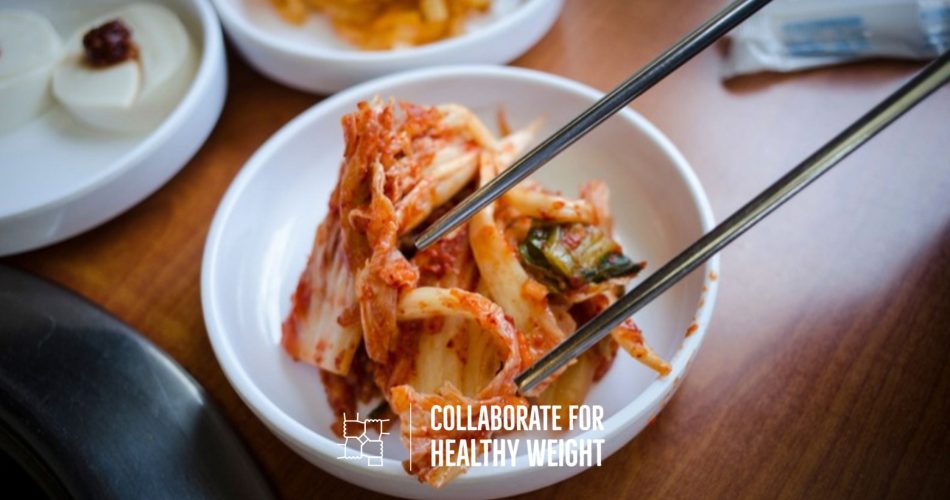
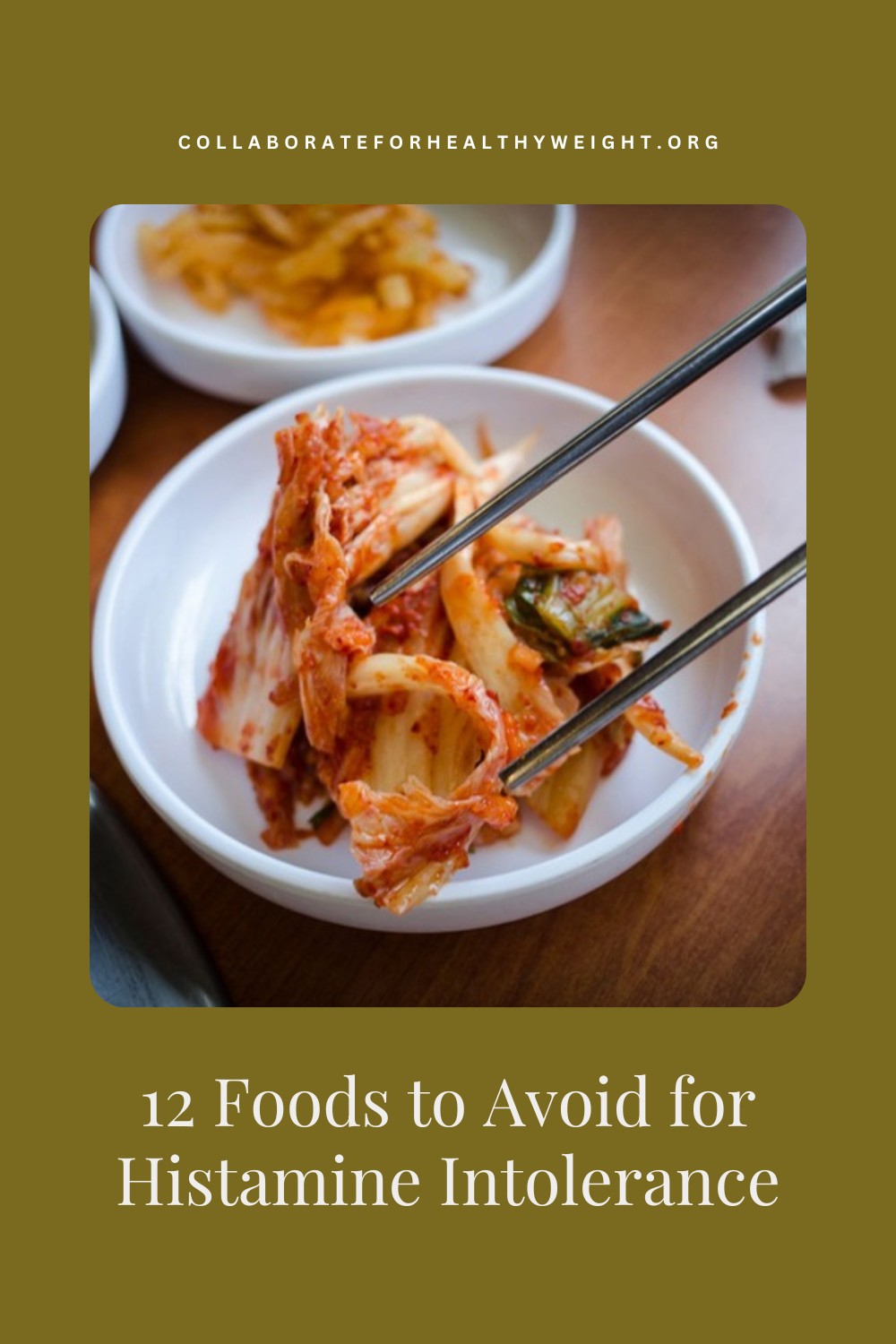
Sauerkraut, kimchi, kefir, kombucha, and fermented soy products are made by bacteria, and a review of ten published low-histamine diets found fermented foods were the only category excluded by every one of them. If you have a confirmed histamine problem, this is the best-supported place to start.
Swap for: Fresh vegetables, fresh meat, and plain foods that have not been fermented or preserved.
2. Aged, Smoked, and Blue Cheese
Histamine builds up as cheese ages. Cleveland Clinic’s low-histamine diet guide lists aged, smoked, unpasteurized, and blue cheeses to avoid.
Swap for: Fresh mozzarella, ricotta, cottage cheese, or cream cheese, if you tolerate dairy.
3. Cured and Processed Meats
Salami, sausage, bacon, and cold cuts are cured or aged, which gives bacteria time to produce histamine. Cleveland Clinic lists them among the foods to avoid.
Swap for: Freshly cooked chicken, turkey, or beef, eaten the same day or frozen right away.
4. Wine, Beer, and Champagne
Alcohol, and especially fermented drinks such as wine, beer, and champagne, is on Cleveland Clinic’s list of foods to avoid, and many people report flushing or headaches after them. Alcohol may also interfere with the DAO enzyme that breaks histamine down.
Swap for: Water, herbal tea, or sparkling water with fresh fruit you tolerate.
5. Canned, Smoked, Pickled, and Dried Foods
Preserving, curing, and smoking all give bacteria time to act, and Cleveland Clinic names canned, marinated, salted, dried, smoked, and pickled foods as ones to avoid.
Swap for: Fresh foods, or foods frozen soon after harvest or catch.
6. Fish That Is Not Fresh
Fish is the classic example of freshness mattering. The review above notes that fish, especially scombroid species such as tuna and mackerel, is commonly excluded and that freshness is the key factor. Cleveland Clinic advises eating fish that is fresh-caught or frozen.
Swap for: Fish cooked the day it is caught or bought, or frozen at once.
7. Leftovers and Long-Stored Food
Because storage bacteria can raise histamine, the same review says freshness is the key factor for meat and fish. Cleveland Clinic also notes that grilling produces more histamine than braising or steaming.
Swap for: Cook smaller portions, steam or braise when you can, and freeze extra portions straight away.
8. Tomatoes, Eggplant, and Spinach
Cleveland Clinic lists tomatoes, eggplant, and spinach among the vegetables to avoid on a low-histamine diet. The review notes that spinach can gain histamine from storage bacteria, so freshness matters again.
Swap for: Cucumber, zucchini, carrots, romaine, and other vegetables you tolerate.
9. Vinegar and Marinated Foods
Vinegar is a fermented product, and pickled or marinated foods appear on Cleveland Clinic’s list. Many store-bought dressings and sauces also contain it.
Swap for: Plain olive oil, herbs, and salt for dressings.
10. Chocolate and Cocoa
Chocolate is on Cleveland Clinic’s list of foods to avoid. Interestingly, the review found that many foods on these lists are there for reasons other than measured histamine, so treat it as an item to test.
Swap for: Carob, or fruit you tolerate for sweetness.
11. Citrus and Tropical Fruit
Citrus, tropical fruit, and strawberries are on Cleveland Clinic’s list, and the review suggests citrus and bananas may be excluded because of another compound, putrescine, that may interfere with histamine breakdown. That link is not well proven, so these are worth testing rather than assuming.
Swap for: Apples, pears, blueberries, and other fruits you tolerate.
12. Nuts, Legumes, and Soy
Cleveland Clinic lists nuts, peanuts, legumes, and soy products among foods to avoid. These are major sources of protein and fiber, so the review’s finding that many excluded foods lack measured histamine is a good reason not to cut them without a plan from a dietitian.
Swap for: Tolerated fresh proteins and grains, chosen with your dietitian.
Quick Reference: Foods to Limit and Easy Swaps
| Limit | Why It Is Listed | Swap For |
|---|---|---|
| Fermented foods | Histamine made by bacteria | Fresh vegetables, plain fresh foods |
| Aged and smoked cheese | Histamine rises with aging | Fresh mozzarella, ricotta, cream cheese |
| Cured and processed meats | Curing and aging | Freshly cooked meat or poultry |
| Wine, beer, champagne | Histamine and DAO interference | Water, herbal tea |
| Canned, smoked, pickled foods | Preservation and storage | Fresh or frozen-at-source foods |
| Fish not eaten fresh | Bacteria raise histamine fast | Fresh-caught fish cooked same day |
| Leftovers and long storage | Levels rise with time | Cook fresh, freeze portions at once |
| Tomatoes, eggplant, spinach | Listed on many diets | Cucumber, zucchini, romaine, carrots |
| Vinegar and marinated foods | Fermented or preserved | Lemon-free simple oil dressings |
| Chocolate and cocoa | Listed on many diets | Carob, fresh fruit you tolerate |
| Citrus and some fruit | Evidence unclear, often excluded | Apples, pears, blueberries |
| Nuts, legumes, soy | Listed on some diets | Tolerated grains and fresh proteins |
How to Do a Low-Histamine Trial Safely
Cleveland Clinic calls the diet extremely restrictive and says a dietitian or healthcare provider should monitor it to protect against malnutrition. It is intended for people with a diagnosis after a proper work-up, and people with a history of eating disorders are strongly discouraged from trying it. In practice:
- See your doctor first to rule out allergies, celiac disease, and other causes of your symptoms.
- Work with a registered dietitian who can set a time-limited elimination and a plan to reintroduce foods one at a time.
- Prioritize freshness: cook and eat food the same day, and freeze leftovers immediately.
- Keep a food and symptom diary so you can see which foods actually matter for you.
- Aim to widen your diet again as soon as you can, since long restrictive diets can leave gaps.
What Is Not Proven
Many lists include avocado, citrus, strawberries, and other “histamine liberators,” foods said to trigger the body’s own histamine release. The review of ten diets found that these claims lack supporting human clinical evidence and that only about a third of excluded foods can be justified by their histamine content. A study-based answer is that the diet helps many people in small trials, but the exact food list is still being worked out.
DAO supplements are another open question. The Springer review reports that several clinical studies found symptom reductions with DAO, while another found a commercial product with no DAO activity. Talk with your doctor before relying on them.
For gentler foods to build around, see our list of 8 low-histamine foods that may ease histamine intolerance symptoms, and use the low histamine diet grocery list to shop. If headaches are your main symptom, our guide to foods that trigger migraines covers overlapping triggers.
Frequently Asked Questions
How is histamine intolerance diagnosed?
There is no single definitive test. Doctors usually rule out other conditions first and may use a supervised low-histamine diet to see whether symptoms improve.
Is histamine intolerance the same as a food allergy?
No. An allergy is an immune reaction to a food protein. Histamine intolerance is about the body not breaking down histamine from food efficiently.
Does cooking remove histamine?
Not reliably. Freshness matters more than cooking: histamine rises as food sits, and Cleveland Clinic notes that grilling produces more histamine than braising or steaming.
Do I have to avoid all of these foods forever?
Usually not. The aim of a trial is to find your own triggers and then reintroduce foods, since many items on these lists are not strongly supported by measured histamine.
How common is histamine intolerance?
One review estimates that around 1% of the population might be affected, although its symptoms overlap with many other conditions.
The Bottom Line
The best-supported foods to limit for histamine intolerance are fermented foods, aged cheese, cured meats, alcohol, preserved foods, and anything that is not fresh. Many other foods on popular lists have weaker evidence, so test them under the guidance of a doctor and a dietitian rather than cutting everything at once.
This article is for informational purposes only and is not a substitute for professional medical advice. Please consult your healthcare provider or a registered dietitian before making significant changes to your diet, especially if you are managing a medical condition or taking medication.