Foods to avoid for fatty liver are mainly sugary drinks and other foods high in added sugar (especially fructose), saturated and trans fats, and high-glycemic foods like white bread and white rice. Alcohol is the other big one. The NIDDK advises avoiding foods and drinks with large amounts of simple sugars, especially fructose, and says you should minimize alcohol because it can further damage the liver.
Diet is only part of the picture. The NIDDK treatment page says losing at least 3% to 5% of body weight can reduce liver fat, while 7% to 10% may be needed to reduce liver inflammation and fibrosis, and it warns that rapid weight loss can make liver disease worse. So the goal is a steady, sustainable change, guided by your doctor.
Jump to: Sugary drinks | Added sugar | Saturated fat | Trans fat | White bread, rice, potatoes | Alcohol | Supplements | Crash diets | Quick reference | What to eat instead | FAQ | The Bottom Line
8 Foods and Habits to Limit With Fatty Liver
This guide covers fatty liver disease linked to weight and metabolism (called NAFLD or NASH in the NIDDK pages). If you drink heavily or have been told you have advanced liver disease, your doctor will give you tighter rules than a general list can.
1. Sugary Drinks
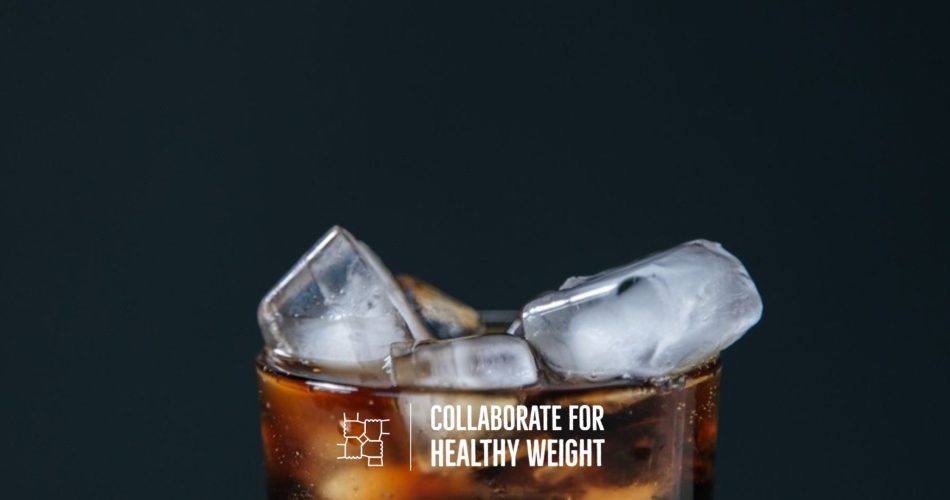
The NIDDK names sweetened soft drinks, sports drinks, sweetened tea and juices as sources of the simple sugars, especially fructose, to avoid. Liquid sugar is often the easiest one to cut.
Swap for: Water with fruit slices, sparkling water, or unsweetened tea.
2. Sweets and Foods With Added Sugar
The NIDDK says table sugar (sucrose) is a major source of fructose. Candy, pastries, sweetened cereals and desserts all count, and many sauces and packaged foods hide sugar too.
Swap for: Whole fruit, plain yogurt with berries, or a small portion of dessert on special occasions. Read the added-sugar line on labels.
3. Fried Foods and Fatty Meats (Saturated Fat)
The NIDDK advises replacing saturated fats with unsaturated fats and limiting fats overall, since fat is high in calories. Fried food, fatty cuts of meat, butter and full-fat cheese are the usual sources.
Swap for: Baked, grilled or steamed food, and unsaturated fats such as olive oil, nuts, and omega-3-rich fish, which the NIDDK recommends.
4. Trans Fats
Trans fats are listed alongside saturated fat in the NIDDK advice to replace with unsaturated fats. Check the Nutrition Facts label and the ingredient list, since trans fat can show up in packaged baked goods and snacks.
Swap for: Snacks and baked goods with 0 g trans fat and no partially hydrogenated oil listed.
5. White Bread, White Rice and Potatoes
The NIDDK says white bread, white rice and potatoes affect blood glucose more than low-glycemic foods. It recommends low-glycemic choices such as most fruits, vegetables and whole grains. This does not mean you can never have a potato, but swapping the daily staples helps.
Swap for: Oats, barley, quinoa, brown rice and whole-grain bread. For help with balancing blood sugar, see our guide to foods that help lower blood sugar spikes after meals.
6. Alcohol
The NIDDK says you should minimize alcohol use because it can further damage the liver. The Cleveland Clinic likewise advises avoiding or limiting alcohol. Ask your doctor how much, if any, is right for you.
Swap for: Sparkling water, unsweetened tea or a non-alcoholic option.
7. Herbal Remedies and “Liver Detox” Supplements
The NIDDK says to talk with a doctor before taking dietary supplements or herbal remedies, because some herbal remedies can damage the liver. It also says no medicines are currently approved for NAFLD or NASH.
What to do instead: Bring any supplement to your appointment before starting it.
8. Crash Diets and Rapid Weight Loss
Weight loss helps, but the NIDDK warns that rapid weight loss and malnutrition can make liver disease worse. Aim for gradual loss and a plan your doctor or dietitian agrees with.
What to do instead: Make a few lasting changes, such as cutting sugary drinks and adding 30 minutes of daily activity, which the Cleveland Clinic recommends.
Quick Reference
| Limit | Why | Better choice |
|---|---|---|
| Sweetened drinks, juice | Simple sugars, especially fructose | Water, unsweetened tea |
| Sweets, sugary foods | Table sugar is a major fructose source | Whole fruit |
| Fried food, fatty meat | Saturated fat, calories | Unsaturated fats, fish |
| Trans fats | Replace with unsaturated fats | Check labels |
| White bread, rice, potatoes | Higher glycemic effect | Whole grains, vegetables |
| Alcohol | Can further damage the liver | Minimize or avoid |
| Herbal remedies | Some can damage the liver | Ask your doctor first |
| Crash diets | Rapid loss can worsen liver disease | Gradual weight loss |
What to Eat Instead
The NIDDK recommends unsaturated fats, especially omega-3 fatty acids, and low-glycemic foods such as most fruits, vegetables and whole grains. The Cleveland Clinic recommends a healthy eating plan like the Mediterranean diet, which we explain in our guide to Mediterranean diet health benefits. If blood sugar is also a concern, our foods to avoid for diabetes and 7-day prediabetes meal plan overlap in useful ways.
Frequently Asked Questions
Can fatty liver be reversed?
Often it can be improved. The NIDDK says losing at least 3% to 5% of body weight can reduce liver fat, and 7% to 10% may be needed to reduce inflammation and fibrosis. Ask your doctor what is realistic for you.
Is fruit bad for fatty liver?
The NIDDK lists most fruits among low-glycemic foods it recommends, while juices are listed among the sources of simple sugars to avoid. Whole fruit is the better choice.
Do I have to stop drinking alcohol completely?
The NIDDK says to minimize alcohol, and the Cleveland Clinic says to avoid or limit it. Your doctor can tell you how much, if any, is safe with your level of liver disease.
Do liver detox teas or supplements help?
The NIDDK says no medicines are approved for NAFLD or NASH, and that some herbal remedies can damage the liver. Talk to your doctor before taking any.
Does exercise matter?
Yes. The NIDDK says physical activity helps even without weight loss, and the Cleveland Clinic recommends at least 30 minutes a day.
The Bottom Line
Cut back on sugary drinks and added sugar, swap saturated and trans fats for unsaturated ones, choose whole grains over white bread and rice, and minimize alcohol. Aim for gradual weight loss and daily movement, and check supplements with your doctor before taking them.
This article is for informational purposes only and is not a substitute for professional medical advice. Please consult your healthcare provider or a registered dietitian before making significant changes to your diet, especially if you are managing a medical condition or taking medication.