The foods to avoid for endometriosis are mostly the ones linked with inflammation and estrogen balance: red meat, trans and fried fats, alcohol, excess caffeine, and ultra-processed food. Endometriosis affects up to 10% of women between 15 and 44, according to Johns Hopkins Medicine, and diet will not cure it, but it may help you manage symptoms alongside medical treatment.
This guide covers nine foods worth limiting, what the research actually shows (it is mostly observational), and a simple swap for each. It also covers soy and omega-6 oils, two foods that often get blamed without strong evidence.
Jump to: Red Meat | Trans Fats and Fried Foods | Alcohol | Excess Caffeine | Processed and Fast Food | Added Sugar and Sugary Drinks | Refined Grains | High-Fat Dairy | Gluten (Only If It Bothers You) | Quick reference | Soy, Omega-6 Oils, and Other Myths | What to Eat Instead | FAQ | The Bottom Line
9 Foods to Avoid for Endometriosis
Endometriosis tissue responds to estrogen and inflammatory signals, which is why diet research focuses on foods that affect both. The evidence is not strong enough to promise symptom relief, and a systematic review of diet and pain in women with endometriosis exists precisely because the question is still being studied. Use the list as a starting point and track what works for you.
1. Red Meat
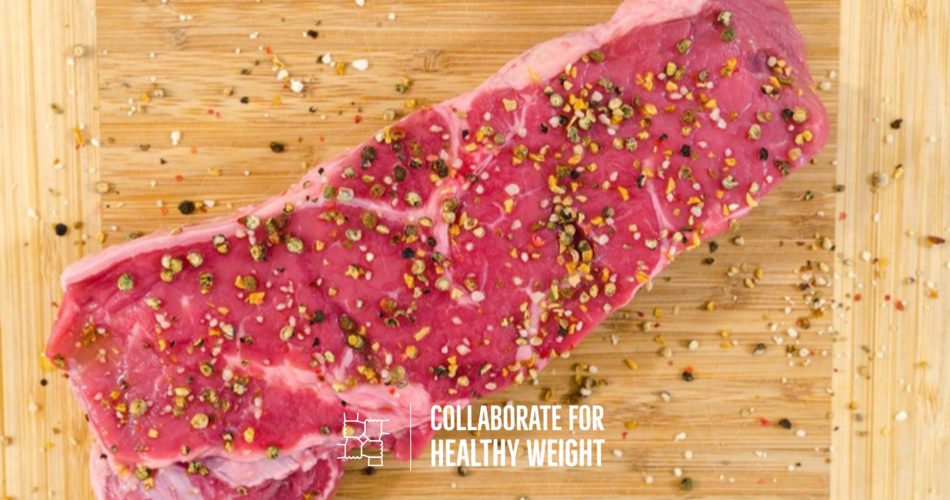
Several observational studies have linked higher red meat intake with a greater risk of endometriosis, and a systematic review and meta-analysis of food groups and endometriosis risk looked at this evidence. Observational studies cannot prove cause, so treat this as a reason to eat less red meat, not a diagnosis-changing rule.
Swap for: Fish, poultry, eggs, beans, or lentils several times a week.
2. Trans Fats and Fried Foods
Trans fats and heavily fried foods are linked with more inflammation in general, and some endometriosis research has associated them with higher risk. Artificial trans fats are now restricted in the U.S., so check labels for “partially hydrogenated oil,” and watch fried takeout and packaged baked goods.
Swap for: Olive oil, avocado, nuts, and baked or air-fried foods.
3. Alcohol
Alcohol affects how the body handles estrogen, and endometriosis is estrogen-sensitive. Studies are mixed, but many women find alcohol worsens pain or bloating, so it is worth tracking your own response and talking with your doctor.
Swap for: Sparkling water with citrus, herbal tea, or alcohol-free alternatives.
4. Excess Caffeine
Evidence on caffeine is mixed. There is no firm rule against coffee, but very high intake may worsen cramping or sleep, and poor sleep can make pain feel worse. Moderation is the reasonable approach.
Swap for: Decaf, half-caf, or herbal tea for some of your daily cups.
5. Processed and Fast Food
Ultra-processed meals tend to combine refined carbs, unhealthy fats, salt, and few vegetables. Eating this way day after day pushes your overall diet away from the anti-inflammatory pattern that most endometriosis diet reviews point to.
Swap for: Simple home-cooked meals built around vegetables, protein, and whole grains.
6. Added Sugar and Sugary Drinks
Sugar-heavy foods cause quick blood sugar swings and add calories without nutrients. They are not proven to cause endometriosis, but cutting them back supports an anti-inflammatory pattern.
Swap for: Fruit, plain yogurt, or water and unsweetened tea.
7. Refined Grains
White bread, white pasta, and pastries digest quickly and displace fiber-rich foods. Higher fiber intake is a common feature of the dietary patterns studied for endometriosis.
Swap for: Oats, quinoa, brown rice, and 100% whole-grain bread.
8. High-Fat Dairy
The research on dairy and endometriosis is mixed: some studies suggest dairy is neutral or even helpful, others link high-fat dairy to worse outcomes. Instead of cutting dairy outright, shift toward lower-fat options and see how you feel.
Swap for: Low-fat dairy or calcium-fortified plant milks.
9. Gluten (Only If It Bothers You)
Some small studies and many patient reports describe less pain on a gluten-free diet, but a review of the evidence concludes it is lacking to recommend it for endometriosis patients. If you want to try it, do it with a dietitian so you do not lose fiber and nutrients, and unless you have celiac disease, do not assume you need to avoid it.
Swap for: A supervised trial of two to four weeks, tracking symptoms, before deciding.
Quick Reference: Foods to Limit and Easy Swaps
| Limit | Main Concern | Swap For |
|---|---|---|
| Red meat | Linked to risk in some observational studies | Fish, poultry, beans |
| Trans and fried fats | Inflammation, observational link | Olive oil, avocado, baked foods |
| Alcohol | Estrogen metabolism, flare triggers for some | Sparkling water, herbal tea |
| Excess caffeine | Mixed evidence, may worsen pain for some | Decaf, herbal tea |
| Processed and fast food | Diet-wide inflammation | Home-cooked whole foods |
| Sugar and sugary drinks | Blood sugar swings, extra calories | Fruit, water |
| Refined grains | Quick-digesting carbs | Oats, quinoa, brown rice |
| High-fat dairy | Evidence mixed | Low-fat dairy or fortified alternatives |
| Gluten | Little evidence for most women | Discuss a supervised trial |
Soy, Omega-6 Oils, and Other Myths
Soy contains plant compounds that weakly mimic estrogen, so it is often listed as a food to avoid. The evidence in endometriosis is limited and does not support a blanket ban. If you eat soy regularly, ask your doctor or dietitian whether to change anything, and vary your protein sources.
Omega-6 vegetable oils are also often blamed. The simplest approach is the one that already helps: cook with olive oil, eat fatty fish, and cut back on fried and packaged foods that rely on cheap oils.
What to Eat Instead
Johns Hopkins Medicine lists fruit, especially citrus, among the factors that may lower the risk of endometriosis. Beyond that, most diet reviews point to an anti-inflammatory pattern:
- Fruit and vegetables at most meals
- Fatty fish such as salmon, sardines, and mackerel
- Whole grains, beans, and lentils for fiber
- Nuts, seeds, avocado, and olive oil
For a full week of meals, see our 7-day endometriosis diet meal plan, and for a shopping list use the endometriosis diet grocery list. For period pain, our guide to foods that help with menstrual cramps adds more options, and the broader foods to avoid for inflammation and how to reduce inflammation in the body cover the bigger picture.
Frequently Asked Questions
Can diet cure endometriosis?
No. Diet cannot cure endometriosis, but an anti-inflammatory eating pattern may help some women manage symptoms alongside the treatment their doctor recommends.
Is a gluten-free diet necessary?
Not for most women. The evidence is limited, so discuss a time-limited trial with a doctor or dietitian rather than assuming it will help.
Should I avoid dairy?
Not automatically. Research is mixed, so try lower-fat options first and notice how you feel before cutting a whole food group, since dairy is a main source of calcium.
Does an anti-inflammatory diet reduce pain?
Some women report less pain, but the research is still developing. Think of food as one tool alongside medication, heat, movement, and medical care.
What is the best way to find my own triggers?
Keep a simple food and symptom diary for a few weeks, change one food at a time, and share the results with your healthcare provider.
The Bottom Line
The best-supported foods to limit for endometriosis are red meat, trans and fried fats, alcohol, excess caffeine, and ultra-processed food, but the evidence is mostly observational, so build your plan around your own symptoms. Fill your plate with fruit, vegetables, fish, whole grains, and healthy fats, and keep medical treatment at the center.
This article is for informational purposes only and is not a substitute for professional medical advice. Please consult your healthcare provider or a registered dietitian before making significant changes to your diet, especially if you are managing endometriosis or another medical condition or take medication.