The foods to avoid for diverticulitis depend on timing: during a flare you temporarily limit high-fiber foods, and between flares you limit red meat, processed foods, and low-fiber staples. According to the NIDDK, doctors once advised avoiding nuts, seeds, and popcorn, but more recent research suggests they are not harmful, and most people with diverticular disease do not need to avoid specific foods.
This guide separates the two phases so you do not mix them up. It covers ten foods, when each one matters, and a swap for each. If you are having a flare right now, follow your doctor’s instructions first, since a flare may need antibiotics or other treatment.
Jump to: High-Fiber Whole Grains | Raw Vegetables and Vegetables with Skins | Fruit with Skins and Seeds | Beans and Lentils | Nuts, Seeds, and Popcorn (Flare Only) | Foods to Limit Between Flares | Red Meat | Processed Foods and Meats | Fried and High-Saturated-Fat Foods | Refined, Low-Fiber Staples as Everyday Foods | Your Personal Trigger Foods | Quick reference | How to Move From a Flare Back to Normal Eating | FAQ | The Bottom Line
Foods to Avoid During a Diverticulitis Flare
The Mayo Clinic says healthcare professionals are likely to recommend a liquid diet for an uncomplicated flare, then gradually adding solid food, beginning with low-fiber foods. Cleveland Clinic says a milder flare may call for a low-fiber diet that limits fiber to about 8 to 12 grams a day. These foods are for the short term only.
1. High-Fiber Whole Grains
During a flare, Cleveland Clinic advises a low-fiber or GI soft diet that limits fiber to roughly 8 to 12 grams a day, depending on severity. That means setting aside whole-wheat bread, brown rice, bran cereals, and other high-fiber grains for a short time.
Swap for: White rice, white pasta, white bread, and plain crackers until your symptoms settle.
2. Raw Vegetables and Vegetables with Skins
Raw vegetables and those with skins or seeds add more roughage than your gut may want during a flare, and Cleveland Clinic lists them among the foods to set aside temporarily.
Swap for: Peeled, well-cooked vegetables, such as peeled potatoes, carrots, or squash.
3. Fruit with Skins and Seeds
Fruits with skins or seeds are also on Cleveland Clinic’s flare-time list. You do not need to avoid fruit entirely, just choose softer forms.
Swap for: Applesauce, canned peaches or pears, ripe bananas, or soft ripe melon.
4. Beans and Lentils
Legumes are excellent long-term foods, but their fiber and gas can be uncomfortable during a flare, so Cleveland Clinic places them on the temporary avoid list.
Swap for: Eggs, tofu, shredded chicken, or soft baked fish for protein.
5. Nuts, Seeds, and Popcorn (Flare Only)
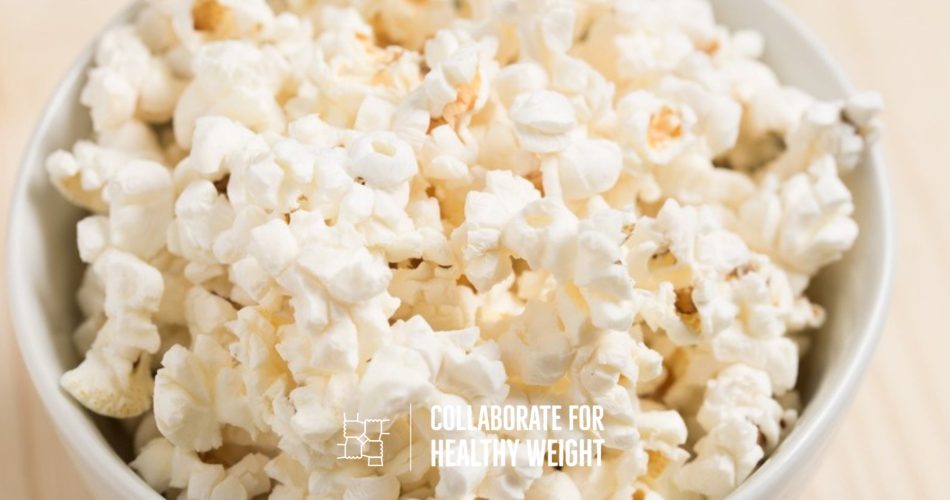
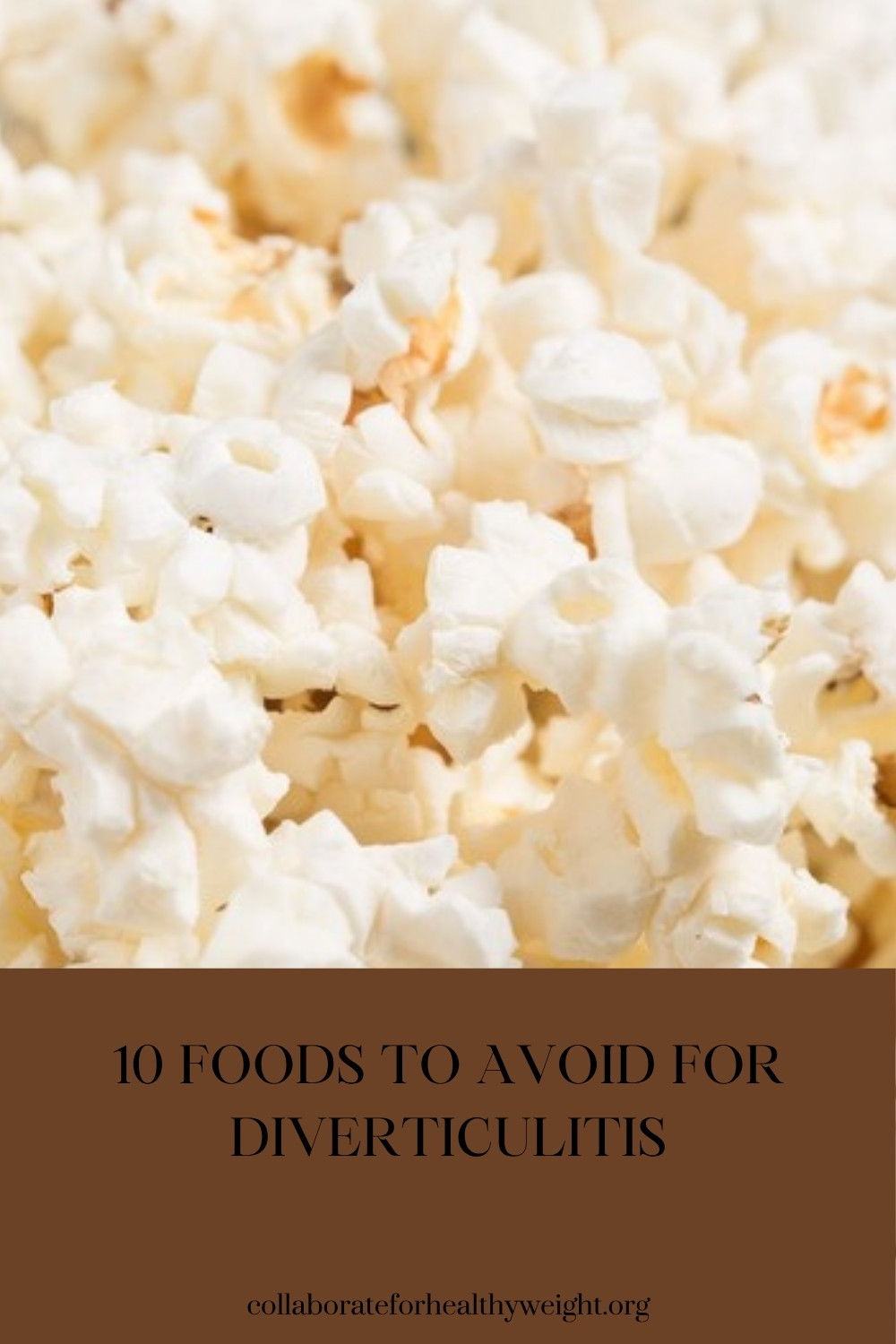
Doctors once told everyone with diverticulosis to avoid nuts, seeds, and popcorn. That advice is outdated: the NIDDK says more recent research suggests they are not harmful, and Cleveland Clinic calls the concern “mostly a myth.” The only reason to skip them is the temporary low-fiber diet during a flare.
Swap for: Smooth nut butter in small amounts once your doctor says you can add fiber back.
Foods to Limit Between Flares
Once the flare is over, the goal flips: Cleveland Clinic recommends about 25 to 35 grams of fiber a day from minimally processed plant foods, and the NIDDK cites 28 grams a day on a 2,000-calorie diet. Harvard Health reports that people with the healthiest lifestyle scores, including more fiber, less red meat, a healthy weight, no smoking, and regular activity, had about half the risk of those with the lowest scores in that 2025 analysis.
6. Red Meat
A 2025 analysis of three large U.S. cohorts, summarized by Harvard Health, found that high intake of red meat, both processed and unprocessed, was associated with a higher risk of diverticulitis. The NIDDK also says a diet low in fiber and high in red meat may increase the risk. These are observational findings, not proof, but they are consistent.
Swap for: Fish, poultry, eggs, beans, and lentils on most days.
7. Processed Foods and Meats
Cleveland Clinic advises limiting processed foods outside a flare, and processed meat was part of the red meat finding above. Packaged and processed foods also tend to be low in fiber.
Swap for: Whole, minimally processed foods cooked at home.
8. Fried and High-Saturated-Fat Foods
Cleveland Clinic lists high-saturated-fat foods among those to limit outside a flare, and Cleveland Clinic’s overview of diverticular disease suggests eating more plants and fewer animal fats for general bowel health. Fried foods can also be uncomfortable during a flare.
Swap for: Baked, steamed, or grilled foods cooked with olive oil.
9. Refined, Low-Fiber Staples as Everyday Foods
White bread, white rice, and sugary cereals are useful during a flare, but they should not become your everyday diet. Harvard Health links low fiber intake with a higher risk of diverticulitis, and the NIDDK notes that people who have had diverticulitis may be advised to eat more high-fiber foods.
Swap for: Beans, whole grains, vegetables, fruit, nuts, and seeds, added gradually.
10. Your Personal Trigger Foods
Cleveland Clinic suggests limiting any foods that trigger GI upset for you. Spicy foods, alcohol, or carbonated drinks bother some people but are not proven triggers of diverticulitis, so a food and symptom diary is more useful than a blanket ban.
Swap for: Keep a diary for several weeks and adjust with your doctor or dietitian.
Quick Reference: Foods to Limit and Easy Swaps
| Limit | When | Swap For |
|---|---|---|
| Whole grains and high-fiber cereals | During a flare | White rice, white pasta, white bread |
| Raw vegetables and skins | During a flare | Peeled, well-cooked vegetables |
| Fruit with skins or seeds | During a flare | Applesauce, canned peaches or pears, ripe banana |
| Beans and lentils | During a flare | Eggs, tofu, tender fish or chicken |
| Nuts, seeds, popcorn | During a flare only | Smooth, small amounts once you recover |
| Red meat | Between flares | Fish, poultry, beans |
| Processed foods and meats | Between flares | Whole, minimally processed foods |
| Fried and high-saturated-fat foods | Between flares | Baked, steamed, olive oil |
| Refined, low-fiber staples | Between flares | Whole grains, produce, legumes |
| Personal trigger foods | Any time | Keep a food diary |
How to Move From a Flare Back to Normal Eating
- Follow your doctor’s plan first. Mayo Clinic notes that a liquid diet is used for a short time, then solid food returns gradually, beginning with low-fiber options.
- Cleveland Clinic says to add fiber back gradually over several days to weeks to avoid constipation and bloating.
- Drink enough water as fiber increases.
- Ask your doctor before using NSAIDs such as ibuprofen or naproxen, since they can raise bleeding risk and acetaminophen is usually recommended instead.
- Stay active, maintain a healthy weight, and avoid smoking, all of which Harvard Health links with lower risk.
For meals, see our 7-day diverticulitis diet meal plan and diverticulitis diet grocery list. To build up fiber between flares, use the 7-day high fiber meal plan and read how much fiber you should have daily.
Frequently Asked Questions
Is a high-fiber diet good or bad for diverticulitis?
Both, depending on timing. Fiber helps lower the risk of future flares, but a temporary low-fiber diet is often used during an active flare.
Do I really need to avoid nuts, seeds, and popcorn?
Not long term. The NIDDK says recent research suggests they are not harmful. During a flare, a low-fiber diet usually excludes them temporarily.
How long does the low-fiber phase last?
Cleveland Clinic says to stay on it until symptoms subside, and that improvement often begins after several days of antibiotics. Contact your provider if you do not feel better within a few days.
Does red meat cause diverticulitis?
Studies link high red meat intake with higher risk, but they are observational. Eating less red meat and more fiber is a reasonable step.
Should I take a fiber supplement or probiotic?
Ask your doctor. Mayo Clinic says a fiber supplement may be recommended, but that there is not enough evidence to show probiotics should be used.
The Bottom Line
For diverticulitis, avoid high-fiber foods only briefly during a flare, then return to a fiber-rich, plant-forward diet with less red meat and fewer processed foods. Nuts, seeds, and popcorn no longer need to be avoided long term. Follow your doctor’s guidance on timing, because the transition matters more than any single food.
This article is for informational purposes only and is not a substitute for professional medical advice. Please consult your healthcare provider or a registered dietitian before making significant changes to your diet, especially if you have diverticulitis, abdominal pain, fever, or another medical condition or take medication.