Foods to avoid for bloating are the ones that make extra gas in your gut or add air to it: fizzy drinks, beans and lentils, cruciferous vegetables, sugar alcohols, lactose-heavy dairy, some fruits and juices, and very high-fat meals. You rarely need to cut them all. Most people find one or two real triggers, and a few habit changes do the rest.
The NIDDK lists these same foods as common causes of gas, and its main advice for finding yours is simple: keep a diary of what you eat and drink and your symptoms, then share it with your doctor or dietitian.
Jump to: Fizzy Drinks | Beans, Peas and Lentils | Broccoli, Cauliflower, Kale and Other Cruciferous Vegetables | Sugar-Free Gum, Candy and “Diet” Foods | Large, High-Fat Meals | Milk, Ice Cream and Yogurt (If You Are Lactose Intolerant) | Apples, Peaches, Pears and Fruit Juice | Sweetened Soft Drinks, Sports Drinks and Energy Drinks | A Sudden Jump in Fiber, Including Whole Grains | Gum, Hard Candy, Talking While Eating and Eating Fast | Quick reference | How to Find Your Own Triggers | FAQ | The Bottom Line
10 Common Bloating Triggers
The first eight are foods and drinks. The last two are habits that can add air to your gut.
1. Fizzy Drinks
The NIDDK advises avoiding or limiting how often you drink fizzy drinks, and drinking without a straw, because these habits can add to gas symptoms. Soda, sparkling water and beer all carry dissolved gas.
Swap for: Still water, perhaps with cucumber or citrus slices, or warm herbal tea.
2. Beans, Peas and Lentils
Legumes are on the NIDDK’s list of gas-causing foods. They are also nutritious, so the better move is smaller portions and slower increases than avoiding them forever. Draining and rinsing canned beans may help some people.
Swap for: A quarter-cup portion to start, then build up. Eggs, fish and poultry are protein options with less fermentable fiber.
3. Broccoli, Cauliflower, Kale and Other Cruciferous Vegetables
The NIDDK names broccoli, cauliflower, collard greens and kale among vegetables that can cause gas. Cooking them thoroughly can make them easier on some people, and smaller portions help.
Swap for: Carrots, zucchini, cucumber or spinach, or a smaller serving of the cruciferous veg you like best.
4. Sugar-Free Gum, Candy and “Diet” Foods
The NIDDK flags products sweetened with ingredients ending in “-ol,” such as sorbitol, mannitol, xylitol, erythritol and maltitol. These are poorly absorbed and can cause gas and loose stools.
Swap for: Regular versions in small amounts, or check the label for “-ol” ingredients.
5. Large, High-Fat Meals
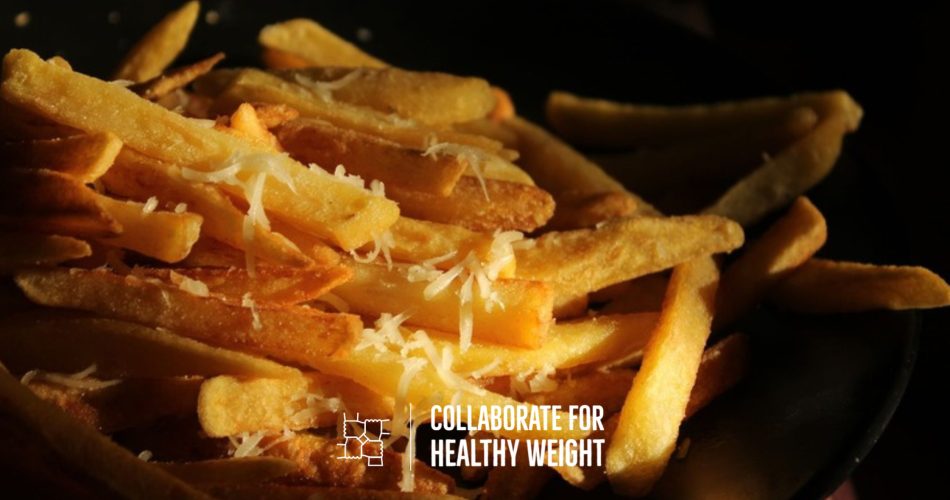
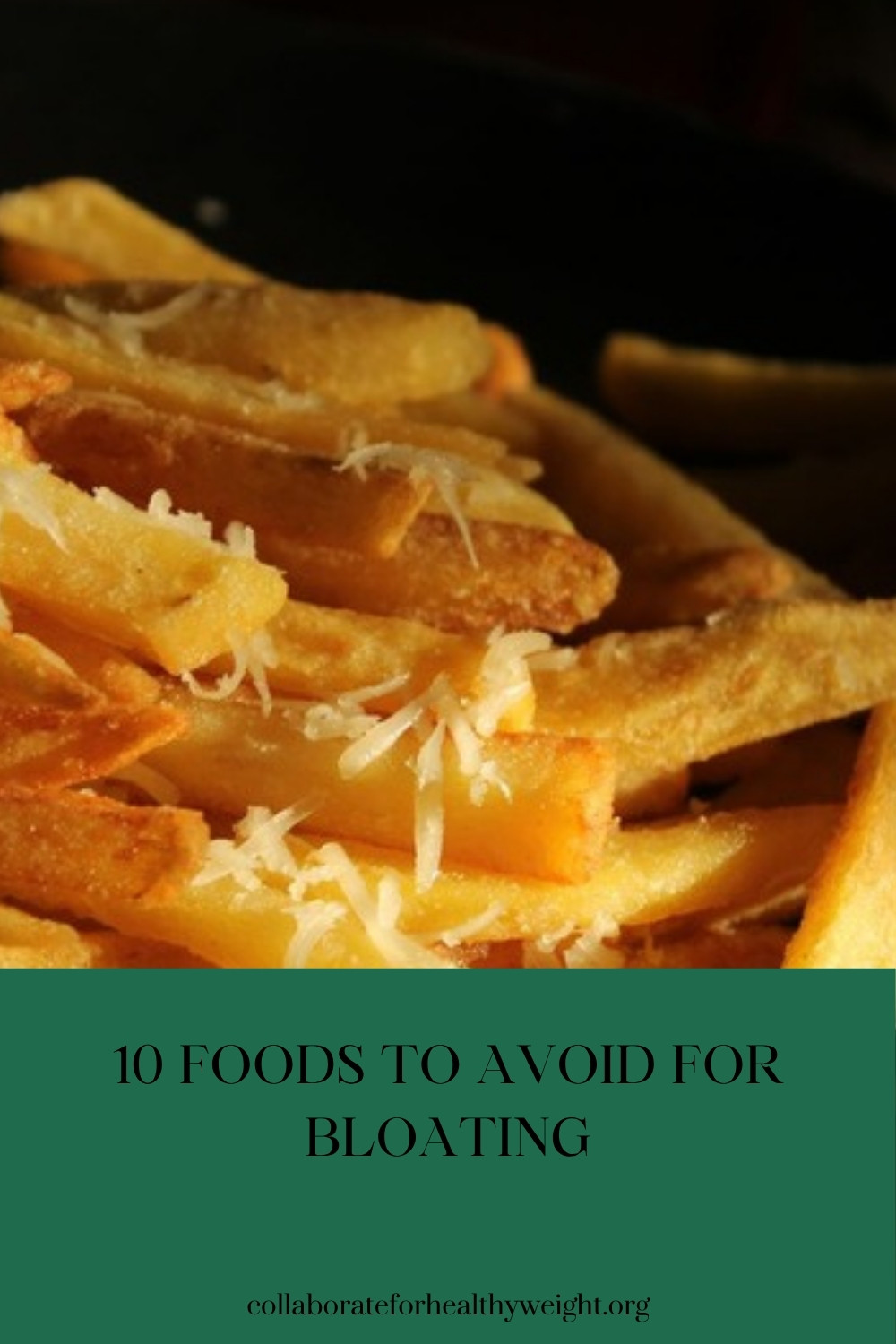
The NIDDK notes high-fat foods may increase bloating. Fried food, cream sauces and big restaurant meals are the usual culprits.
Swap for: Smaller portions, and grilled, baked or steamed cooking instead of frying.
6. Milk, Ice Cream and Yogurt (If You Are Lactose Intolerant)
Milk, ice cream and yogurt are listed for their lactose. For lactose intolerance, the NIDDK says doctors may recommend reducing lactose in your diet. If bloating shows up an hour or two after dairy, that is a clue.
Swap for: Lactose-free milk, plant milks, or smaller dairy portions. Do not cut dairy permanently without checking your calcium intake.
7. Apples, Peaches, Pears and Fruit Juice
These fruits and fruit juices are on the NIDDK’s list. This does not mean fruit is bad. Try other fruits and see which ones suit you.
Swap for: Berries, citrus or bananas, and whole fruit instead of juice.
8. Sweetened Soft Drinks, Sports Drinks and Energy Drinks
The NIDDK lists drinks made with high-fructose corn syrup, including fruit juices, soft drinks, sports drinks and energy drinks. They combine sugar load with fizz.
Swap for: Water, plus plain tea or coffee if they agree with you.
9. A Sudden Jump in Fiber, Including Whole Grains
Whole grains such as whole wheat appear on the NIDDK’s list, and it notes that some people have more gas when they eat too much fiber. Fiber is still good for you. The trick is raising it slowly while drinking enough water.
Swap for: Add one new high-fiber food at a time over a few weeks. Our guide to foods that help with constipation shows gentle high-fiber options.
10. Gum, Hard Candy, Talking While Eating and Eating Fast
The NIDDK recommends limiting gum and hard candy, avoiding talking while eating or drinking, and eating slowly while sitting down. These habits make you swallow more air.
Swap for: Slower meals, sitting at a table, and thorough chewing.
Quick Reference
| Trigger | Why it bloats | Try this |
|---|---|---|
| Fizzy drinks | Adds gas | Still water, no straw |
| Beans, lentils | Fermentable carbs | Small portions, build up |
| Cruciferous veg | Gas during digestion | Cook well, smaller servings |
| Sugar alcohols | Poorly absorbed | Read labels for “-ol” |
| High-fat meals | May increase bloating | Smaller, lighter meals |
| Dairy (lactose) | Lactose not digested | Lactose-free options |
| Apples, pears, juice | On NIDDK gas list | Berries, citrus |
| Gum, fast eating | Swallowed air | Eat slowly, skip gum |
How to Find Your Own Triggers
- Write down what you eat and drink, and when bloating or gas shows up. The NIDDK says your doctor or dietitian can use the diary to see which foods or drinks are the cause.
- Change one thing at a time for a week or two before judging it.
- Build habits first: eat slowly, skip the straw and gum, and reduce fizzy drinks.
- If you have irritable bowel syndrome, the NIDDK mentions a low-FODMAP diet tried for a few weeks as one option. Our 7-day low FODMAP meal plan shows how that looks in practice, and the high-fiber low-FODMAP grocery list helps you shop for it.
- Want the other side of the coin? See our list of foods that reduce bloating.
Frequently Asked Questions
Do I have to give up beans and broccoli?
Usually not. Smaller portions, better cooking and slower increases often let people keep them. If they remain a problem, keep them to portions you tolerate.
Is bloating the same as gas?
Not exactly. Gas is air or gas in the gut, while bloating is the feeling of fullness or swelling. They often occur together, and the same triggers apply to many people.
Could it be lactose intolerance or celiac disease?
Possibly. The NIDDK mentions a gluten-free diet for celiac disease and reducing lactose for lactose intolerance as options your doctor may discuss. Do not start a gluten-free diet before testing for celiac disease, as it can affect test results.
When should I see a doctor?
Get checked if bloating is persistent or comes with weight loss, severe pain, blood in your stool, or changes in your bowel habits. Do not assume it is just food.
The Bottom Line
Bloating usually comes from gas-producing foods and from swallowed air. Start with the easy wins: fewer fizzy drinks, no straw or gum, slower meals and smaller portions of beans and cruciferous vegetables. Then use a food and symptom diary to find any foods that are truly yours to avoid, and see a doctor if symptoms are severe or persistent.
This article is for informational purposes only and is not a substitute for professional medical advice. Please consult your healthcare provider or a registered dietitian before making significant changes to your diet, especially if you are managing a medical condition or taking medication.