Foods to avoid for acne are mainly high-glycemic foods, such as white bread, fries and sugary drinks, plus cow’s milk for some people. The evidence is real but limited, and acne is never caused by food alone. Think of this list as a set of experiments to try, not a promise of clear skin.
The American Academy of Dermatology links high-glycemic foods to more acne and notes that small studies suggest a low-glycemic diet may reduce breakouts, while other studies found no such connection. It describes the evidence as limited, mostly from small studies or food-questionnaire studies, and says “more research is needed to know for sure.” A Dermatology Times review calls the research “current, but limited” and suggests trial and error for individual patients.
Jump to: White Bread and Refined Grains | French Fries and Fried Potatoes | Sugary Drinks | Sweets, Candy and Daily Confections | Cow’s Milk (Including Skim) | Sugary Cereals and Pastries | Fast-Food Meals | Big Portions of Any High-Glycemic Starch | Quick reference | What to Eat Instead | How to Test Your Own Triggers | FAQ | The Bottom Line
8 Foods and Drinks Linked to Acne
Most of these are about blood sugar, and one is about dairy. Evidence strength is noted for each.
1. White Bread and Refined Grains
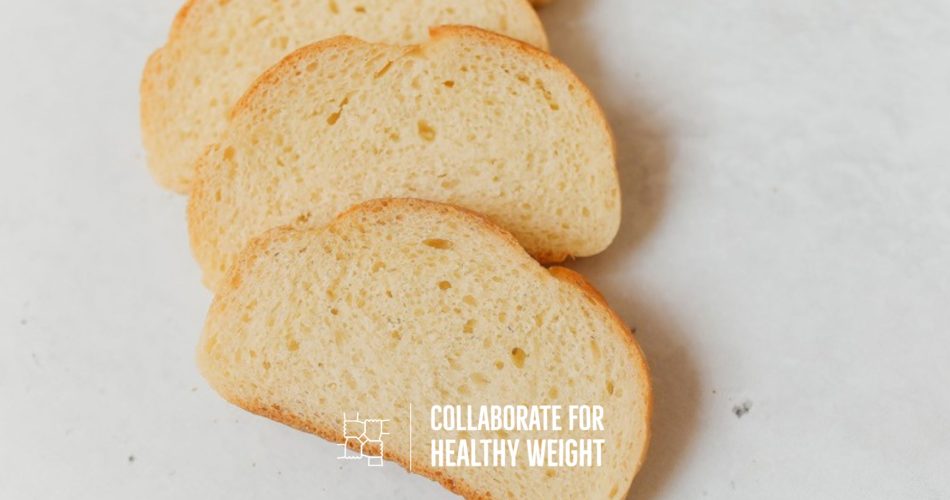
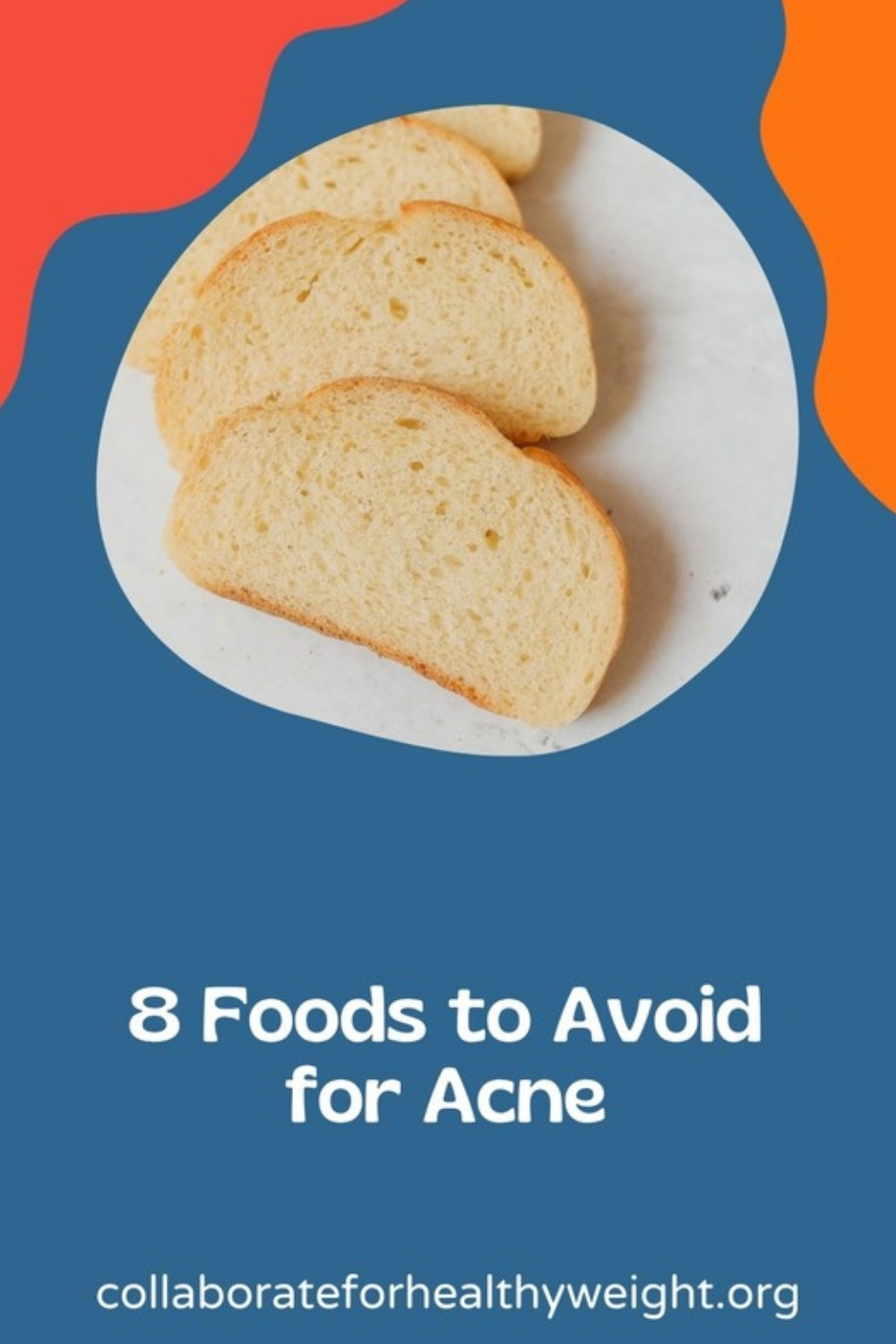
The AAD names white bread among the high-glycemic foods linked to more acne. The theory is that blood sugar spikes drive inflammation and extra oil production. Dermatology Times reports that low-glycemic-load diets were linked to fewer acne lesions, including in two randomized trials, though the research is limited.
Swap for: Whole-grain bread, oats, quinoa or barley, which digest more slowly.
2. French Fries and Fried Potatoes
Fries are one of the AAD’s named examples of high-glycemic foods. Fried food may be a double hit of refined starch and heavy oil, though the AAD ties the link to glycemic effects.
Swap for: Baked sweet potato or a smaller portion of boiled or roasted potatoes with the skin on.
3. Sugary Drinks
The AAD also names sugary drinks. Soda, sweet tea, sweetened coffee drinks and juice deliver sugar fast, without fiber to slow it down. This is often the easiest thing to cut.
Swap for: Water, sparkling water with fruit, or unsweetened tea. For more on this topic, see our guide to foods that help lower blood sugar spikes after meals.
4. Sweets, Candy and Daily Confections
Dermatology Times cites a finding that eating chocolate and confections daily was “independently and highly associated with acne.” The same review notes a 6,000-girl study found no association with chocolate, so the evidence is mixed. The AAD page does not address chocolate directly.
Swap for: Fresh fruit, or a small portion of dark chocolate, and see how your skin responds.
5. Cow’s Milk (Including Skim)
The AAD says cow’s milk, including skim, is linked to acne in several studies. In a U.S. study of 47,355 women, those drinking two or more glasses of skim milk daily were 44% more likely to have acne. The reason is unclear. Dermatology Times reports a study of more than 6,000 girls linked full-fat, low-fat and skim milk to acne, but not non-milk dairy. The AAD found no evidence that yogurt or cheese increase breakouts.
Swap for: If you suspect milk, try unsweetened soy or almond milk for a few weeks. Check that you are still getting enough calcium and vitamin D.
6. Sugary Cereals and Pastries
These combine refined flour with added sugar, so they are the same high-glycemic pattern as white bread and sugary drinks, first thing in the morning. This is an inference from the glycemic evidence, not a separate study.
Swap for: Plain oats with fruit and nuts, eggs with whole-grain toast, or plain yogurt with berries.
7. Fast-Food Meals
A typical fast-food meal stacks white bun, fries and a sugary drink, which hits three of the AAD’s named high-glycemic examples at once. Dermatology Times does not address fast food or saturated fat as a separate factor, so the case rests on the glycemic pattern.
Swap for: A home-cooked meal with protein, vegetables and a whole grain. The pattern in our guide to Mediterranean diet health benefits fits this approach well.
8. Big Portions of Any High-Glycemic Starch
The AAD points to the overall glycemic pattern, not a single food. Large servings of white rice, noodles or other refined starches can contribute to the same effect. Pairing starch with protein, fat or fiber slows the blood sugar rise.
Swap for: A smaller starch portion plus vegetables and protein on the same plate.
Quick Reference
| Food | Evidence | Better choice |
|---|---|---|
| White bread, refined grains | AAD named; limited but consistent | Whole grains |
| Fries | AAD named | Baked sweet potato |
| Sugary drinks | AAD named | Water, unsweetened tea |
| Sweets and chocolate | Mixed | Fruit, small portions |
| Cow’s milk, including skim | Several studies, reason unclear | Fortified plant milk trial |
| Yogurt and cheese | No link found by AAD | Usually fine to keep |
What to Eat Instead
- Low-glycemic carbs: oats, barley, quinoa, beans, lentils and most whole fruit
- Plenty of vegetables, with protein at each meal to slow the blood sugar rise
- Omega-3 foods such as salmon, sardines, walnuts and flax. Dermatology Times mentions a randomized trial of 45 patients in which omega-3 or γ-linoleic acid supplementation significantly reduced the number of lesions, though the research is limited
- Water as your default drink
How to Test Your Own Triggers
- The AAD suggests tracking whether specific foods trigger your breakouts and noting what happens when you avoid them.
- Change one thing at a time, and give it at least four to eight weeks, since skin changes slowly.
- Photograph your skin at the same time and light each week so you can compare honestly.
- If your acne comes with irregular periods or other hormonal signs, see our guide to foods to avoid for PCOS and talk with a doctor.
Frequently Asked Questions
Does chocolate cause acne?
Evidence is mixed. One finding linked daily chocolate and confections to acne, while a large study of girls found no association. If you notice a pattern after chocolate, test it for yourself.
Do I have to give up dairy?
Not necessarily. The strongest link in the AAD page is with cow’s milk, including skim, and it found no evidence that yogurt or cheese increase breakouts. If you try cutting milk, keep up your calcium and vitamin D.
Can diet clear my acne on its own?
Unlikely. The AAD notes that effective acne treatment usually includes skin care and medication. Diet may be a helpful extra for some people.
Is a low-glycemic diet safe to try?
For most people, yes. It is mostly whole grains, beans, vegetables and fruit. If you have diabetes or take medication, ask your clinician first.
When should I see a dermatologist?
If acne is painful, leaves scars, or is not improving after a couple of months of consistent over-the-counter care, see a dermatologist. Do not wait for diet changes to work.
The Bottom Line
The best-supported dietary suspects for acne are high-glycemic foods, such as white bread, fries and sugary drinks, and cow’s milk for some people. The research is limited, so run your own careful experiment and keep your dermatologist-guided skin care going alongside it.
This article is for informational purposes only and is not a substitute for professional medical advice. Please consult your healthcare provider or a registered dietitian before making significant changes to your diet, especially if you are managing a medical condition or taking medication.