Foods to avoid during pregnancy are mostly about infection risk: unheated deli meats, raw-milk and some soft cheeses, raw or undercooked meat, eggs and seafood, raw sprouts, and unpasteurized juice. Add to that high-mercury fish, alcohol, and a cap on caffeine. The CDC says pregnant women are 10 times more likely to get a Listeria infection, which is why these precautions exist.
Most of these foods have a safe version. Heating a deli meat until steaming hot or choosing a pasteurized cheese removes most of the risk, so you rarely need to give up a favorite food entirely. Your own provider knows your history, so use this list as a guide for questions rather than a replacement for their advice.
Jump to: Unheated Deli Meat, Hot Dogs and Refrigerated Pâté | Raw Milk and Soft Cheeses | Raw or Undercooked Meat and Poultry | Runny Eggs and Raw Dough | High-Mercury Fish | Raw Fish, Raw Shellfish and Refrigerated Smoked Seafood | Raw or Undercooked Sprouts | Unpasteurized Juice and Cider | Unwashed Produce, Cut Melon and Premade Deli Salads | Alcohol | More Than About 200 mg of Caffeine a Day | Quick reference | Safe Handling Basics | What to Eat Instead | FAQ | The Bottom Line

11 Foods and Drinks to Avoid or Limit During Pregnancy
1. Unheated Deli Meat, Hot Dogs and Refrigerated Pâté
The CDC lists unheated deli meat, cold cuts, hot dogs, fermented or dry sausages and refrigerated pâté or meat spreads as riskier choices. Health Canada’s pregnancy food safety fact sheet gives the same advice and names bologna, roast beef, turkey breast, salami and pepperoni.
Safer: Heat deli meat, hot dogs and sausages to 165°F or until steaming hot. Canned or shelf-stable pâté is fine, according to the CDC.
2. Raw Milk and Soft Cheeses
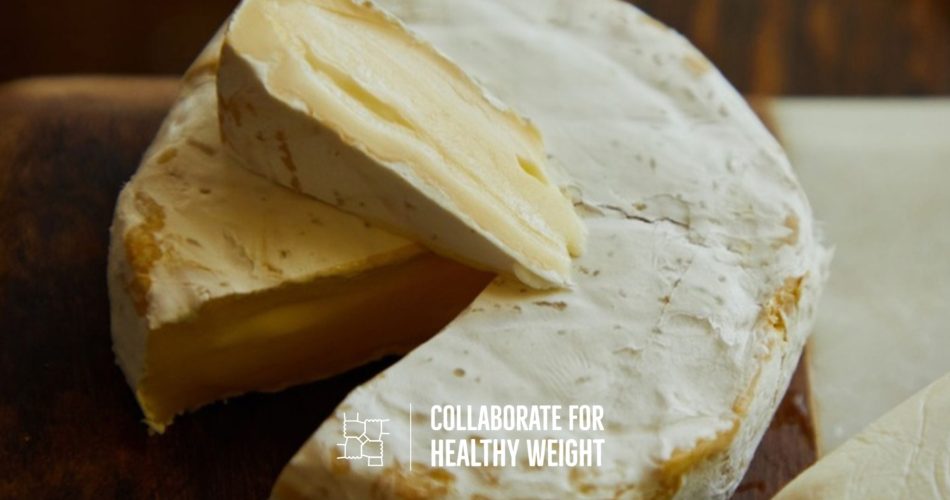
The CDC says to avoid unpasteurized (raw) milk and products made from it, including soft raw-milk cheeses such as queso fresco, brie, camembert and blue-veined cheeses. It also lists queso fresco-type cheeses (queso blanco, requesón) as ones to avoid even when made from pasteurized milk. Health Canada is stricter and lists pasteurized brie, camembert and blue-veined cheeses too, so ask your provider which rule they follow.
Safer: Hard pasteurized cheeses such as cheddar, parmesan and Swiss, plus pasteurized cottage, cream, string, feta or mozzarella. Any soft cheese heated to 165°F is also considered safer.
3. Raw or Undercooked Meat and Poultry
Raw or undercooked poultry and meat are on the CDC’s avoid list. Color alone is not reliable, so use a thermometer.
Safer: Poultry to 165°F, ground beef and pork to 160°F, and whole cuts of beef, veal, lamb and pork to 145°F, then rest for 3 minutes.
4. Runny Eggs and Raw Dough
The CDC says to avoid runny or undercooked eggs and foods containing them, such as Caesar dressing, raw cookie dough or batter and homemade eggnog. It also lists raw dough or batter made with raw flour.
Safer: Eggs cooked until the yolks and whites are firm, and pasteurized eggs for uncooked recipes like mousse or dressing.
5. High-Mercury Fish
The FDA says to avoid king mackerel, marlin, orange roughy, shark, swordfish, Gulf of Mexico tilefish and bigeye tuna. Fish itself is still encouraged: the FDA suggests 2 to 3 servings a week from its “Best Choices” list, or 1 serving from its “Good Choices” list. A serving is 4 ounces, about the size of your palm.
Swap for: Salmon, sardines, shrimp, cod, pollock, tilapia, catfish, trout or canned light tuna.
6. Raw Fish, Raw Shellfish and Refrigerated Smoked Seafood
The CDC lists sashimi, sushi with raw fish, ceviche, raw shellfish and refrigerated smoked seafood (lox, nova-style, kippered, jerky) as riskier choices, unless the smoked fish is cooked in a dish.
Safer: Fish cooked to 145°F, shellfish cooked until the shells open, and shelf-stable smoked fish in sealed packages.
7. Raw or Undercooked Sprouts
Alfalfa and bean sprouts are on the CDC’s avoid list when raw or undercooked, and Health Canada’s fact sheet also names clover, radish and mung bean sprouts.
Safer: Sprouts cooked until steaming hot.
8. Unpasteurized Juice and Cider
The CDC says to avoid unpasteurized juice and cider.
Safer: Pasteurized juice, or unpasteurized juice brought to a rolling boil for at least 1 minute.
9. Unwashed Produce, Cut Melon and Premade Deli Salads
The CDC lists unwashed fruits and vegetables (including lettuce and leafy greens), cut melon left out more than 2 hours (1 hour above 90°F) and premade coleslaw, potato, tuna, chicken or egg salads as riskier choices.
Safer: Washed produce, freshly cut melon or melon refrigerated 7 days or less, and homemade salads.
10. Alcohol
Sutter Health says there is no known safe level of alcohol intake during pregnancy and advises avoiding it entirely.
Swap for: Sparkling water with fruit or a non-alcoholic drink.
11. More Than About 200 mg of Caffeine a Day
Sutter Health advises keeping caffeine under 200 mg a day, about one 12-ounce cup of coffee or two small cups of black tea. It attributes that only to “experts,” so ask your provider for their limit. Remember that tea, soda, energy drinks and chocolate also add up.
Swap for: Decaf coffee or herbal tea. Check with your provider about which herbal teas are suitable in pregnancy.
Quick Reference
| Avoid | Safer version |
|---|---|
| Unheated deli meat, hot dogs, refrigerated pâté | Heated to 165°F or steaming hot; canned pâté |
| Raw milk, soft raw-milk cheeses, queso fresco | Hard pasteurized cheeses; soft cheese heated to 165°F |
| Raw or undercooked meat and poultry | Cooked to 145 to 165°F by type |
| Runny eggs, raw dough | Firm eggs, pasteurized eggs, baked dough |
| Shark, swordfish, king mackerel, marlin, orange roughy, Gulf tilefish, bigeye tuna | 2 to 3 servings a week of Best Choices fish |
| Raw fish, raw shellfish, refrigerated smoked fish | Cooked fish, shelf-stable smoked fish |
| Raw sprouts | Cooked until steaming hot |
| Unpasteurized juice or cider | Pasteurized, or boiled for 1 minute |
| Unwashed produce, old cut melon, premade deli salads | Washed produce, fresh melon, homemade salads |
| Alcohol | None |
| Caffeine | Under about 200 mg a day |
Safe Handling Basics
- The CDC recommends four steps to prevent food poisoning: clean, separate, cook and chill.
- Use a food thermometer, since color alone is not reliable.
- Per Health Canada, refrigerate food and leftovers within 2 hours and keep your fridge at 40°F (4°C) or below.
- Wash fruit and vegetables, and keep raw meat away from ready-to-eat food.
What to Eat Instead
The list of foods to skip is smaller than the list of foods you can enjoy. Cooked proteins, pasteurized dairy, washed produce and lower-mercury fish cover most meals. Our pregnancy diet grocery list shows what to buy each trimester, and our 7-day pregnancy meal plan turns the safe choices into a full week of menus with a grocery list. If nausea is making meals hard, see our guide to foods that help with nausea. After delivery, foods that support postpartum recovery picks up where this leaves off.
Frequently Asked Questions
Can I eat sushi while pregnant?
Raw fish, such as sashimi and sushi made with raw fish, is on the CDC’s avoid list. Rolls made with fully cooked fish or vegetables are a safer choice.
Can I eat deli meat?
Yes, if you heat it until steaming hot (165°F). Cold, unheated deli meat is on the CDC’s riskier list.
Is any fish safe?
Yes. The FDA recommends 2 to 3 servings a week of lower-mercury fish and says to avoid only the highest-mercury species, such as shark and swordfish.
Is a little alcohol okay?
Sutter Health says there is no known safe level of alcohol in pregnancy. Ask your provider if you have questions about alcohol you had before you knew you were pregnant.
Why are pregnant women more at risk?
The CDC says pregnant women are 10 times more likely to get a Listeria infection, and that pregnant people are more likely to get sick from certain germs.
The Bottom Line
Avoid raw and undercooked animal foods, unpasteurized dairy and juice, raw sprouts, high-mercury fish and alcohol, and keep caffeine low. For most other foods, thorough cooking, pasteurization and washing make them safe. Check anything you are unsure about with your provider.
This article is for informational purposes only and is not a substitute for professional medical advice. Please consult your healthcare provider or a registered dietitian before making significant changes to your diet, especially if you are managing a medical condition or taking medication.