Sulforaphane is one of the most studied plant compounds in nutrition science, and it’s not even in your food until you chew it. Cruciferous vegetables store a precursor compound called glucoraphanin alongside an enzyme called myrosinase, kept apart in separate plant cells. Chopping or chewing breaks those cell walls and lets the two react, forming sulforaphane on the spot.
Research summarized by the Linus Pauling Institute at Oregon State University links sulforaphane to activation of the body’s own antioxidant and detoxification enzyme systems, primarily through a pathway called Nrf2. Early human and cell-based research has explored its role in supporting healthy inflammation levels and cellular defense against oxidative stress, a theme that also runs through our guide to foods that may support cancer prevention.
There’s no established RDA for sulforaphane, but the compound is concentrated overwhelmingly in one food category: cruciferous vegetables, which also supply a range of other sulfur compounds. How you prepare them matters as much as which ones you choose. Here are 20 of the best sources, plus the prep tricks that maximize what you actually absorb.
Jump to: Broccoli Sprouts | Broccoli | Brussels Sprouts | Cauliflower | Green Cabbage | Red Cabbage | Kale | Watercress | Mustard Greens | Arugula | Bok Choy | Collard Greens | Radishes | Daikon Radish | Kohlrabi | Turnips | Horseradish | Wasabi | Broccolini | Garden Cress | Tips | FAQ
1. Broccoli Sprouts
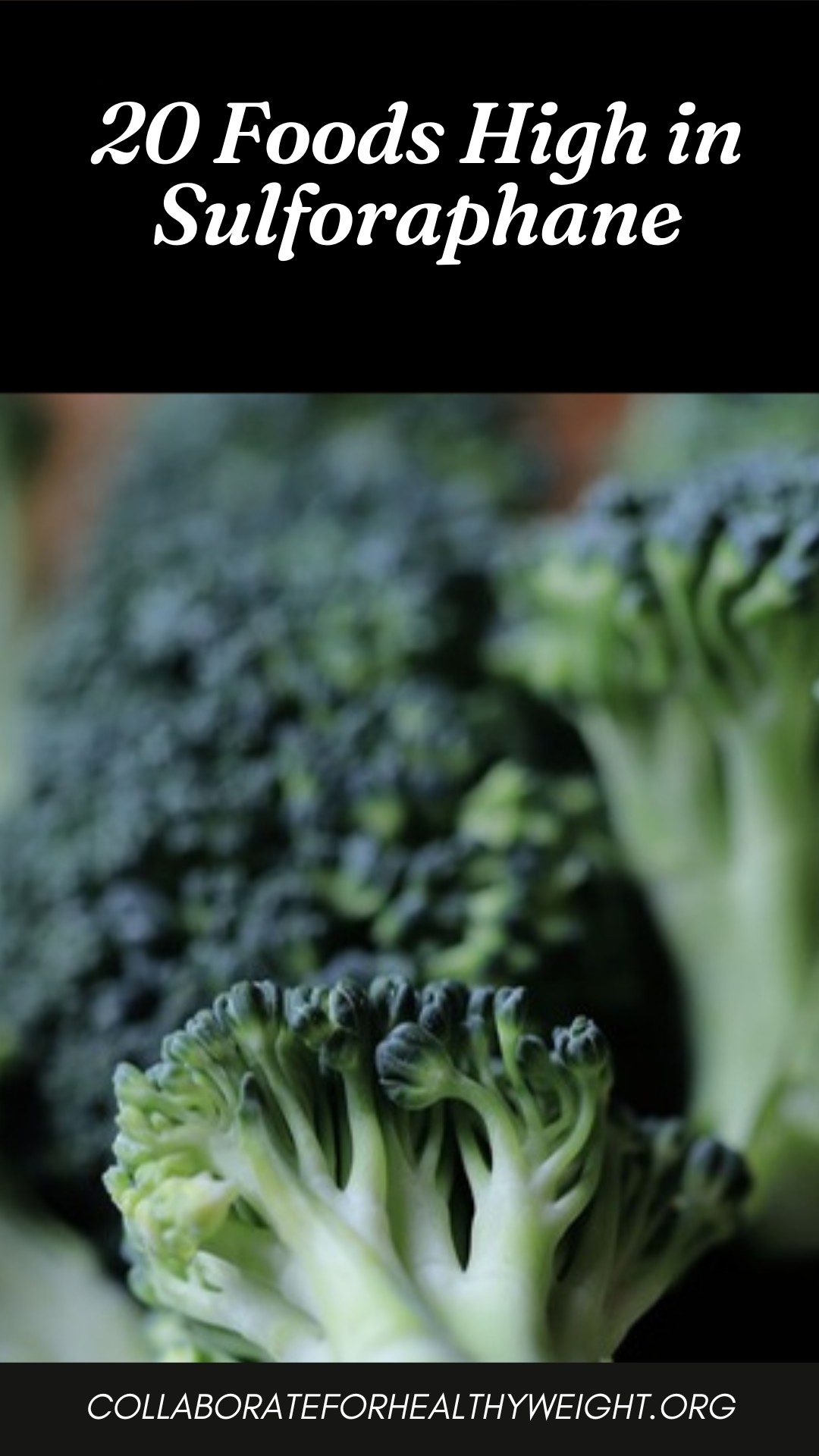
Three-day-old broccoli sprouts contain far more glucoraphanin, the sulforaphane precursor, than mature broccoli, often cited as 10 to 100 times more by weight.
| Serving | Sulforaphane Potential |
|---|---|
| 1 oz | Very high |
Best eaten: raw on sandwiches and salads, chopped or chewed well to activate the enzyme reaction.
2. Broccoli
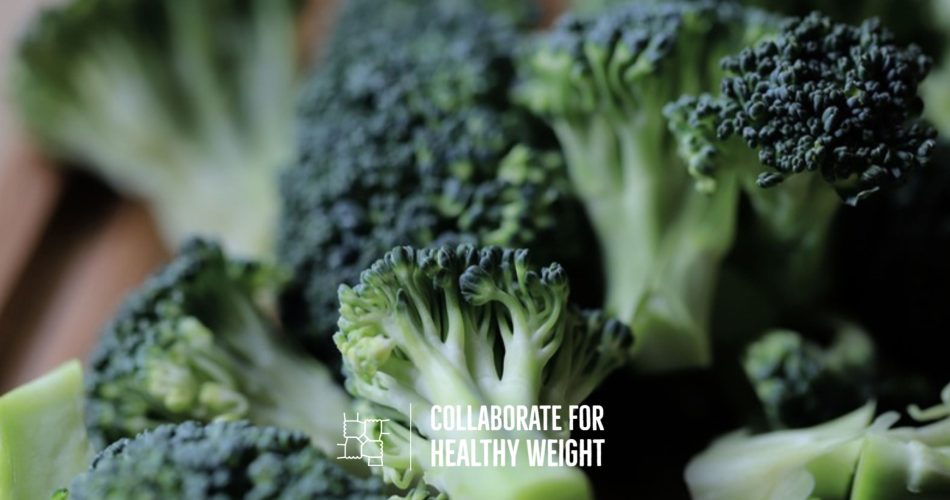
Standard mature broccoli remains one of the most practical everyday sulforaphane sources, especially when lightly cooked rather than boiled.
| Serving | Sulforaphane Potential |
|---|---|
| 1 cup chopped | High |
Best eaten: chopped and left to sit 5 to 10 minutes before light steaming or roasting.
3. Brussels Sprouts
Brussels sprouts belong to the same family as broccoli and carry a solid glucoraphanin content of their own.
| Serving | Sulforaphane Potential |
|---|---|
| 1 cup cooked | Moderate to high |
Best eaten: halved, chopped small, and roasted after a short resting period.
4. Cauliflower
Cauliflower has a milder sulforaphane content than broccoli but is easy to eat in large volume, which helps close the gap.
| Serving | Sulforaphane Potential |
|---|---|
| 1 cup chopped | Moderate |
Best eaten: riced or roasted, chopped ahead of time to maximize the reaction.
5. Green Cabbage
Cabbage is a budget-friendly, year-round sulforaphane source that holds up well in slaws and ferments.
| Serving | Sulforaphane Potential |
|---|---|
| 1 cup shredded | Moderate |
Best eaten: raw in slaws, or fermented into sauerkraut.
6. Red Cabbage
Red cabbage offers a similar sulforaphane profile to green cabbage with the bonus of anthocyanin antioxidants that give it its color.
| Serving | Sulforaphane Potential |
|---|---|
| 1 cup shredded | Moderate |
Best eaten: shredded raw into slaws for color and crunch.
7. Kale
Kale contributes sulforaphane alongside its well-known lutein and vitamin K content, making it one of the more nutritionally complete choices here.
| Serving | Sulforaphane Potential |
|---|---|
| 1 cup chopped | Moderate |
Best eaten: massaged raw into salads or lightly sautéed.
8. Watercress
Watercress is one of the more concentrated leafy sources of glucosinolates in the cruciferous family, with a peppery bite that signals its compound content.
| Serving | Sulforaphane Potential |
|---|---|
| 1 cup | Moderate to high |
Best eaten: raw in salads or blended into green juices.
9. Mustard Greens
Mustard greens carry a sharp, distinctive flavor that comes directly from their glucosinolate content.
| Serving | Sulforaphane Potential |
|---|---|
| 1 cup cooked | Moderate |
Best eaten: braised or added to soups.
10. Arugula
Arugula’s peppery taste is another glucosinolate signature, making it an easy salad-green way to add sulforaphane potential to a meal.
| Serving | Sulforaphane Potential |
|---|---|
| 1 cup | Moderate |
Best eaten: raw, tossed with olive oil and lemon.
11. Bok Choy
Bok choy is milder in taste than most cruciferous vegetables but still delivers a useful glucosinolate content.
| Serving | Sulforaphane Potential |
|---|---|
| 1 cup cooked | Moderate |
Best eaten: stir-fried quickly to retain crunch and nutrients.
12. Collard Greens
Collards bring sulforaphane potential along with a substantial calcium and vitamin K content.
| Serving | Sulforaphane Potential |
|---|---|
| 1 cup cooked | Moderate |
Best eaten: braised low and slow with onion.
13. Radishes
The sharp bite of a radish is a direct sign of its glucosinolate content, concentrated especially in the peppery varieties.
| Serving | Sulforaphane Potential |
|---|---|
| 1/2 cup sliced | Moderate |
Best eaten: raw, sliced thin over salads or tacos.
14. Daikon Radish
This larger, milder radish variety is a staple in Asian cuisines and offers a steady sulforaphane contribution.
| Serving | Sulforaphane Potential |
|---|---|
| 1/2 cup sliced | Moderate |
Best eaten: pickled, grated, or added to soups.
15. Kohlrabi
Kohlrabi is an underused cruciferous vegetable with a mild, slightly sweet flavor and a solid glucosinolate content.
| Serving | Sulforaphane Potential |
|---|---|
| 1 cup cubed | Moderate |
Best eaten: sliced raw into slaws or roasted like a root vegetable.
16. Turnips
Both the root and the greens of a turnip contribute glucosinolates, making the whole vegetable worth using.
| Serving | Sulforaphane Potential |
|---|---|
| 1 cup cubed | Moderate |
Best eaten: roasted alongside other root vegetables.
17. Horseradish
Horseradish is one of the most concentrated glucosinolate sources by weight, though it’s typically eaten in small amounts as a condiment.
| Serving | Sulforaphane Potential |
|---|---|
| 1 tablespoon grated | High (small serving) |
Best eaten: freshly grated as a condiment for meats and sandwiches.
18. Wasabi
True wasabi (not the dyed horseradish paste common in the US) is another concentrated glucosinolate source used in tiny amounts.
| Serving | Sulforaphane Potential |
|---|---|
| 1 teaspoon | High (small serving) |
Best eaten: fresh-grated alongside sushi or sashimi.
19. Broccolini
A cross between broccoli and Chinese broccoli, broccolini offers a similar sulforaphane profile to standard broccoli with a more tender stalk.
| Serving | Sulforaphane Potential |
|---|---|
| 1 cup chopped | Moderate to high |
Best eaten: roasted or grilled whole with the stalks left on.
20. Garden Cress
Garden cress is one of the most concentrated glucosinolate sources among leafy greens, with a sharp, peppery flavor to match.
| Serving | Sulforaphane Potential |
|---|---|
| 1/4 cup | High |
Best eaten: sprinkled raw over soups, sandwiches, and salads.
5 Evidence-Based Tips for Getting the Most From These Foods
- Chop first, cook later. Letting chopped cruciferous vegetables sit for 5 to 10 minutes before cooking gives the myrosinase enzyme time to react with glucoraphanin before heat can deactivate it.
- Avoid boiling. Boiling leaches glucosinolates into the water and destroys much of the myrosinase enzyme. In a study of broccolini and kale, boiling destroyed about 88 percent of the sulforaphane in broccolini, compared with roughly 20 percent lost to steaming. Steaming, stir-frying, roasting, or eating raw preserves far more sulforaphane potential.
- Add a pinch of mustard seed powder. If you’re cooking cruciferous vegetables quickly at high heat, a small amount of mustard powder (which contains its own active myrosinase) added afterward can help restore some of the lost conversion.
- Go for the sprouts when possible. Broccoli sprouts are dramatically more concentrated than the mature vegetable, so a small daily handful can outperform a much larger serving of cooked broccoli.
- Variety spreads the benefit. Different cruciferous vegetables contain different ratios of glucosinolates, so rotating through several types offers broader compound diversity than eating the same one every day.
Sulforaphane FAQ
How do you get the most sulforaphane from broccoli?
Chop or chew it well, then let the chopped broccoli sit for 5 to 10 minutes before cooking so the myrosinase enzyme has time to convert glucoraphanin into sulforaphane. Steam it lightly (a few minutes) or eat it raw. A pinch of mustard powder sprinkled on after cooking can also help if the enzyme has been heat-damaged.
Does cooking destroy sulforaphane?
Heat inactivates myrosinase, so long or high-heat cooking reduces sulforaphane formation, and boiling is the worst offender because compounds also leach into the water. Light steaming for a few minutes keeps enough of the enzyme active to preserve a good share of the conversion, and raw preparation keeps the most.
Are broccoli sprouts better than a sulforaphane supplement?
Whole foods and supplements are not interchangeable. The Linus Pauling Institute notes that in one human comparison, peak sulforaphane metabolite levels were several times higher after eating fresh broccoli than after taking a supplement. Sprouts are the most concentrated food source, but they are a food choice, not a treatment for any condition.
Are cruciferous vegetables good for weight loss?
They can be a useful part of one. Broccoli, cabbage, cauliflower, and Brussels sprouts are low in calories and high in fiber and water, which is why several of them appear in our list of the most filling vegetables. They help you eat a large volume of food for few calories, though they are not a fat-burning shortcut on their own.
Who should be careful with cruciferous vegetables?
People on blood thinners such as warfarin should keep their vitamin K intake consistent from day to day, because broccoli, kale, and other greens are rich in it (see our list of foods high in vitamin K). People with thyroid conditions should also ask their doctor before dramatically increasing raw cruciferous vegetable intake.
The Bottom Line
Sulforaphane is unusual among plant compounds in that preparation method matters as much as food choice. A small handful of raw broccoli sprouts, or broccoli chopped and rested before light cooking, does more for your sulforaphane intake than a larger serving of boiled vegetables. Building a few cruciferous vegetables into your routine, prepared the right way, is one of the simplest evidence-backed habits in this space.
Sulforaphane and glucosinolate content vary significantly by variety, growing conditions, and especially preparation method, so the ratings above are relative guides rather than fixed values.
This article is for informational purposes only and is not a substitute for professional medical advice. If you take blood-thinning medication or have thyroid concerns, talk to your doctor before significantly increasing cruciferous vegetable intake.