
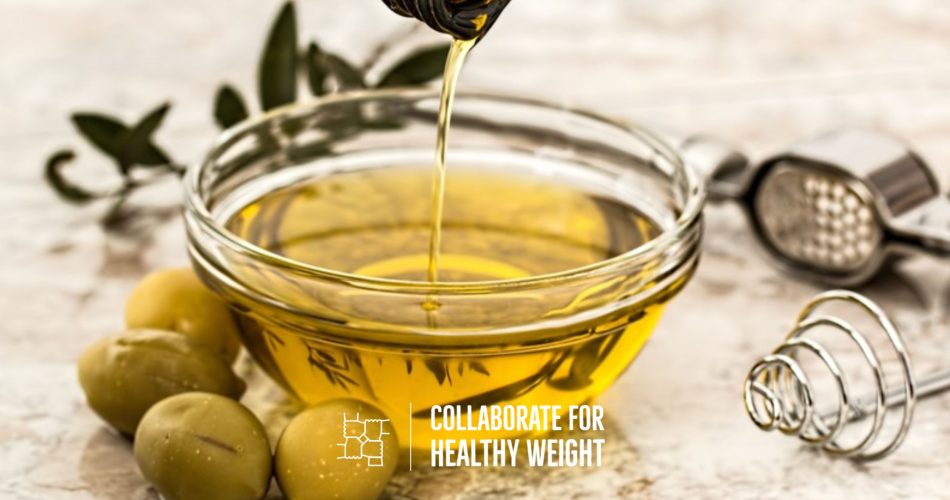
Omega-9 fatty acids are monounsaturated fats found abundantly in foods such as olive oil, avocados, and various nuts, that play a supportive role in heart health and overall dietary fat balance. According to the National Institutes of Health, omega-9 fatty acids, most notably oleic acid, are considered non-essential, meaning the body can produce them on its own, and there is no formally established Recommended Dietary Allowance for omega-9 fats specifically.
Because omega-9 fats are non-essential, there is no single daily target the way there is for omega-3 fatty acids, though the American Heart Association generally recommends replacing saturated fats with unsaturated fats, including monounsaturated omega-9 sources, as part of a heart-healthy eating pattern. Foods particularly rich in omega-9 fatty acids include olive oil, avocados, and a wide range of nuts, making a diet emphasizing these foods a reliable way to obtain substantial omega-9 intake.
Omega-9 and Heart Health
According to Harvard T.H. Chan School of Public Health, monounsaturated fats such as oleic acid have been associated with favorable effects on blood cholesterol levels when they replace saturated fats in the diet, particularly in helping to maintain healthier levels of LDL cholesterol. The Mediterranean diet, which is particularly rich in omega-9 fatty acids from olive oil, has been extensively studied and associated with reduced cardiovascular disease risk in large population studies.
Because the body can manufacture oleic acid on its own, omega-9 fats are sometimes overlooked compared with the essential omega-3 and omega-6 families. Still, the foods that supply omega-9 in the diet, olive oil, avocados, and a variety of nuts among them, tend to be nutrient-dense in other ways as well, contributing fiber, vitamin E, potassium, and plant sterols. This makes choosing omega-9-rich whole foods over processed sources of saturated or trans fat a practical, evidence-supported strategy for supporting long-term cardiovascular and metabolic health.
1. Olive Oil
The signature and most extensively studied dietary source of omega-9 fatty acids.
Best eaten: Drizzled over salads and vegetables, or used for low to medium-heat cooking.
| Nutrient | Amount per 1 tbsp | Source |
|---|---|---|
| Omega-9 (oleic acid) | Approximately 10 g | Harvard Chan |
| Vitamin E | 1.9 mg | USDA FoodData Central |
2. Avocados
A nutrient-dense fruit that provides a substantial amount of omega-9 fatty acids.
Best eaten: Sliced, mashed into guacamole, or added to toast and smoothies.
| Nutrient | Amount per 1 medium | Source |
|---|---|---|
| Omega-9 (oleic acid) | Approximately 10 g | Harvard Chan |
| Fiber | 10 g | USDA FoodData Central |
3. Macadamia Nuts
Among the highest oleic acid content of any common nut.
Best eaten: As a snack, or chopped over salads and yogurt.
| Nutrient | Amount per 1 oz | Source |
|---|---|---|
| Omega-9 (oleic acid) | Approximately 16 g | Harvard Chan |
| Manganese | 1.3 mg | USDA FoodData Central |
4. Almonds
A convenient, portable way to add monounsaturated fats to the diet.
Best eaten: As a snack, or blended into almond butter.
| Nutrient | Amount per 1 oz | Source |
|---|---|---|
| Omega-9 (oleic acid) | Approximately 9 g | Harvard Chan |
| Protein | 6 g | USDA FoodData Central |
5. Hazelnuts
A nut with one of the higher oleic acid concentrations among tree nuts.
Best eaten: As a snack, roasted, or chopped over desserts and oatmeal.
| Nutrient | Amount per 1 oz | Source |
|---|---|---|
| Omega-9 (oleic acid) | Approximately 13 g | Harvard Chan |
| Vitamin E | 4.3 mg | USDA FoodData Central |
6. Cashews
A creamy, versatile nut that provides meaningful monounsaturated fat.
Best eaten: As a snack, or blended into cashew cream sauces.
| Nutrient | Amount per 1 oz | Source |
|---|---|---|
| Omega-9 (oleic acid) | Approximately 7 g | Harvard Chan |
| Magnesium | 82 mg | USDA FoodData Central |
7. Pistachios
A fiber-rich nut that also contributes notable omega-9 fatty acids.
Best eaten: As a snack, or chopped over yogurt and salads.
| Nutrient | Amount per 1 oz | Source |
|---|---|---|
| Omega-9 (oleic acid) | Approximately 6.5 g | Harvard Chan |
| Fiber | 3 g | USDA FoodData Central |
8. High-Oleic Canola Oil
A widely used cooking oil bred and processed to be especially high in omega-9 fats.
Best eaten: Used for baking, roasting, and higher-heat cooking.
| Nutrient | Amount per 1 tbsp | Source |
|---|---|---|
| Omega-9 (oleic acid) | Approximately 8 g | Harvard Chan |
| Vitamin K | 10 mcg | USDA FoodData Central |
Omega-9 Compared to Omega-3 and Omega-6
Unlike omega-3 and omega-6 fatty acids, which are classified as essential because the body cannot produce them and must obtain them from food, omega-9 fatty acids are non-essential since the body can synthesize them internally. According to the National Institutes of Health, this distinction is why formal dietary recommendations exist for omega-3 and omega-6 intake but not for omega-9, though nutrition experts still encourage choosing omega-9-rich foods over saturated fat sources.
Omega-9 and the Mediterranean Diet
Omega-9 fatty acids, primarily from olive oil, are a defining feature of the Mediterranean dietary pattern. According to Harvard T.H. Chan School of Public Health, large clinical trials and population studies have associated Mediterranean-style eating with reduced risk of heart disease and stroke, with the replacement of saturated fats by monounsaturated fats like oleic acid considered one of the pattern’s key beneficial mechanisms.
How Much Omega-9 Do You Need?
Because omega-9 fatty acids are non-essential, no health authority has set a Recommended Dietary Allowance or Adequate Intake level specifically for them, unlike omega-3s. Instead, general dietary fat guidance applies: most nutrition experts, including those at the American Heart Association, recommend that the majority of dietary fat come from unsaturated sources, with monounsaturated fats like the omega-9s found in olive oil, avocados, and nuts favored over saturated fats from butter, fatty red meat, and processed foods. Rather than tracking a specific gram target, the more practical approach is simply substituting these omega-9-rich foods for less healthful fat sources throughout the week.
Quick Reference: All 8 Omega-9 Sources at a Glance
| Food | Omega-9 per Serving |
|---|---|
| Olive oil | Approximately 10 g per tbsp |
| Avocados | Approximately 10 g per medium fruit |
| Macadamia nuts | Approximately 16 g per 1 oz |
| Almonds | Approximately 9 g per 1 oz |
| Hazelnuts | Approximately 13 g per 1 oz |
| Cashews | Approximately 7 g per 1 oz |
| Pistachios | Approximately 6.5 g per 1 oz |
| High-oleic canola oil | Approximately 8 g per tbsp |
5 Evidence-Based Tips for Getting Adequate Omega-9
- Cook with olive oil. Using olive oil as your primary cooking and salad oil is one of the most effective ways to boost omega-9 intake.
- Add avocado to meals regularly. Avocados provide substantial omega-9 fats alongside fiber and potassium.
- Snack on nuts. Macadamia nuts, almonds, hazelnuts, cashews, and pistachios all contribute meaningfully.
- Replace saturated fats when possible. Swapping butter for olive oil or nut-based fats supports a healthier overall fat profile.
- Consider a Mediterranean-style eating pattern. This dietary approach naturally emphasizes omega-9-rich foods alongside other health-supportive choices.
Who Might Be Interested in Omega-9 Rich Foods
People interested in heart health, particularly those looking to replace saturated fats with more heart-healthy alternatives, are likely to benefit from learning more about omega-9-rich foods like olive oil, avocados, and nuts. Those following or considering a Mediterranean-style dietary pattern will find omega-9 fatty acids to be a central and well-researched component of that approach. Anyone focused on general nutrient-dense eating can also benefit, since these foods provide fiber, vitamin E, and other beneficial compounds alongside their fat content.
The Bottom Line
Omega-9 fatty acids are non-essential monounsaturated fats found abundantly in olive oil, avocados, and a range of nuts, including macadamia, almonds, hazelnuts, cashews, and pistachios, that have been associated with favorable effects on heart health, particularly when they replace saturated fats in the diet. Cooking with olive oil, snacking on nuts, and regularly enjoying avocados are simple, well-supported ways to increase intake while also gaining other valuable nutrients.
This article is for informational purposes only and is not intended as medical advice. Nutrient values are approximate and sourced from USDA FoodData Central and Harvard T.H. Chan School of Public Health. Consult a healthcare provider or registered dietitian before making significant changes to your diet.


