Most protein bars are candy bars with a marketing problem. They contain 25 to 35 grams of sugar, a protein source derived from the cheapest available ingredients, and a flavor that requires so much added sweetener to be palatable that the net metabolic effect resembles a chocolate bar more than a functional food.
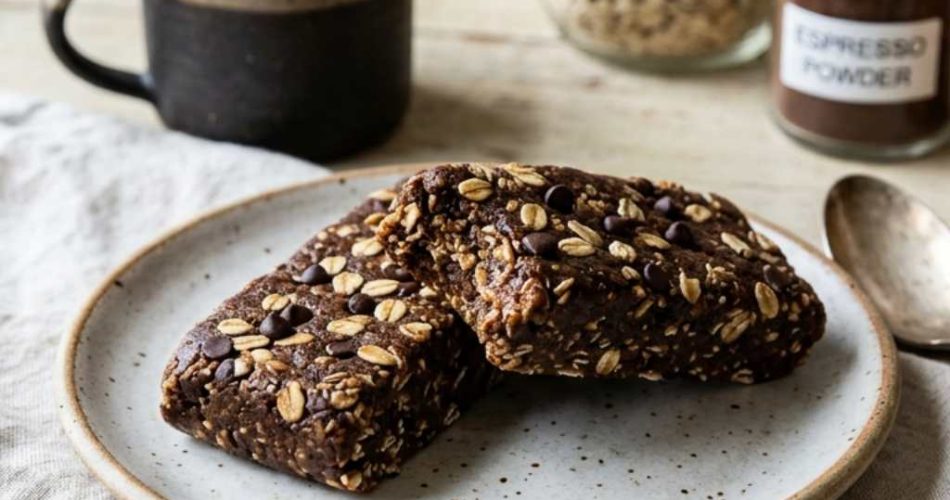
Homemade protein bars solve this completely. You control every ingredient, the protein source is real, and the sugar content stays where you decide to put it. Adding coffee to protein bars compounds their functional value: caffeine at 3 to 6 mg per kilogram of body weight measurably increases fat oxidation, raises resting metabolic rate by 3 to 11 percent, and suppresses appetite for two to four hours after consumption. A bar that delivers protein and caffeine simultaneously is more effective for weight loss and pre-workout performance than either a plain protein bar or a cup of coffee alone.
Research published in PMC confirms that higher-protein snacks significantly reduce ghrelin and increase satiety peptides GLP-1 and peptide YY, producing lower total calorie intake across the full day compared to carbohydrate-equivalent snacks. A homemade coffee protein bar delivers both effects in a single portable package.
Coffee Protein Bar Fundamentals
Use instant espresso powder, not brewed coffee. Liquid coffee adds too much moisture to bar recipes and produces a soft, difficult-to-cut result. Instant espresso powder is concentrated, dry, and mixes seamlessly into batters and doughs while delivering more caffeine per gram than instant coffee.
One to two teaspoons of espresso powder per batch delivers approximately 60 to 120 mg of caffeine across 8 to 12 bars. Adjust up or down based on caffeine preference.
One scoop of protein powder per batch maximum. More than one scoop produces a dry, chalky result. Let whole food protein sources carry the protein load; the powder is supplementary.
Refrigerate or freeze. Homemade bars without preservatives require refrigeration for up to one week or freezing for up to three months. Wrap individually in parchment paper before storing for easy grab-and-go access.
Line the pan. Every recipe below uses a parchment-lined 8×8 pan. Remove the entire block by lifting the parchment before slicing for clean cuts without crumbling.
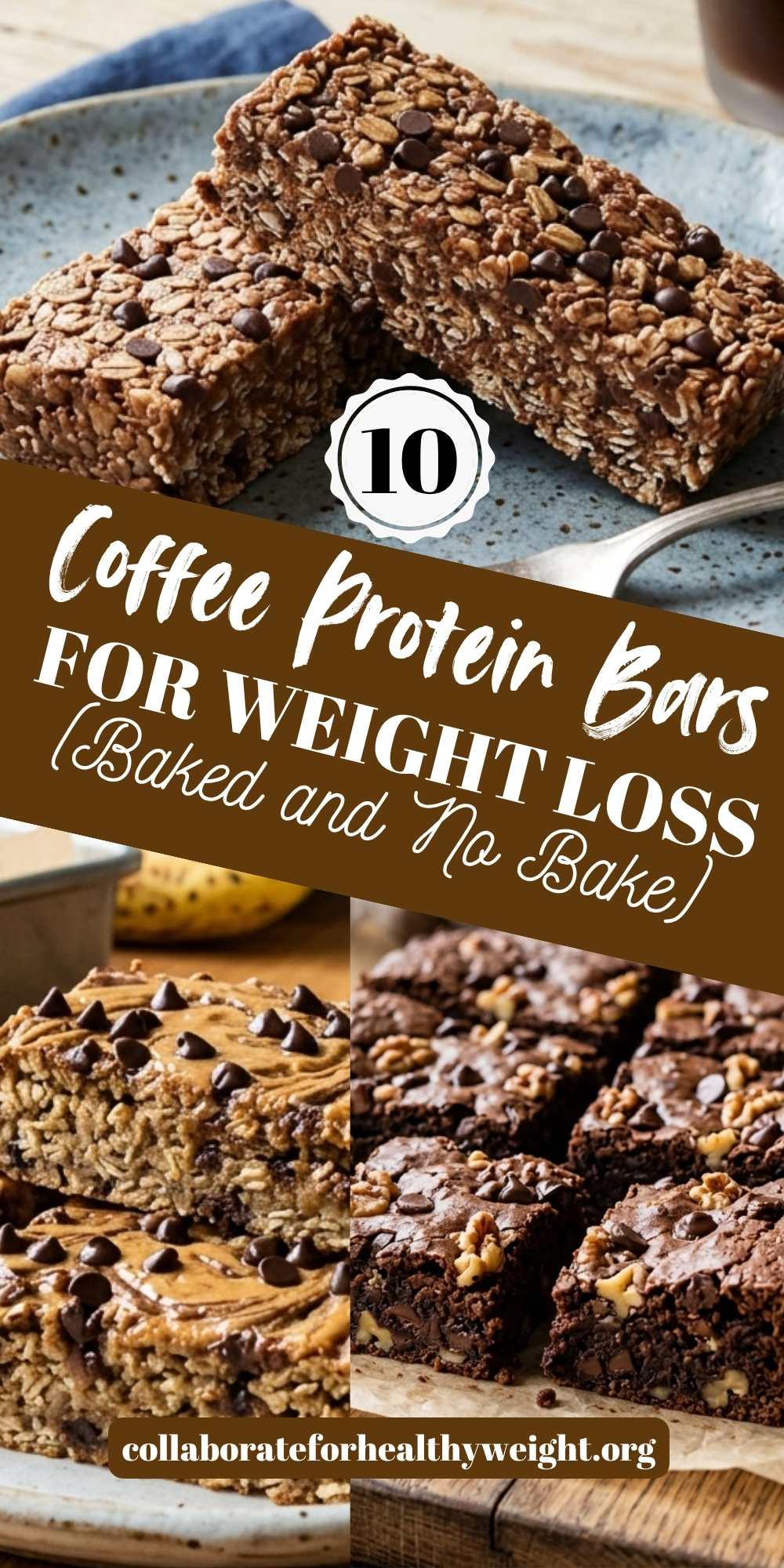
10 Coffee Protein Bar Recipes to Lose Weight
1. Espresso Almond Butter Protein Bars (No Bake)
Ingredients (makes 12 bars):
- 2 cups (180g) rolled oats
- 1 scoop (30g) vanilla whey protein powder
- ½ cup (120g) natural almond butter
- ¼ cup (80g) honey
- 2 tsp instant espresso powder
- 1 tsp vanilla extract
- ¼ tsp sea salt
- ¼ cup (45g) mini dark chocolate chips
- 2 to 4 tbsp water to bind if needed
Method:
Dissolve espresso powder in 1 tablespoon warm water. Combine oats, protein powder, and sea salt in a large bowl. In a saucepan over low heat, warm almond butter and honey until smooth and pourable; remove from heat. Stir in dissolved espresso and vanilla. Pour over oat mixture; mix thoroughly. Fold in chocolate chips. If the mixture seems dry, add water one tablespoon at a time. Press firmly into a parchment-lined 8×8 pan. Refrigerate 2 hours until firm. Lift out and slice into 12 bars.
Why it works: The almond butter and honey combination binds these bars without baking and without refined sugar. Almond butter contributes 8 grams of protein and 14 grams of monounsaturated fat per 2 tablespoons alongside magnesium and vitamin E. Harvard T.H. Chan School of Public Health identifies nut butters as protein and healthy fat sources with evidence linking regular consumption to better body weight management and reduced cardiovascular risk.
Prep time: 12 min | Set time: 2 hours refrigerated
| Nutrient | Amount |
|---|---|
| Calories | 195 |
| Protein | 8g |
| Carbohydrates | 22g |
| Fat | 9g |
| Fiber | 2g |
| Caffeine | ~60mg |
2. Mocha Peanut Butter Protein Bars (No Bake)
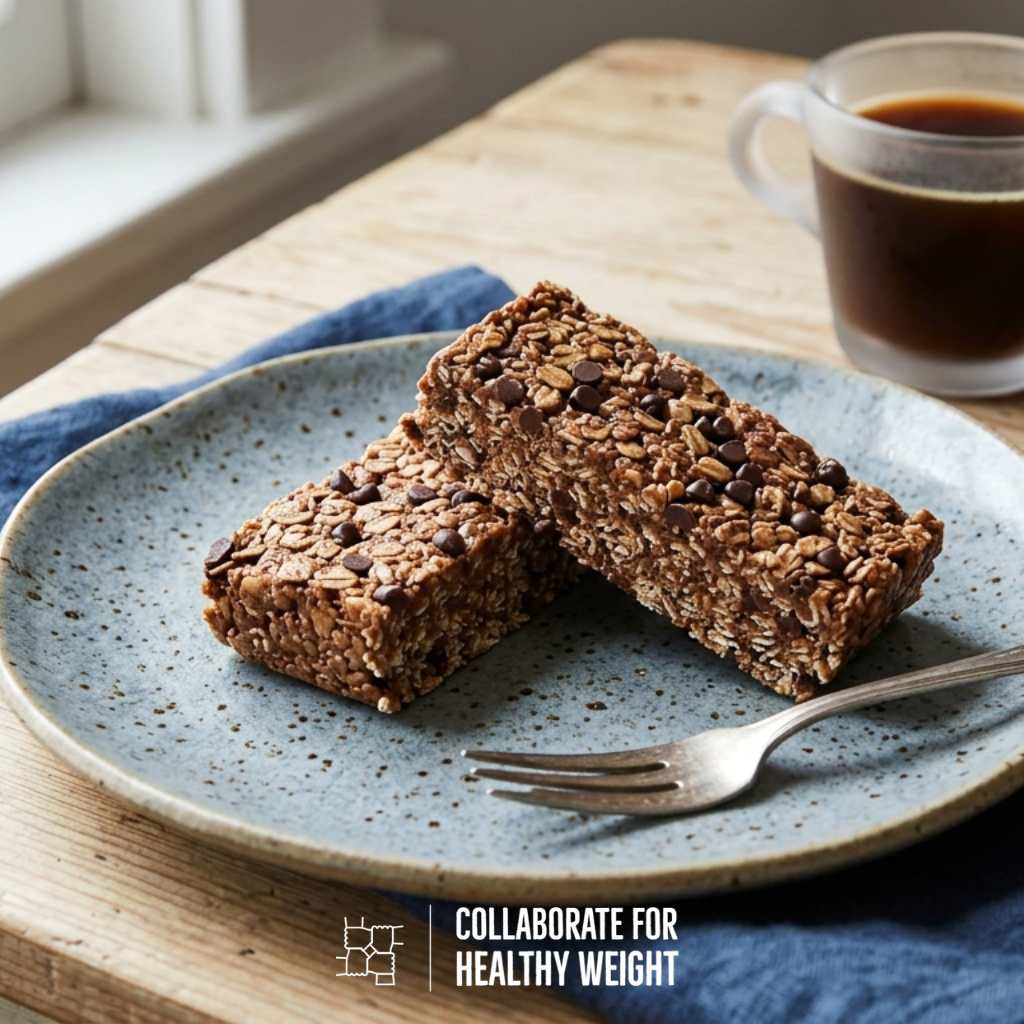
Ingredients (makes 12 bars):
- 2 cups (180g) rolled oats
- 1 scoop (30g) chocolate whey protein powder
- ½ cup (120g) natural peanut butter
- 3 tbsp honey or pure maple syrup
- 2 tbsp unsweetened cocoa powder
- 2 tsp instant espresso powder
- 1 tsp vanilla extract
- ¼ tsp sea salt
- ¼ cup (45g) mini dark chocolate chips
Method:
Dissolve espresso powder in 1 tablespoon warm water. Combine oats, protein powder, cocoa powder, and sea salt. Warm peanut butter and honey in a saucepan over low heat until smooth; remove from heat. Stir in dissolved espresso and vanilla. Pour over dry ingredients; mix thoroughly. Fold in chocolate chips. Press very firmly into a parchment-lined 8×8 pan; firm pressing is what keeps these together when sliced. Refrigerate 2 hours. Slice into 12 bars.
Why it works: Peanut butter, cocoa, and espresso are the three flavors that most reliably produce a mocha profile in a no-bake bar. The cocoa’s bitterness balances the peanut butter’s sweetness into something that genuinely resembles a mocha dessert. Cocoa flavanols are not merely flavoring: Cleveland Clinic identifies cocoa flavanols as directly improving endothelial function and reducing inflammatory markers including CRP at intakes consistent with this recipe.
Prep time: 12 min | Set time: 2 hours refrigerated
| Nutrient | Amount |
|---|---|
| Calories | 210 |
| Protein | 9g |
| Carbohydrates | 24g |
| Fat | 9g |
| Fiber | 3g |
| Caffeine | ~70mg |
3. Baked Espresso Dark Chocolate Protein Bars
Ingredients (makes 12 bars):
- 1½ cups (135g) rolled oats
- 1 scoop (30g) chocolate whey protein powder
- ½ cup (50g) almond flour
- 2 tbsp unsweetened cocoa powder
- 2 tsp instant espresso powder
- ½ tsp baking powder
- ¼ tsp sea salt
- 2 large eggs
- ½ cup (120g) plain low-fat Greek yogurt
- 3 tbsp honey
- 1 tsp vanilla extract
- ½ cup (85g) 70% dark chocolate chips
Method:
Preheat oven to 350°F. Line an 8×8 pan with parchment. Dissolve espresso powder in 1 tablespoon warm water. Whisk oats, protein powder, almond flour, cocoa, baking powder, and salt in a bowl. In another bowl, whisk eggs, Greek yogurt, honey, dissolved espresso, and vanilla. Fold wet into dry until just combined. Fold in most of the chocolate chips. Press into prepared pan; press remaining chips on top. Bake 20 to 24 minutes until set. Cool completely before cutting; baked bars firm significantly as they cool.
Why it works: Greek yogurt acts as the binder that replaces butter and oil in this baked version, contributing additional protein alongside the moisture that keeps the bars from drying out. The baked version has a firmer, more substantial texture than no-bake bars, making it the better choice for warmer weather when no-bake bars soften. Research confirms that full-fat dairy consumption is associated with reduced risk of type 2 diabetes and better cardiovascular markers compared to low-fat dairy alternatives.
Prep time: 12 min | Cook time: 22 min
| Nutrient | Amount |
|---|---|
| Calories | 185 |
| Protein | 10g |
| Carbohydrates | 22g |
| Fat | 7g |
| Fiber | 3g |
| Caffeine | ~70mg |
4. Coffee Coconut Cashew Protein Bars (No Bake)
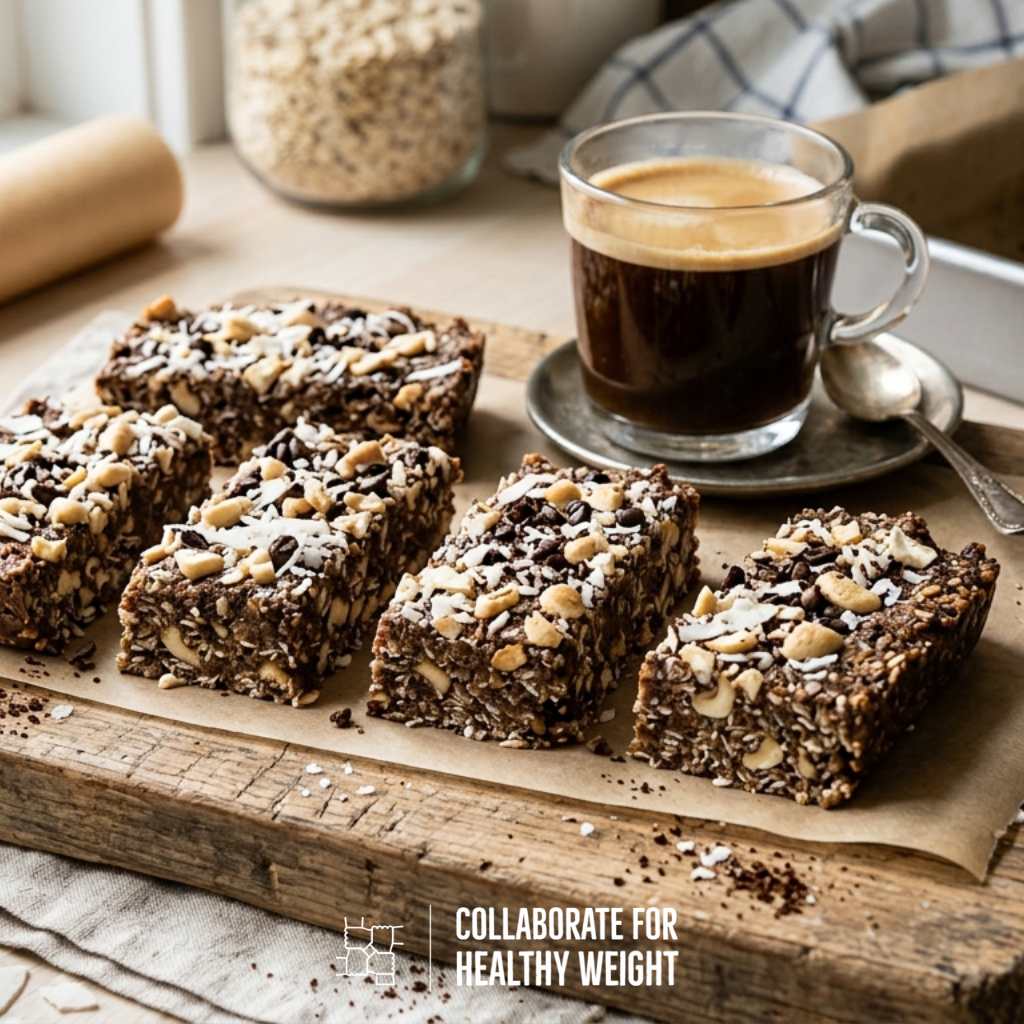
Ingredients (makes 10 bars):
- 1 cup (90g) rolled oats
- 1 cup (130g) raw cashews
- ½ cup (45g) unsweetened desiccated coconut
- 1 scoop (30g) vanilla whey protein powder
- 2 tsp instant espresso powder
- ¼ cup (80g) honey
- 3 tbsp coconut oil, melted
- 1 tsp vanilla extract
- ¼ tsp sea salt
Method:
Dissolve espresso powder in 1 tablespoon warm water. Pulse cashews in a food processor 10 to 12 times until roughly chopped; some texture is desirable. Combine oats, processed cashews, coconut, protein powder, and salt. Whisk honey, melted coconut oil, dissolved espresso, and vanilla; pour over dry ingredients and mix until evenly coated. Press firmly into a parchment-lined 8×8 pan. Freeze 1 hour until firm. Slice into 10 bars. Store in the freezer; these bars are best eaten cold.
Why it works: Coconut’s lauric acid is a medium-chain fatty acid metabolized differently from long-chain fats, being converted more readily to ketones for immediate energy rather than stored as body fat. Research published in PMC confirms that medium-chain triglycerides from coconut oil support energy expenditure and fat oxidation more efficiently than equivalent long-chain fats, giving the coconut and coconut oil in this recipe a metabolic advantage beyond their flavor contribution.
Prep time: 12 min | Set time: 1 hour freezer
| Nutrient | Amount |
|---|---|
| Calories | 265 |
| Protein | 9g |
| Carbohydrates | 24g |
| Fat | 15g |
| Fiber | 3g |
| Caffeine | ~65mg |
5. Espresso Vanilla Cottage Cheese Protein Bars (Baked)
Ingredients (makes 12 bars):
- 1 cup (230g) low-fat cottage cheese, blended completely smooth
- 1 scoop (30g) vanilla whey protein powder
- 1½ cups (135g) rolled oats
- 2 large eggs
- 2 tbsp honey
- 2 tsp instant espresso powder
- 1½ tsp vanilla extract
- ½ tsp cinnamon
- ½ tsp baking powder
- ¼ tsp sea salt
Method:
Preheat oven to 350°F. Line an 8×8 pan with parchment. Blend cottage cheese for 2 full minutes until completely smooth with no visible curds. Dissolve espresso in 1 tablespoon warm water. Whisk blended cottage cheese, eggs, honey, dissolved espresso, and vanilla. Add oats, protein powder, cinnamon, baking powder, and salt; stir until fully combined. Pour into prepared pan. Bake 22 to 26 minutes until set and golden at the edges. Cool completely; refrigerate 1 hour before slicing for clean cuts.
Why it works: Cottage cheese blended into the batter produces bars that stay moist for five days refrigerated because casein protein holds water within its matrix during and after baking. The result is a bar with a denser, more substantial crumb than oat-and-egg bars without added oil or butter. Cleveland Clinic identifies cottage cheese’s casein protein as extending satiety for five to seven hours after eating, making these bars the most satiating option in this collection per calorie.
Prep time: 10 min | Cook time: 24 min
| Nutrient | Amount |
|---|---|
| Calories | 115 |
| Protein | 10g |
| Carbohydrates | 14g |
| Fat | 3g |
| Fiber | 1.5g |
| Caffeine | ~65mg |
6. Coffee Walnut Brownie Protein Bars (Baked)
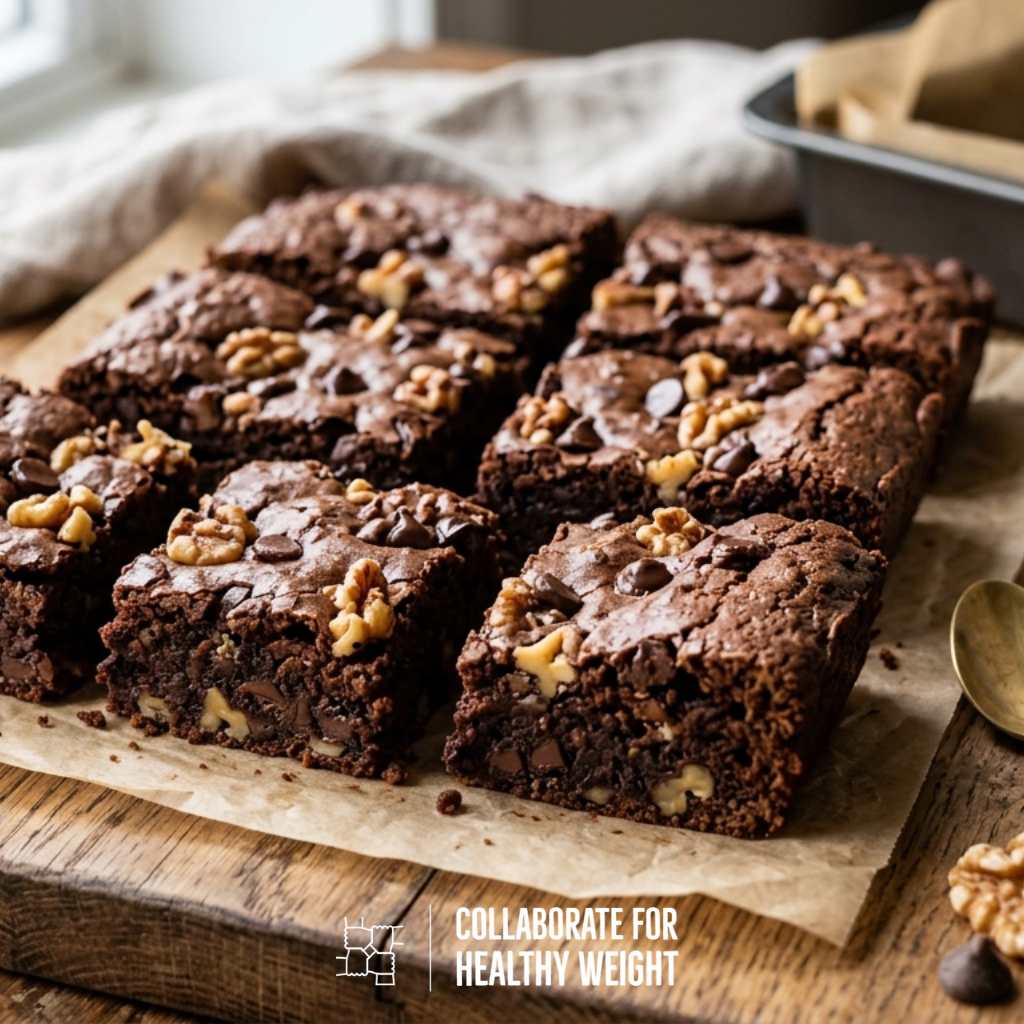
Ingredients (makes 12 bars):
- 1 cup (100g) almond flour
- 1 scoop (30g) chocolate whey protein powder
- ¼ cup (20g) unsweetened cocoa powder
- 2 tsp instant espresso powder
- ½ tsp baking powder
- ¼ tsp sea salt
- 3 large eggs
- ½ cup (120g) plain low-fat Greek yogurt
- ¼ cup (80g) honey
- 2 tbsp coconut oil, melted
- 1 tsp vanilla extract
- ½ cup (60g) walnuts, roughly chopped
- ¼ cup (45g) dark chocolate chips
Method:
Preheat oven to 325°F. Line an 8×8 pan with parchment. Dissolve espresso in 1 tablespoon warm water. Whisk almond flour, protein powder, cocoa, baking powder, and salt. In another bowl, whisk eggs, Greek yogurt, honey, melted coconut oil, dissolved espresso, and vanilla. Fold wet into dry. Fold in most of the walnuts and chocolate chips; press remaining on top. Bake 22 to 28 minutes until edges are set. Cool completely before slicing.
Why it works: Walnuts add the texture and flavor of a premium brownie bar alongside omega-3 ALA fatty acids and ellagic acid polyphenols. Johns Hopkins Medicine identifies walnuts as among the most anti-inflammatory nut options available, with their omega-3 and polyphenol content linked to reduced systemic inflammation and improved cardiovascular markers in multiple clinical trials.
Prep time: 12 min | Cook time: 25 min
| Nutrient | Amount |
|---|---|
| Calories | 195 |
| Protein | 10g |
| Carbohydrates | 14g |
| Fat | 12g |
| Fiber | 2.5g |
| Caffeine | ~65mg |
7. Salted Caramel Espresso Protein Bars (No Bake)
Ingredients (makes 10 bars):
- 2 cups (180g) rolled oats
- 1 scoop (30g) vanilla or caramel whey protein powder
- ½ cup (120g) natural almond or cashew butter
- 3 tbsp pure maple syrup
- 2 Medjool dates, pitted and blended smooth
- 2 tsp instant espresso powder
- 1 tsp vanilla extract
- ½ tsp flaky sea salt plus extra for topping
- 2 tbsp white chocolate chips (optional)
Method:
Blend Medjool dates with 2 tablespoons warm water until completely smooth. Dissolve espresso in 1 tablespoon warm water. Combine oats, protein powder, and sea salt in a bowl. Warm nut butter and maple syrup in a saucepan over low heat until smooth. Remove from heat; stir in blended dates, dissolved espresso, and vanilla. Pour over oats; mix thoroughly. Fold in white chocolate chips if using. Press firmly into a parchment-lined 8×8 pan. Sprinkle extra flaky sea salt over the top. Refrigerate 2 hours. Slice into 10 bars.
Why it works: Blended Medjool dates produce authentic caramel flavor through their concentrated natural sugars and caramelized notes without any cooked sugar or butter. The flaky sea salt on top amplifies sweetness through sensory contrast that reduces the need for additional sweetener. Mayo Clinic identifies Medjool dates as providing potassium, iron, and B vitamins alongside their natural sugars, making them a nutritionally preferable natural sweetener compared to refined sugar or corn syrup.
Prep time: 12 min | Set time: 2 hours refrigerated
| Nutrient | Amount |
|---|---|
| Calories | 230 |
| Protein | 9g |
| Carbohydrates | 28g |
| Fat | 9g |
| Fiber | 3g |
| Caffeine | ~65mg |
8. Tiramisu Protein Bars (No Bake)
Ingredients (makes 12 bars):
- 1 cup (90g) rolled oats
- 1 cup (130g) cashews, pulsed to a rough crumble
- 1 scoop (30g) vanilla whey protein powder
- 100g full-fat cream cheese, softened
- 3 tbsp honey
- 2 tsp instant espresso powder
- 1 tsp vanilla extract
- ¼ tsp sea salt
- 1 tbsp unsweetened cocoa powder to dust on top
Method:
Dissolve espresso in 2 tablespoons warm water. Pulse cashews in a food processor to a rough crumble; do not over-process into paste. Combine oats, cashew crumble, protein powder, and salt. Beat cream cheese until smooth; add honey, dissolved espresso, and vanilla; beat until fully combined. Add cream cheese mixture to the oat mixture; mix until evenly incorporated. Press firmly into a parchment-lined 8×8 pan. Dust cocoa powder over the top through a fine sieve. Refrigerate 2 hours until firm. Slice into 12 bars.
Why it works: Full-fat cream cheese produces the mascarpone-like creaminess that defines tiramisu flavor in a bar format, providing the fat that binds the dry ingredients and the richness that makes these taste genuinely indulgent. The cocoa dusting on top completes the flavor profile and provides cocoa flavanols in every bite. Research published in PMC confirms that cocoa flavanol compounds reduce circulating inflammatory cytokines and improve endothelial function at regular dietary consumption.
Prep time: 15 min | Set time: 2 hours refrigerated
| Nutrient | Amount |
|---|---|
| Calories | 185 |
| Protein | 7g |
| Carbohydrates | 18g |
| Fat | 10g |
| Fiber | 1.5g |
| Caffeine | ~65mg |
9. Cold Brew Banana Oat Protein Bars (Baked)
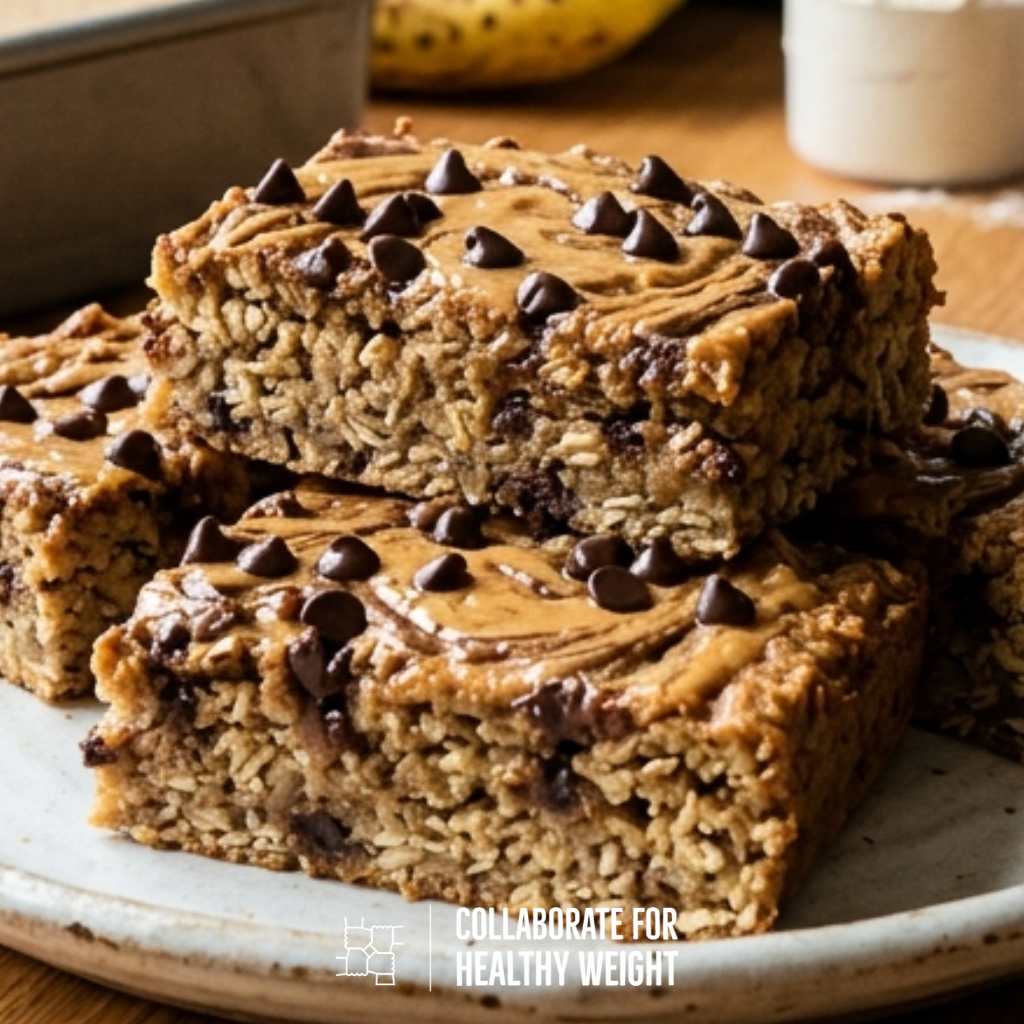
Ingredients (makes 12 bars):
- 2 very ripe bananas, mashed
- 1½ cups (135g) rolled oats
- 1 scoop (30g) vanilla whey protein powder
- 2 large eggs
- 2 tsp instant espresso powder
- 1 tsp vanilla extract
- ½ tsp cinnamon
- ½ tsp baking powder
- ¼ tsp sea salt
- ¼ cup (45g) mini dark chocolate chips
- 2 tbsp natural peanut butter, swirled on top
Method:
Preheat oven to 350°F. Line an 8×8 pan with parchment. Dissolve espresso in 1 tablespoon warm water. Mash bananas completely until smooth. Whisk in eggs, dissolved espresso, and vanilla. Add oats, protein powder, cinnamon, baking powder, and salt; stir until combined. Fold in most of the chocolate chips. Pour into prepared pan. Drop small spoonfuls of peanut butter across the top; use a knife to swirl through the batter. Press remaining chocolate chips on top. Bake 22 to 26 minutes until set. Cool completely before cutting.
Why it works: Two very ripe bananas provide all the sweetness these bars need at zero added sugar, while their potassium content supports muscle contraction and recovery after exercise. The peanut butter swirl caramelizes slightly during baking, producing a visual and flavor finish that makes these look considerably more elaborate than their 10-minute preparation time suggests. Research confirms that potassium plays a direct role in maintaining the electrochemical gradient across muscle cell membranes required for contraction and recovery, making these no-added-sugar bars a genuinely functional post-workout snack.
Prep time: 10 min | Cook time: 24 min
| Nutrient | Amount |
|---|---|
| Calories | 145 |
| Protein | 8g |
| Carbohydrates | 18g |
| Fat | 5g |
| Fiber | 2.5g |
| Caffeine | ~60mg |
10. Double Espresso Black Bean Protein Bars (Baked)
Ingredients (makes 12 bars):
- 1 can (15 oz) black beans, drained and rinsed very thoroughly
- 1 scoop (30g) chocolate whey protein powder
- ¼ cup (20g) unsweetened cocoa powder
- 3 tsp instant espresso powder (adjust down if preferred)
- 2 large eggs
- 3 tbsp honey
- 2 tbsp natural almond butter
- 1 tsp vanilla extract
- ½ tsp baking powder
- ¼ tsp sea salt
- ½ cup (85g) dark chocolate chips
Method:
Preheat oven to 350°F. Line an 8×8 pan with parchment. Dissolve espresso in 1 tablespoon warm water. Process black beans in a food processor for 2 full minutes until completely smooth. Add eggs, honey, almond butter, dissolved espresso, and vanilla; process until smooth. Add protein powder, cocoa, baking powder, and salt; pulse until just combined. Fold in most of the chocolate chips. Pour into prepared pan; press remaining chips on top. Bake 22 to 26 minutes until set. Cool completely before cutting.
Why it works: This is the highest-caffeine recipe in the collection at approximately 130 mg per bar from the triple espresso powder dose, delivering the strongest pre-workout effect. Black beans produce the fudgiest bar texture available, are completely undetectable in the finished product, and add plant protein and fiber that no grain-based bar matches. Mayo Clinic identifies black beans as an excellent source of plant protein, dietary fiber, folate, and iron, with their resistant starch specifically supporting gut microbiome diversity and blood sugar regulation after eating.
Prep time: 12 min | Cook time: 24 min
| Nutrient | Amount |
|---|---|
| Calories | 165 |
| Protein | 9g |
| Carbohydrates | 22g |
| Fat | 6g |
| Fiber | 4g |
| Caffeine | ~130mg |
Recipe Summary at a Glance
| Recipe | Protein | Calories | Caffeine | Type | Best For |
|---|---|---|---|---|---|
| Espresso Almond Butter | 8g | 195 | 60mg | No bake | Everyday staple |
| Mocha Peanut Butter | 9g | 210 | 70mg | No bake | Chocolate craving |
| Baked Espresso Dark Chocolate | 10g | 185 | 70mg | Baked | Warm weather stability |
| Coffee Coconut Cashew | 9g | 265 | 65mg | No bake (freeze) | Tropical flavor |
| Espresso Vanilla Cottage Cheese | 10g | 115 | 65mg | Baked | Lowest calorie |
| Coffee Walnut Brownie | 10g | 195 | 65mg | Baked | Anti-inflammatory |
| Salted Caramel Espresso | 9g | 230 | 65mg | No bake | Most indulgent flavor |
| Tiramisu | 7g | 185 | 65mg | No bake | Dessert-style |
| Cold Brew Banana Oat | 8g | 145 | 60mg | Baked | No added sugar; post-workout |
| Double Espresso Black Bean | 9g | 165 | 130mg | Baked | Highest caffeine; pre-workout |
Storage and Batch Cooking
Refrigerator: All 10 recipes keep for 5 to 7 days in an airtight container. Wrap bars individually in parchment before storing to prevent them sticking together.
Freezer: All recipes freeze well for up to 3 months. Wrap individually, store in a zip-lock bag, and thaw at room temperature for 20 to 30 minutes before eating. No-bake varieties can be eaten directly from frozen.
Batch cooking strategy: Make two or three recipes on Sunday to cover the full week. Different flavor profiles prevent the monotony that causes people to reach for commercial bars by Wednesday.
The Bottom Line
Commercial coffee protein bars charge a premium for ingredients you can source for a fraction of the cost at home, and most still contain more sugar than protein per serving. The 10 recipes above deliver genuine coffee flavor, functional caffeine in the 60 to 130 mg range, real whole-food protein sources, and the satisfaction of knowing exactly what is in every bar. The lowest-calorie option in this collection is 115 calories with 10 grams of protein. The most caffeinated delivers the same dose as a double espresso alongside 9 grams of protein in a bar you can eat on your morning commute.
All nutritional values are approximate and based on USDA FoodData Central data. Caffeine estimates are based on standard instant espresso powder at approximately 60 to 65 mg per teaspoon. Values vary by brand and exact measurements.