
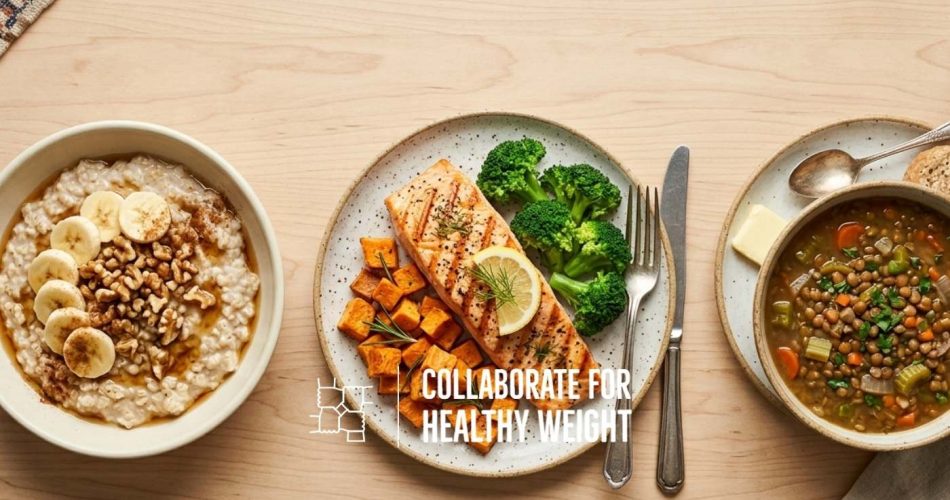
Nutritional needs shift in a specific, somewhat counterintuitive way after 65. Calorie needs typically decrease as metabolism slows and activity levels often decline, but the need for certain nutrients, such as protein, calcium, and vitamin D, chief among them, actually goes up. Older adults should aim for roughly 1 to 1.2 grams of protein per kilogram of body weight daily, along with 1,000 to 1,200 milligrams of calcium and 600 to 1,000 international units of vitamin D, all of which support the muscle mass and bone density that naturally decline with age. This 7-day meal plan is built around that shift: nutrient-dense rather than simply lower-calorie, with every meal working harder to deliver protein, calcium, and fiber relative to its calorie count.
Fiber and hydration deserve particular attention as well. Seniors should aim for at least 56 grams of protein and 25 to 30 grams of fiber daily, and this plan consistently exceeds both targets. Hydration matters more than many people realize during this stage of life, since aging reduces the body’s ability to sense thirst, which means older adults can become dehydrated without feeling thirsty first. Building hydrating foods like soups, fruit, and vegetables into meals, alongside a consistent water habit throughout the day, helps close that gap.
This plan also leans on foods that are naturally easy to chew and digest, softer proteins like fish and ground or shredded poultry, well-cooked vegetables, and soups, since chewing and swallowing difficulty becomes more common with age and can otherwise quietly reduce food intake without anyone noticing until weight loss has already occurred.
Jump to: Day 1 | Day 2 | Day 3 | Day 4 | Day 5 | Day 6 | Day 7 | Grocery List | Meal Prep | FAQ
Senior Nutrition Rules: What to Build Meals Around
Eat generously: Lean proteins including chicken, turkey, salmon, cod, shrimp, and eggs; legumes such as lentils and black beans; whole grains including oats, quinoa, brown rice, and whole wheat pasta; dairy or fortified alternatives for calcium, including low-fat milk, Greek yogurt, and cheese; a wide variety of cooked, tender vegetables; fruit including berries, banana, orange, and peach; healthy fats from olive oil, avocado, and walnuts, which also support omega-3 intake for heart and cognitive health.
Approach with awareness: Very hard or tough-to-chew foods, if chewing or swallowing has become difficult, in favor of well-cooked, softer preparations. Excessive added salt, particularly for anyone managing blood pressure, though normal seasoning with herbs and moderate salt remains appropriate for most people.
What matters most: Nutrient density over raw calorie count. As calorie needs decrease with age, the importance of getting more nutrition from every calorie increases correspondingly, which is why this plan favors whole, minimally processed foods at every meal rather than lower-effort processed options.
Key Rules for Following This Plan
Smaller, more frequent meals can help: If appetite has decreased, which is common with age, splitting this plan’s meals into smaller portions eaten more frequently throughout the day can make hitting nutrient targets easier than three large sittings.
Protein at every meal, not just dinner: Spreading protein across breakfast, lunch, and dinner supports muscle maintenance more effectively than concentrating it into one meal, since the body can only use so much protein for muscle synthesis at a time.
Stay ahead of hydration: Since thirst signals become less reliable with age, drink water on a schedule rather than waiting to feel thirsty, and lean on naturally hydrating foods like soup, fruit, and vegetables throughout the day.
Adjust texture as needed: If chewing or swallowing has become difficult, this plan’s meals can be modified with softer preparations, well-cooked vegetables, ground or shredded meat, or blended soups, without sacrificing the underlying nutrition.
Loop in a healthcare provider for chronic conditions: If you’re managing diabetes, heart disease, kidney disease, or another chronic condition, this general plan should be adjusted with your physician or a registered dietitian to fit your specific medical needs.

7-Day Healthy Senior Meal Plan: Daily Menus
Day 1 Senior Meal Plan
Breakfast: Oats (200g cooked) with low-fat milk (150ml), banana (100g), and walnuts (15g).
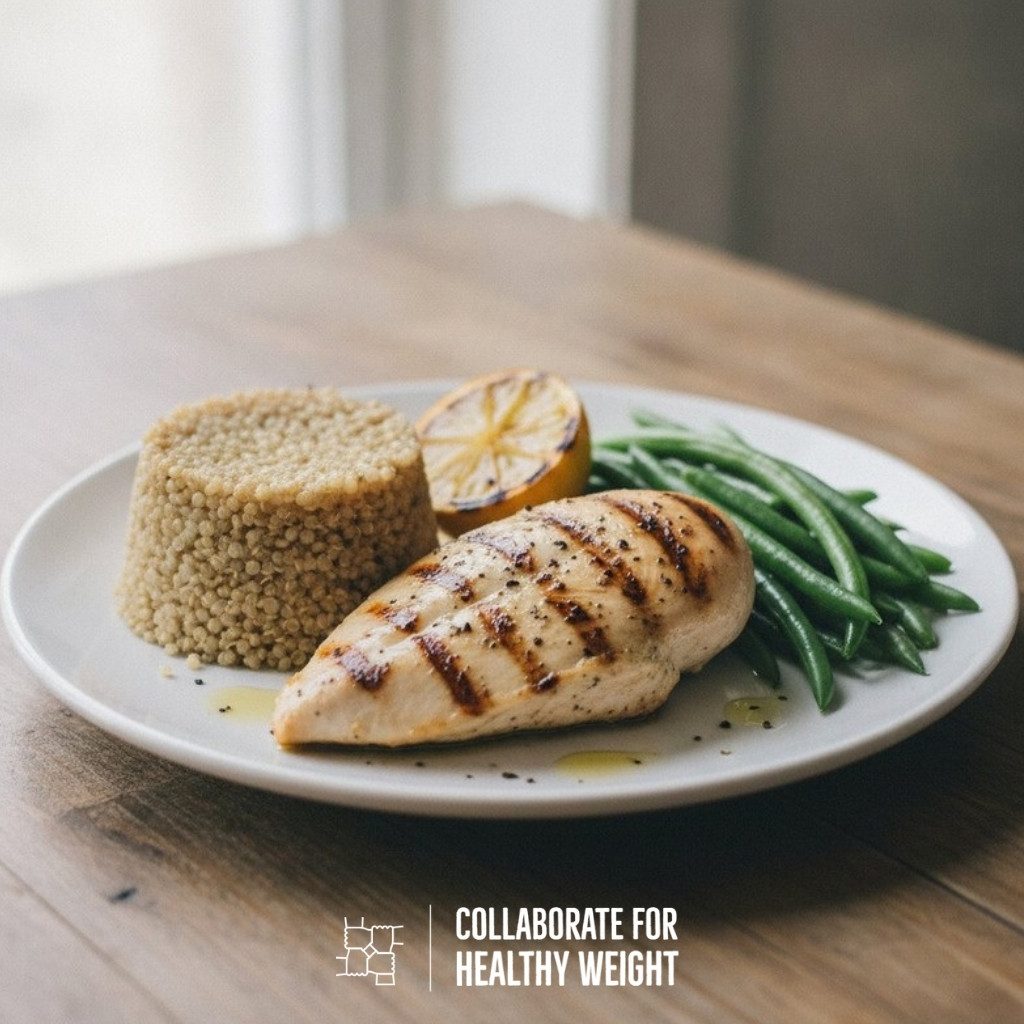
Lunch: Grilled chicken breast, seasoned with salt, black pepper, and lemon (150g), with quinoa (140g) and steamed green beans (120g), finished with olive oil (10g).
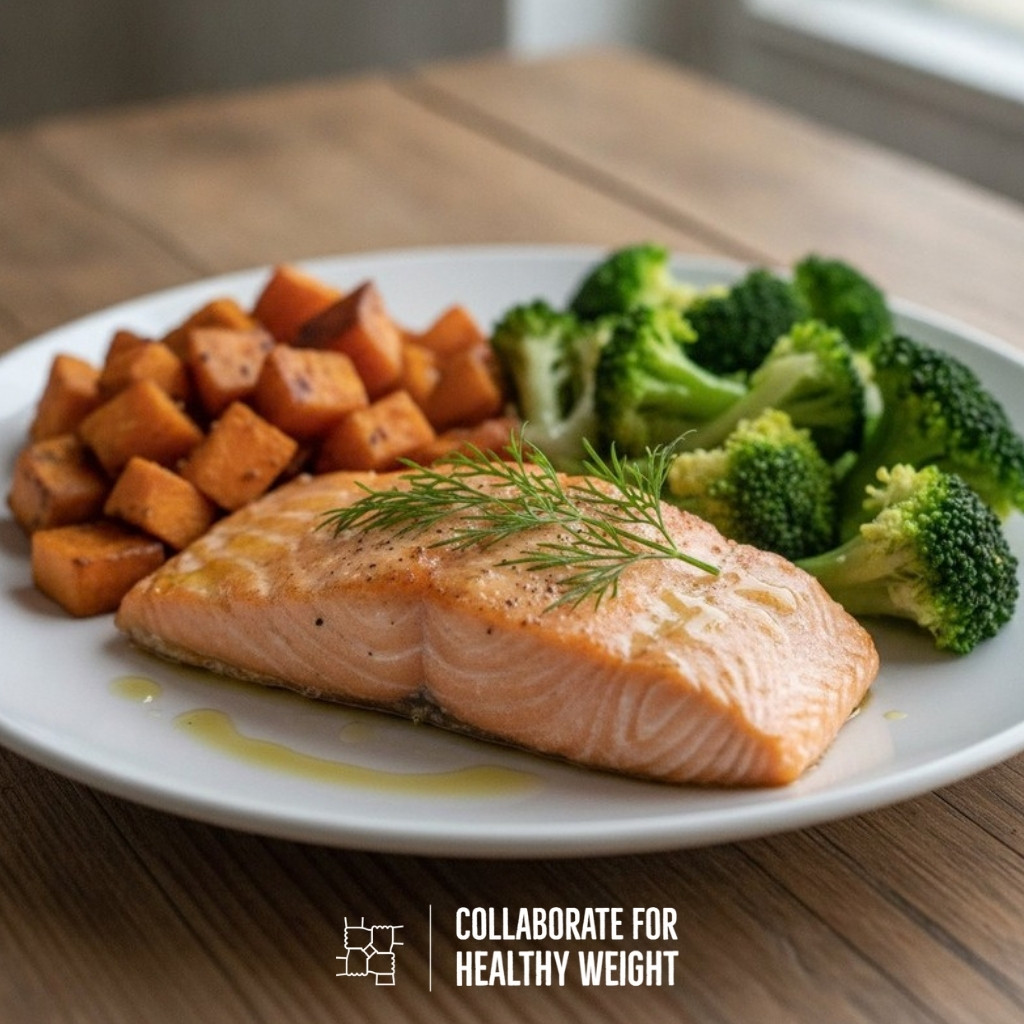
Dinner: Baked salmon, seasoned with salt, black pepper, and fresh dill (160g), with roasted sweet potato (140g) and steamed broccoli (120g), finished with olive oil (8g).
Day 1 approximate totals: Protein: 114g | Calcium: 425mg | Fiber: 23g | Calories: 1,514
Day 2 Senior Meal Plan
Breakfast: Greek yogurt, low-fat (220g), with blueberries (90g) and walnuts (18g).
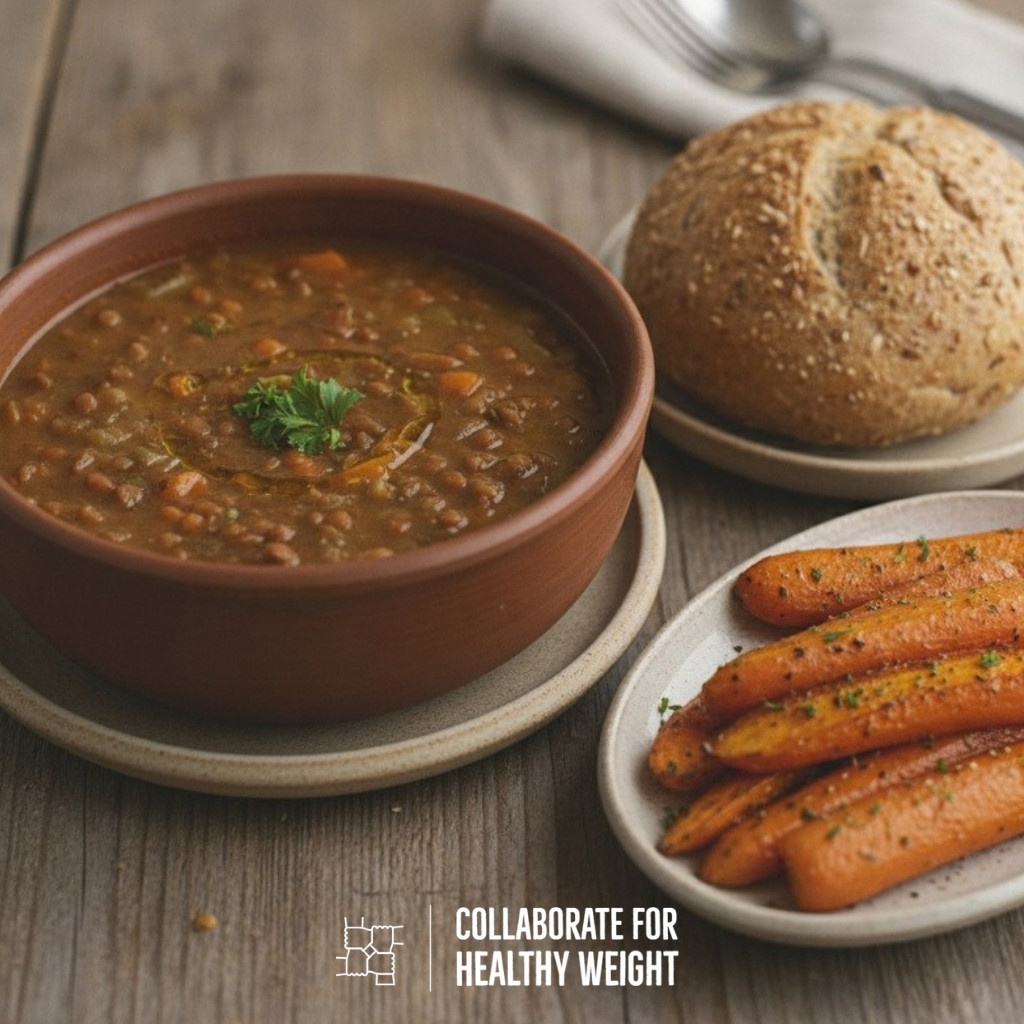
Lunch: Lentil soup (320g) with a whole-grain roll and roasted carrot (80g), finished with olive oil (8g).
Dinner: Baked cod, seasoned with salt, black pepper, and fresh parsley (180g), with brown rice (160g) and steamed asparagus (130g), finished with olive oil (10g).
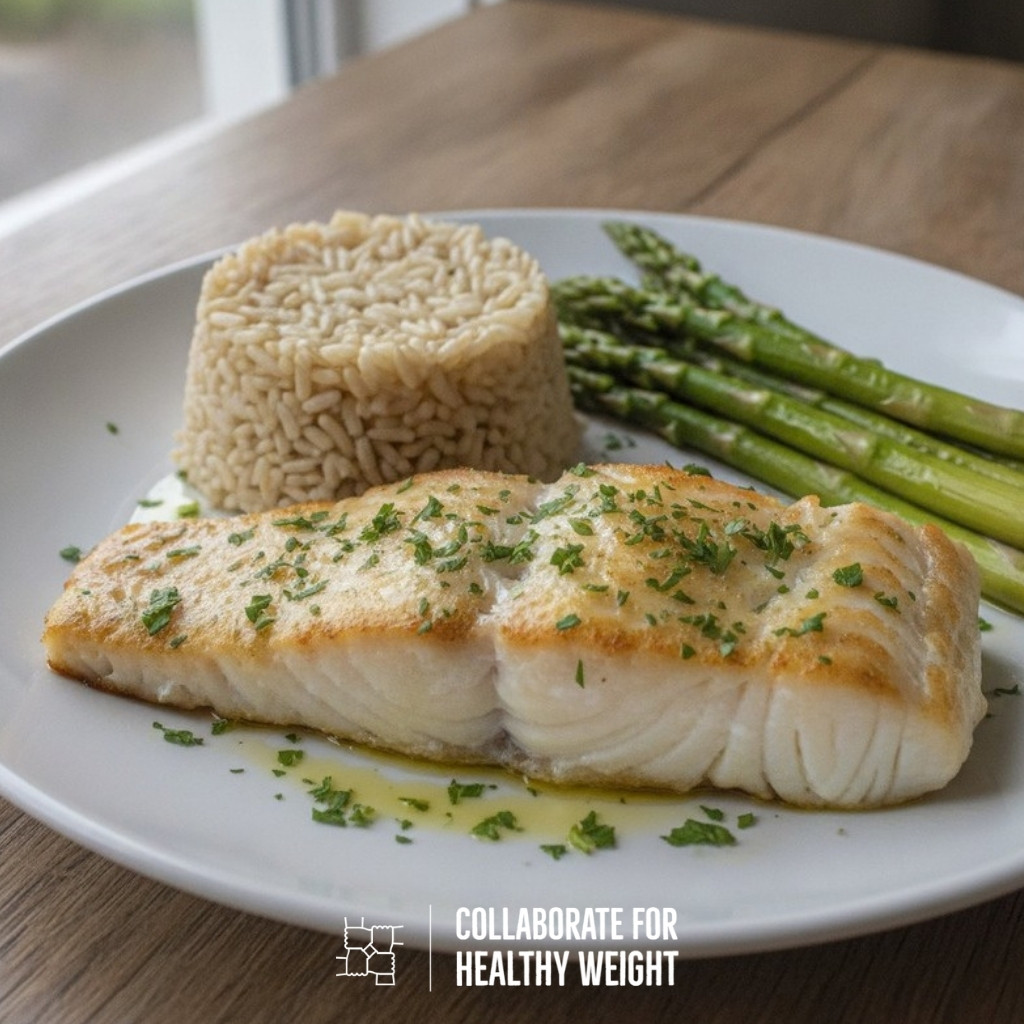
Day 2 approximate totals: Protein: 103g | Calcium: 517mg | Fiber: 30g | Calories: 1,469
Day 3 Senior Meal Plan
Breakfast: Three-egg scramble, seasoned with salt and black pepper, with spinach (50g), whole-grain toast (80g), and avocado (90g), finished with olive oil (8g).
Lunch: Cottage cheese, low-fat (200g), with sliced peach (150g) and walnuts (20g).
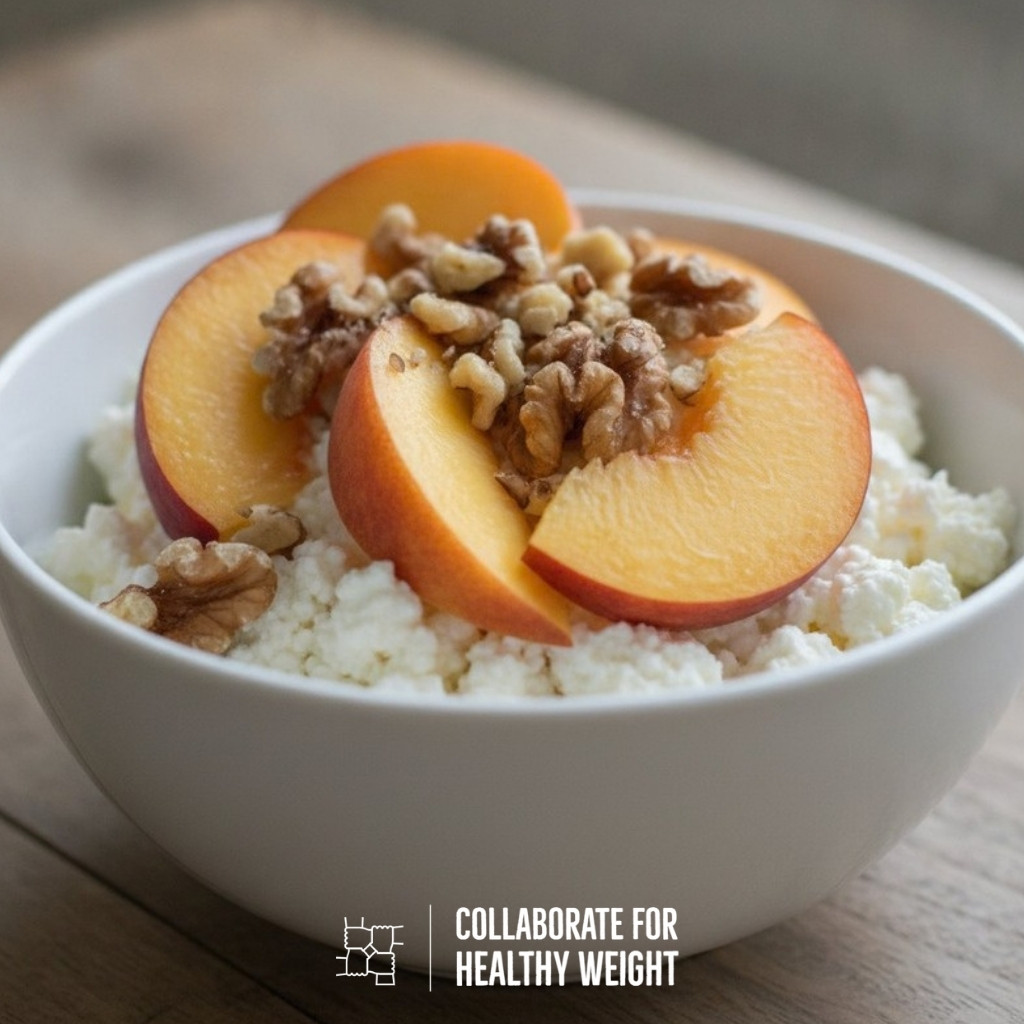
Dinner: Grilled turkey breast, seasoned with salt, black pepper, and thyme (200g), with roasted sweet potato (190g) and steamed green beans (150g), finished with olive oil (14g).
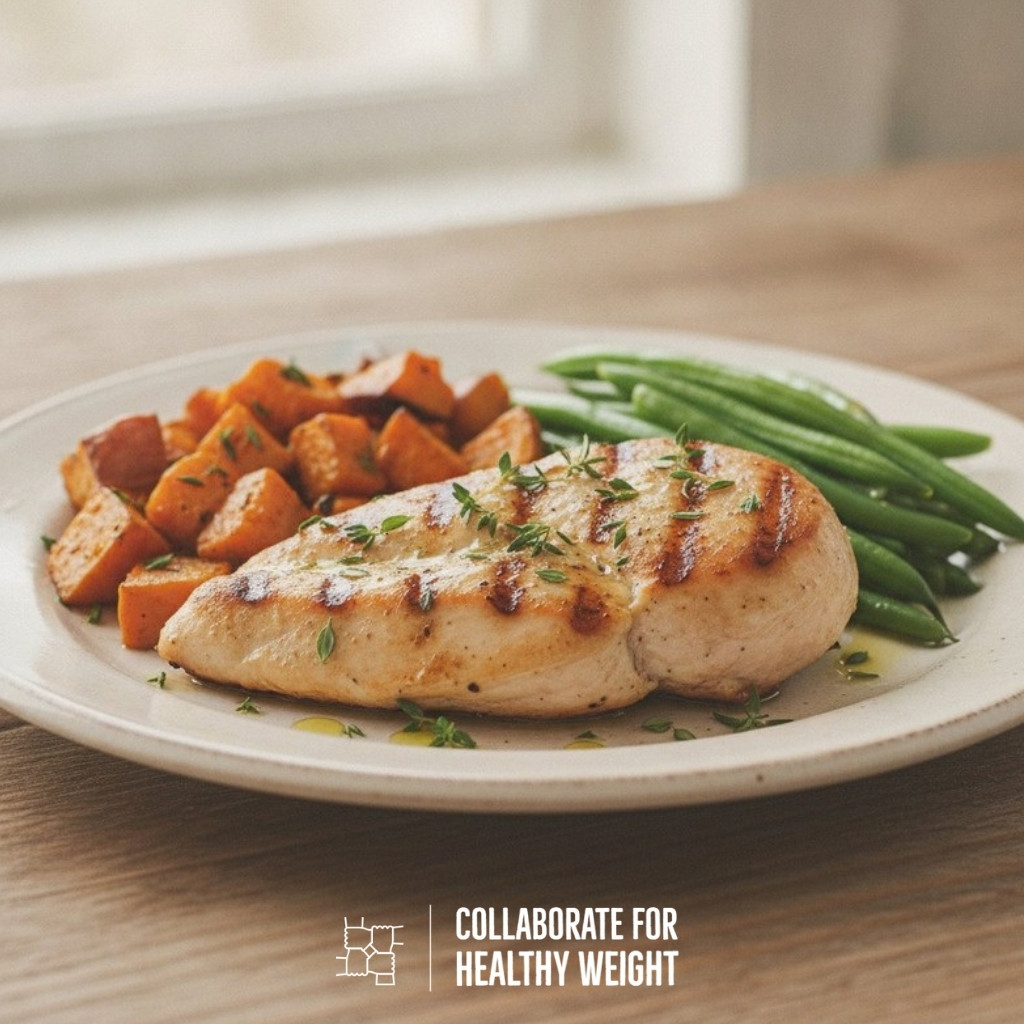
Day 3 approximate totals: Protein: 116g | Calcium: 532mg | Fiber: 23g | Calories: 1,469
Day 4 Senior Meal Plan
Breakfast: Oats (230g cooked) with low-fat milk (180ml), ground flaxseed (12g), banana (110g), and walnuts (10g).
Lunch: Shrimp, seasoned with salt, garlic, and black pepper (180g), with brown rice (160g) and roasted carrot (80g), finished with olive oil (10g).
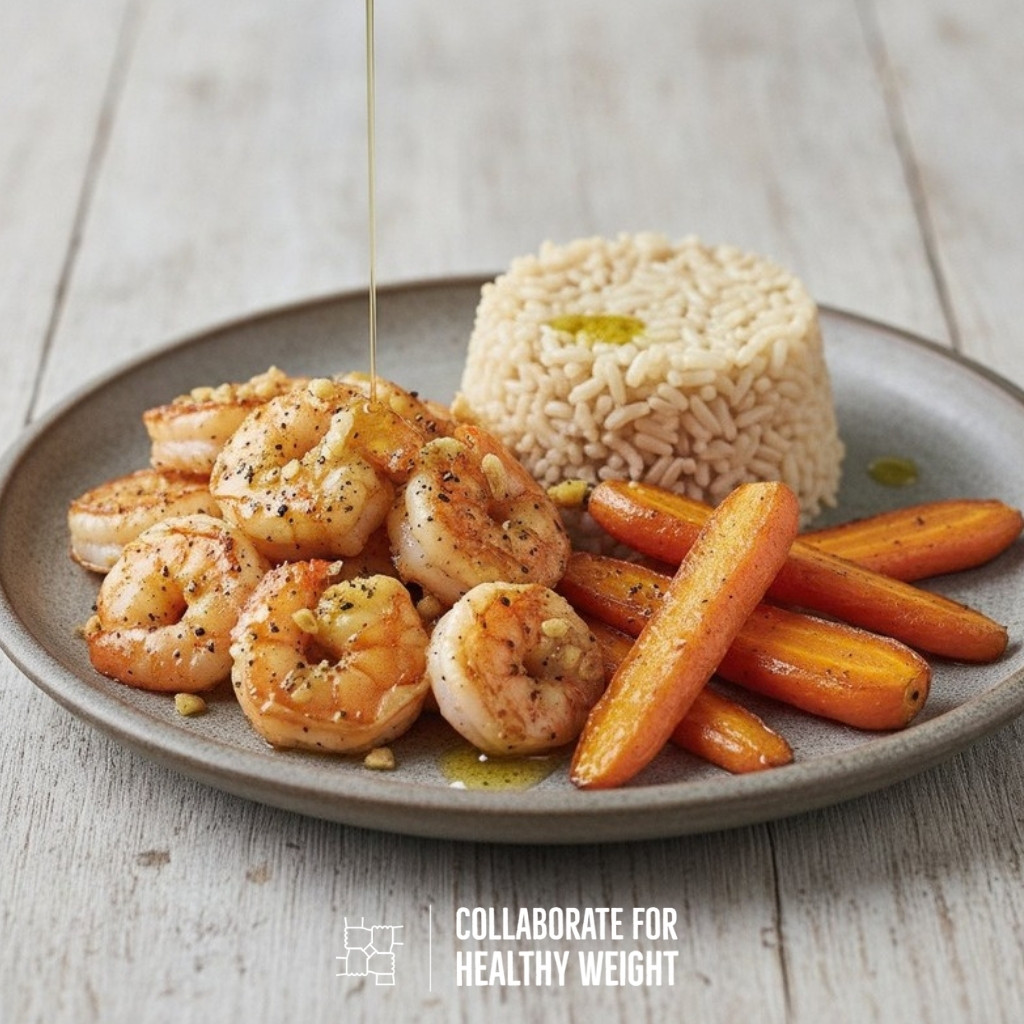
Dinner: Black bean bowl: black beans (170g) with sautéed kale (80g) and quinoa (140g), seasoned with salt and cumin, finished with olive oil (10g).
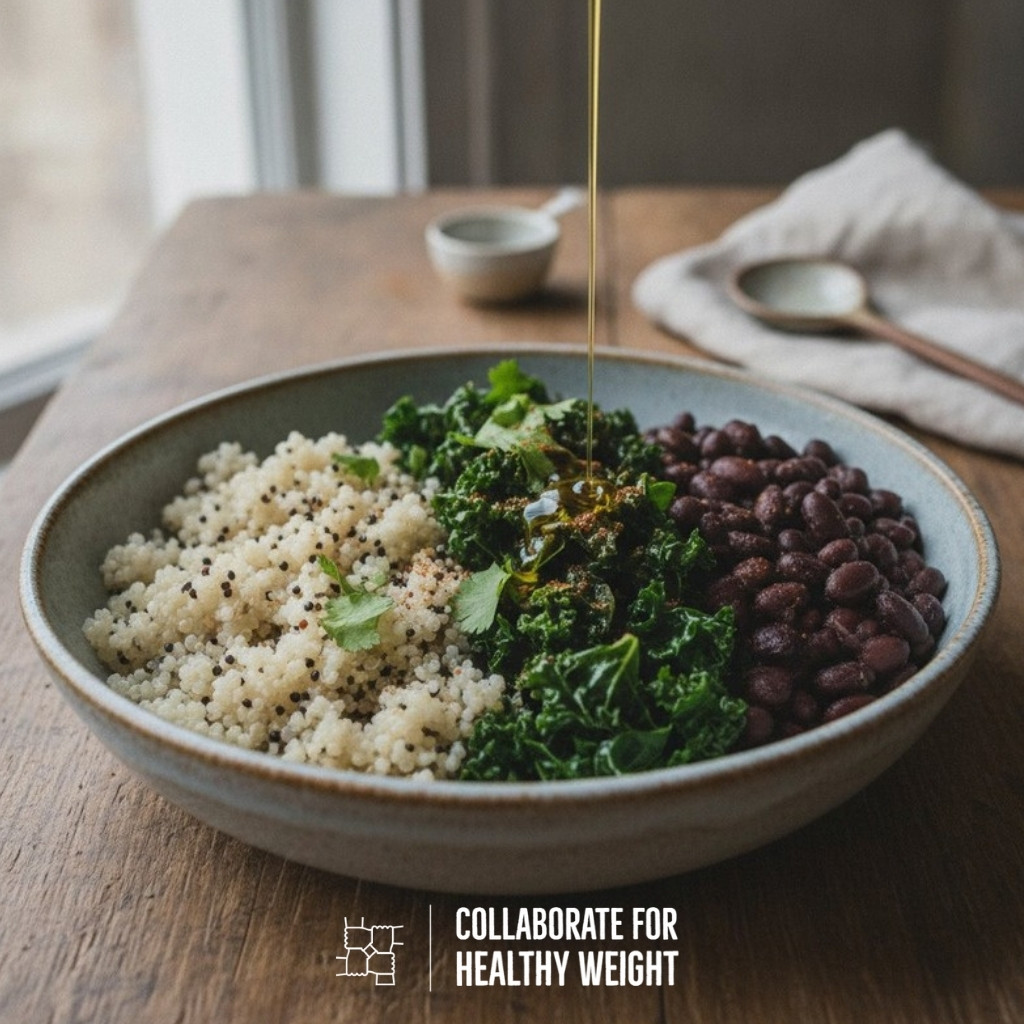
Day 4 approximate totals: Protein: 88g | Calcium: 605mg | Fiber: 37g | Calories: 1,484
Day 5 Senior Meal Plan
Breakfast: Greek yogurt, low-fat (200g), with orange (120g) and walnuts (15g).
Lunch: Whole wheat pasta (180g) with marinara sauce (100g), grilled chicken (130g), and cheddar cheese (25g).

Dinner: Baked salmon, seasoned with salt, black pepper, and fresh dill (160g), with steamed asparagus (120g) and quinoa (120g), finished with olive oil (8g).
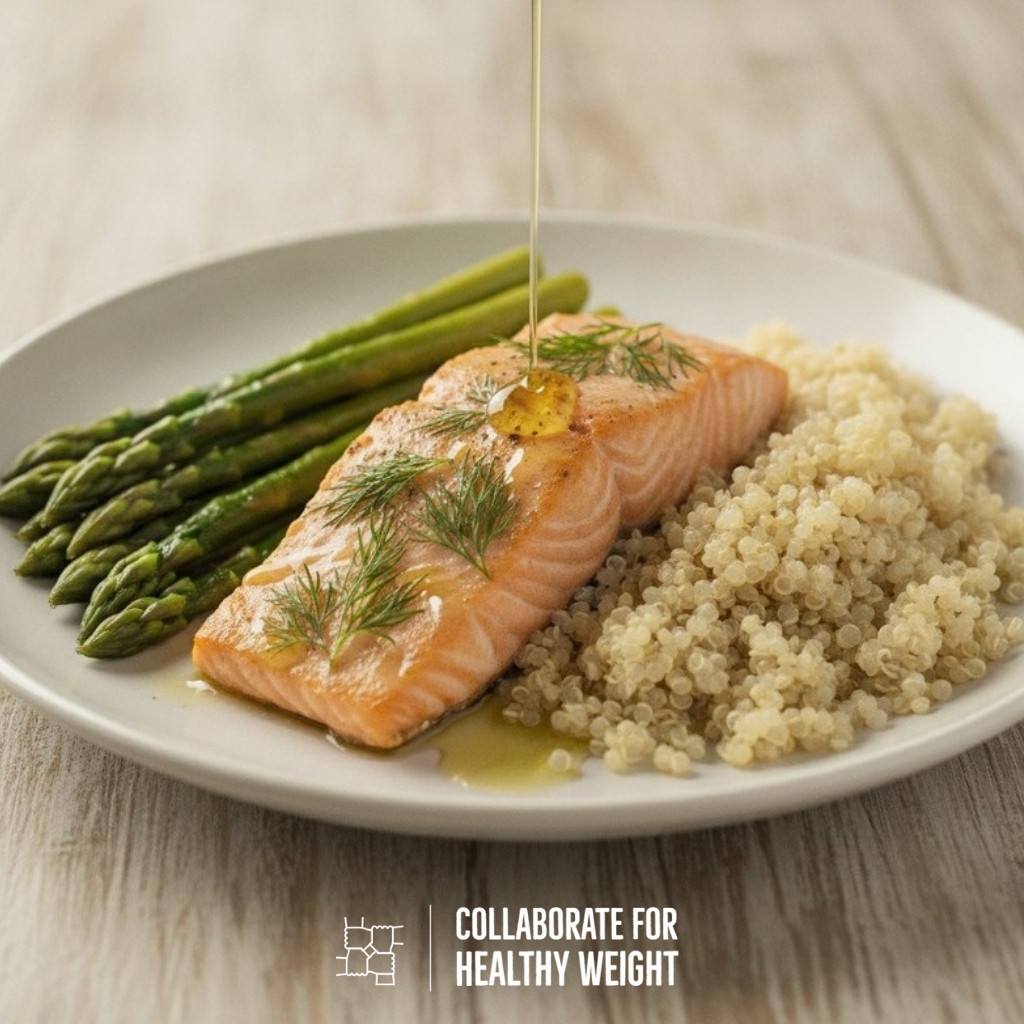
Day 5 approximate totals: Protein: 128g | Calcium: 642mg | Fiber: 18g | Calories: 1,442
Day 6 Senior Meal Plan
Breakfast: Three-egg scramble, seasoned with salt and black pepper, with spinach (50g), whole-grain toast (80g), and avocado (90g), finished with olive oil (8g).
Lunch: Hummus (70g) with a whole-grain roll, cucumber (60g), and cheddar cheese (25g).

Dinner: Grilled turkey breast, seasoned with salt, black pepper, and rosemary (180g), with steamed broccoli (130g) and brown rice (150g), finished with olive oil (10g).
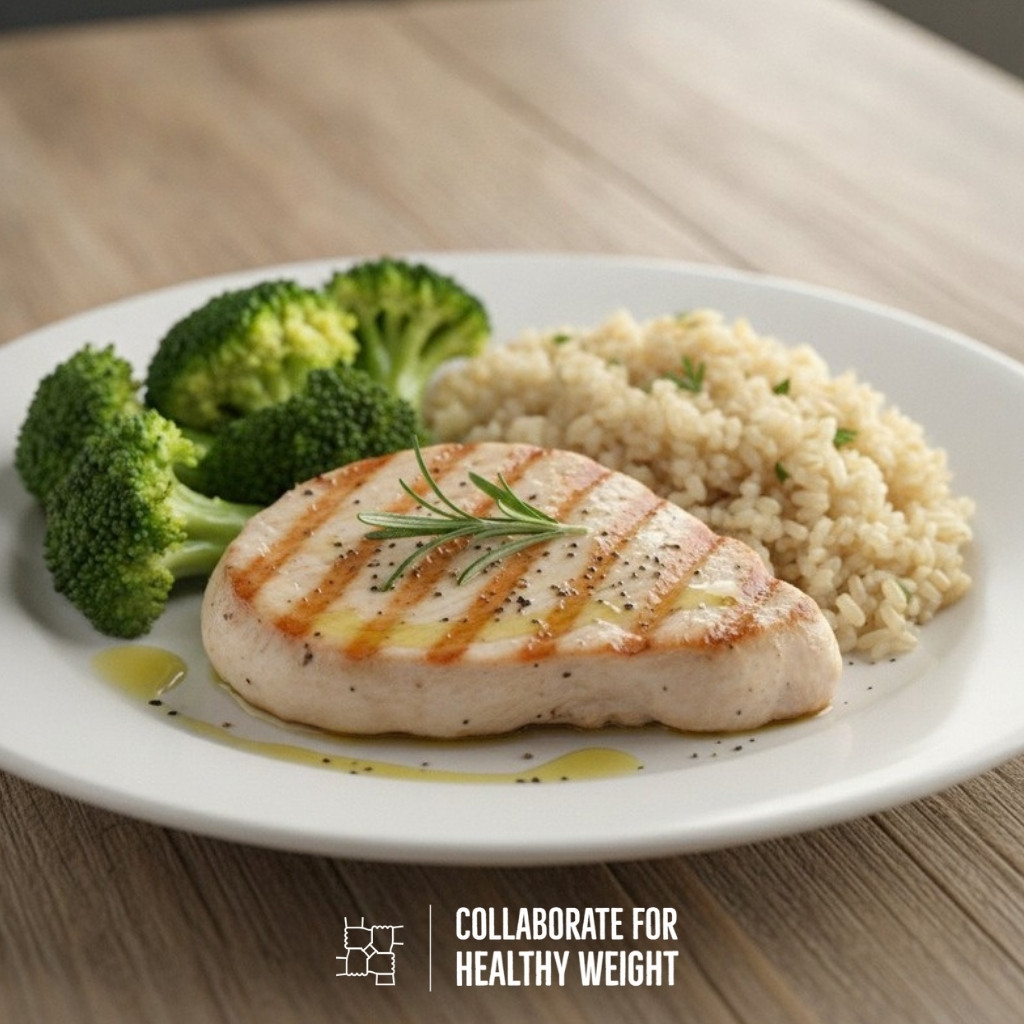
Day 6 approximate totals: Protein: 104g | Calcium: 526mg | Fiber: 22g | Calories: 1,496
Day 7 Senior Meal Plan
Breakfast: Oats (230g cooked) with low-fat milk (180ml), blueberries (90g), and walnuts (18g).
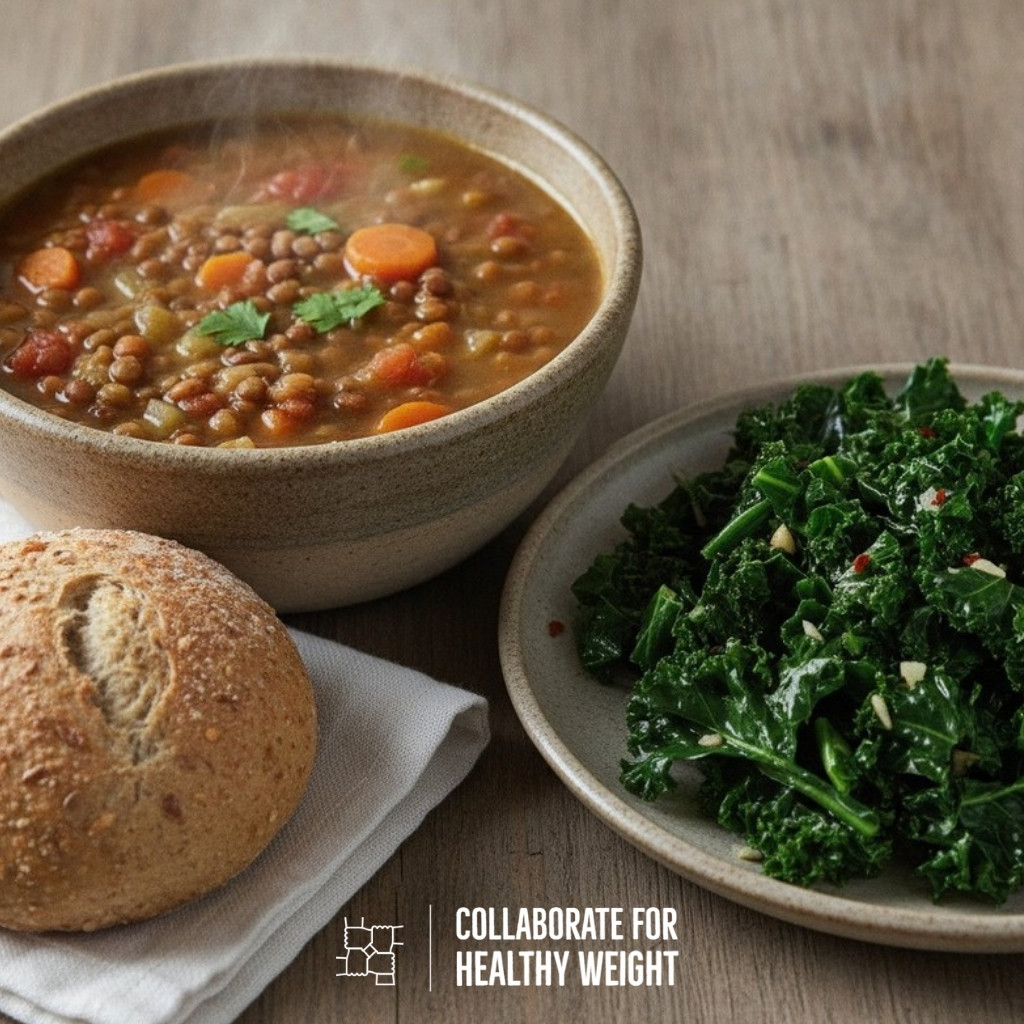
Lunch: Lentil soup (320g) with a whole-grain roll and sautéed kale (80g), finished with olive oil (8g).
Dinner: Baked cod, seasoned with salt, black pepper, and fresh parsley (180g), with roasted sweet potato (150g) and steamed green beans (130g), finished with olive oil (10g).
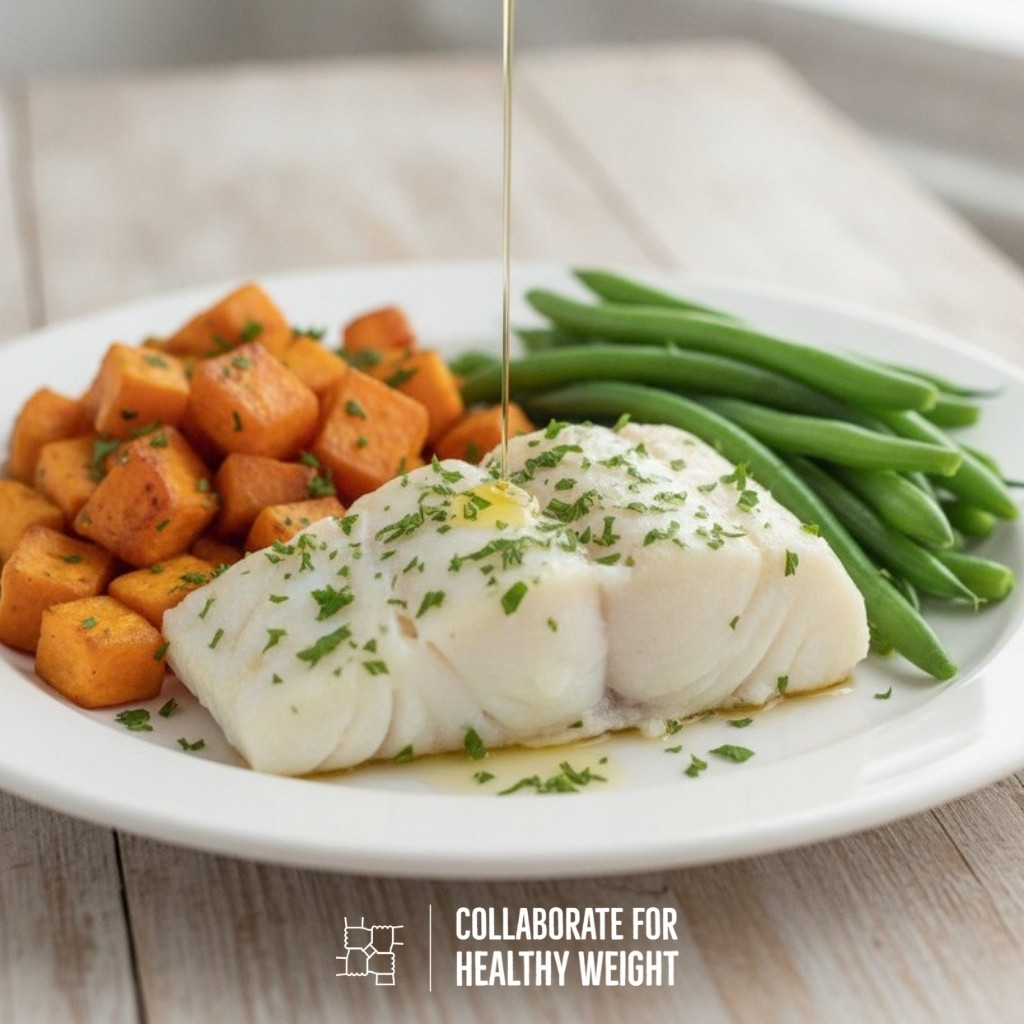
Day 7 approximate totals: Protein: 94g | Calcium: 581mg | Fiber: 38g | Calories: 1,515
7-Day Senior Meal Plan at a Glance
| Day | Protein | Calcium | Fiber | Calories |
|---|---|---|---|---|
| Day 1 | 114g | 425mg | 23g | 1,514 |
| Day 2 | 103g | 517mg | 30g | 1,469 |
| Day 3 | 116g | 532mg | 23g | 1,469 |
| Day 4 | 88g | 605mg | 37g | 1,484 |
| Day 5 | 128g | 642mg | 18g | 1,442 |
| Day 6 | 104g | 526mg | 22g | 1,496 |
| Day 7 | 94g | 581mg | 38g | 1,515 |
Protein clears the standard 56-gram daily recommendation by a wide margin every single day, supporting the muscle mass maintenance that becomes increasingly important with age. Fiber exceeds the 25-gram target on most days and stays close on the rest, supporting digestive regularity, a common concern for older adults. Calories sit meaningfully lower than what a younger adult plan would target, reflecting typically reduced activity and metabolic needs after 65, while still staying well above the range where nutritional adequacy becomes a genuine concern. If your activity level is higher than average, or your calorie needs are otherwise greater, add an extra serving of any protein or whole grain in this plan.
What to Expect on This Healthy Senior Meal Plan
Days 1 to 3: If this represents a shift toward more home-cooked, whole-food meals from a previous pattern of smaller or more convenience-based eating, energy and digestion often improve noticeably within the first few days simply from the increase in consistent, nutrient-dense food.
Days 4 to 5: The rhythm of consistent protein at each meal and steady hydration typically starts to feel more natural. Many people notice improved regularity as fiber intake climbs and stays consistent.
Days 6 to 7: By the end of the week, most people have identified a handful of meals that are both enjoyable and manageable to prepare regularly. If cooking has become physically difficult, consider which of these meals could be batch-prepared with help from family, a caregiver, or a meal delivery service, since consistency matters more than doing everything from scratch every single day.
Senior Grocery List for 7 Days
Protein
Eggs, 1 dozen
Chicken breast, boneless and skinless, 280g
Turkey breast, boneless, 380g
Salmon fillets, 2 (approximately 160g each)
Cod fillets, 2 (approximately 180g each)
Shrimp, cooked or raw, 180g
Black beans, 1 can (170g cooked)
Lentil soup ingredients or pre-made low-sodium lentil soup, 640g
Greek yogurt, low-fat, 420g
Cottage cheese, low-fat, 200g
Cheddar cheese, 50g
Grains
Rolled oats, 1 bag
Quinoa, 1 bag
Brown rice, 1 bag
Whole wheat pasta, 1 bag
Whole-grain rolls, 3
Whole-grain bread, 1 loaf
Vegetables
Spinach, 1 bag
Kale, 2 bunches
Broccoli, 1 head
Asparagus, 2 bunches
Green beans, 400g
Carrots, 2
Sweet potatoes, 2
Cucumber, 1
Fruit
Banana, 2
Blueberries, 170g
Peach, 1
Orange, 1
Fats and Extras
Walnuts, 111g
Ground flaxseed, 1 small bag
Avocados, 2
Hummus, 1 tub
Olive oil, 500ml
Marinara sauce, 1 jar
Herbs and Seasonings
Salt
Black pepper
Garlic
Fresh herbs such as dill, parsley, thyme, and rosemary
Ground cumin
Lemons, 2
Senior Meal Prep: How to Prepare for the Week
Before Day 1: Cook a large batch of quinoa and brown rice in advance, since both appear repeatedly and reheat well, reducing daily cooking demands. Prepare the lentil soup in a large batch and freeze in individual portions, since it appears twice across the week.
Before Day 4: Cook a second batch of grains. If mobility or standing at the stove is a challenge, consider preparing several days of protein at once, shredding or dicing it into ready-to-use portions for the remaining meals.
Frequently Asked Questions
How many calories should a senior eat per day?
Most adults over 65 need roughly 1,400 to 2,000 calories a day, depending on sex, body size, and activity level, generally lower than a younger adult’s needs due to slower metabolism and reduced activity. This plan sits in the 1,440 to 1,520 calorie range per day, which fits a lower-activity senior; more active older adults can add an extra protein or whole-grain serving to each day to raise the total.
Can medications affect an older adult’s appetite or nutrient needs?
Yes. Many common medications, including some blood pressure drugs, antidepressants, and diuretics, can reduce appetite, alter taste, or interfere with the absorption of specific nutrients like vitamin B12, calcium, or potassium. If you’ve noticed a change in appetite or taste after starting a new medication, a pharmacist or physician can flag whether it’s a known side effect and suggest adjustments.
Is this meal plan appropriate for someone who has difficulty chewing or swallowing?
The proteins and vegetables in this plan are chosen to be naturally soft or easy to cook tender, such as baked fish, ground or shredded poultry, and well-cooked vegetables, so most meals need only minor texture adjustments. For more significant chewing or swallowing difficulty (dysphagia), work with a speech-language pathologist or registered dietitian, since some foods may need to be minced, mashed, or thickened for safety.
Is a senior meal plan different from a meal plan for the elderly with limited mobility?
The core nutrition targets, protein, calcium, vitamin D, and fiber, are the same for any older adult regardless of mobility. What typically changes for someone with limited mobility is preparation: batch-cooking grains and proteins in advance, using a slow cooker, or leaning on pre-cut produce and rotisserie chicken can make this same plan realistic without extended time standing at the stove.
Is this meal plan safe for someone managing diabetes, kidney disease, or another chronic condition?
This plan is built for generally healthy older adults and isn’t tailored to manage a specific chronic condition. If you’re managing diabetes, kidney disease, heart disease, or another condition with its own dietary restrictions, use a condition-specific plan instead, or bring this one to your physician or a registered dietitian to adjust the sodium, potassium, phosphorus, or carbohydrate levels as needed.
The Bottom Line
This 7-day meal plan for seniors prioritizes nutrient density over raw calories, delivering strong protein, calcium, and fiber in every meal to support the muscle mass, bone health, and digestive regularity that matter most after 65. Hydration and easier-to-chew preparations are built in throughout, addressing two common but often overlooked challenges of this stage of life. If you’re managing a chronic condition or have specific dietary restrictions, bring this plan to your physician or a registered dietitian to adjust it appropriately for your individual needs.
All nutritional values are approximate estimates based on USDA FoodData Central data. This article does not constitute medical advice. Nutritional needs vary significantly among older adults based on activity level, chronic conditions, and medications. Consult your physician or a registered dietitian before making significant dietary changes.


