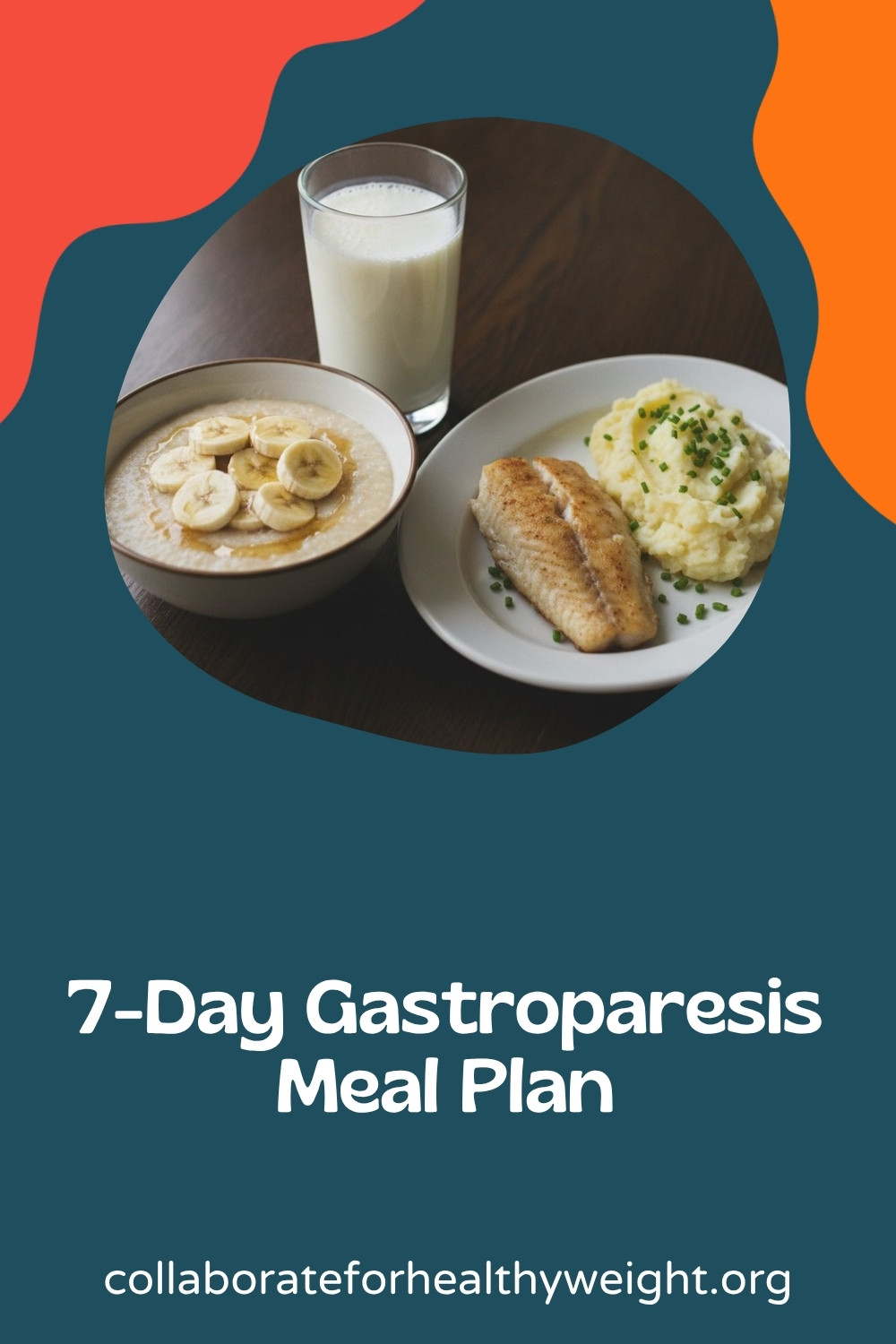
Gastroparesis slows how fast the stomach empties, so the usual advice flips the normal healthy-eating playbook: smaller meals, less fat, less fiber, and softer food. This 7-day gastroparesis meal plan follows that advice with six small meals a day, a grocery list that fits one shopping trip, and daily totals for calories, protein, fat, and fiber. Menus land between 1,716 and 1,926 calories, with 34 to 46 grams of fat and 16 to 22 grams of fiber a day.
The NIDDK recommends five or six small, nutritious meals a day instead of two or three large ones, with foods and drinks that are low in fat and low in fiber, plus soft, well-cooked foods. It says to avoid high-fat and high-fiber foods, foods that are hard to chew, fizzy drinks, and alcohol. The Cleveland Clinic adds specific food lists and cooking tips, which this plan follows. This is a general template, so a doctor or registered dietitian should tailor it to your own symptoms.
Your 7-Day Gastroparesis Meal Plan: Small, Soft, Low-Fat, Low-Fiber Meals
Jump to: Key Rules | Daily Menus | Day 1 | Day 2 | Day 3 | Day 4 | Day 5 | Day 6 | Day 7 | Weekly Summary | When Symptoms Flare | Foods to Skip | Grocery List | Meal Prep | FAQ
The plan averages about 1,835 calories, 116 grams of protein, 41 grams of fat, 19 grams of fiber, and 254 grams of carbohydrate a day. Neither source gives a daily gram limit for fat or fiber, so these totals are the results of the menus, not clinical targets. Figures were calculated from USDA FoodData Central (SR Legacy) values using the weights listed in each meal. Cooked weights are used for meat, fish, grains, pasta, and vegetables. Sodium is not counted, and nutrient values vary by brand.
Key Rules for Eating With Gastroparesis
- Eat five or six small meals. The NIDDK recommends this over two or three large meals. This plan uses breakfast, mid-morning, lunch, mid-afternoon, dinner, and an evening drink-style meal.
- Keep fat low. Choose fat-free or low-fat versions of dairy and condiments, lean fish, skinless poultry, and lean cuts of meat, and avoid fried or greasy preparations. The menus use small amounts of olive oil, a little reduced-fat peanut butter, and whole egg in some meals.
- Keep fiber low. The Cleveland Clinic says to choose cereals with 2 grams of fiber or less per serving, and to limit grains above that. This plan uses Cream of Wheat, Cream of Rice, grits, white bread, white rice, white pasta, and saltines.
- Cook fruit and vegetables until very soft. Peel them, remove seeds, and mash or puree if needed. Cooking helps break down fiber, and raw vegetables and fruit skins are on the avoid list.
- Chew to a mashed-potato consistency. The Cleveland Clinic suggests chewing food until it is as soft as mashed potatoes or pudding, and grinding or pureeing solids if needed.
- Sit upright and stay gently active after meals. The Cleveland Clinic suggests sitting upright while eating and for at least an hour afterward, and says light walking may help stomach emptying.
- Sip fluids through the day. The Cleveland Clinic says most adults need about 6 to 10 cups of fluid daily, though needs vary, and that too much at once can cause bloating. Skip carbonated drinks and alcohol.
7-Day Gastroparesis Meal Plan: Daily Menus
Day 1: Cream of Wheat, Baked Cod, and Roasted Chicken with Mashed Potatoes
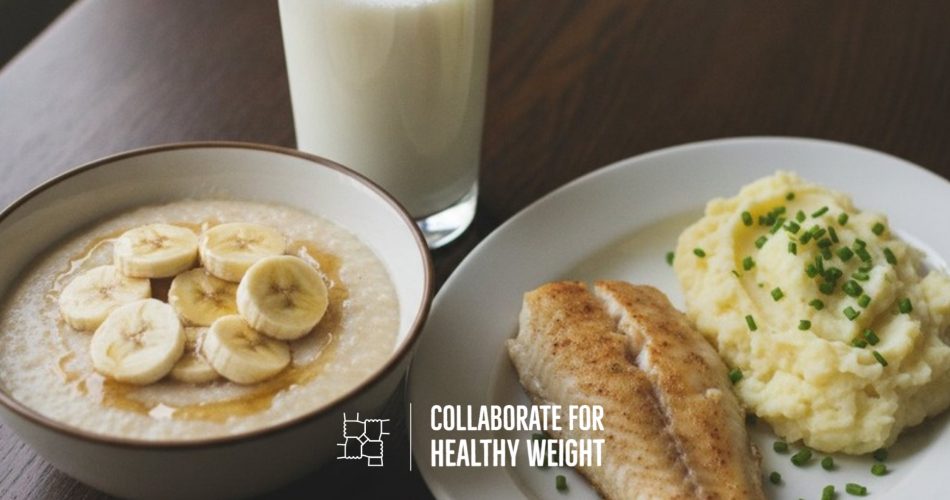
- Breakfast: Cream of Wheat with banana. 1 cup Cream of Wheat, cooked with water (250 g), 3/4 ripe banana (100 g), 1.5 tsp maple syrup (10 g), 1/2 cup nonfat milk (120 g).
- Mid-morning: Egg white scramble on white toast. 2 egg whites (60 g), 1 egg (50 g), 2 slices white bread (56 g), 1/2 cup unsweetened applesauce (120 g).
- Lunch: Baked cod with rice and carrots. Baked cod (3.5 oz, 100 g), 1 cup cooked white rice (160 g), 3/4 cup well-cooked carrots (100 g), 2 tsp olive oil (10 g).
- Mid-afternoon: Yogurt with peaches. 1/2 cup plain nonfat Greek yogurt (120 g), 1/2 cup canned peaches in juice, skinless (120 g), 1 tsp maple syrup (8 g).
- Dinner: Roasted chicken with mashed potatoes and spinach. Skinless roasted chicken breast (3 oz, 85 g), 1 cup peeled boiled potato, mashed (200 g), 1/4 cup nonfat milk (40 g), 1/2 cup well-cooked spinach (80 g), 2 tsp olive oil (10 g).
- Evening: Banana yogurt milk. 1 cup nonfat milk (240 g), 3/4 ripe banana (100 g), 1/4 cup plain nonfat Greek yogurt (60 g).
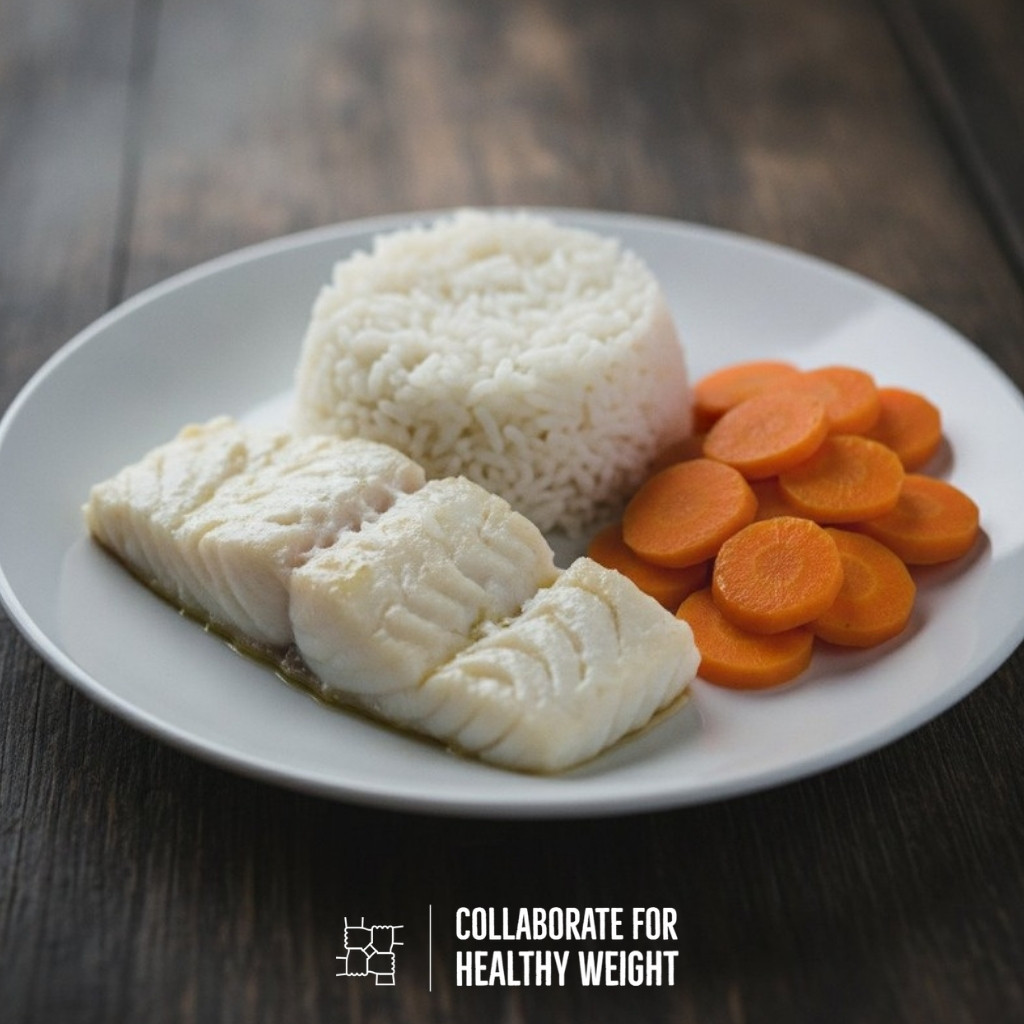
| Nutrient | Amount |
|---|---|
| Calories | 1,808 |
| Protein | 116 g |
| Fat | 35 g |
| Fiber | 20 g |
| Carbohydrate | 263 g |
| Calcium | 1,251 mg |
| Iron | 21 mg |
Day 2: Grits, Flounder with Pasta, and Pork Tenderloin with Sweet Potato
- Breakfast: Grits with egg and cottage cheese. 1 cup white grits, cooked with water (250 g), 1 egg (50 g), 1/4 cup 1% cottage cheese (60 g).
- Mid-morning: Pears with crackers and peanut butter. 1/2 cup canned pears in juice (140 g), 5 saltine crackers (16 g), 1 tbsp reduced-fat creamy peanut butter (20 g).
- Lunch: Flounder with pasta and tomato sauce. Baked flounder (4 oz, 110 g), 1 1/4 cup cooked white pasta (160 g), 1/2 cup strained tomato sauce (100 g), 2 tsp olive oil (10 g).
- Mid-afternoon: Cottage cheese with cantaloupe. 1/2 cup 1% cottage cheese (120 g), 3/4 cup ripe cantaloupe (120 g), 1 tsp maple syrup (8 g).
- Dinner: Pork tenderloin with sweet potato and squash. Roasted lean pork tenderloin (3 oz, 85 g), 1/2 cup peeled boiled sweet potato, mashed (200 g), 1/2 cup cooked summer squash, peeled (100 g), 2 tsp olive oil (10 g).
- Evening: Pear yogurt milk. 1 cup nonfat milk (240 g), 1/2 cup canned pears in juice (140 g), 1/4 cup plain nonfat Greek yogurt (60 g).
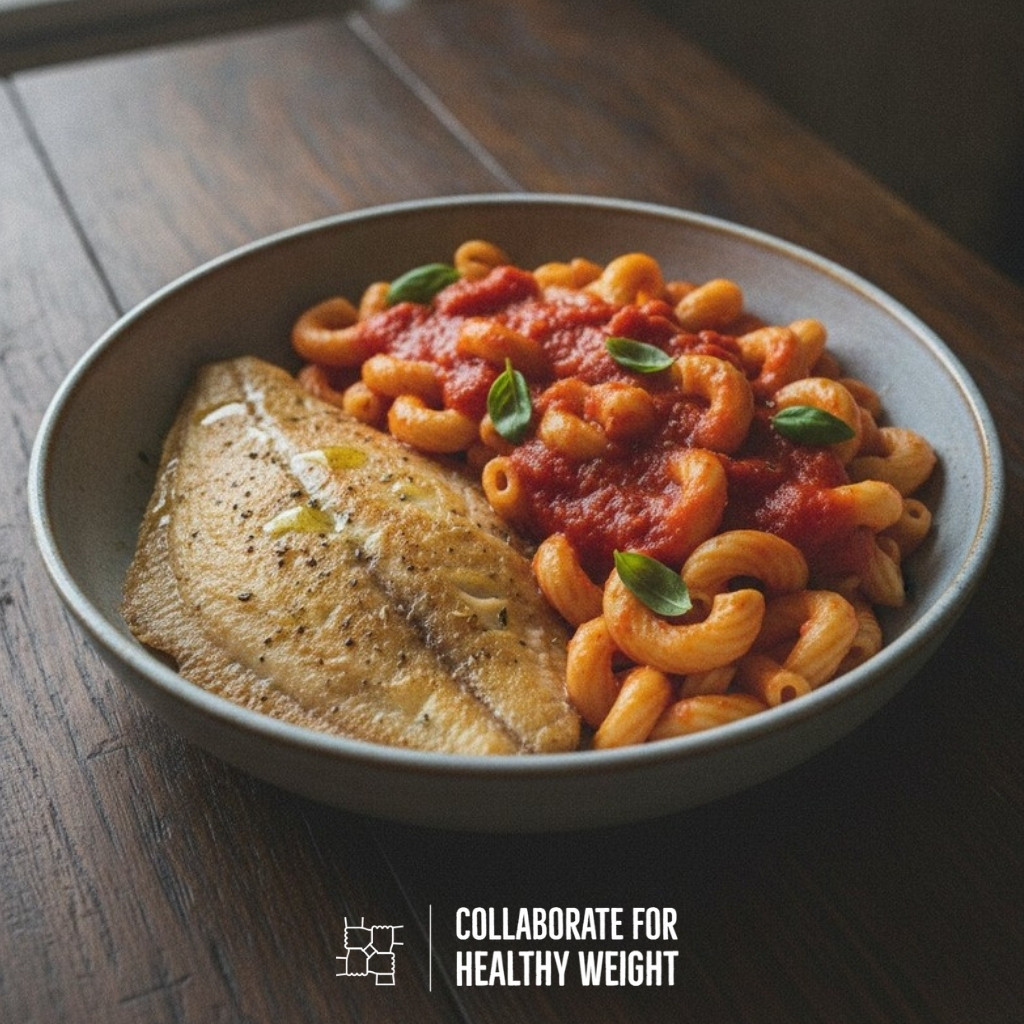
| Nutrient | Amount |
|---|---|
| Calories | 1,716 |
| Protein | 109 g |
| Fat | 45 g |
| Fiber | 20 g |
| Carbohydrate | 221 g |
| Calcium | 689 mg |
| Iron | 11 mg |
Day 3: Cream of Rice, Tuna Sandwich, and Haddock with Butternut Squash
- Breakfast: Cream of Rice with banana. 1 cup Cream of Rice, cooked with water (250 g), 1/2 cup nonfat milk (120 g), 3/4 ripe banana (100 g), 1.5 tsp maple syrup (10 g).
- Mid-morning: Egg on white toast. 1 egg (50 g), 2 egg whites (50 g), 2 slices white bread (56 g).
- Lunch: Tuna sandwich with avocado and carrots. Canned light tuna in water (3.5 oz, 100 g), 3 slices white bread (84 g), 2 tbsp mashed avocado (30 g), 1/2 cup well-cooked carrots (80 g), 1.5 tsp olive oil (6 g).
- Mid-afternoon: Yogurt with applesauce. 1/2 cup plain nonfat Greek yogurt (120 g), 1/2 cup unsweetened applesauce (120 g), 1 tsp maple syrup (8 g).
- Dinner: Haddock with rice and butternut squash. Baked haddock (3.5 oz, 100 g), 1 1/4 cup cooked white rice (180 g), 1/2 cup baked butternut squash, mashed (120 g), 2 tsp olive oil (10 g).
- Evening: Peach yogurt milk. 1 cup nonfat milk (240 g), 1/2 cup canned peaches in juice, skinless (120 g), 1/4 cup plain nonfat Greek yogurt (60 g).
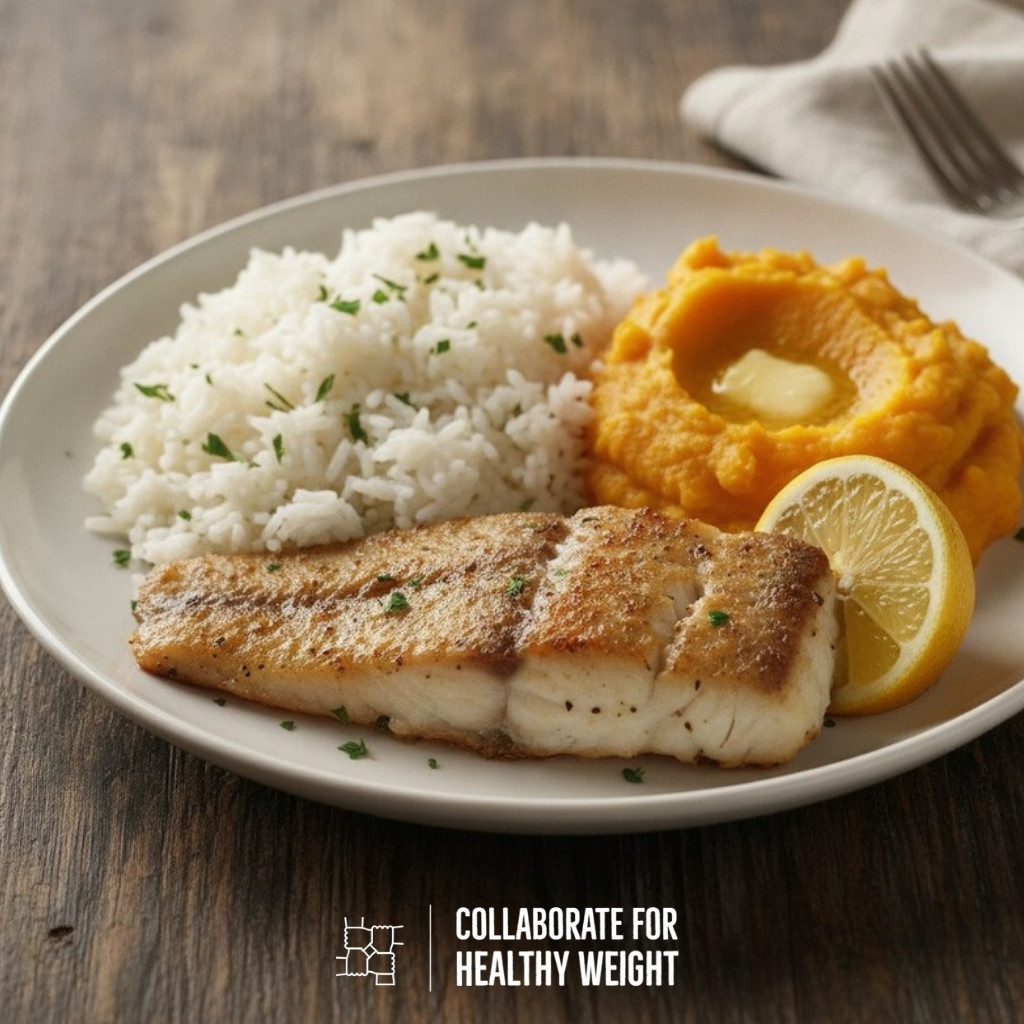
| Nutrient | Amount |
|---|---|
| Calories | 1,749 |
| Protein | 105 g |
| Fat | 34 g |
| Fiber | 18 g |
| Carbohydrate | 258 g |
| Calcium | 1,031 mg |
| Iron | 22 mg |
Day 4: Cream of Wheat, Chicken Rice Bowl, and Cod with Mashed Potatoes
- Breakfast: Cream of Wheat with banana. 1 cup Cream of Wheat, cooked with water (250 g), 3/4 ripe banana (100 g), 1/2 cup nonfat milk (120 g), 1.5 tsp maple syrup (10 g).
- Mid-morning: Egg scramble on white toast. 2 egg whites (60 g), 2 eggs (100 g), 2 slices white bread (56 g).
- Lunch: Chicken rice bowl with tomato and spinach. Skinless roasted chicken breast (3 oz, 85 g), 1 cup cooked white rice (160 g), 1/2 cup cooked tomato, peeled (100 g), 1/4 cup well-cooked spinach (60 g), 2 tsp olive oil (10 g).
- Mid-afternoon: Cottage cheese with pears. 1/2 cup 1% cottage cheese (120 g), 1/2 cup canned pears in juice (140 g), 1 tsp maple syrup (8 g).
- Dinner: Cod with mashed potatoes and carrots. Baked cod (4 oz, 110 g), 1 cup peeled boiled potato, mashed (200 g), 3/4 cup well-cooked carrots (100 g), 1/4 cup nonfat milk (40 g), 2 tsp olive oil (10 g).
- Evening: Banana peanut butter milk. 1 cup nonfat milk (240 g), 3/4 ripe banana (100 g), 1 tbsp reduced-fat creamy peanut butter (12.5 g).
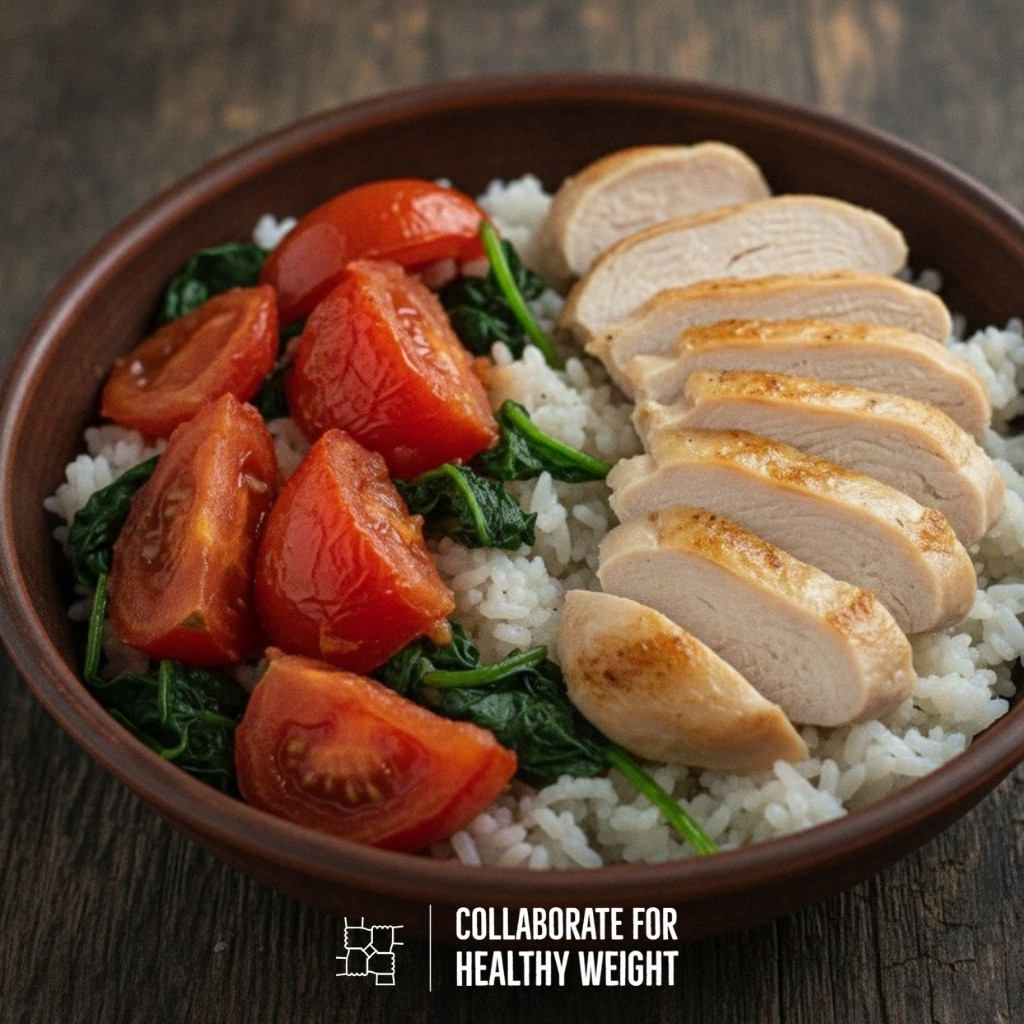
| Nutrient | Amount |
|---|---|
| Calories | 1,922 |
| Protein | 125 g |
| Fat | 45 g |
| Fiber | 20 g |
| Carbohydrate | 259 g |
| Calcium | 1,142 mg |
| Iron | 21 mg |
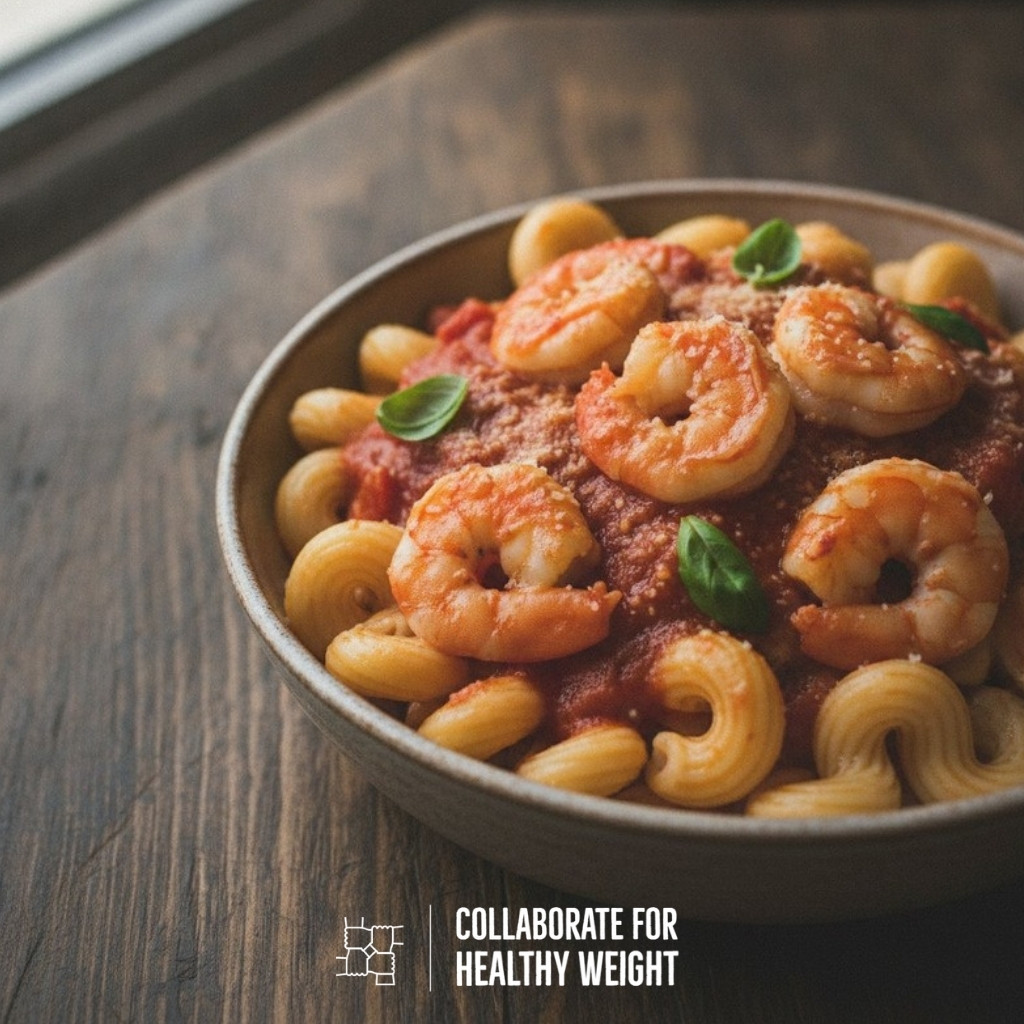
Day 5: Grits, Shrimp Pasta, and Pork Tenderloin with Rice
- Breakfast: Grits with egg and cottage cheese. 1 cup white grits, cooked with water (250 g), 1 egg (50 g), 1/4 cup 1% cottage cheese (60 g), 0.5 tsp maple syrup (5 g).
- Mid-morning: Yogurt with peaches and crackers. 1/2 cup plain nonfat Greek yogurt (120 g), 1/2 cup canned peaches in juice, skinless (120 g), 5 saltine crackers (16 g).
- Lunch: Shrimp pasta in tomato sauce. Cooked shrimp (3.5 oz, 100 g), 1 1/4 cup cooked white pasta (160 g), 1/2 cup strained tomato sauce (100 g), 2 tsp olive oil (10 g).
- Mid-afternoon: Egg white toast with applesauce. 2 egg whites (60 g), 1 egg (50 g), 2 slices white bread (56 g), 1/2 cup unsweetened applesauce (120 g).
- Dinner: Pork tenderloin with rice and squash. Roasted lean pork tenderloin (3 oz, 85 g), 1 cup cooked white rice (160 g), 1/2 cup cooked summer squash, peeled (100 g), 2 tsp olive oil (10 g).
- Evening: Banana cottage cheese milk. 1 cup nonfat milk (240 g), 3/4 ripe banana (100 g), 1/4 cup 1% cottage cheese (60 g).
| Nutrient | Amount |
|---|---|
| Calories | 1,926 |
| Protein | 129 g |
| Fat | 43 g |
| Fiber | 16 g |
| Carbohydrate | 255 g |
| Calcium | 804 mg |
| Iron | 14 mg |
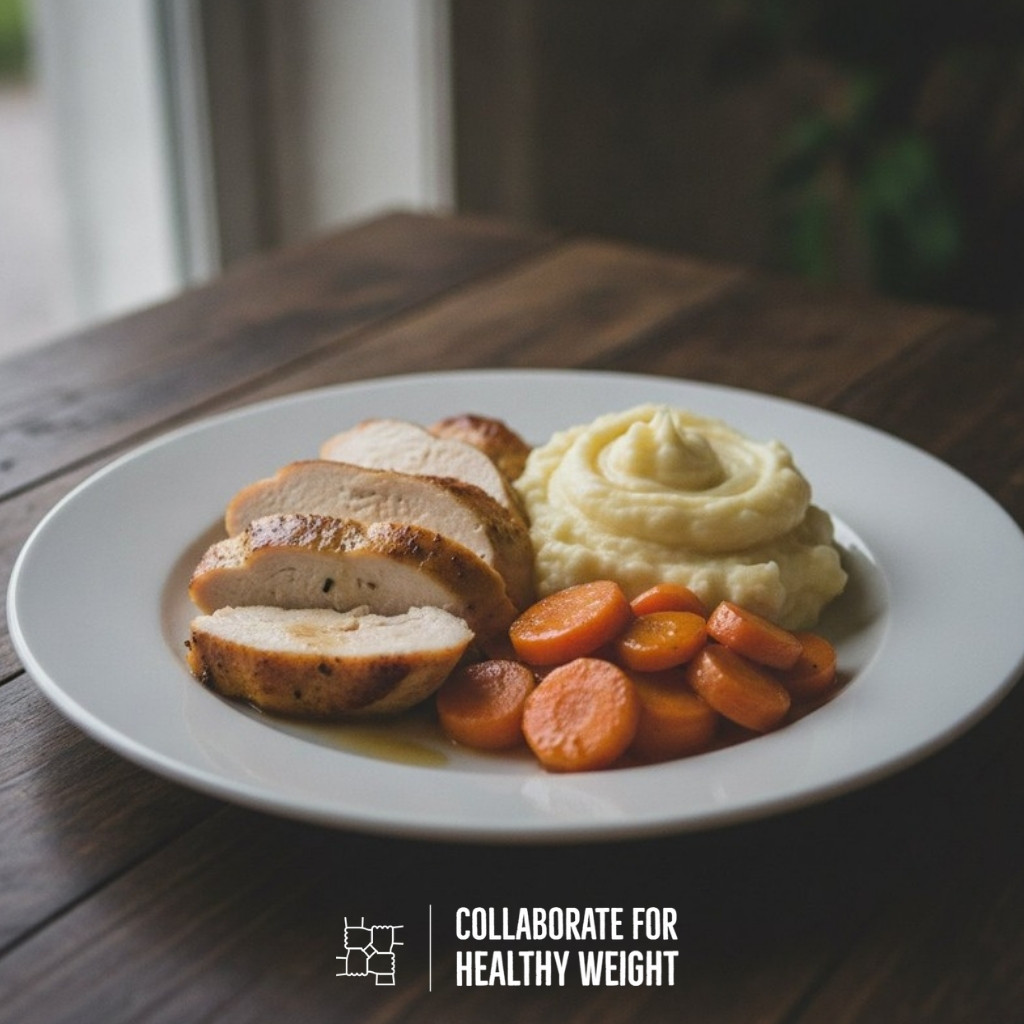
Day 6: Cream of Rice, Chicken with Mashed Potatoes, and Flounder with Rice
- Breakfast: Cream of Rice with pears. 1 cup Cream of Rice, cooked with water (250 g), 1/2 cup nonfat milk (120 g), 1/2 cup canned pears in juice (140 g), 1.5 tsp maple syrup (10 g).
- Mid-morning: Egg scramble on toast with applesauce. 1 egg (50 g), 2 egg whites (50 g), 2 slices white bread (56 g), 1/2 cup unsweetened applesauce (120 g).
- Lunch: Chicken with mashed potatoes and carrots. Skinless roasted chicken breast (3 oz, 85 g), 1 cup peeled boiled potato, mashed (200 g), 3/4 cup well-cooked carrots (100 g), 1/4 cup nonfat milk (40 g), 2 tsp olive oil (10 g).
- Mid-afternoon: Cottage cheese with peaches and crackers. 1/2 cup 1% cottage cheese (120 g), 1/2 cup canned peaches in juice, skinless (120 g), 5 saltine crackers (16 g).
- Dinner: Flounder with rice, spinach and tomato sauce. Baked flounder (4 oz, 110 g), 1 cup cooked white rice (160 g), 1/2 cup well-cooked spinach (80 g), 1/4 cup strained tomato sauce (60 g), 2 tsp olive oil (10 g).
- Evening: Banana yogurt milk. 1 cup nonfat milk (240 g), 3/4 ripe banana (100 g), 1/4 cup plain nonfat Greek yogurt (60 g).
| Nutrient | Amount |
|---|---|
| Calories | 1,855 |
| Protein | 112 g |
| Fat | 38 g |
| Fiber | 20 g |
| Carbohydrate | 269 g |
| Calcium | 1,001 mg |
| Iron | 23 mg |
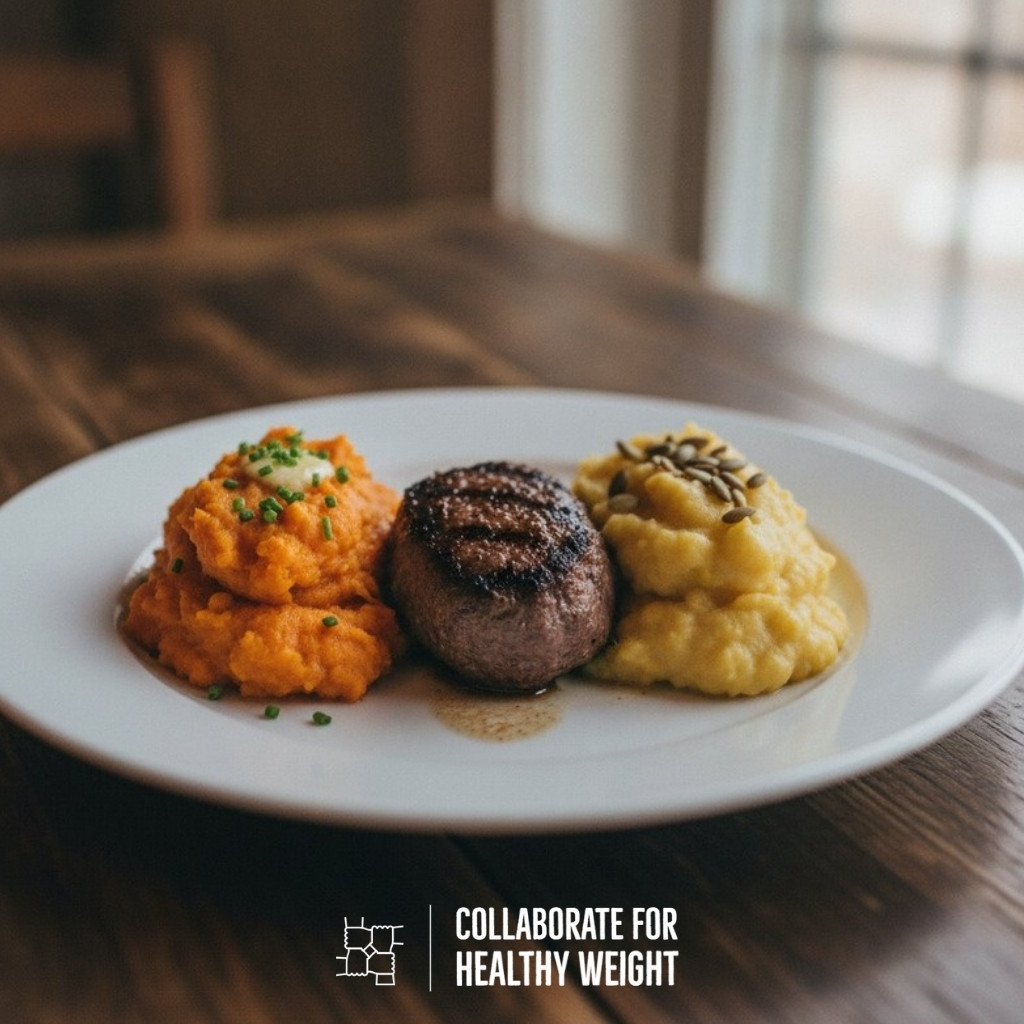
Day 7: Cream of Wheat, Tuna Pasta, and Beef Patty with Sweet Potato
- Breakfast: Cream of Wheat with banana. 1 cup Cream of Wheat, cooked with water (250 g), 3/4 ripe banana (100 g), 1.5 tsp maple syrup (10 g), 1/2 cup nonfat milk (120 g).
- Mid-morning: Yogurt with cantaloupe and crackers. 1/2 cup plain nonfat Greek yogurt (120 g), 3/4 cup ripe cantaloupe (120 g), 5 saltine crackers (16 g).
- Lunch: Tuna pasta with tomato sauce. Canned light tuna in water (3.5 oz, 100 g), 1 1/4 cup cooked white pasta (160 g), 1/2 cup strained tomato sauce (100 g), 2 tsp olive oil (10 g).
- Mid-afternoon: Egg toast with peanut butter. 2 egg whites (60 g), 1 egg (50 g), 2 slices white bread (56 g), 1 tbsp reduced-fat creamy peanut butter (20 g).
- Dinner: Beef patty with sweet potato and butternut squash. Broiled 95% lean ground beef patty (3 oz, 85 g), 1/2 cup peeled boiled sweet potato, mashed (200 g), 1/2 cup baked butternut squash, mashed (100 g), 2 tsp olive oil (10 g).
- Evening: Peach yogurt milk. 1 cup nonfat milk (240 g), 1/2 cup canned peaches in juice, skinless (120 g), 1/4 cup plain nonfat Greek yogurt (60 g).
| Nutrient | Amount |
|---|---|
| Calories | 1,870 |
| Protein | 117 g |
| Fat | 46 g |
| Fiber | 22 g |
| Carbohydrate | 252 g |
| Calcium | 1,151 mg |
| Iron | 24 mg |
Weekly Nutrition Summary
| Day | Calories | Protein | Fat | Fiber | Carbs | Calcium (mg) | Iron (mg) |
|---|---|---|---|---|---|---|---|
| Day 1 | 1,808 | 116 g | 35 g | 20 g | 263 g | 1,251 | 21 |
| Day 2 | 1,716 | 109 g | 45 g | 20 g | 221 g | 689 | 11 |
| Day 3 | 1,749 | 105 g | 34 g | 18 g | 258 g | 1,031 | 22 |
| Day 4 | 1,922 | 125 g | 45 g | 20 g | 259 g | 1,142 | 21 |
| Day 5 | 1,926 | 129 g | 43 g | 16 g | 255 g | 804 | 14 |
| Day 6 | 1,855 | 112 g | 38 g | 20 g | 269 g | 1,001 | 23 |
| Day 7 | 1,870 | 117 g | 46 g | 22 g | 252 g | 1,151 | 24 |
| Average | 1,835 | 116 g | 41 g | 19 g | 254 g | 1,010 | 19 |
Protein is generous at 116 grams a day because lean meat, fish, eggs, and dairy do most of the work when fiber is limited, so smaller or less active people can trim the meat, yogurt, and cottage cheese portions. Most of the iron comes from the enriched Cream of Wheat and Cream of Rice, so on the two grits days (Days 2 and 5) iron falls to 11 and 14 milligrams, and calcium on Day 2 is only 689 milligrams. A low-fiber, low-fat diet can leave gaps over time, so ask your doctor or dietitian whether you need a multivitamin or other supplements. Neither source used here covers supplements.
Why This Meal Plan Works for Gastroparesis
Six Small Meals Instead of Three Big Ones
Every day is split into six portions of roughly 150 to 470 calories, which follows the NIDDK advice to eat five or six small meals. If six feels like too much on a bad day, the evening drink-style meal can be moved earlier or swapped for broth.
Low Fat and Low Fiber Without Going Bland
Tomato sauce, maple syrup, mashed avocado, a little olive oil, and seasonings keep the meals interesting while staying inside the Cleveland Clinic lists. For related low-fiber ideas, see the low residue diet grocery list, and for more ways to settle the stomach, see foods that help with nausea.
Soft Textures and Protein at Every Meal
Fish, poultry, eggs, and dairy are soft when cooked gently, and each meal carries some protein so energy does not depend on large portions. If you also have pancreatic or gallbladder issues, compare this plan with the pancreatitis diet grocery list, the gallbladder removal diet grocery list, and the 7-day gallbladder diet meal plan.
A Note for People With Diabetes
The NIDDK says a healthy meal plan can help manage blood glucose, and the Cleveland Clinic says people with diabetes should work with a provider to set a carbohydrate budget. This plan averages 254 grams of carbohydrate a day, which is high because refined grains and fruit make up most of the calories, so it is not a diabetes plan as written. Use the 7-day diabetic diet meal plan and your care team for carbohydrate targets, and see foods to avoid for diabetes.
What to Do When Symptoms Flare
The Cleveland Clinic describes a liquid-first approach for worse symptoms. In its stage 1 diet for severe symptoms, it lists sports drinks, rehydration solutions, bouillon, caffeine-free clear liquids, broth, and saltine crackers if tolerated. Its stage 2 for moderate symptoms adds skim-milk products, fat-free broth with noodles, Cream of Wheat, vegetable and fruit juice, skinless canned fruit, creamy peanut butter, and ground poultry. The NIDDK also says that for moderate to severe symptoms, drinking only liquids or eating well-cooked foods blended to a paste may be recommended.
- Use the evening drinks as a model. The Evening meals here are blended-style milk and yogurt drinks, which you can use more often if solids are hard.
- Blend a regular meal. The Cleveland Clinic suggests blending meats with broth, water, nonfat milk, vegetables, tomato sauce, or low-fat gravy, and blending starches with water, broth, or strained vegetables.
- Call your provider. The Cleveland Clinic says to check with a provider if you rely on the stage 1 diet often or cannot tolerate food for more than three days.
Foods to Skip on This Plan
Both sources agree on the broad categories, and the Cleveland Clinic gives the detail below.
| Category | Skip or limit | Better swap in this plan |
|---|---|---|
| Protein | Processed meats such as bacon, sausage, bologna, and hot dogs; fatty or fibrous cuts such as steak and roasts; fish packed in oil; most dried beans, nuts, seeds, and olives | Skinless poultry, lean fish, lean pork tenderloin, eggs, and egg whites |
| Grains | Whole-grain products, bran cereal, shredded wheat, granola, bagels, steel-cut or rolled oats | Cream of Wheat, Cream of Rice, grits, white bread, white rice, and white pasta |
| Fruit | Raw and dried fruit, fruit skins, berries, oranges, kiwi, and coconut | Ripe bananas, applesauce, canned peaches and pears in juice, and cantaloupe |
| Vegetables | Raw vegetables, skins, Brussels sprouts, cabbage, celery, corn, peas, and mushrooms | Well-cooked carrots, spinach, squash, mashed potatoes, and strained tomato sauce |
| Dairy | Full-fat or 2% milk products, whipping cream, and half-and-half | Nonfat milk, nonfat Greek yogurt, and 1% cottage cheese |
| Drinks | Alcohol and carbonated drinks | Water, broth, and decaffeinated tea |
7-Day Gastroparesis Meal Plan Grocery List
Quantities cover one person for the week, with a small cushion for rounding. Meat and fish amounts are converted from the cooked weights in the menus.
Produce
- Ripe bananas: 7 medium
- Cantaloupe: 1 small (1 1/2 cups cubed needed)
- Carrots: 5 medium
- White potatoes: 3 medium (peeled)
- Sweet potatoes: 2 medium (peeled)
- Butternut squash: 1 small (about 1 lb)
- Yellow summer squash or zucchini: 1 medium
- Fresh spinach: 1 bag (about 10 oz) or 1 box frozen chopped spinach
- Ripe tomato: 1 medium
- Avocado: 1 small (2 tbsp needed)
Meat, Fish, and Eggs
- Skinless chicken breast: 3/4 lb (about 9 oz cooked needed)
- Cod fillet: 10 oz (raw)
- Flounder fillet: 10 oz (raw)
- Haddock fillet: 5 oz (raw)
- Lean pork tenderloin: 8 oz (raw)
- Peeled shrimp: 5 oz (raw)
- 95% lean ground beef: 4 oz (raw)
- Canned light tuna in water: 2 cans (5 oz each)
- Eggs: 1 dozen (9 whole eggs needed)
- Pasteurized liquid egg whites: 1 carton (340 g, about 1 1/2 cups, needed)
Dairy (nonfat and low-fat)
- Nonfat milk: 1 gallon (about 10 cups needed)
- Plain nonfat Greek yogurt: 1 large tub (about 3 1/4 cups needed)
- 1% cottage cheese: 1 tub (24 oz)
Grains and Starches
- Cream of Wheat (enriched): 1 small box (about 3 1/2 oz dry needed)
- Cream of Rice: 1 small box (about 2 1/2 oz dry needed)
- White grits (enriched): 1 small bag (about 3 1/2 oz dry needed)
- White rice: 1 small bag (about 1 1/2 cups dry needed)
- White pasta: 1 box (about 7 oz dry needed)
- White bread: 1 small loaf (15 slices needed)
- Saltine crackers: 1 small sleeve (about 21 crackers needed)
Canned and Jarred
- Unsweetened applesauce: 1 jar (24 oz)
- Peaches in juice: 2 cans (15 oz each)
- Pears in juice: 2 cans (15 oz each)
- Plain tomato sauce, smooth: 1 can (15 oz)
- Fat-free chicken broth: 1 carton (optional, for hydration and flare days)
Pantry
- Olive oil: 1 bottle (about 10 tbsp needed)
- Maple syrup: 1 small bottle (about 4 1/2 tbsp needed)
- Reduced-fat creamy peanut butter: 1 small jar (about 3 tbsp needed)
- Salt-free herbs such as basil, parsley, and thyme (use mild seasonings if spice bothers you)
Meal Prep Tips for the Week
- Batch the soft starches. Cook the rice, pasta, and peeled potatoes once, and reheat small portions with a splash of nonfat milk or broth.
- Bake the fish and chicken together. Cook it gently, refrigerate within two hours, and reheat until steaming. Use a blender for any meal that feels too heavy.
- Cook and puree the vegetables. Steam peeled carrots, squash, and spinach until very soft, and keep them in small containers for quick sides.
- Pre-portion the snacks. Spoon yogurt, cottage cheese, and applesauce into single servings so each small meal is ready.
- Keep liquids on hand. Stock broth, nonfat milk, and a rehydration drink for days when solids are hard.
Frequently Asked Questions About the 7-Day Gastroparesis Meal Plan
Is this plan low enough in fiber?
The plan averages 19 grams of fiber a day, and every hot cereal has under 2 grams per serving, in line with the Cleveland Clinic cereal guidance. The sources give no daily fiber target, so ask your provider whether to go lower, for example during a flare.
Can I eat salad or raw vegetables?
No. The Cleveland Clinic lists any raw vegetables as foods to avoid, and recommends well-cooked, skinless vegetables instead.
Why is there so little fat?
Both the NIDDK and Cleveland Clinic recommend low-fat foods. The Cleveland Clinic adds that liquid fat in drinks may help if you are losing weight unintentionally, so ask your provider if weight loss is a concern.
Are the evening drinks required?
No. They are small drink-style meals that suit the Cleveland Clinic advice to finish the day with a light or liquid meal if needed. Swap in broth if you prefer.
Can I use protein powder or supplement drinks?
The Cleveland Clinic says liquid supplements such as Ensure or Boost may help when it is hard to get enough calories or protein, and suggests protein boosters such as nonfat powdered milk. Check with your provider first.
Should I see a doctor or dietitian?
Yes. The NIDDK says a doctor may refer you to a dietitian for meal planning, and the Cleveland Clinic says to get help if you cannot follow the diet while getting enough calories and protein.
The Bottom Line
This 7-day gastroparesis meal plan averages 1,835 calories, 116 grams of protein, 41 grams of fat, and 19 grams of fiber a day across six small meals, using soft, well-cooked, low-fat, low-fiber foods from the NIDDK and Cleveland Clinic lists. It is a starting template, not a prescription, and the gaps in iron and calcium on some days are worth raising with your doctor or dietitian. Shop from the list, cook gently, chew thoroughly, sit upright after meals, and adjust the textures to how you feel each day.
Nutrition values were calculated from USDA FoodData Central (SR Legacy) using the weights listed in each meal. Brands, ripeness, and cooking methods change the actual amounts, and sodium is not included in the totals.
This article is for educational purposes and is not a substitute for advice from your doctor or a registered dietitian. Gastroparesis varies from person to person, so talk to a healthcare professional before changing how you eat or starting any supplement.