Most people think about weight loss as a math problem: eat less, move more. And while calorie balance matters, there’s a piece of the puzzle that doesn’t get nearly enough attention: chronic inflammation. When your body is in a persistent low-grade inflammatory state, losing weight becomes measurably harder. Your hormones don’t work properly, your metabolism slows, and hunger signals get distorted. The foods you eat either drive that inflammation or quiet it down.
This 7-day plan is built around the latter. Every meal uses ingredients with well-documented anti-inflammatory properties (fatty fish, leafy greens, berries, olive oil, turmeric, legumes, and whole grains) and avoids the processed foods, refined sugars, and industrial seed oils that feed the fire. The result is a way of eating that supports weight loss not just through calories, but by addressing one of its root causes.
Jump to: Inflammation and Weight | Key Foods | Foods to Avoid | 7-Day Meal Plan | Day 1 | Day 2 | Day 3 | Day 4 | Day 5 | Day 6 | Day 7 | Grocery List | Why It Works | Meal Prep | FAQ
The Inflammation-Weight Connection
Excess body fat, particularly visceral fat around the organs, is not metabolically inert. Fat cells actively secrete inflammatory molecules called cytokines, which trigger a state of chronic low-grade inflammation throughout the body. That inflammation then worsens insulin resistance, disrupts leptin signaling (the hormone that tells you when you’re full), and makes fat loss progressively harder over time.
StatPearls research published via NCBI confirms that chronic inflammation is a significant contributor to cardiovascular disease, type 2 diabetes, and certain cancers, and that consistent evidence demonstrates anti-inflammatory dietary habits decrease overall risk and mortality from these conditions. The relationship runs in both directions: inflammation drives weight gain, and weight gain drives more inflammation. Breaking that cycle through diet is one of the most practical tools available.
Key Anti-Inflammatory Foods This Plan Relies On
For the complete shopping guide behind this approach, see our anti-inflammatory diet foods list.
Fatty fish (salmon, sardines, mackerel): Rich in EPA and DHA omega-3 fatty acids, which directly inhibit inflammatory signaling pathways. Johns Hopkins Medicine identifies fatty fish as one of the most powerful inflammation-fighting foods, alongside nuts, seeds, and plant-based omega-3 sources. Our guide to foods high in omega-3 covers more options.
Berries: Blueberries, raspberries, and strawberries are dense in polyphenols and anthocyanins that neutralize free radicals and suppress inflammatory markers. Harvard T.H. Chan School of Public Health notes that berries, leafy greens, and other colorful plant foods provide phytochemicals that inhibit inflammatory signals caused by the immune system and promote a healthy gut microbiome.
Extra virgin olive oil: The monounsaturated fats and polyphenols in EVOO, particularly oleocanthal, have anti-inflammatory properties comparable to low-dose ibuprofen in lab studies. It’s the cornerstone fat in this plan.
Turmeric: The active compound curcumin in turmeric directly suppresses NF-kB, a key molecular switch that drives chronic inflammation in fat tissue. Research published in PMC found that curcumin supplementation significantly decreases inflammatory cytokine production and increases adiponectin, an anti-inflammatory hormone, in overweight and obese individuals. Adding black pepper to turmeric-containing meals significantly improves curcumin absorption, and our list of foods high in curcumin shows more ways to get it from food.
Leafy greens, legumes, and whole grains: High-fiber foods feed beneficial gut bacteria, reduce intestinal permeability, and stabilize blood sugar, all of which lower the systemic inflammatory burden over time.
Foods to Avoid on an Anti-Inflammatory Plan
- Refined grains (white bread, white pasta, white rice)
- Added sugars and sugary drinks (soda, juice, most packaged snacks)
- Industrial seed oils (vegetable oil, soybean oil, corn oil)
- Processed meats (deli meats, hot dogs, commercial sausages)
- Fast food and fried foods
- Alcohol in excess
- Artificial trans fats (partially hydrogenated oils; check labels)
Want the full list with easy swaps? See our guide to the foods to avoid for inflammation.

7-Day Anti-Inflammatory Meal Plan
Each day targets 1,400–1,600 calories and is designed to maximize anti-inflammatory nutrient density at every meal. Calories and macros are approximate.
Day 1 (Monday)

Breakfast: Turmeric Golden Oats. Half a cup of rolled oats cooked in one cup of unsweetened almond milk, stirred with half a teaspoon of turmeric, a pinch of black pepper, half a teaspoon of cinnamon, and a teaspoon of honey. Top with a handful of blueberries and a tablespoon of walnuts. ~360 cal | 10g protein | anti-inflammatory stars: turmeric, blueberries, walnuts
Lunch: Big Green Salad with Sardines. A large bowl of mixed greens, shredded red cabbage, sliced cucumber, cherry tomatoes, avocado, and one tin of sardines in olive oil. Dress with lemon juice and extra virgin olive oil. ~400 cal | 28g protein | anti-inflammatory stars: sardines, leafy greens, avocado, EVOO
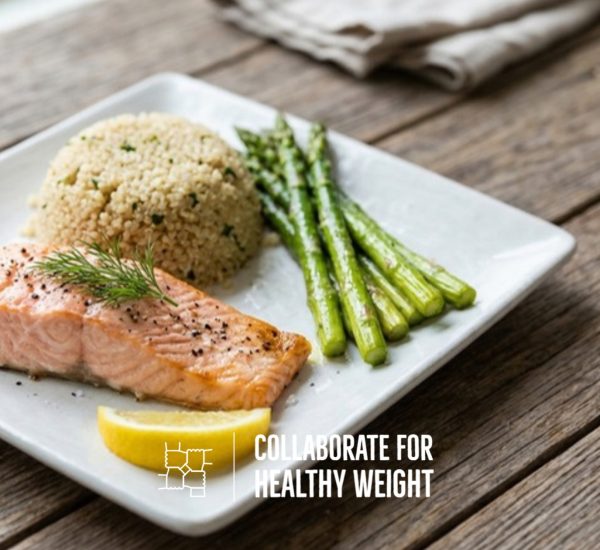
Dinner: Baked Salmon with Roasted Broccoli and Quinoa. One salmon fillet (5 oz) baked with olive oil, garlic, and lemon. Serve with roasted broccoli florets and half a cup of cooked quinoa tossed with fresh parsley. ~480 cal | 42g protein | anti-inflammatory stars: salmon, broccoli, quinoa
Snack: Berries and Walnuts. A handful of mixed berries and one ounce of walnuts. ~160 cal | anti-inflammatory stars: berries, walnuts
Daily Total: ~1,400 cal
Day 2 (Tuesday)
Breakfast: Anti-Inflammatory Smoothie. Blend one cup of unsweetened almond milk, a large handful of spinach, half a cup of frozen blueberries, half a banana, one tablespoon of ground flaxseed, half a teaspoon of turmeric, a pinch of black pepper, and one tablespoon of almond butter. ~340 cal | 10g protein | anti-inflammatory stars: spinach, blueberries, flaxseed, turmeric

Lunch: Lentil and Vegetable Soup. Red lentils simmered with diced carrots, celery, onion, garlic, canned tomatoes, cumin, smoked paprika, and low-sodium vegetable broth. Finish with a squeeze of lemon and fresh cilantro. Serve with one slice of whole-grain bread. ~400 cal | 18g protein | anti-inflammatory stars: lentils, tomatoes, spices
Dinner: Chicken and Vegetable Stir-Fry. Sliced chicken breast (5 oz) stir-fried in sesame oil with broccoli, snap peas, shredded carrots, and garlic in a low-sodium ginger-tamari sauce. Serve over half a cup of brown rice. ~460 cal | 40g protein | anti-inflammatory stars: broccoli, ginger, garlic
Snack: Apple with Almond Butter. One medium apple and one tablespoon of almond butter. ~180 cal | anti-inflammatory stars: apple (quercetin), almond butter
Daily Total: ~1,380 cal
Day 3 (Wednesday)
Breakfast: Smoked Salmon and Avocado Toast. Two slices of whole grain or sourdough toast topped with mashed avocado, two ounces of smoked salmon, capers, red onion, dill, and a squeeze of lemon. ~400 cal | 24g protein | anti-inflammatory stars: salmon, avocado, whole grain
Lunch: Kale and Chickpea Power Bowl. Massaged kale (rubbed with olive oil and lemon until softened), roasted chickpeas, shredded beets, sliced cucumber, cherry tomatoes, and tahini dressing. Top with pumpkin seeds. ~420 cal | 16g protein | anti-inflammatory stars: kale, chickpeas, beets, pumpkin seeds

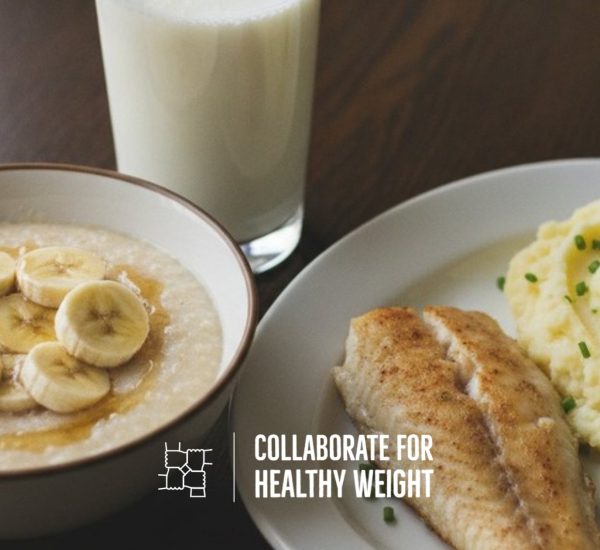
Dinner: Turmeric Baked Cod with Sweet Potato. Cod fillet (5 oz) seasoned with turmeric, black pepper, cumin, and olive oil, baked at 400°F for 15 minutes. Serve with roasted sweet potato wedges and steamed green beans. ~440 cal | 36g protein | anti-inflammatory stars: turmeric, sweet potato, cod
Snack: Cucumber with Hummus. One cup of sliced cucumber with three tablespoons of hummus. ~140 cal | anti-inflammatory stars: olive oil in hummus, cucumber
Daily Total: ~1,400 cal
Day 4 (Thursday)

Breakfast: Berry Chia Pudding. Mix three tablespoons of chia seeds with one cup of unsweetened coconut milk, a teaspoon of vanilla, and a drizzle of honey. Refrigerate overnight. Top with sliced strawberries and a handful of raspberries in the morning. ~360 cal | 8g protein | anti-inflammatory stars: chia seeds, berries, coconut milk
Lunch: Mediterranean Tuna Salad Wrap. Canned tuna in olive oil, diced cucumber, cherry tomatoes, Kalamata olives, red onion, and parsley wrapped in a whole wheat tortilla with a smear of hummus. ~400 cal | 30g protein | anti-inflammatory stars: tuna, olives, olive oil, vegetables
Dinner: Beef and Vegetable Soup with Turmeric. Lean stew beef (4 oz) simmered in low-sodium beef broth with carrots, celery, onion, garlic, kale, and a generous pinch of turmeric and black pepper. Serve with one slice of whole-grain bread. ~420 cal | 32g protein | anti-inflammatory stars: kale, turmeric, vegetables
Snack: Walnuts and Dark Chocolate. One ounce of walnuts and two squares of 70%+ dark chocolate. ~200 cal | anti-inflammatory stars: walnuts, dark chocolate (flavonoids)
Daily Total: ~1,380 cal
Day 5 (Friday)
Breakfast: Spinach and Egg Scramble with Turmeric. Three eggs scrambled with a large handful of baby spinach, diced tomatoes, and a quarter teaspoon of turmeric cooked in olive oil. Serve with half an avocado. ~400 cal | 24g protein | anti-inflammatory stars: spinach, turmeric, avocado, eggs

Lunch: Black Bean and Roasted Vegetable Bowl. Half a cup of black beans over roasted bell peppers, zucchini, and red onion, served on a bed of arugula with a drizzle of olive oil, lime juice, and fresh cilantro. ~380 cal | 18g protein | anti-inflammatory stars: black beans, bell peppers, arugula
Dinner: Sheet Pan Salmon with Asparagus and Cherry Tomatoes. One salmon fillet (5 oz) roasted alongside asparagus and halved cherry tomatoes on a sheet pan, drizzled with olive oil, lemon, and garlic. Everything roasts together at 400°F for 18 minutes. ~450 cal | 40g protein | anti-inflammatory stars: salmon, asparagus, tomatoes
Snack: Greek Yogurt with Flaxseed and Berries. Three-quarters cup of plain low-fat Greek yogurt with a tablespoon of ground flaxseed and a handful of blueberries. ~190 cal | 16g protein | anti-inflammatory stars: yogurt probiotics, flaxseed, blueberries
Daily Total: ~1,420 cal
Day 6 (Saturday)
Breakfast: Blueberry Walnut Overnight Oats. Half a cup of rolled oats, three-quarters cup of plain kefir, one tablespoon of chia seeds, and half a cup of blueberries mixed and refrigerated overnight. Top with crushed walnuts and a drizzle of honey in the morning. ~380 cal | 18g protein | anti-inflammatory stars: kefir probiotics, blueberries, walnuts, chia seeds
Lunch: Grilled Chicken and Roasted Beet Salad. Grilled chicken breast (4 oz, sliced), roasted beets, arugula, crumbled goat cheese, toasted pumpkin seeds, and a balsamic-olive oil dressing. ~420 cal | 38g protein | anti-inflammatory stars: beets, arugula, pumpkin seeds, EVOO

Dinner: Shrimp and Vegetable Coconut Curry. Six ounces of shrimp simmered in lite coconut milk with garlic, ginger, turmeric, spinach, cherry tomatoes, and a squeeze of lime. Serve over half a cup of brown rice or cauliflower rice. ~440 cal | 34g protein | anti-inflammatory stars: shrimp, turmeric, ginger, spinach, coconut
Snack: Edamame with Sea Salt. One cup of shelled edamame, lightly salted. ~180 cal | 17g protein | anti-inflammatory stars: edamame (isoflavones, plant protein)
Daily Total: ~1,420 cal
Day 7 (Sunday)

Breakfast: Avocado and Tomato Egg Bowl. Two poached eggs served over sliced avocado and heirloom tomatoes, drizzled with extra virgin olive oil and topped with fresh basil and red pepper flakes. Serve with one slice of sourdough. ~420 cal | 18g protein | anti-inflammatory stars: avocado, tomatoes, EVOO, eggs
Lunch: White Bean and Kale Soup. Cannellini beans simmered with kale, diced tomatoes, garlic, rosemary, low-sodium chicken broth, and a generous drizzle of olive oil. Serve with crusty whole-grain bread. ~400 cal | 20g protein | anti-inflammatory stars: beans, kale, tomatoes, olive oil
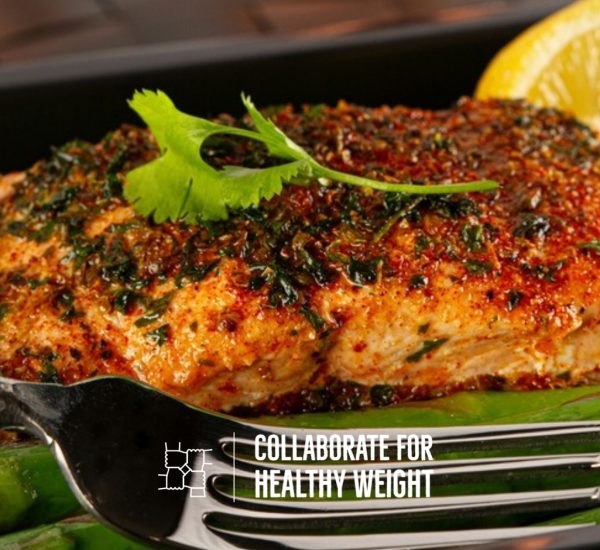
Dinner: Herb-Crusted Salmon with Warm Lentil Salad. Salmon fillet (5 oz) baked with an herb crust (parsley, garlic, lemon zest, olive oil). Serve alongside a warm lentil salad with roasted red peppers, baby spinach, and a lemon vinaigrette. ~490 cal | 44g protein | anti-inflammatory stars: salmon, lentils, spinach, peppers
Snack: Apple Slices with Walnuts. One medium apple and one ounce of walnuts. ~190 cal | anti-inflammatory stars: apple, walnuts (omega-3 ALA)
Daily Total: ~1,500 cal
Your 7-Day Anti-Inflammatory Diet Grocery List
Protein
- Salmon fillets (four to five, around 5 oz each)
- Cod fillet (one)
- Shrimp, peeled and deveined (half pound)
- Smoked salmon (one small pack)
- Canned sardines in olive oil (two tins)
- Canned tuna in olive oil (two cans)
- Chicken breast (one to one-and-a-half pounds)
- Lean stew beef (half pound)
- Eggs (one dozen)
Dairy and Refrigerated
- Plain low-fat Greek yogurt (one small container)
- Plain kefir (one bottle)
- Goat cheese (one small log)
- Unsweetened almond milk (one carton)
- Unsweetened lite coconut milk (one can)
- Almond butter (one jar)
- Tahini (one jar)
- Hummus (one container)
Produce
- Baby spinach (large bag)
- Kale (two bunches)
- Arugula (one bag)
- Mixed greens (one bag)
- Red cabbage (one small head or pre-shredded bag)
- Broccoli (two heads)
- Asparagus (one bunch)
- Snap peas (one bag)
- Zucchini (two)
- Green beans (one bag)
- Sweet potato (two)
- Beets (two, or one pack pre-cooked)
- Bell peppers (three, assorted)
- Cherry tomatoes (two pints)
- Heirloom or regular tomatoes (two)
- Cucumber (three)
- Celery (one bunch)
- Carrots (one bag)
- Red onion (two)
- Yellow onion (one)
- Garlic (one bulb)
- Avocado (four)
- Blueberries (two pints)
- Strawberries (one pint)
- Raspberries (one small pint)
- Banana (one)
- Apple (three)
- Lemon (four)
- Lime (two)
- Fresh ginger (one small knob)
- Fresh parsley (one bunch)
- Fresh dill (one small bunch)
- Fresh cilantro (one bunch)
- Fresh basil (one small bunch)
Grains and Legumes
- Rolled oats (one container)
- Brown rice (one bag)
- Quinoa (one bag)
- Whole grain bread or sourdough (one loaf)
- Whole wheat tortillas (one pack)
- Red lentils (one bag or two cans)
- Cannellini beans (two cans)
- Chickpeas (one can)
- Black beans (one can)
- Shelled edamame (one bag, frozen)
Pantry Staples
- Extra virgin olive oil (good quality)
- Sesame oil
- Avocado oil
- Chia seeds
- Ground flaxseed
- Walnuts (one bag)
- Pumpkin seeds (one bag)
- Kalamata olives (one jar)
- Capers (one small jar)
- Canned whole or crushed tomatoes (two cans)
- Low-sodium vegetable broth (one carton)
- Low-sodium beef broth (one carton)
- Low-sodium tamari or soy sauce
- Dark chocolate (70%+ cacao, one bar)
- Honey
- Balsamic vinegar
- Turmeric (ground)
- Ground cumin
- Smoked paprika
- Ground cinnamon
- Black pepper (freshly ground if possible)
- Red pepper flakes
- Dried rosemary
- Vanilla extract
Why This Plan Produces Results
Three salmon servings per week, turmeric used daily, berries at breakfast most mornings, and olive oil as the primary cooking fat: these aren’t decorative choices. Each reflects a specific anti-inflammatory mechanism backed by research.
Research published in PMC on omega-3 fatty acids in obesity found that n-3 PUFAs from fatty fish modulate inflammatory adipokines, including reducing TNF-α and increasing adiponectin, both of which support better metabolic function and fat oxidation. The plan’s twice-to-three-times weekly salmon intake targets this directly.
The whole grains, legumes, and vegetables throughout the week also serve a structural purpose. High-fiber plant foods prevent surges in blood glucose, support healthy gut microbiota, and may favorably affect fat cell composition to further reduce inflammation, a layered effect that compounds day over day. For a ranked look at the strongest options, see our list of foods that stop inflammation.
Meal Prep Tips for the Week
Sunday prep (30–40 minutes):
- Cook a batch of brown rice and quinoa
- Make a large pot of lentil soup for Tuesday lunch (it keeps well for five days)
- Prepare chia pudding for Thursday night
- Roast one sheet pan of mixed vegetables (sweet potato, broccoli, bell pepper) to use across multiple meals
- Hard-boil four eggs
- Wash and dry all greens and herbs
Turmeric tip: Always pair turmeric with black pepper. Piperine in black pepper increases curcumin absorption by up to 2,000% according to research, and without it, much of the anti-inflammatory benefit is lost in digestion.
Omega-3 tip: If you find yourself skipping a fish day, a tablespoon of ground flaxseed, a handful of walnuts, or a tablespoon of chia seeds at any meal provides plant-based ALA omega-3s as a backup.
Frequently Asked Questions
Can an anti-inflammatory diet help you lose weight?
It can help in two ways. The plan runs at roughly 1,400 to 1,600 calories a day, which creates a moderate deficit for many adults, and its high-fiber, high-protein meals keep you full. Reducing added sugar and processed foods may also lower the chronic inflammation that is linked with insulin resistance and stubborn fat. Results depend on your starting point, so treat this as a framework rather than a guarantee.
How long does it take to notice results on an anti-inflammatory diet?
Many people notice less bloating and steadier energy within the first week or two. Changes in inflammatory markers, joint comfort, or body weight generally take several weeks of consistent eating, so use this plan as a starting structure for an ongoing habit.
What foods cause inflammation?
Refined grains, added sugars, industrial seed oils, processed meats, fried foods, excess alcohol, and artificial trans fats are the main dietary drivers, which is why the plan leaves them out.
What if you don’t eat fish?
Swap in plant-based omega-3 sources such as ground flaxseed, chia seeds, and walnuts, and replace the fish dinners with beans, lentils, tofu, or chicken. Plant-based ALA is converted to EPA and DHA only in small amounts, so ask your doctor whether an algae-based supplement makes sense for you.
Do you need to eat turmeric every day?
No. Turmeric appears often in this plan because it is one of the best-studied anti-inflammatory spices, but the overall pattern of fatty fish, berries, leafy greens, legumes, and olive oil matters more than any single ingredient. If you take blood thinners or have gallbladder problems, check with your doctor before adding a lot of turmeric.
The Bottom Line
An anti-inflammatory approach to weight loss works differently from calorie restriction alone. By choosing foods that reduce systemic inflammation, you’re not just cutting calories; you’re removing a biological barrier to fat loss. The meals in this plan are filling, flavorful, and built around whole ingredients that your body responds to well.
Seven days won’t reverse years of inflammation overnight, but they’re enough to shift your dietary baseline meaningfully, reduce bloating, stabilize blood sugar, and build momentum toward a pattern of eating that supports your health well beyond the number on the scale.
Always consult your healthcare provider before making significant dietary changes, especially if you have a diagnosed inflammatory condition, autoimmune disease, or are taking medications that interact with dietary compounds such as turmeric or omega-3 supplements.